IEA chief warns surging diesel prices will fuel global inflation
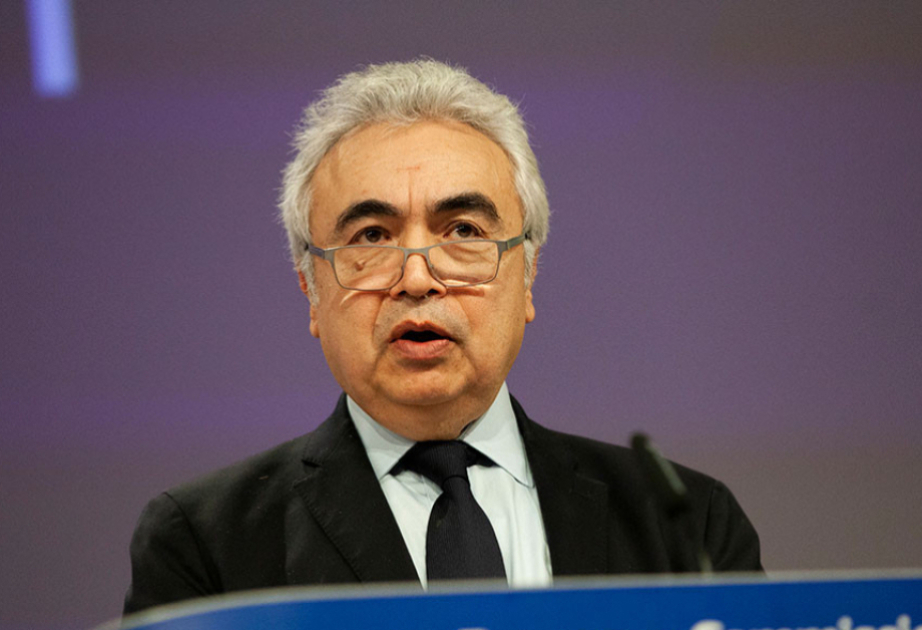
Baku, October 3, AZERTAC
Higher diesel prices driven by geopolitical conflict are set to put upward pressure on inflation worldwide, Anadolu Agency reported citing International Energy Agency (IEA) Executive Director Fatih Birol.
Birol made the remarks in his opening address at the "Beyond Climate: Towards Antalya" event, organized by Turkish newspaper Oksijen and Koc Holding, COP31's Global Business Partner.
He said the war that began on Feb. 28 had ushered in a new era in global energy markets.
"Oil prices are now around $100. That is quite high. But what matters more than crude oil prices is the price of refined petroleum products, particularly diesel," he said.
Birol said that diesel prices in the transportation and agriculture sectors have nearly doubled from prewar levels, mainly driven by high crude oil prices and damage to some refineries in the Middle East.
Lower diesel exports from the region and the destruction of some refineries in Russia during the Russia-Ukraine war also added to increasing prices, he said.
Birol said an even more significant sign of the scale of the current energy crisis is the shift in energy policies by countries, companies and consumers.
Countries are drawing lessons from the crisis by looking for new energy partners and more reliable suppliers while also turning to new technologies, he said.
Birol noted that nuclear power expanded rapidly after the oil crises of 1973 and 1979, while the automotive sector also made gains in energy efficiency.
"All countries want to produce as much energy as possible domestically," he said. "And one area where almost everyone agrees is the need to move energy systems and economies toward electrification as much as possible, together with market dynamics."
Birol stressed the need for COP31 to send strong signals to markets and investors to help turn climate targets into action.
"What I hope for most is this: If 150 to 200 countries sign on to the electrification target at COP31, that will send a signal to investors and companies," he said. "That signal will translate into new investments. That is how implementation happens."
Birol said energy security, costs and climate change goals are coming together for the first time, describing this as a positive development for Antalya, where COP31 will be held in November.
China holds massive leverage in critical minerals
In a separate session, Birol also highlighted China’s strong position in critical minerals, saying Beijing holds significant leverage in the sector.
"To put it in one sentence, if Iran has one Hormuz, China has five," he said, referring to the Strait of Hormuz, through which about 20% of global oil supplies typically pass.
Birol said any reduction in China's rare earth exports would directly affect the global automotive industry.
"If China says, 'I have decided that starting next month I will cut rare earth exports by half,' the entire automotive industry in Europe and around the world would suddenly be shaken," he said.
Birol stressed that critical minerals are important not only for clean energy technologies but also for a wide range of sectors, from defense and automotive to medicine.
Other news in this section


