APP: Marka-e-Haq — A narrative of conflict, response, and national resolve
Baku, May 5, AZERTAC
The “Marka-e-Haq”—The Battle of Truth is a defining episode for Pakistan that has marked a significant military and diplomatic moment for the entire nation.
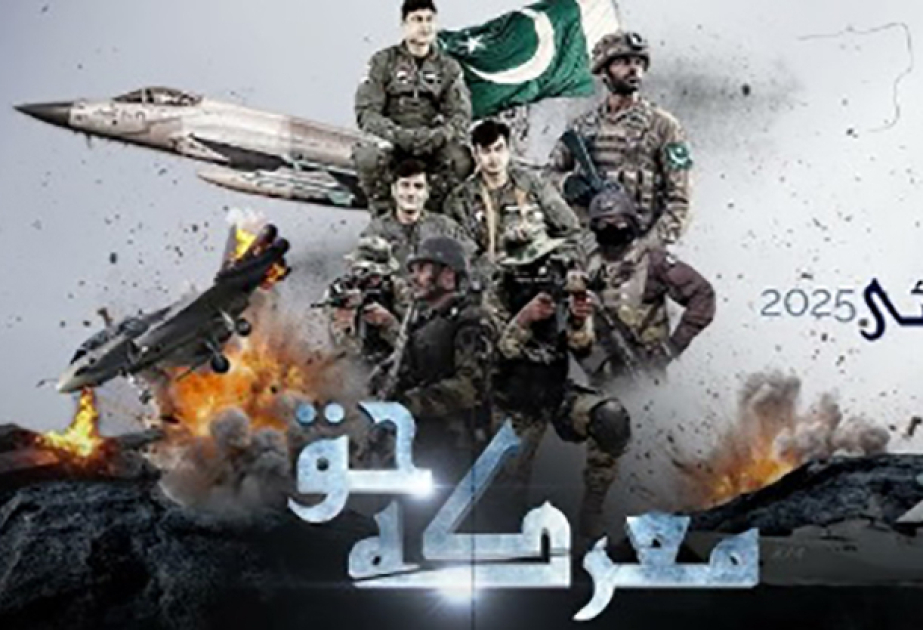
In the month of May, Pakistan commemorates the first year anniversary of ‘Marka-e-Haq’ with a ten-day celebration beginning May 1, reflecting a sense of national pride and remembrance, Associated Press of Pakistan (APP) reported.
The origins of the conflict trace back to April 22, 2025, when tensions escalated following an incident in Pahalgam. Indian authorities falsely attributed the episode to alleged cross-border involvement, while Pakistan rejected the claims, terming the incident a “false flag operation” and asserting that no credible evidence had been presented.
Pakistan’s leadership, including Prime Minister Shehbaz Sharif, offered cooperation for transparent investigations, but diplomatic engagement failed to ease the rapidly intensifying situation.
Within days, the conflict took a dangerous turn with Indian drone and missile strikes targeting civilian areas in Azad Kashmir and other cities in Pakistan.
In response, Pakistan invoked its right to self-defense, warning against further escalation. As hostilities grew, Pakistan started targeting military installations in India where the alleged attacks against the Pakistani soil originated.
Aerial confrontations soon became a focal point of the conflict. Pakistan’s air force played its significant role particularly the deployment of JF-17 Thunder jets, to counter the Indian incursions. Multiple Indian aircraft, including the much-publicized Rafale warplanes, were shot down during the engagements. The conflict ended after intense exchanges that also involved the destruction of dozens of drones.
International attention quickly followed. Global media outlets closely monitored developments, while diplomatic channels worked to prevent further escalation between the two nuclear-armed neighbors. The United States, under President Donald Trump, played a role in facilitating a ceasefire, with claims from credible sources suggesting that India sought intervention to halt the conflict.
Beyond the battlefield, the episode emerged as a turning point in Pakistan’s global positioning. Officials pointed to increased diplomatic engagement, particularly with Middle Eastern and Central Asian countries, as well as defense cooperation agreements, including one with Saudi Arabia.
The narrative further extends into regional and global diplomacy. Pakistan credits country with playing a mediating role in easing tensions in broader conflicts, including efforts to de-escalate hostilities involving Iran and the United States. While such claims remain part of Pakistan’s official perspective, they underscore the country’s ambition to position itself as a stabilizing force in an increasingly volatile geopolitical environment.
Domestically, the anniversary is being marked not only as a military milestone but also as a moment of national unity.
Ceremonies, tributes to martyrs, and public events have been planned to honor those who lost their lives and those who served. The commemorations aim to reinforce a narrative of resilience, sacrifice, and collective strength.
The “Marka-e-Haq,” as remembered in Pakistan, is more than a brief conflict—it is portrayed as a symbol of strategic capability and national determination. Whether viewed through the lens of military engagement, political messaging, or international diplomacy, its first anniversary has become a moment for reflection on both the costs of conflict and the complexities of peace in South Asia.
Other news in this section


