Turkish dramas draw global viewers, boost interest in Türkiye
Baku, August 28, AZERTAC
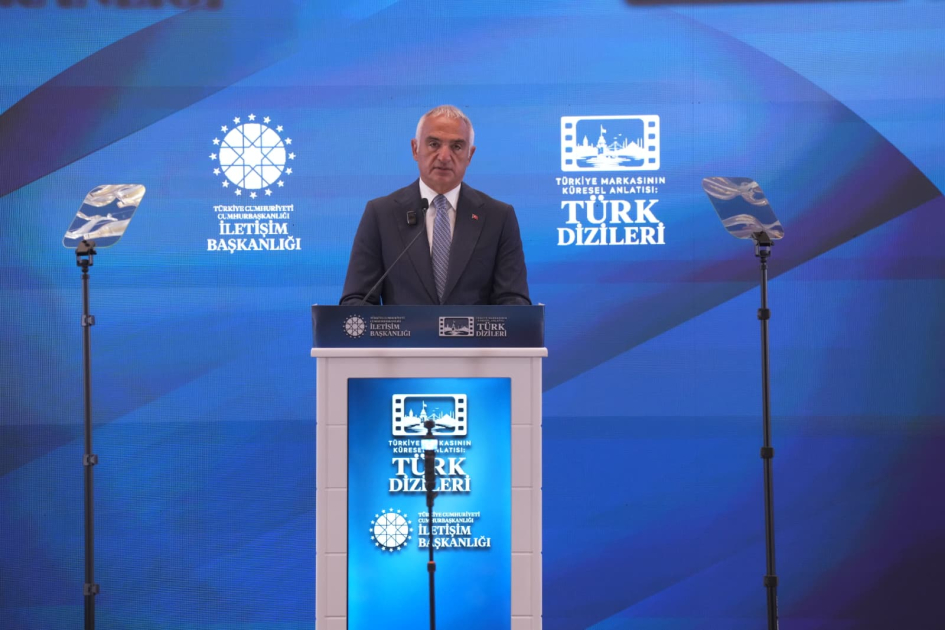
Turkish television dramas are watched by nearly 1 billion people in about 170 countries, helping to boost Türkiye’s global cultural influence and interest in the country as a tourism destination, Culture and Tourism Minister Mehmet Nuri Ersoy said Friday, according to Daily Sabah.
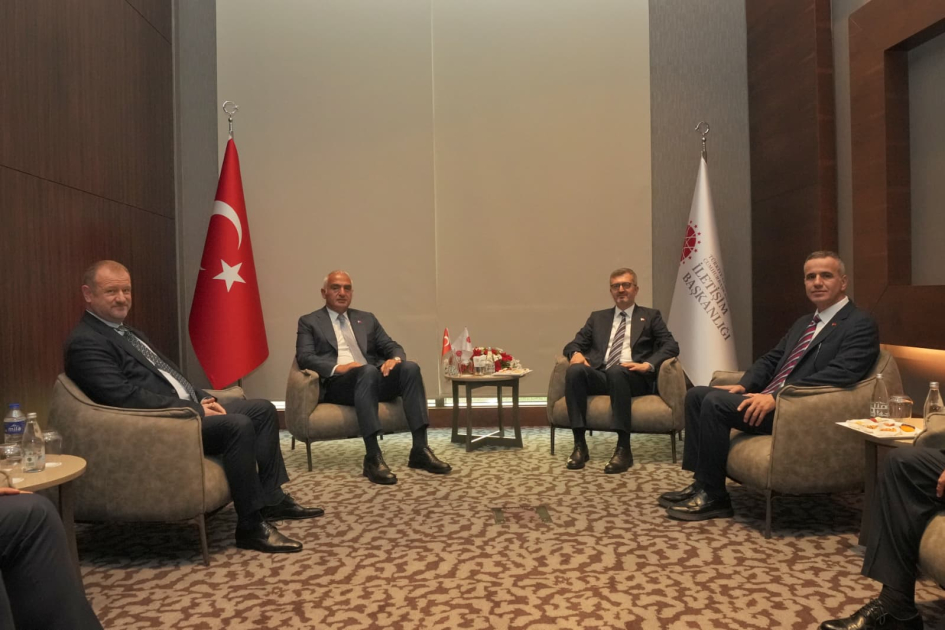
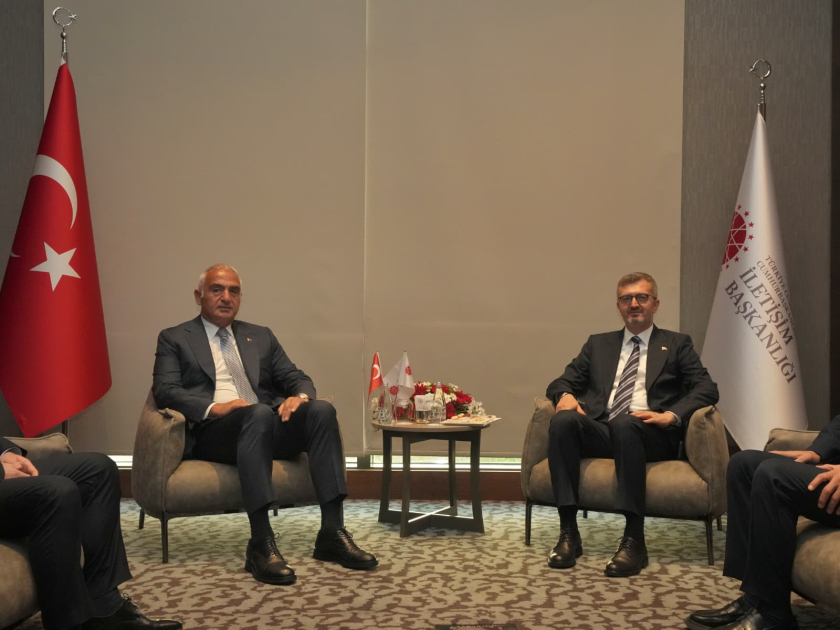
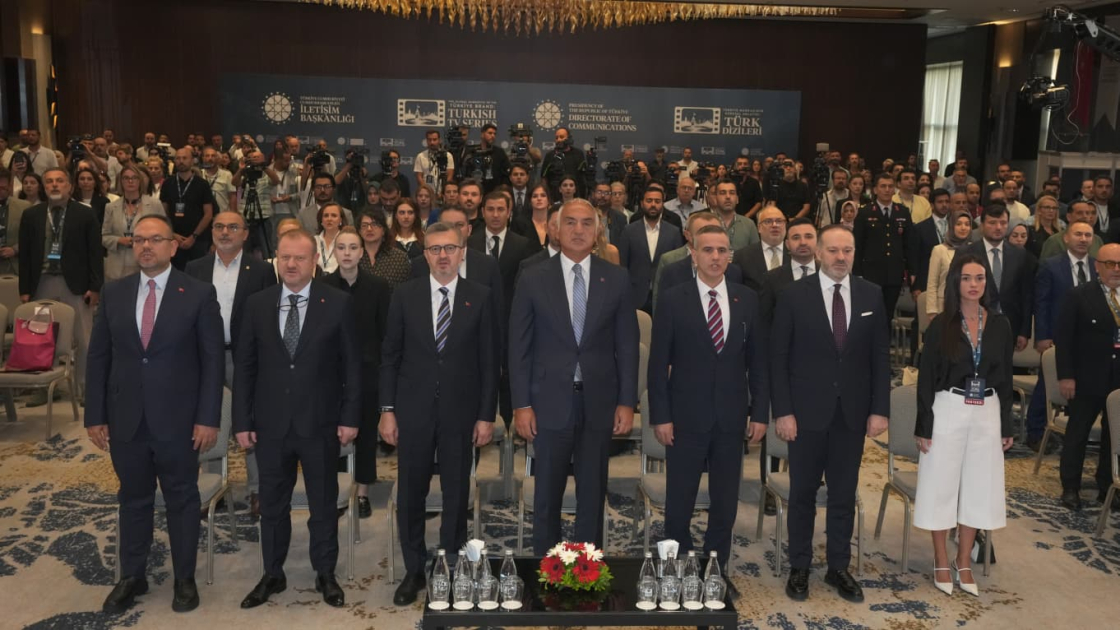
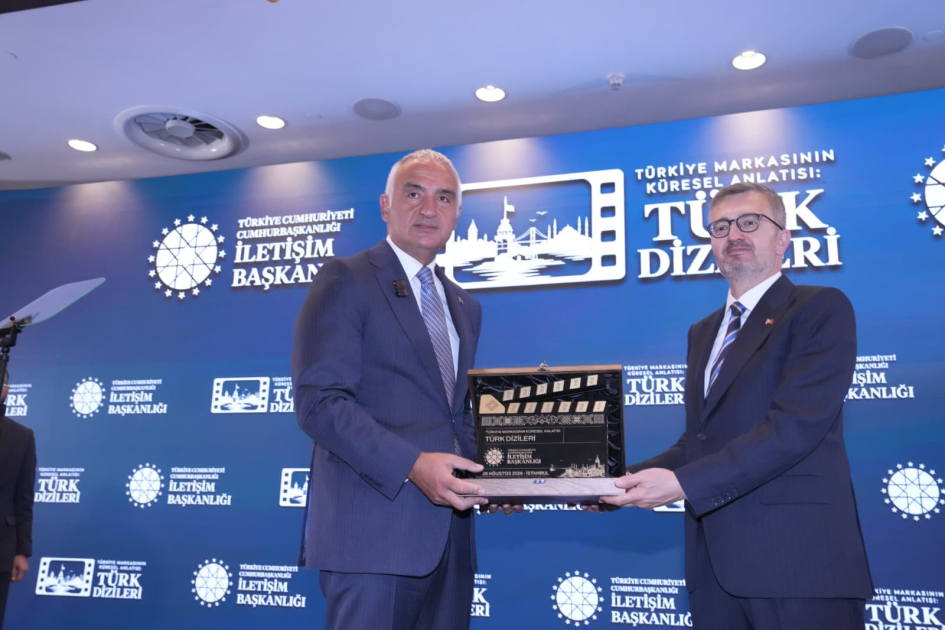
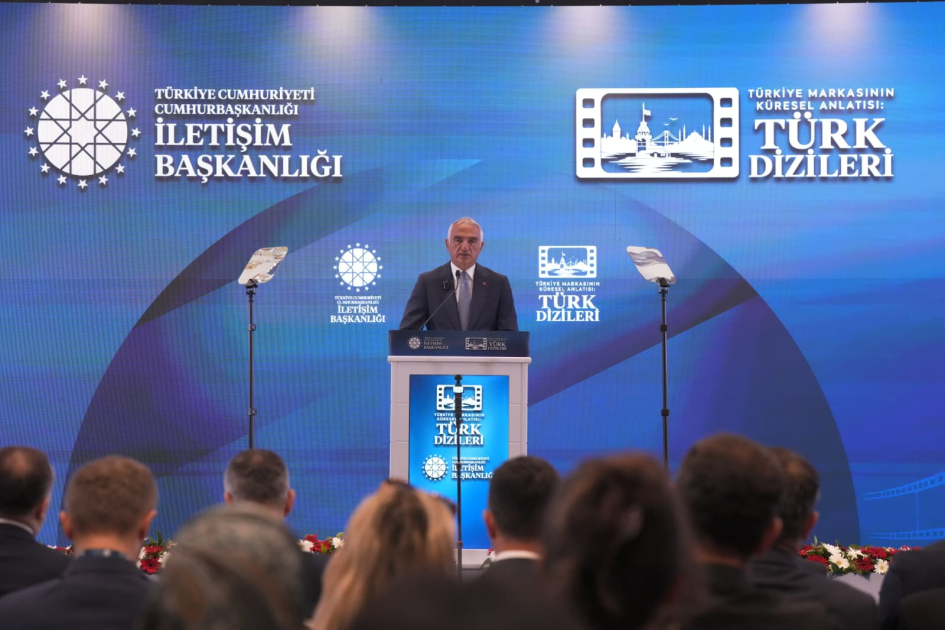
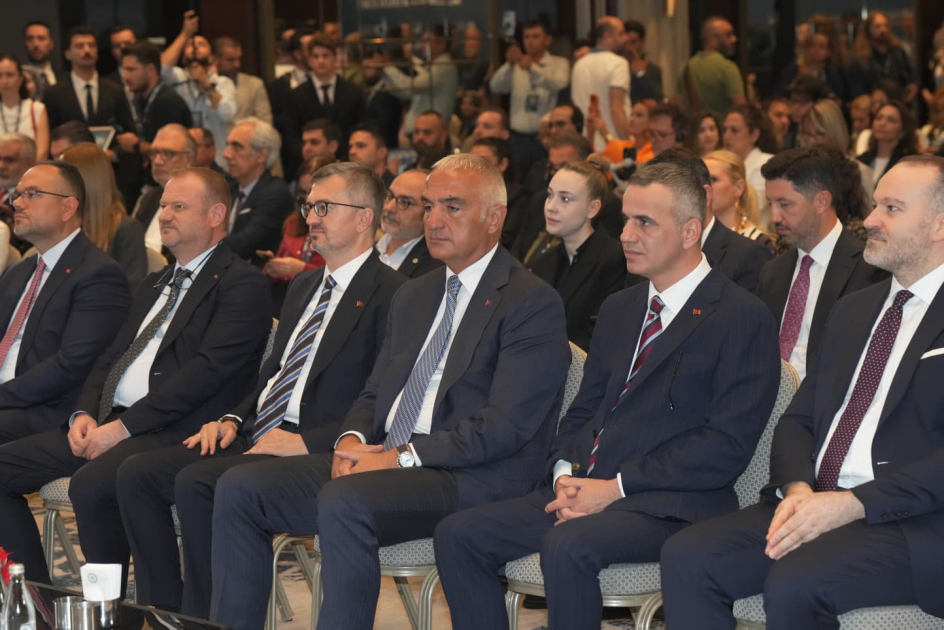
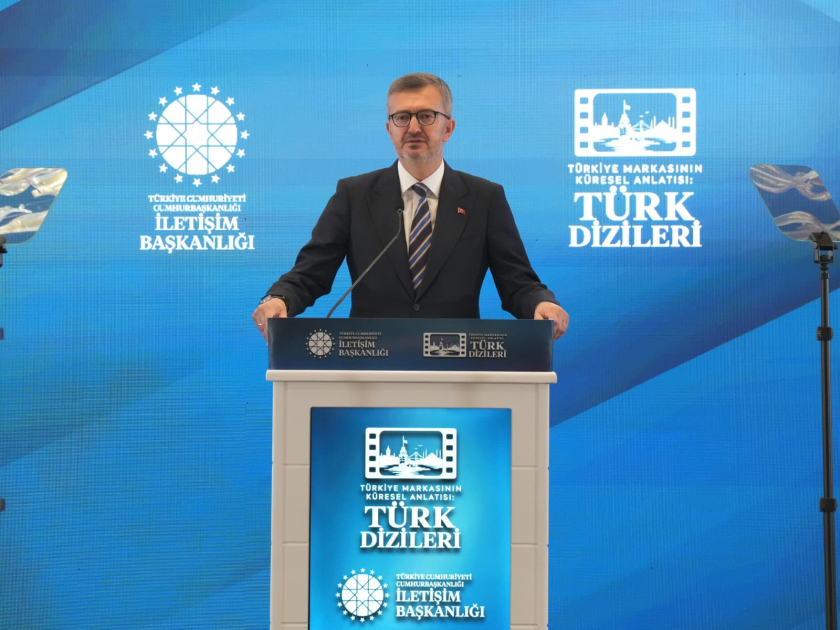
Speaking at a program in Istanbul titled “The Global Narrative of the Türkiye Brand: Turkish TV Series,” Ersoy said Turkish productions have become an important part of Türkiye’s international image, reaching audiences worldwide.
“From Asia to Europe, from the Middle East to Latin America, a Turkish story is being told in nearly 170 countries,” Ersoy said. “A street in Istanbul, a landscape in Cappadocia, a table set in the Aegean and thousands of years of Anatolian heritage are reaching the screens of millions of people.”
Türkiye is now among the world’s three leading exporters of television series, Ersoy said, with Turkish dramas reaching audiences across Africa, the Middle East, South America and the Balkans.
He said the industry’s international reach should not be viewed only as a commercial achievement, arguing that Turkish dramas have become a source of the country’s global “soft power.”
In what he described as the global “attention economy,” countries increasingly compete not only through economic strength, technology and products, but also through their ability to attract attention and establish a lasting presence in people’s minds.
“Being visible, creating curiosity and securing a lasting place in people’s minds carries increasingly greater strategic value,” Ersoy said.
Dramas promote Türkiye
Ersoy said Turkish dramas are also generating curiosity about Türkiye, with viewers learning Turkish words and becoming familiar with the country’s music, cuisine, traditions and lifestyle.
International audiences also research cities and filming locations shown in the dramas, he said.
“Turkish dramas make people curious about Türkiye,” Ersoy said.
He said this growing interest can translate into tourism, with locations seen on screen becoming destinations that viewers want to visit. Food featured in dramas can create interest in Turkish gastronomy, while historical sites can draw attention to the country’s cultural heritage.
“What we have before us is not merely an export product with high economic value,” Ersoy said. “There is a very powerful sphere of cultural influence that increases the international visibility of the Turkish language, makes our culture part of everyday life around the world, strengthens awareness of our destinations and adds value to the Türkiye brand.”
Ersoy described this effect as part of Türkiye’s “soft power” and highlighted the growing importance of “screen tourism,” in which films and television productions influence people’s travel decisions.
Türkiye’s tourism strength and the global reach of its television industry should be brought together around a common strategy, he said.
“The issue is no longer simply how many countries Turkish dramas are watched in,” Ersoy said. “The issue is how we will transform this extraordinary global reach into Türkiye’s cultural influence, tourism power and brand value.”
New support system
The Culture and Tourism Ministry has also introduced a new support model aimed at strengthening the international competitiveness of Turkish television productions, Ersoy said.
Developed with the ministry’s General Directorate of Cinema, the new system removes the requirement that a series must have aired for one season before becoming eligible for support.
Productions can now be assessed on an episode-by-episode basis, while multiple projects from the same production company can also receive support.
The new system will consider international distribution as well as television ratings and digital viewing figures. Productions broadcast in at least three continents and 10 countries will be evaluated not only on their export performance but also on their contribution to promoting Türkiye, increasing the international visibility of Turkish and supporting target tourism markets, Ersoy said.
He described the new model as a strategic investment in the industry’s international competitiveness and the Türkiye brand.
The government is also working with the Türkiye Tourism Promotion and Development Agency (TGA) to turn the interest generated by Turkish dramas into travel demand.
Ersoy said the agency is developing promotional campaigns that bring internationally known actors together with Türkiye’s destinations, gastronomy, cultural heritage and tourism offerings.
Other news in this section


