IOM: Yemen displacement tops 200,000, needs soar and funding alarmingly dries up
Baku, October 7, AZERTAC
A total of 201,217 people have been forced from their homes in Yemen since fighting started, according to the latest data released today by the International Organization for Migration (IOM). The number is rising every day, and so are humanitarian needs. The money to help those in most need is alarmingly running out.
"People are running for their lives and finding nowhere safe to go," said IOM Director General Amy Pope. "They need a roof, food and safety today. Our teams are on the ground, but the funding is not. I am asking donors to act now, because every day of delay costs lives. Yemen must not become a forgotten crisis. The world has the means to help. It must use them now."
The speed of this crisis is alarming. In mid-September, IOM's Displacement Tracking Matrix (DTM) counted 76,000 displaced people. By the end of the month, the figure had passed 145,000. Today it stands at 201,217 people, or 33,776 households. Nearly all of them, 197,755, have fled since 1 September.
Displacement now spans 10 governorates. Ta'iz is the hardest hit, with 114,708 displaced people, 57 per cent of the total. Lahj follows with 42,264, Aden with 20,814, Abyan with 9,030 and Al Hodeidah with 8,244. Smaller numbers are recorded in Hadramawt (2,478), Shabwah (1,188), Ma'rib (1,080), Al Maharah (936) and Ad Dali' (475).
Three districts account for three in four of those recorded in Ta'iz: Al Ma'afer (31,230), Jabal Habashi (31,020) and Ash Shamayatayn (24,894). In Lahj, IOM recorded 23,616 people in Al Madaribah Wa Al Aarah and 14,676 in Tuban. In Aden, 10,320 were recorded in Al Burayqah. The crisis is also crossing borders.
More than 3,700 people have fled by sea to Djibouti. They arrive exhausted, in overcrowded boats, with little food or water. Families are leaving with almost nothing. Many flee at night, carrying what they can. Most are women and children.
For many, this is not the first time. Yemen has endured more than 12 years of conflict. Families who rebuilt their lives once, or twice, have lost everything again.
IOM teams speak to displaced families every day. What they hear is clear. Shelter is the most urgent need, cited by 35 per cent. Food follows at 33 per cent. Cash support comes next at 22 per cent. One in ten say protection is what they need most.
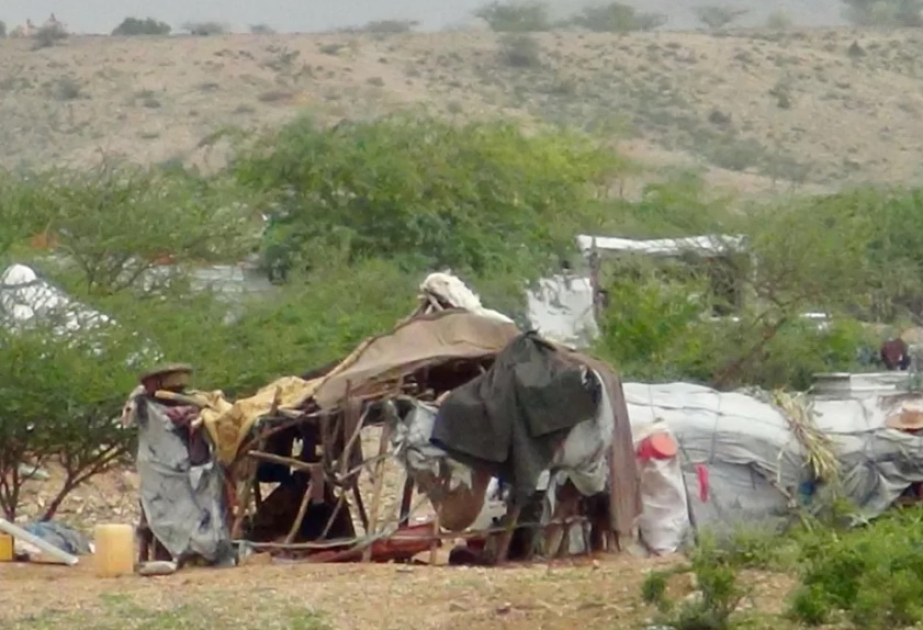
These are the basics of survival. Families are crowding into makeshift shelters or staying with relatives and neighbors. Host communities are sharing what little they have. They cannot carry this alone.
"Every day our teams meet families who have lost everything," Pope said. "We know what they need. We know how to deliver it. What we lack is the means to reach them all."
The response is badly underfunded. Yemen's humanitarian response plan is only 20 per cent funded. Relief stocks are running low. Needs are growing far faster than the resources to meet them.
IOM teams are working with local authorities and partners to deliver emergency shelter, essential household items, cash, clean water and protection services. In Djibouti, IOM is helping people as they come ashore. It is not enough.
IOM calls on the international community for immediate funding so humanitarian partners can save lives in Yemen. IOM also calls on all parties to protect civilians and aid workers, and to allow safe, unhindered access to people in need.
Displacement is expected to keep rising in the coming days. IOM will continue to track movements and share verified data. A detailed data breakdown will follow.
Other news in this section


