Ancient Shabran: A cultural hub of the Silk Road VIDEO
Shabran, August 27, AZERTAC
The latest feature in AZERTAC’s “If I Were a Tourist” column highlights the “Ancient Shabran” monument.
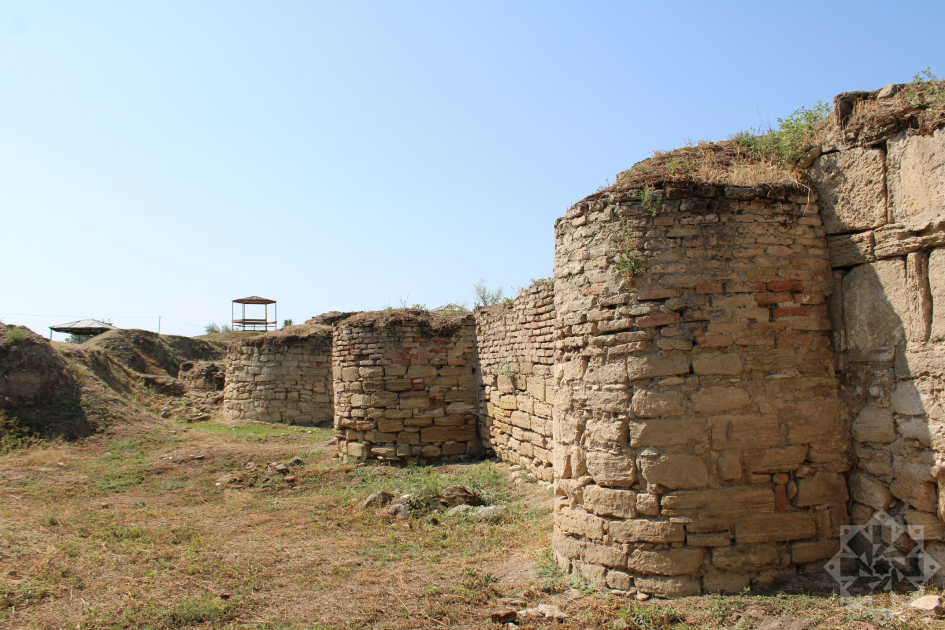
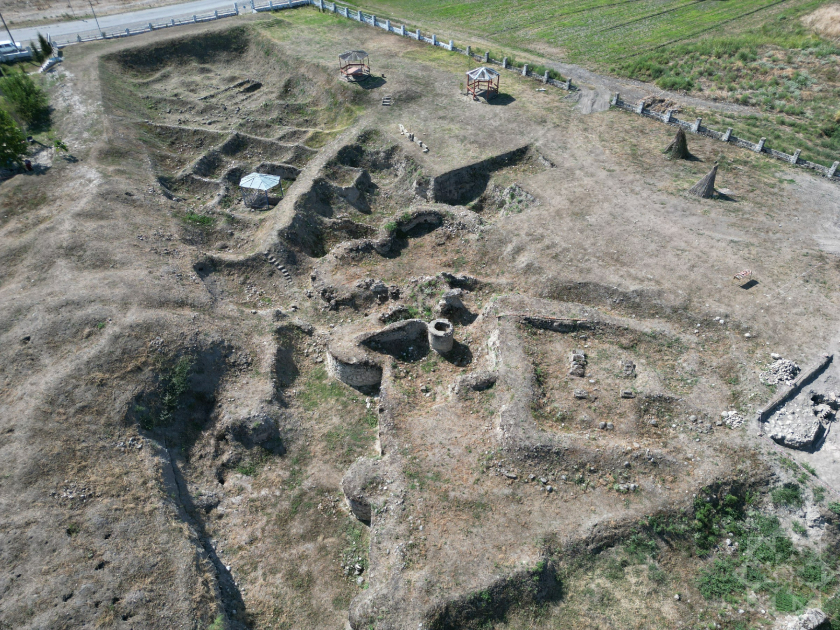
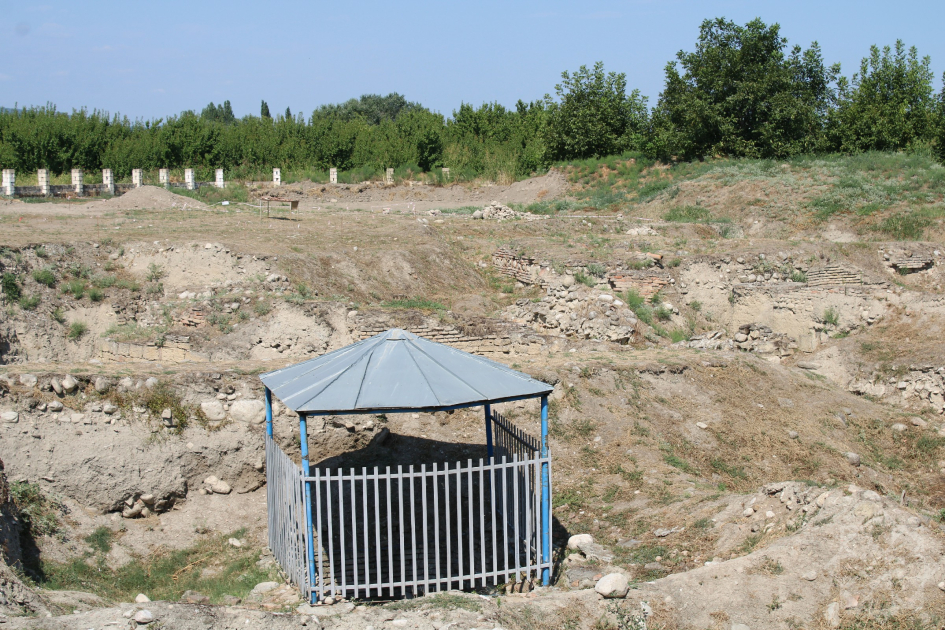
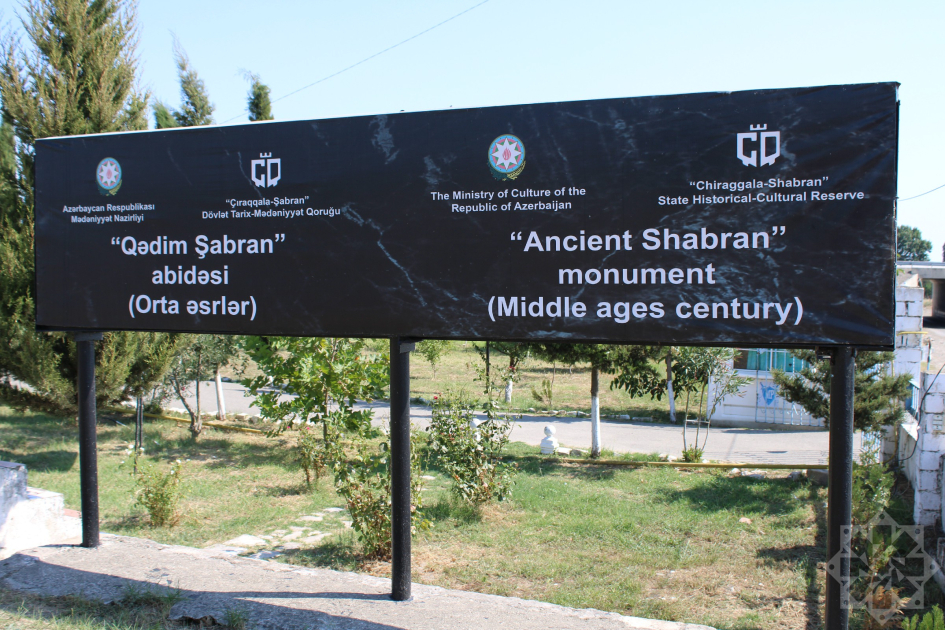
The “Ancient Shabran” monument, which is of global historical significance, is located near the village of Shahnazarli in the Shabran district, within the “Chirag-Gala–Shabran” State Historical and Cultural Reserve.
Based on historical sources and archaeological findings, the city of Shabran is believed to have been established in the 5th–6th centuries.
The origins of the city are associated with Shahanshah Khosrow I Anushirvan. Mahmud al-Kashgari, the renowned 11th-century Turkic scholar, attributed its foundation to the Turkic Sabir tribes. The city flourished until the mid-18th century. Archaeological excavations have revealed that its location along the Great Silk Road made it a major economic, trading, and cultural center for centuries.
Gradually weakened by economic difficulties and frequent attacks by foreign invaders, Shabran disappeared from the historical stage in the mid-18th century.
Scientific research conducted since the 1930s, along with archaeological excavations covering an area of more than 5,000 square meters, has yielded a wealth of archaeological materials reflecting the material and spiritual culture of the people.
The study of the ancient city of Shabran resumed in 1980, leading to the discovery of a rich archaeological cultural layer. This layer consists mainly of three major construction phases: the first dating from the 4th to the 18th centuries, the second from the 9th to the 12th centuries, and the third from the 13th to the 18th centuries. Originally situated on the left bank of the river, the city expanded southward from the 7th–8th centuries and eventually spread across the right bank as well.
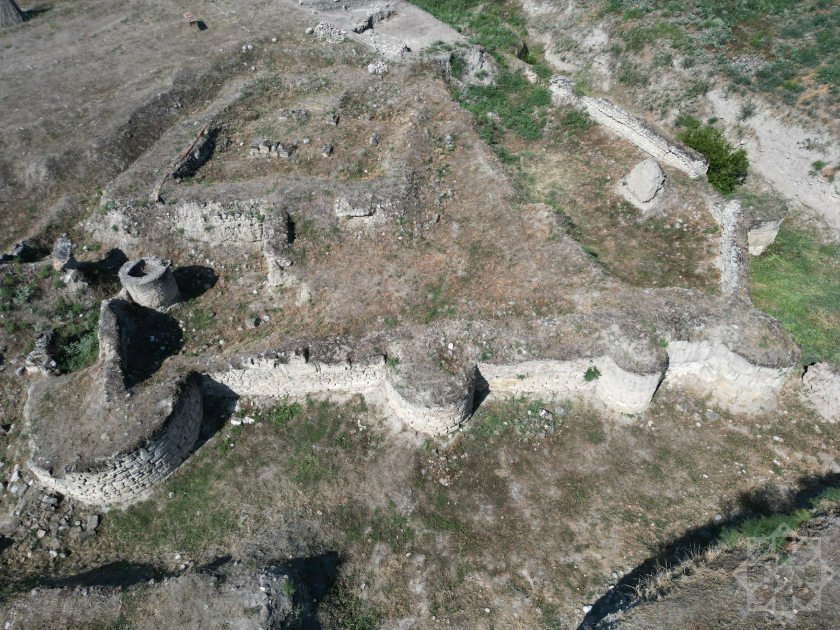
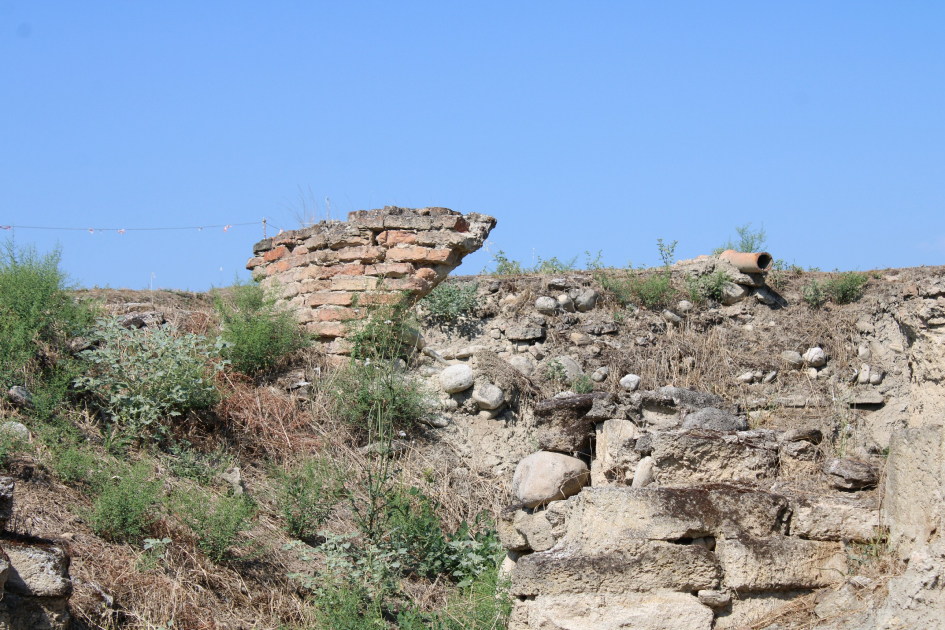
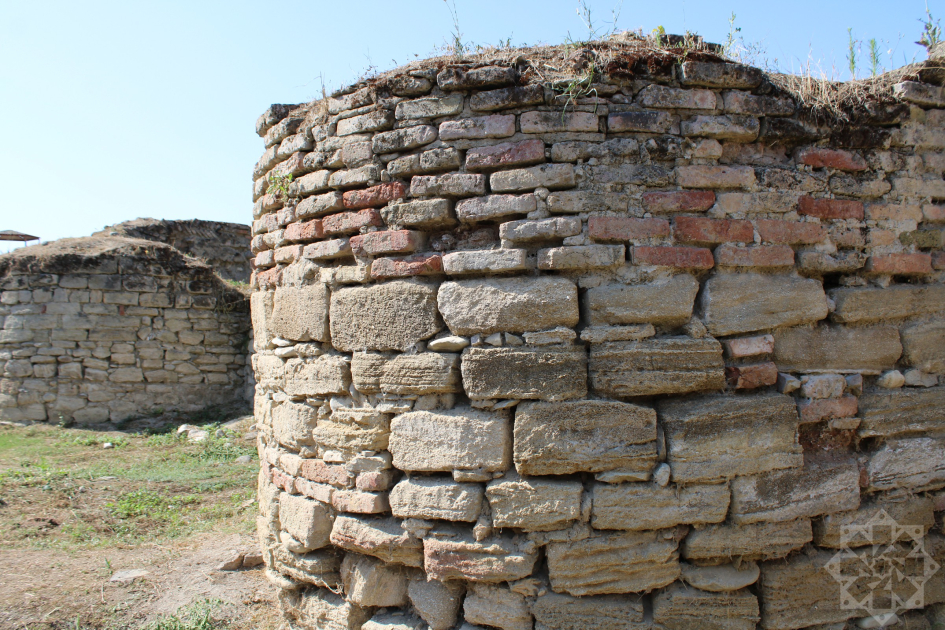
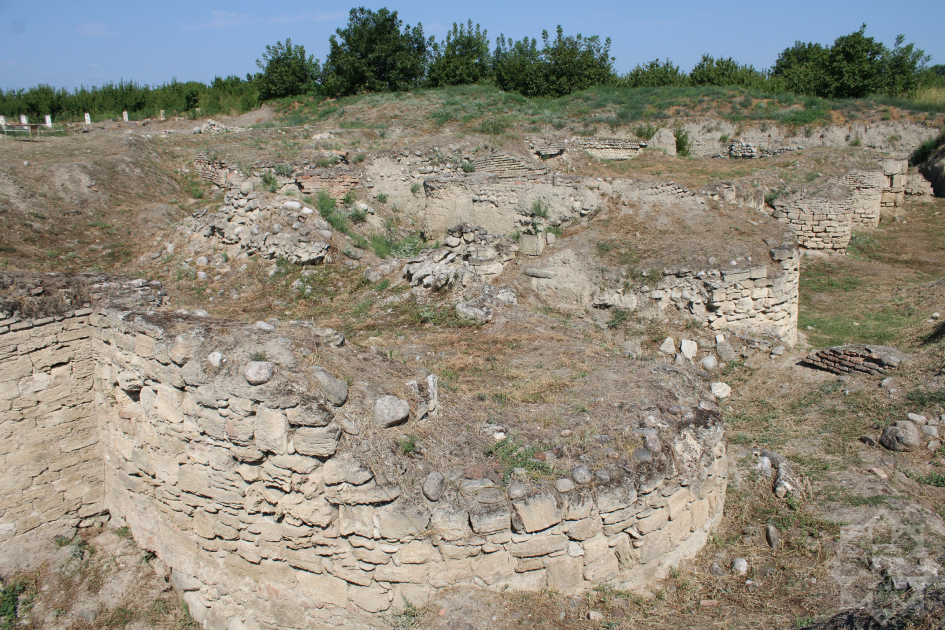
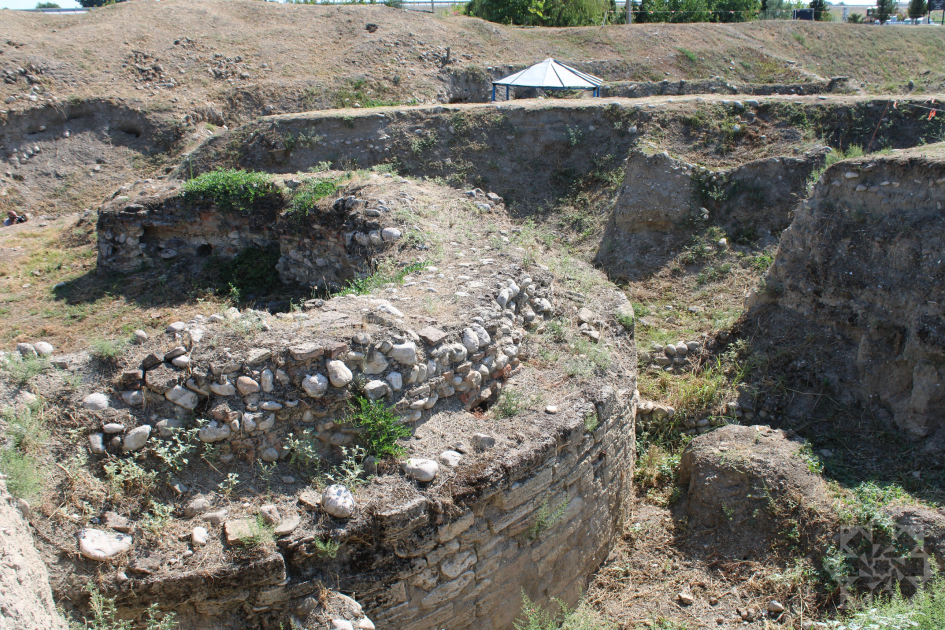
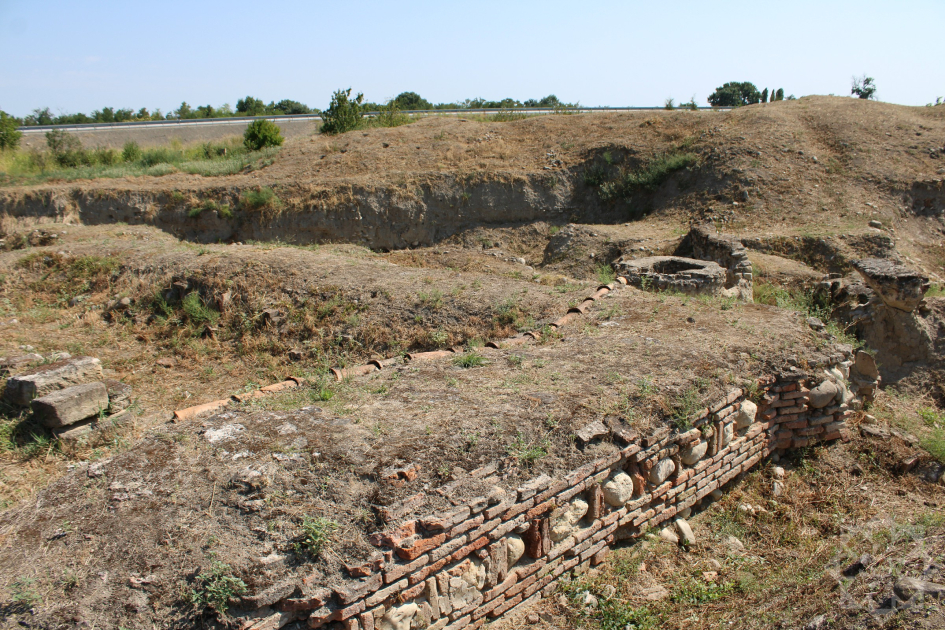
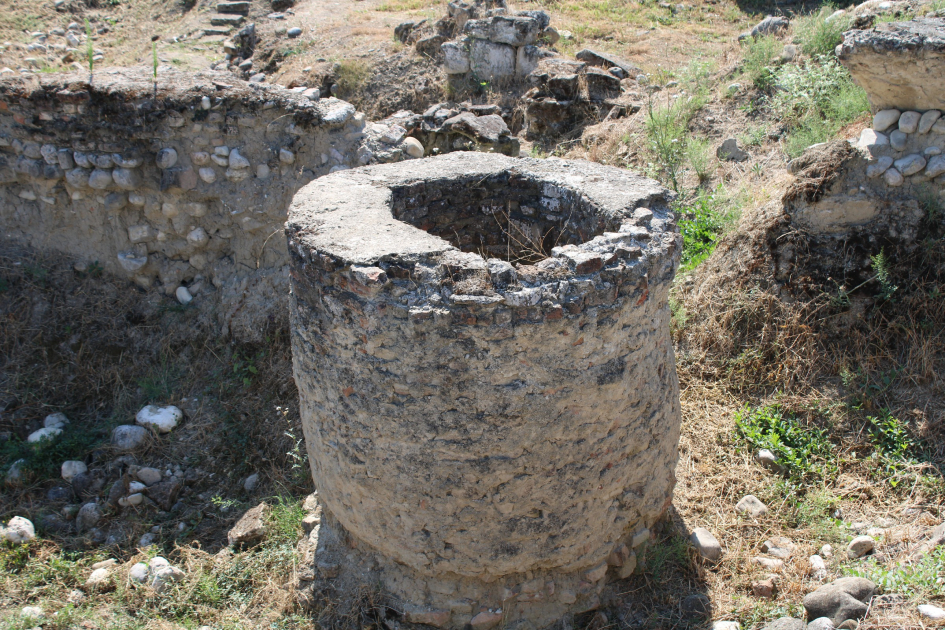
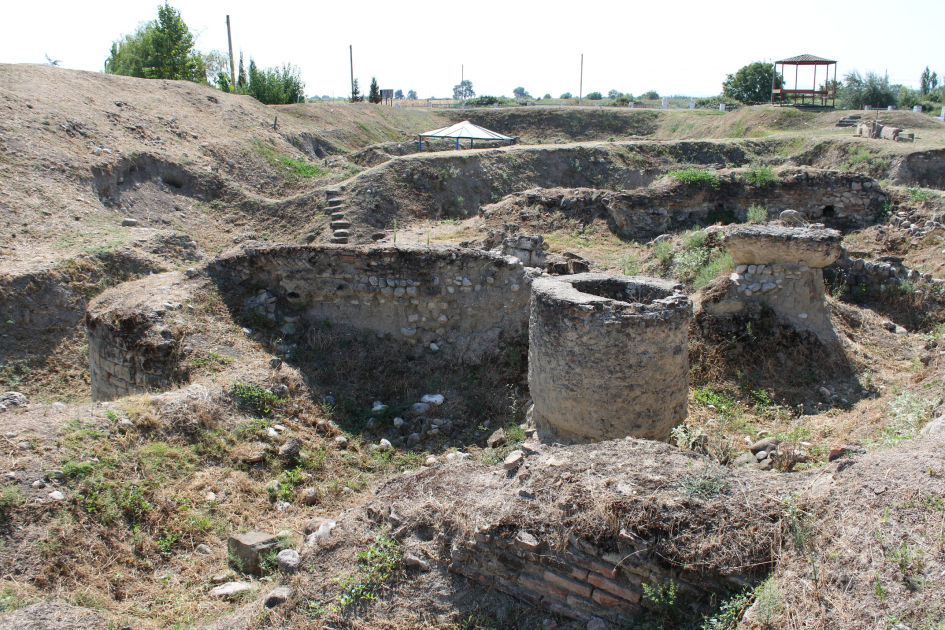
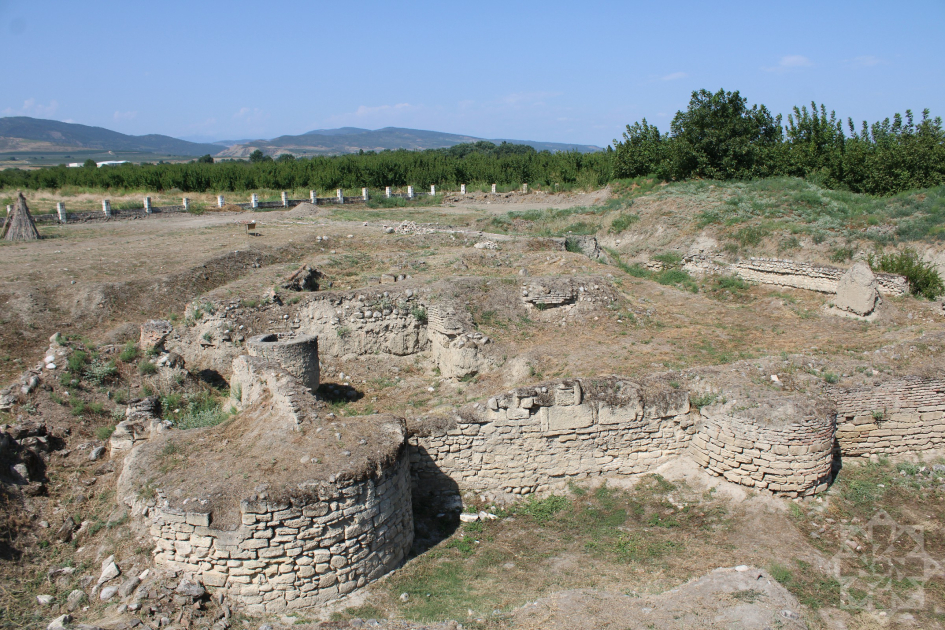
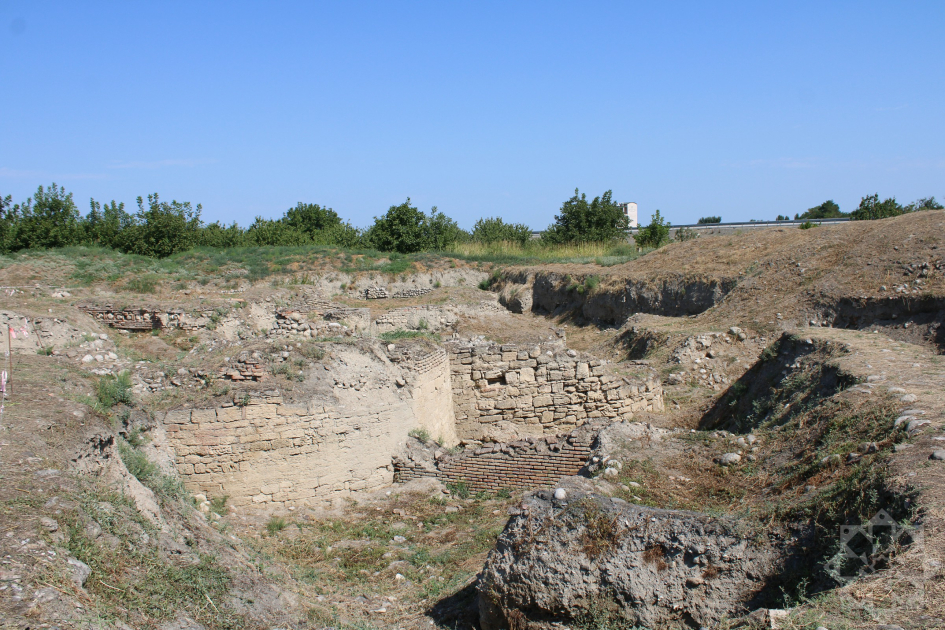
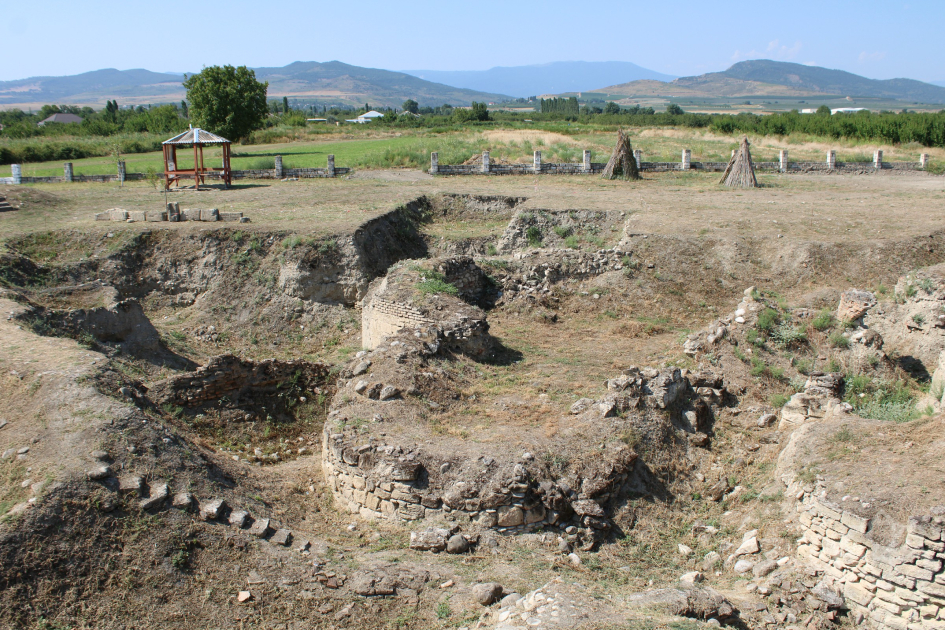
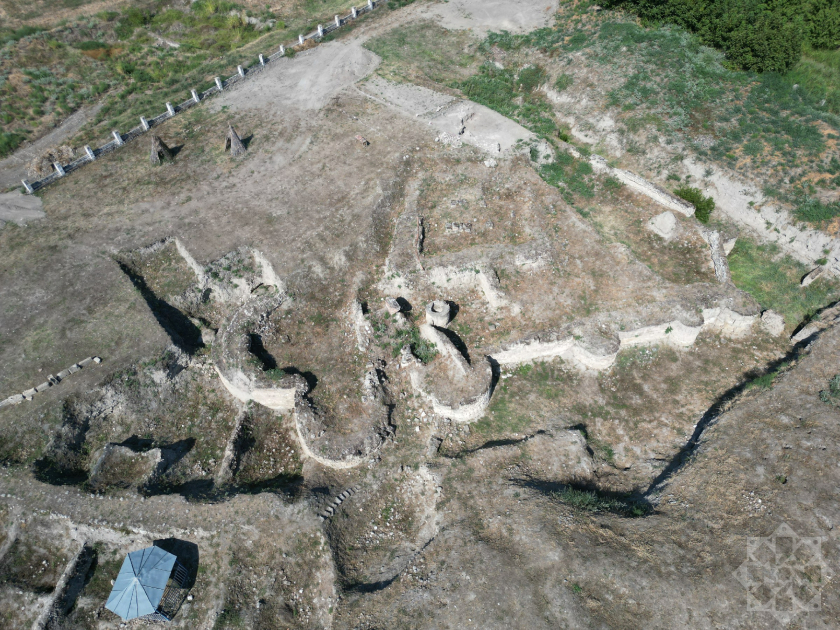
Archaeological excavations were conducted on both banks of the Shabran River. The excavations uncovered the remains of various structures and production facilities built of mudbrick, fired brick, river stone, and white limestone.
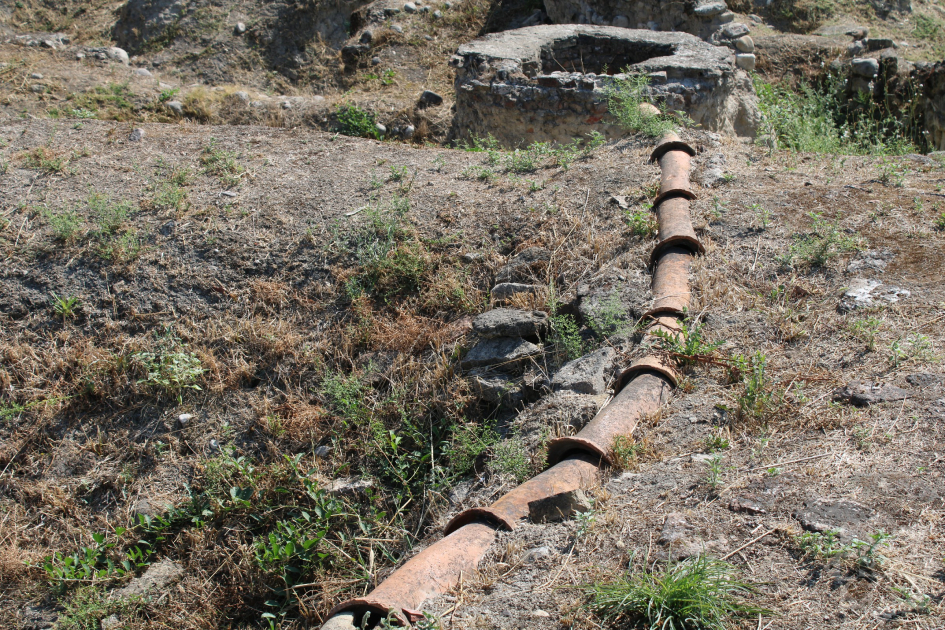
Most public buildings had floors paved with stone and brick. A 9th-century sewage system discovered at Shabran represents the first such archaeological find in Azerbaijan. The city was supplied with water from a spring located approximately 14 kilometers away through specially constructed conduits. Archaeological excavations have yielded considerable quantities of glazed and unglazed pottery, faience vessels, metal and glass artifacts, as well as gold, silver, and other decorative objects.
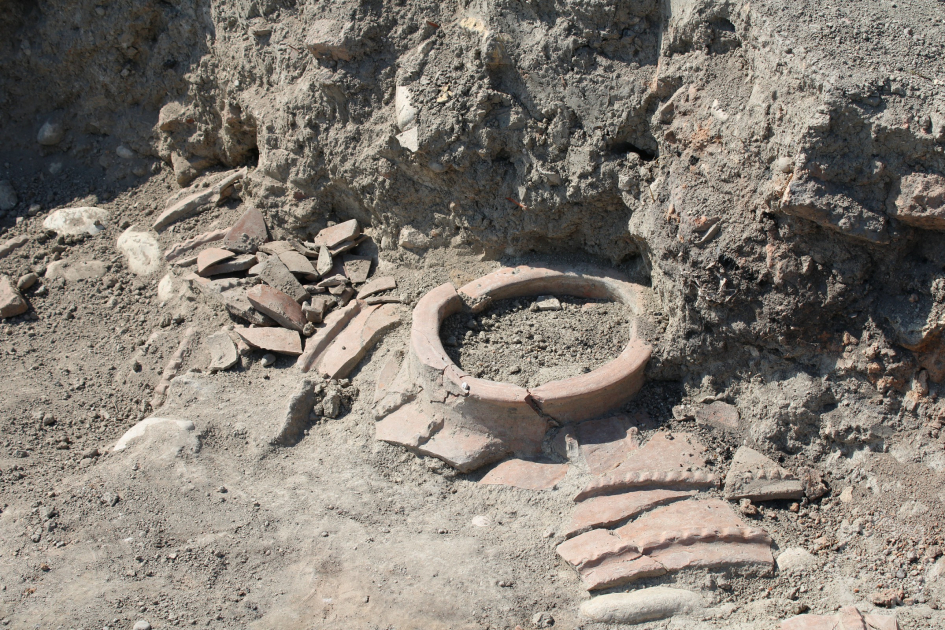
Among the remarkable discoveries at ancient Shabran are two of the twelve fortresses recorded in historical sources, a Zoroastrian temple, a mint, a prison, streets dating from the 11th to the 14th centuries, and entire craft quarters. Archaeologists have also unearthed nearly 3,000 numismatic specimens and unique archaeological artifacts for which no parallels have yet been identified in archaeological literature. Clay vessels and fired storage jars found at the site are considered particularly rare examples of medieval material culture. Shabran was also famous for its bread, rice, and a variety of other products.
In accordance with the Decree signed by President Ilham Aliyev on October 22, 2019, the territories of the “Chirag-Gala” and “Shabran City” historical reserves were incorporated into the “Chirag-Gala–Shabran” State Historical and Cultural Reserve.
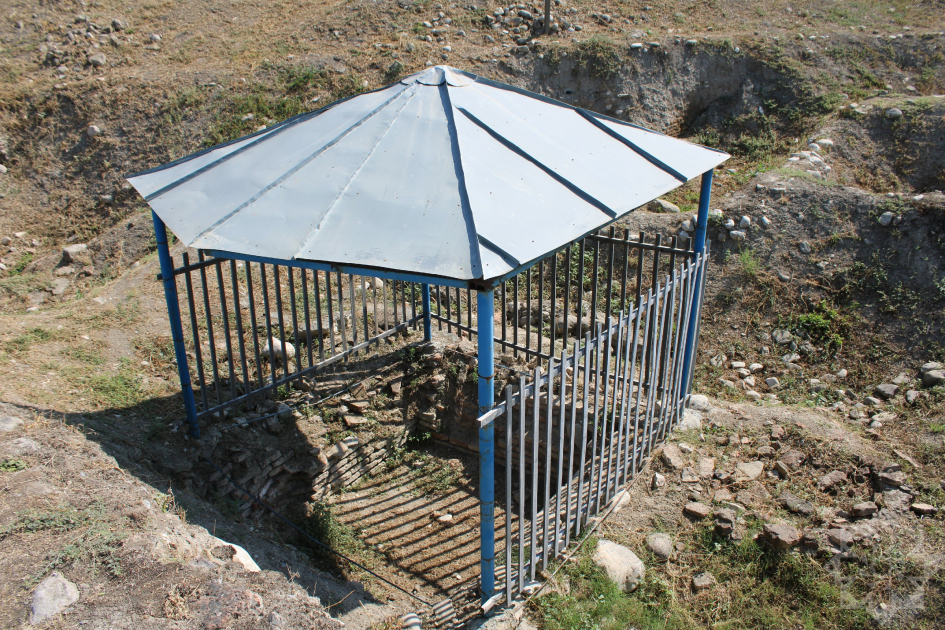
A new phase of archaeological research at the “Ancient Shabran” monument began in July 2026. Excavations have brought to light ceramic water pipes that once supplied the ancient city with water, a rare structure believed to have been an ovdan — a traditional underground water reservoir — or a storage facility, along with numerous other artifacts reflecting the city’s material culture.
The research is being carried out with the joint support of the State Service for the Protection, Development and Restoration of Cultural Heritage under the Ministry of Culture and the Institute of Archaeology and Anthropology of the Azerbaijan National Academy of Sciences (ANAS).

Other news in this section


