INTERVIEW with “Fly to Baku. Art Weekend” festival guest Zhang Ji
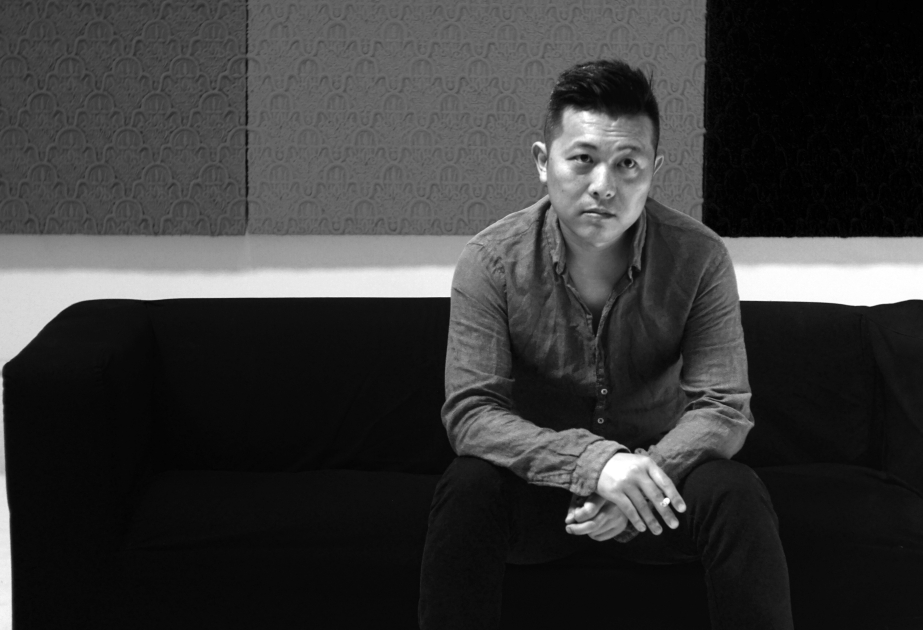
Chinese artist: Azerbaijan’s rich cultural synthesis has long captured my attention
Baku, October 8, AZERTAC
From October 30 to November 1, the “Fly to Baku. Art Weekend. Sense the Future NOW” festival, taking place in Baku for the second time, will present a diverse programme of international and Azerbaijani contemporary art projects at venues across the city.
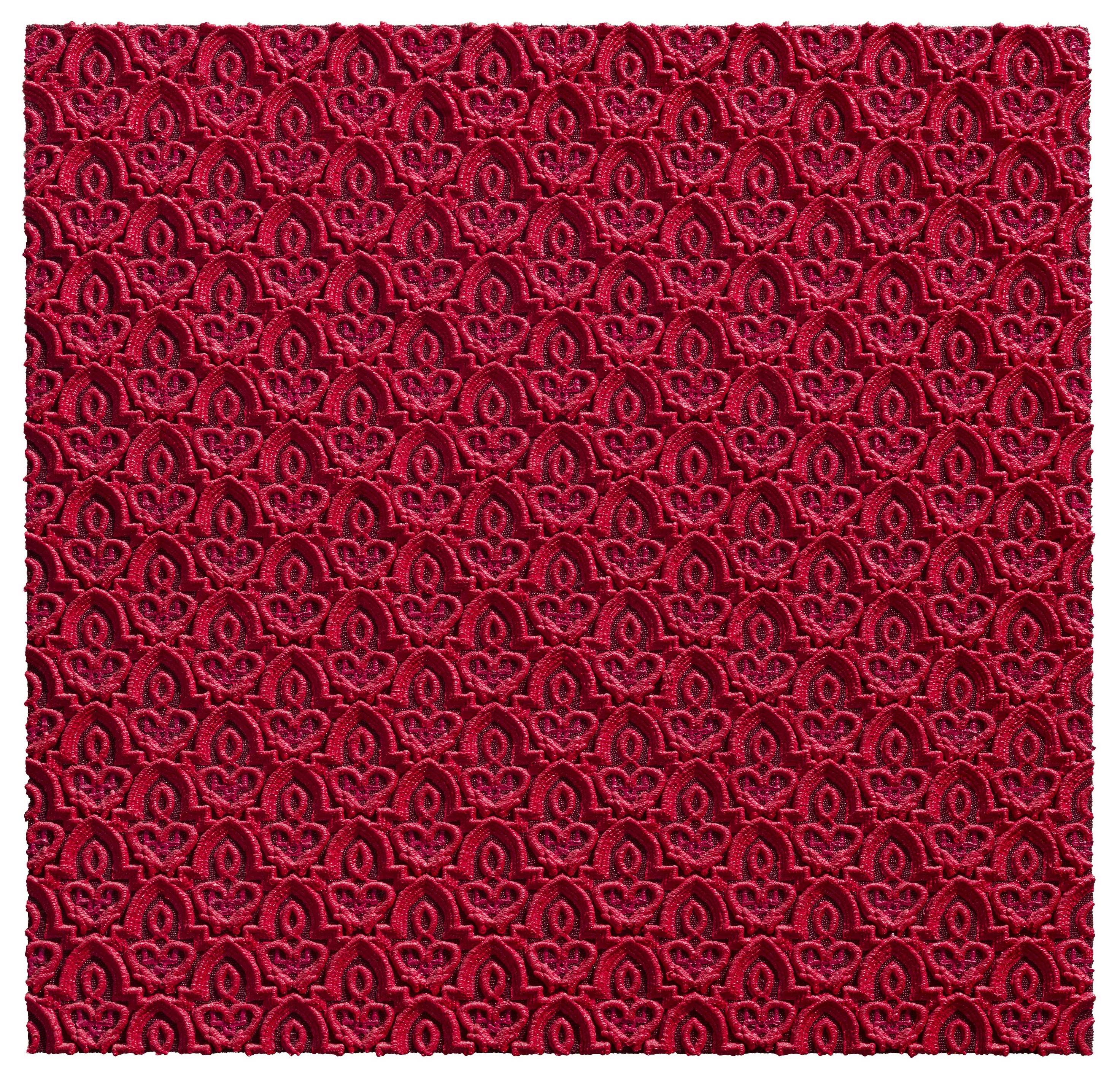
One of the programme’s key projects is a solo exhibition by Chinese artist Zhang Ji, presented at the Heydar Aliyev Center. In his The Skin of Truth series, Zhang Ji approaches religious architecture as a trace of an ancient truth that continues to resonate in the contemporary scientific and technological age. Drawing inspiration from architectural patterns found in mosques, synagogues, and cathedrals, the artist reinterprets them through the language of contemporary painting.
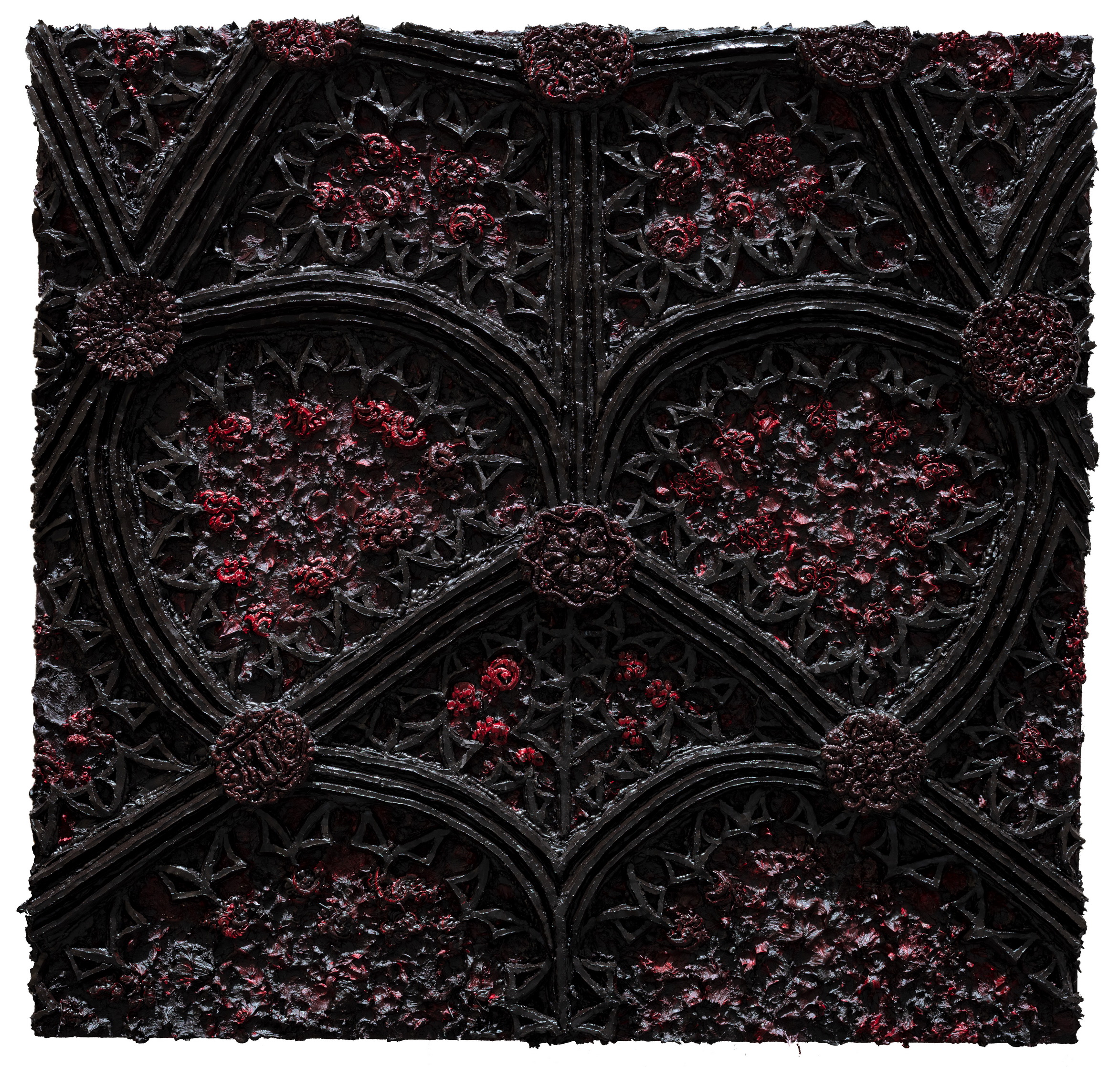
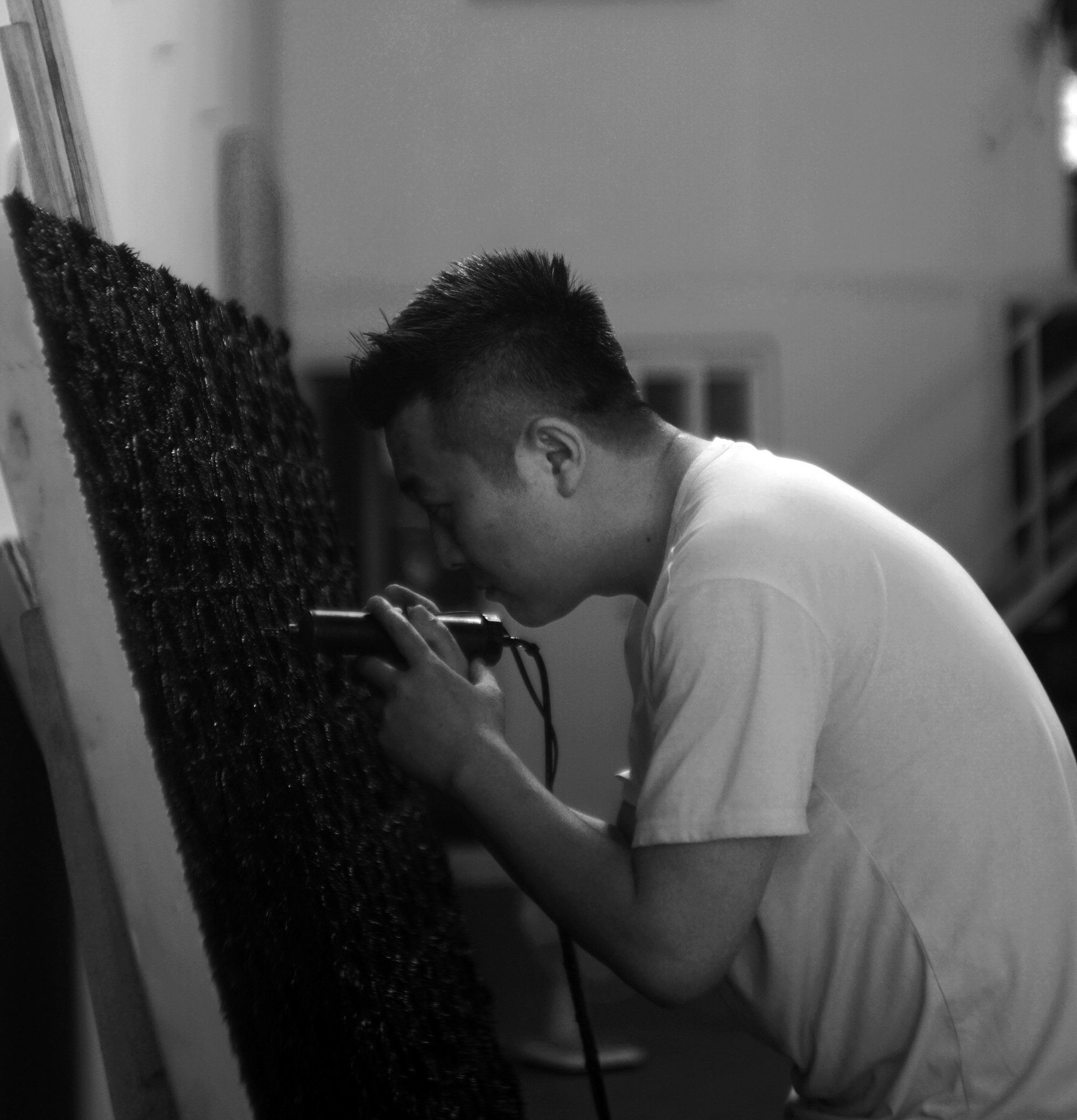
The process of creating the works is exceptionally time-consuming and demands great precision and patience. Zhang Ji applies paint to the canvas using a syringe, building each composition with meticulous delicacy. Some works require as many as 120 tubes of paint, each containing 170 millilitres. The resulting complex, repetitive patterns sometimes take on the appearance of bas-relief sculpture. The technique creates a compelling visual tension between solidity and transience, structure and disintegration.
In preparation for the “Fly to Baku. Art Weekend. Sense the Future NOW” exhibition, Chinese artist Zhang Ji answered questions from AZERTAC. We present the interview below.
- How has the visual language of mosque architecture influenced your artistic practice?
When I first began creating works in this style, I did not have a specific subject in mind. It was a kind of "Maximalist" abstract painting, with infinite repetition that resembled textile textures. The decorative patterns of mosque architecture gave rise to artistic associations and intellectual resonance for me.
- What inspired the core concept behind the artwork “The Skin of Truth”?
During my trip to southern Spain, the overwhelming experience I had at the Alhambra and the Mosque-Cathedral of Córdoba led me to use "The Skin of Truth" as the title of this series. In fact, "The Skin of Truth" was a line from a poem I wrote at that time.
- What does it mean to you to recontextualize elements of sacred architecture through the language of contemporary painting?
To me, recontextualizing elements of sacred architecture through the language of contemporary painting is connected to my long-standing curiosity about ancient human behavior and logic. I believe history is a methodology, not a collection of stories. Sacred religious architecture represents humanity's ultimate pursuit of truth and pure devotion, which is consistent with the artistic logic I pursue.
- How do you explore the concepts of repetition and infinity in your work?
Infinite repetition is my attempt to move in the opposite direction from the proliferation of individual styles. If "infinity" refers to the universe, then "repetition" points to cycles.
- What does presenting your work as part of Art Weekend 2026 mean to you against the backdrop of Baku’s rich architectural heritage and Azerbaijan’s layered cultural environment?
Since ancient times, as a crossroads of Eurasia, Azerbaijan has always been a hub where Eastern and Western civilizations meet. Its layered cultural interweaving has long made it a place I yearn for. To present my work here as part of Art Weekend 2026 is a dream moment for me and an important milestone in my artistic career.
Other news in this section


