Jeju Island: a hidden gem of tranquility and eco-friendly charm with melancholic history
Baku, May 7, AZERTAC
South Korea’s Jeju Island, recently made internationally popular by the Netflix show When Life Gives You Tangerines, has quickly emerged as a promising eco-friendly tourist destination with a rich and melancholic history.
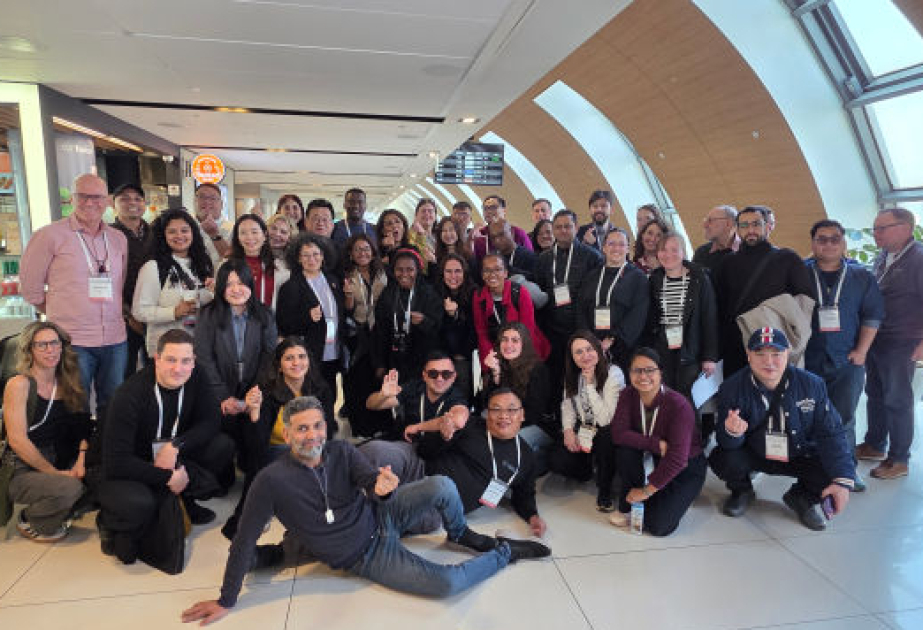
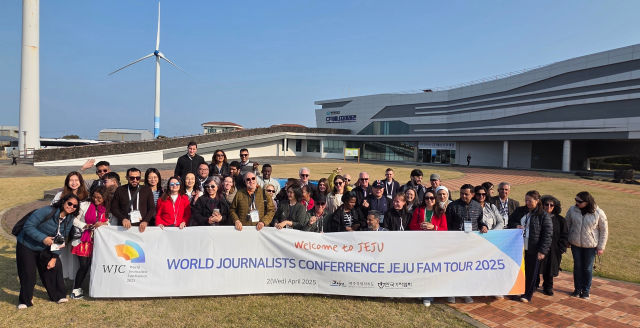
Our group, made up of journalists from around the globe attending the World Journalists Conference in Korea 2025, had never heard of this secret paradise before. Our cheerful guide, Sharon, explained, the record-breaking Netflix show When Life Gives You Tangerines was filmed right here on this island. Still, even with its global popularity, many of us, busy journalists were completely unfamiliar with the show.
I intentionally refrained from researching Jeju before the trip, hoping to experience the island’s magic with fresh, unbiased eyes. I felt confident that I'd enjoy it, as islands have a way of offering an escape from the chaos of daily life. The allure of stepping away from hectic schedules, endless rushes, and the ever-evolving doom-and-gloom scenarios is always tempting. An island offers a break from the world, allowing you to momentarily leave all the world’s troubles behind.
From the first moment we stepped out of the airport, the scent of cherry blossoms attacked us. March and April are the perfect months to witness the island’s stunning cherry blossoms, but Jeju offers something unique for every season. In the summer, its sunny beaches beckon; autumn brings a whimsical charm, and winter is marked by lively New Year festivities, making the island an attractive year-round destination.
Sharon explained that Jeju is often called "Samdado," or “Island of Three Manys”—referring to its abundance of rocks, women, and wind. I would also add "water" to this list of magical elements.
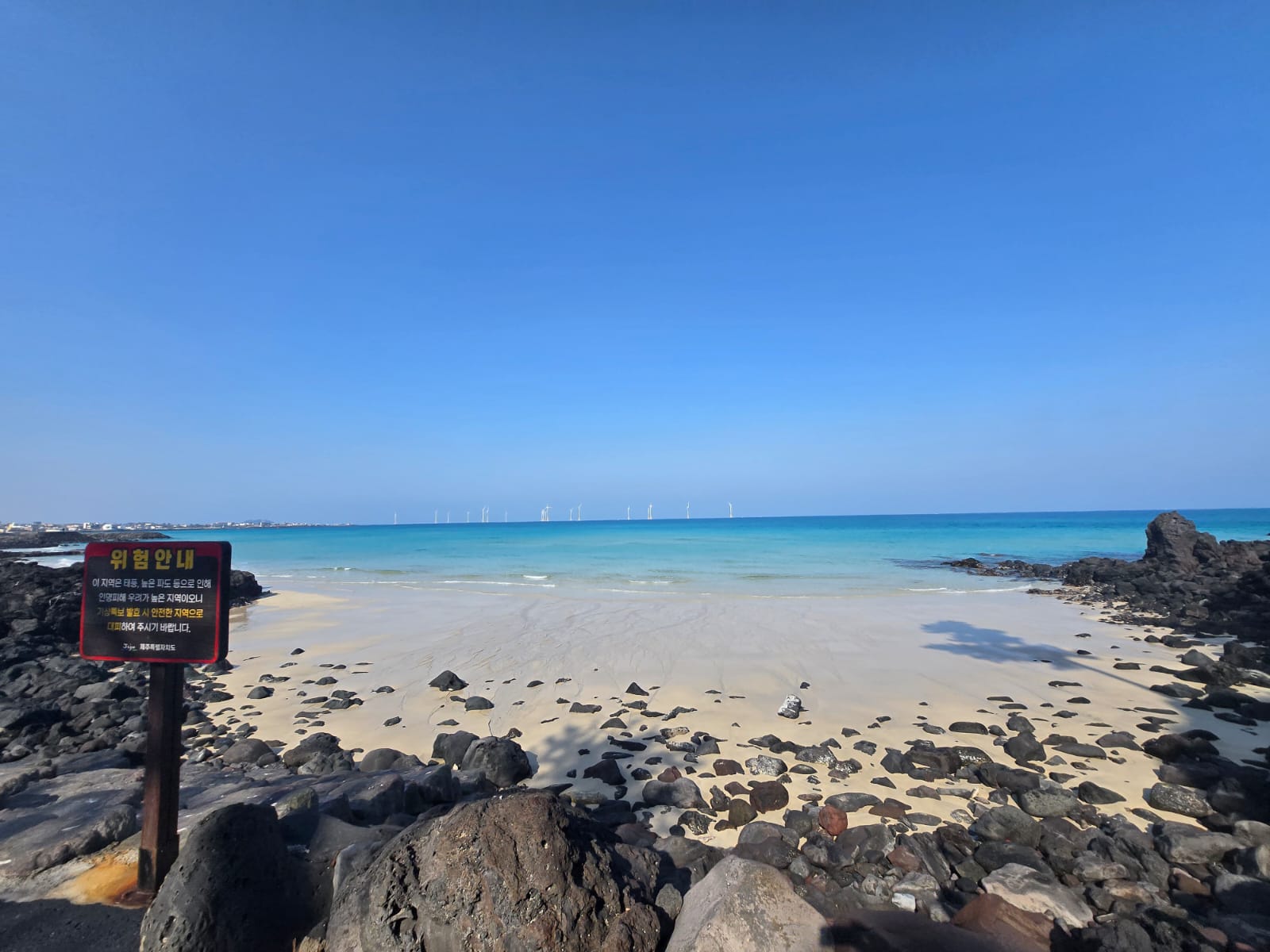
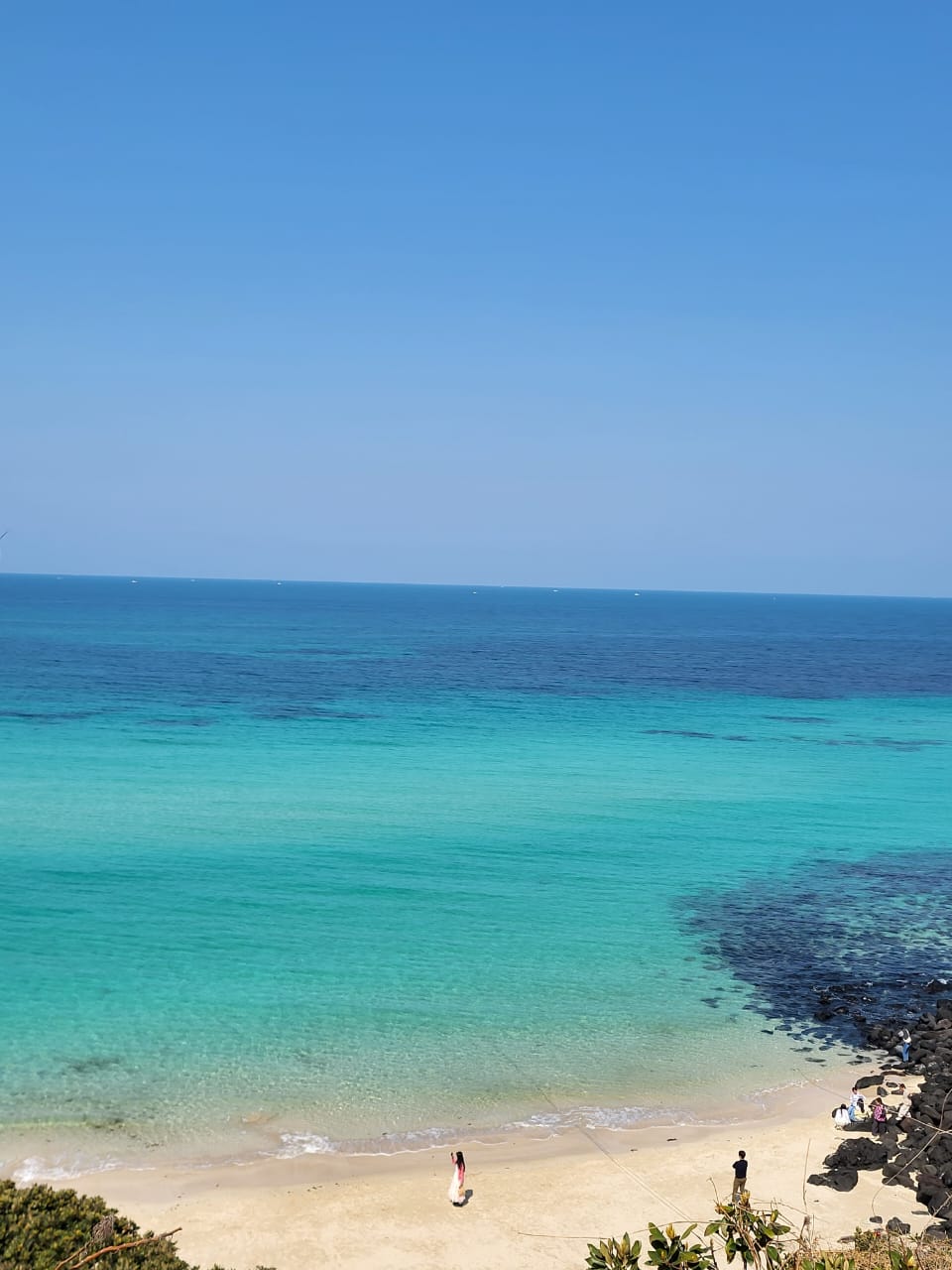
One of the most unforgettable moments of our trip was walking the Handam Coastal Trail. The 1.2-kilometre path stretches from Gwakji Beach to Handam Beach and is considered one of Jeju Island's most enchanting coastal routes.
As we delved deeper into the island's culture, we discovered the fascinating history of the Haenyeo, or the Sea Women of South Korea. These female divers have a revered place in Jeju’s history. Today, the oldest Haenyeo are over 80 years old, with most of them being over 60. Jeju’s Haenyeo are part of a matriarchal society that values and fiercely protects the environment. These women sometimes dive for five or six hours, even in the winter, harvesting abalone, clams, seaweed, sea cucumbers, sea urchins, and squid.
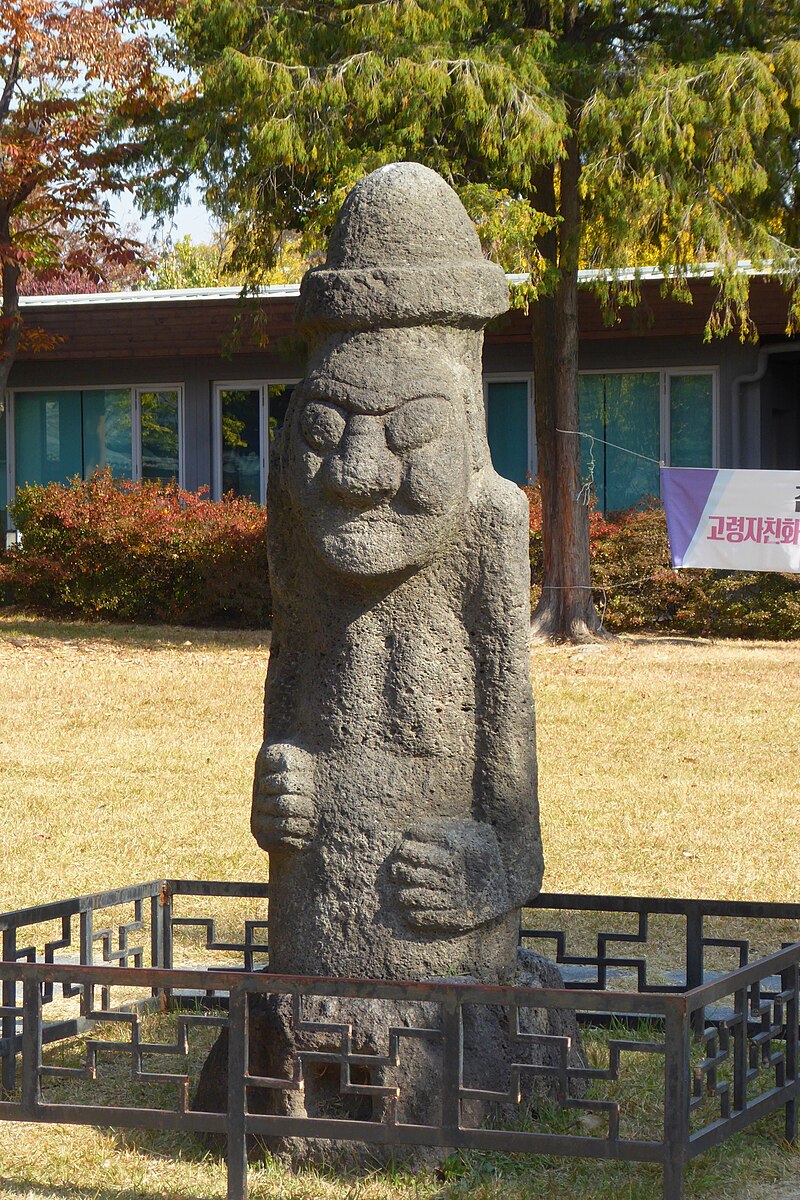
We also learned about the sacredness of Jeju's rocks, particularly at the Stone Park, which showcases the island’s famous Dol Hareubang statues—stone figures known as "stone grandfathers." Jeju Island’s volcanic origin, shaped through four stages of volcanic activity between 1.2 million and 250,000 years ago, explains why these stones hold such significance.
The island’s volcanic bedrock water is also believed to have healing properties, and we had the chance to taste it during our journey. By the end of the trip, I could distinctly tell the difference between regular water and Jeju’s volcanic water, which had a unique, refreshing taste.
As we continued our exploration, we marveled at Jeju’s commitment to sustainability. The island is a growing eco-hub, evidenced by the hydrogen-powered bus that we had a chance to test. Jeju’s winds fuel 18 windmills, and the Gasiri Wind Power Plant is a must-see, particularly in the spring when it’s perfect for taking photos in the beautiful scenery. The island is actively working towards a carbon-neutral future, integrating renewable energy, electric vehicles (EVs), smart grids, and microgrids.
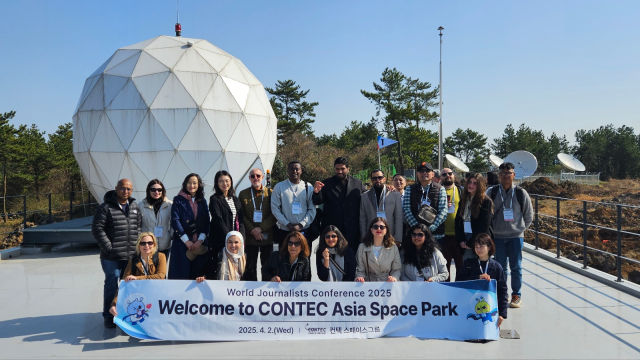
Jeju has also made strides in the field of space technology. The island has been designated as an investment promotion zone, with the Global Ground Station Space System Network Provider—CONTEC—playing a key role. Jeju is home to ASP (Asian Space Park), Korea’s largest private spaceport complex, which supports low Earth orbit satellites. This cutting-edge facility hosts antennas from overseas space companies, including KSAT (Kongsberg Satellite Services) from Norway and RBC (Cyber Security Center) from the U.S.
As our journey through this fascinating island came to an end, I realized that it was impossible to fully absorb all that Jeju has to offer in such a short time. The peaceful atmosphere and natural beauty urged me to return to Jeju. In an attempt to curb my post-visit nostalgia, I promised myself to watch When Life Gives You Tangerines and experience the island's charm once again through the show. But more importantly, I vowed to return for a longer stay and fully immerse myself in Jeju’s tranquil vibe.
Other news in this section


