Western Balkans freight carriers protest new Schengen drivers’ stay rules with border blockades
Baku, January 26, AZERTAC
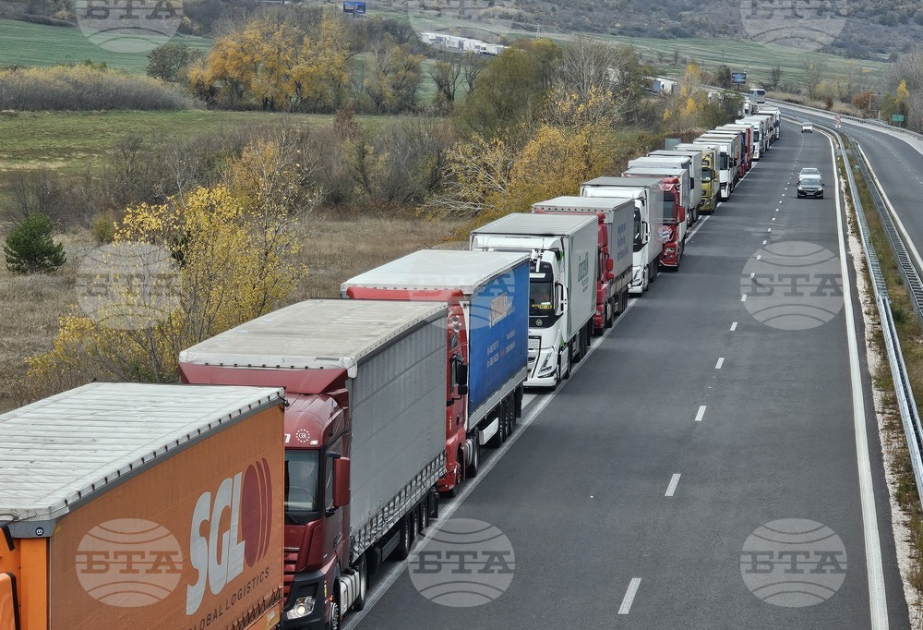
Representatives of associations of international road freight carriers from Serbia, Montenegro, Bosnia and Herzegovina and the Republic of North Macedonia have announced a protest at border crossings with neighbouring Schengen countries, including Bulgaria, scheduled for Monday, according to the Bulgarian News Agency (BTA).
The protest is being organized in response to restrictions limiting the stay of professional drivers in Schengen countries to a maximum of 90 days within a six-month period, under the new Entry/Exit System (EES) 90/180 rule, introduced in early October 2025. Carriers argue that the new regulation will severely hamper their operations.
According to the organizers, the aim of the protest is to draw attention to the long-term consequences of the new rule for the economies of the European Union Member States that have signed the agreement, as well as for countries not covered by it, once strict enforcement begins on April 10.
The carriers’ associations said that the protest would continue until the issue is resolved, Montenegro’s daily Vijesti reported.
The Ministry of Interior of the Republic of North Macedonia announced that the passage of freight vehicles will be blocked Monday from 12:00 pm (1:00 pm Bulgarian time) at the border crossings Deve Bair, Delchevo and Novo Selo (on the border with Bulgaria); Dojran, Bogorodica and Medzhitlija (on the border with Greece); Kafasan and Blato (on the border with Albania); and Blace (on the border with Kosovo).
The protest will halt the movement of freight vehicles, while passenger traffic will continue without interruption at all border crossings, the North Macedonian Interior Ministry said.
According to the organizers, the protest is planned to last up to seven days, with the possibility of ending earlier if the reasons for it are resolved in the meantime, the Ministry added.
The authorities urged citizens and transport operators to monitor the situation at border crossings, follow official information and, if necessary, use alternative border routes.
Other news in this section


