4th International Conference in Baku Dialogue format on Missing Persons adopts Final Declaration


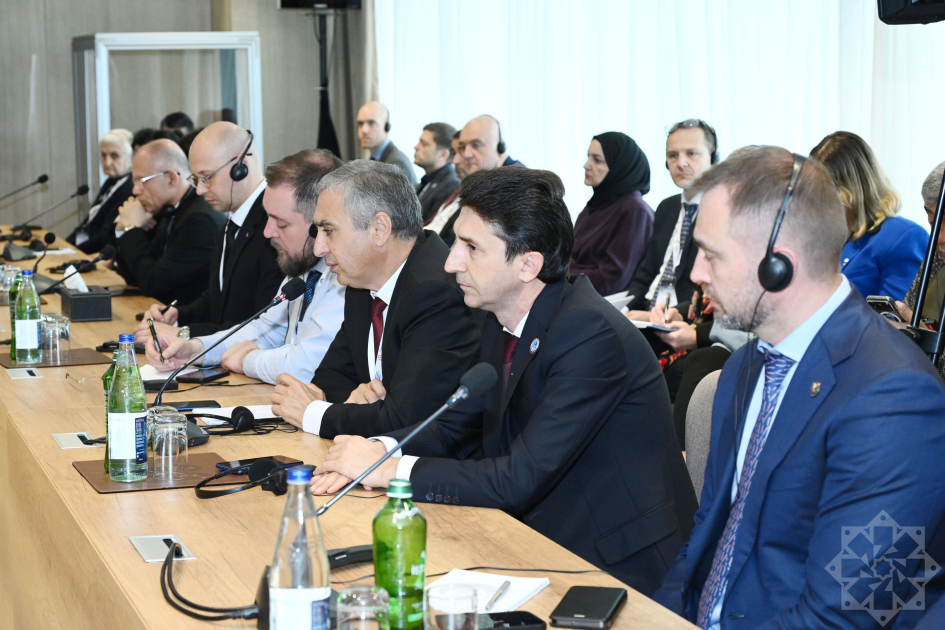
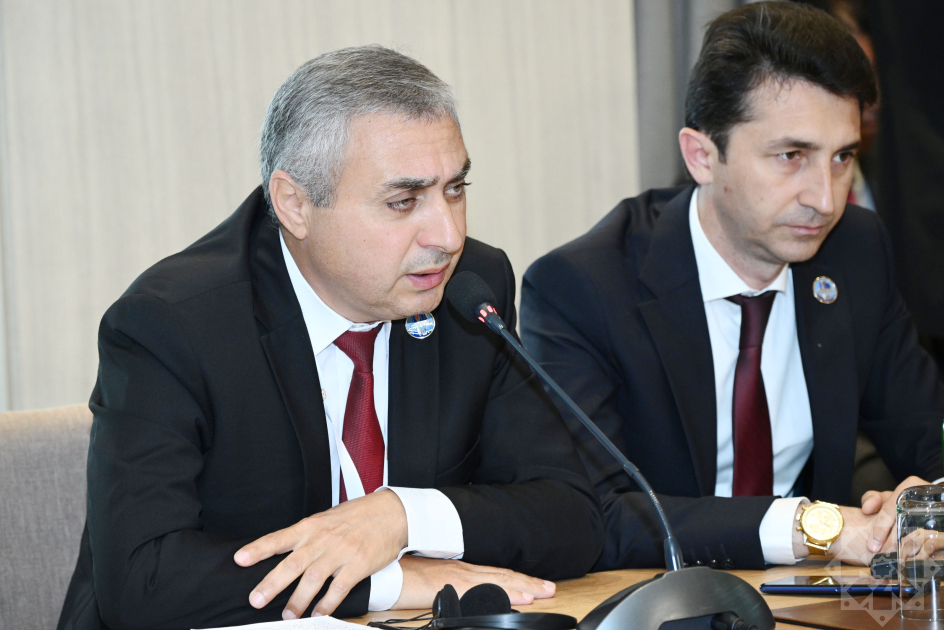
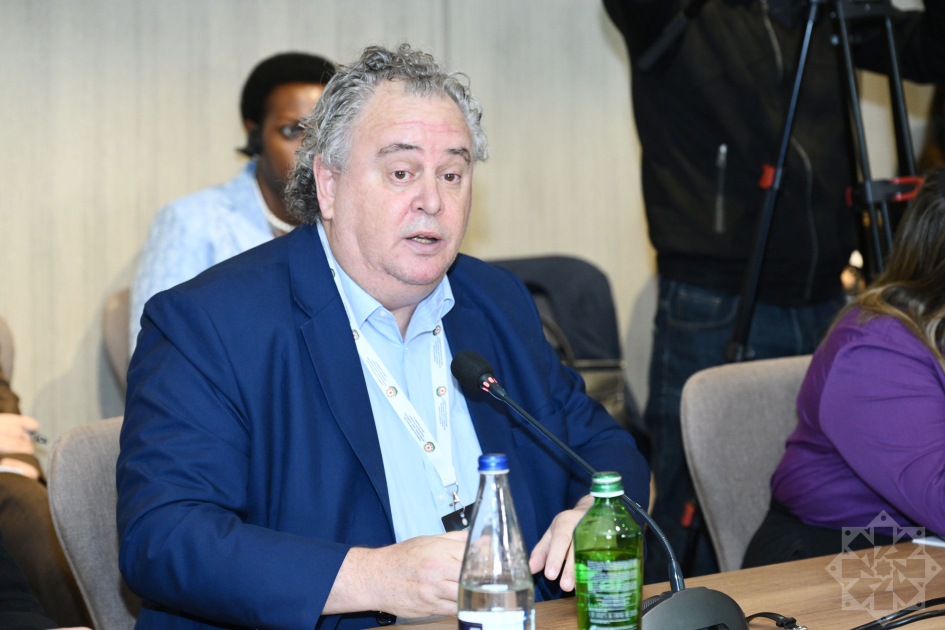

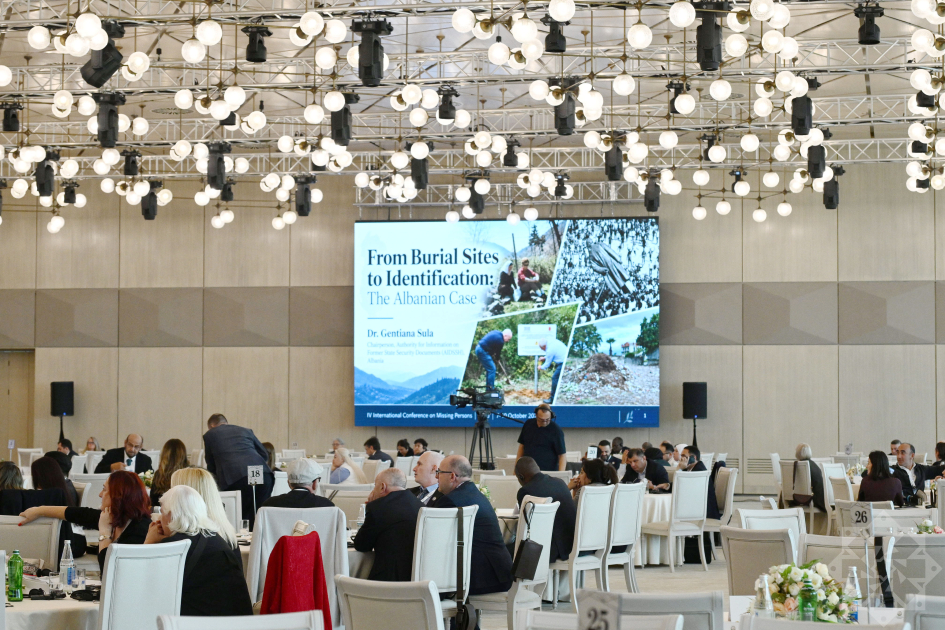
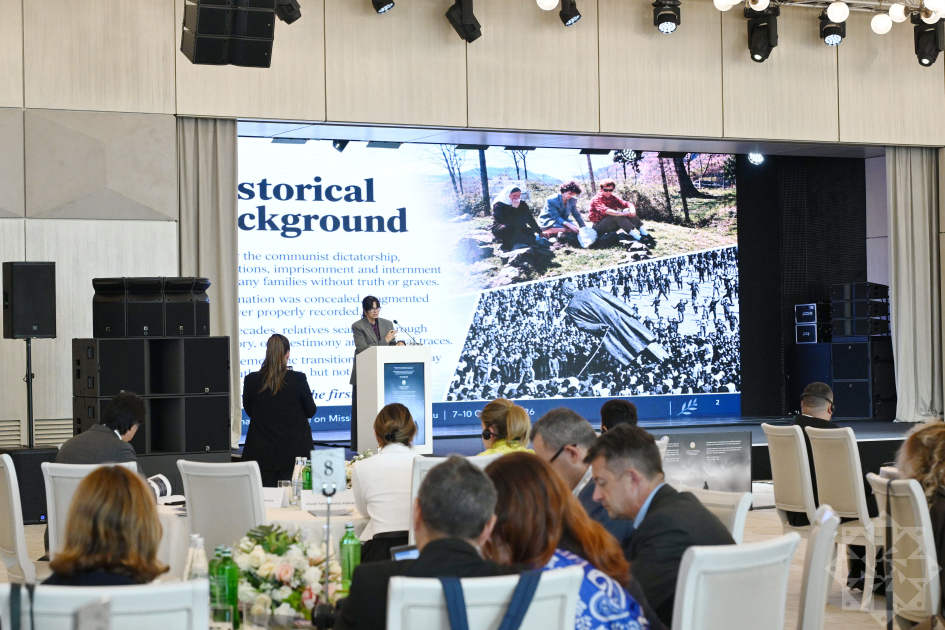
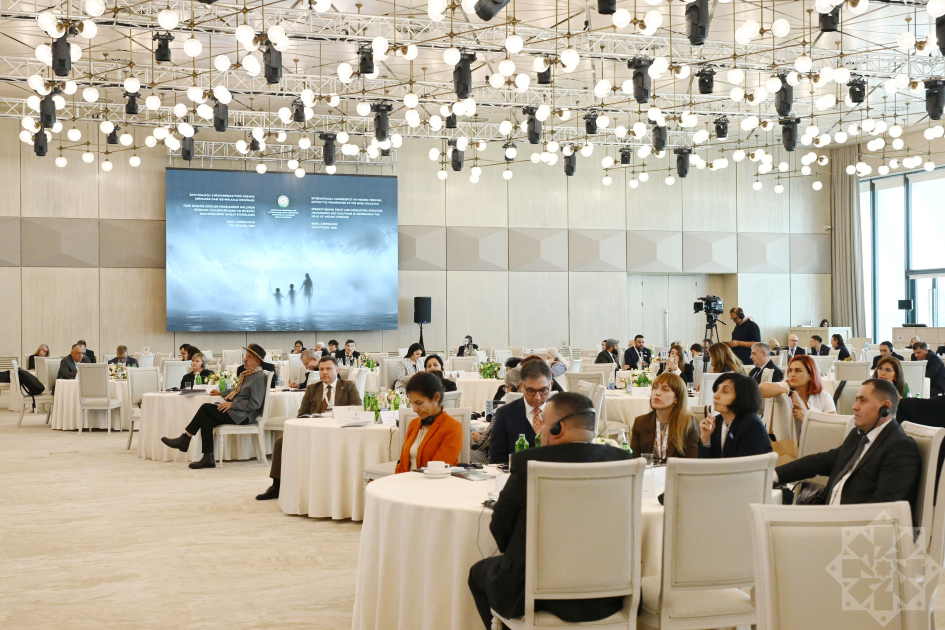
Baku, October 8, AZERTAC
The 4th International Conference in the Baku Dialogue format on “Strengthening Trust and Developing Effective Mechanisms in Addressing the Issue of Missing Persons” in Baku featured the adoption of a final declaration on October 8.
The declaration reads: “We, the participants of the International Conference on “Strengthening Trust and Developing Effective Mechanisms and Solutions in Addressing the Issue of Missing Persons”, held from 7 to 10 October 2026 in Baku, Republic of Azerbaijan, within the Baku Dialogue on Missing Persons, declare the following:
Guided by the Geneva Conventions of 12 August 1949 for the protection of war victims and the Additional Protocols thereto of 1977, as well as the resolutions of the United Nations General Assembly and Security Council on missing persons,
Recalling the obligation of States to take all measures to account for persons reported missing as a result of armed conflict;
Expressing deep concern over the growing number of mass graves discovered in different parts of the world;
Reaffirming the right of families to know the fate of their missing relatives;
Underlying the importance of the resolution of cases of missing persons for confidence building and reconciliation as well as the establishment of a sustainable peace;
Recalling the obligations of States to respect and ensure respect for international humanitarian law and international human rights law;
Taking into account the contribution of the Baku Dialogue on Missing Persons to raising awareness and encouraging practical cooperation on this humanitarian issue;
1. Urge States to take all measures to prevent persons from going missing, to search and account for persons reported missing, and to provide families with information on the fate of the missing.
2. Call upon States to share all available information relevant to locating and identifying missing persons, including records concerning individual and mass burial sites.
3. Emphasize the importance of the safe, dignified and scientifically sound recovery, documentation, identification and return of human remains, and of preserving records and evidence relevant to clarifying the fate of missing persons.
4. Commend the efforts of relevant state entities in a number of countries in identifying human remains and ensuring their dignified burial.
5. Reaffirm the right of families to know the fate of their relatives reported missing in connection with armed conflict.
6. Express concern that landmines and other explosive ordnance can impede search and recovery efforts.
7. Invite States, international and non-governmental organizations to enhance cooperation for addressing the issue of missing persons through exchange of best practices and delivering technical recommendations, inter alia, by the use of forensic sciences and other emerging technologies.
8. Also reiterate its call to international organizations, in particular the United Nations, to facilitate the establishment of a mechanism specifically to address the issue of persons missing as a result of armed conflict and express readiness to engage with the UN to this end.
9. Commend the work of the Baku Dialogue on Missing Persons, which has become an increasingly important platform for sharing experience, building trust and advancing practical cooperation directed towards answers for families.
10. Express gratitude to the State Commission of the Republic of Azerbaijan on Prisoners of War, Hostages and Missing Persons for organizing the Conference and providing a forum for constructive discussion of national and international efforts to clarify the fate of missing persons.”
The conference’s second day featured panel discussions titled “Addressing missing persons in peace processes: humanitarian cooperation and confidence-building measures”; “From burial sites to identification: national approaches and best practices”; and “Beyond the search: the long-term impact of disappearance on families and communities”.
Other news in this section


