Baku Engineering University holds open lessons on Khojaly genocide
Baku, February 26, AZERTAC
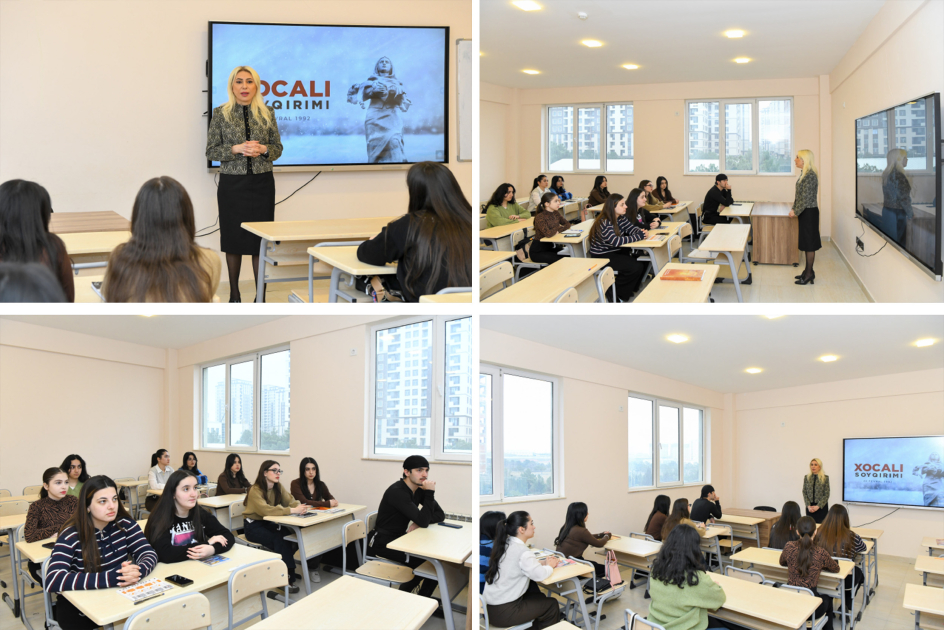
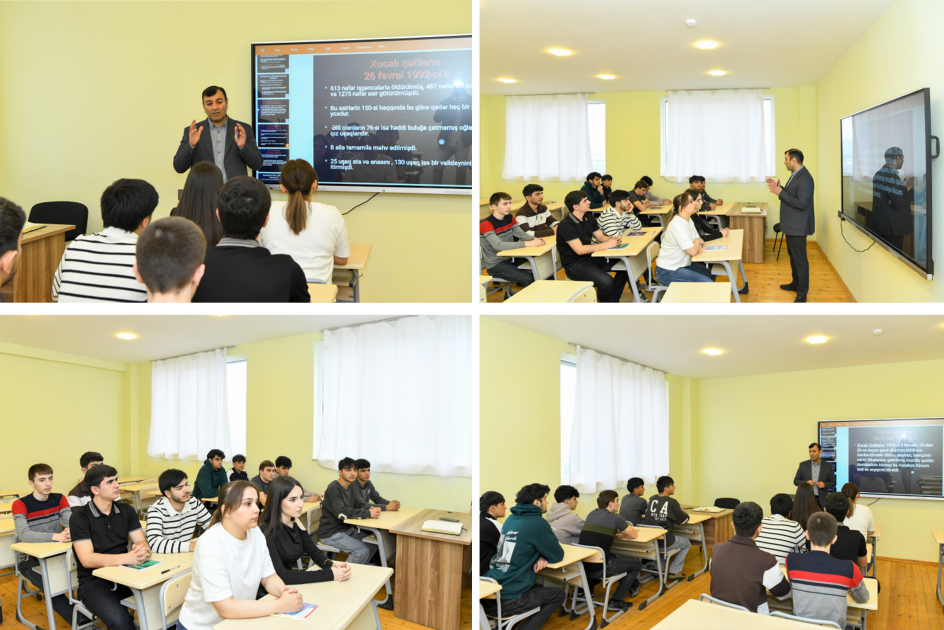
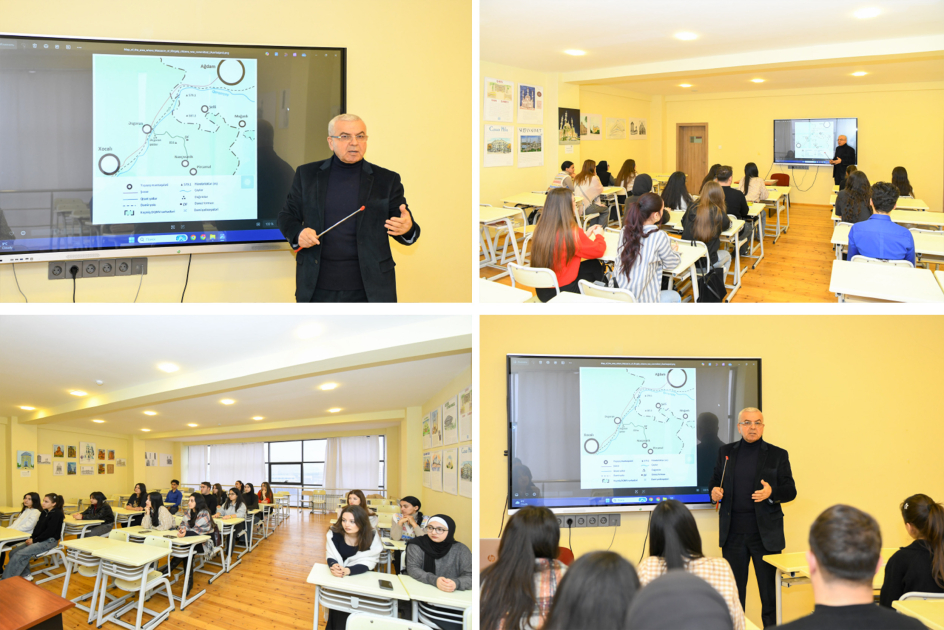
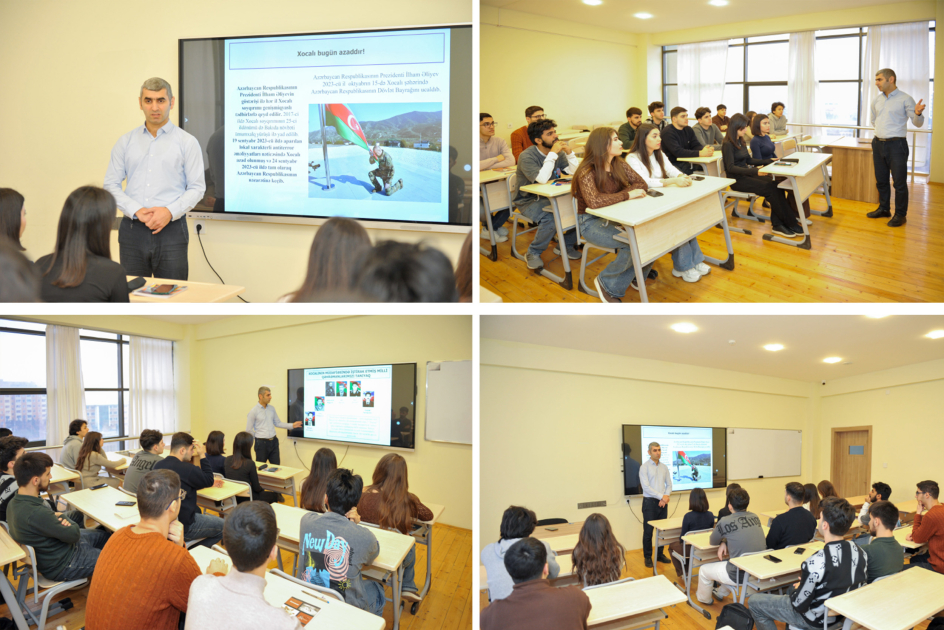
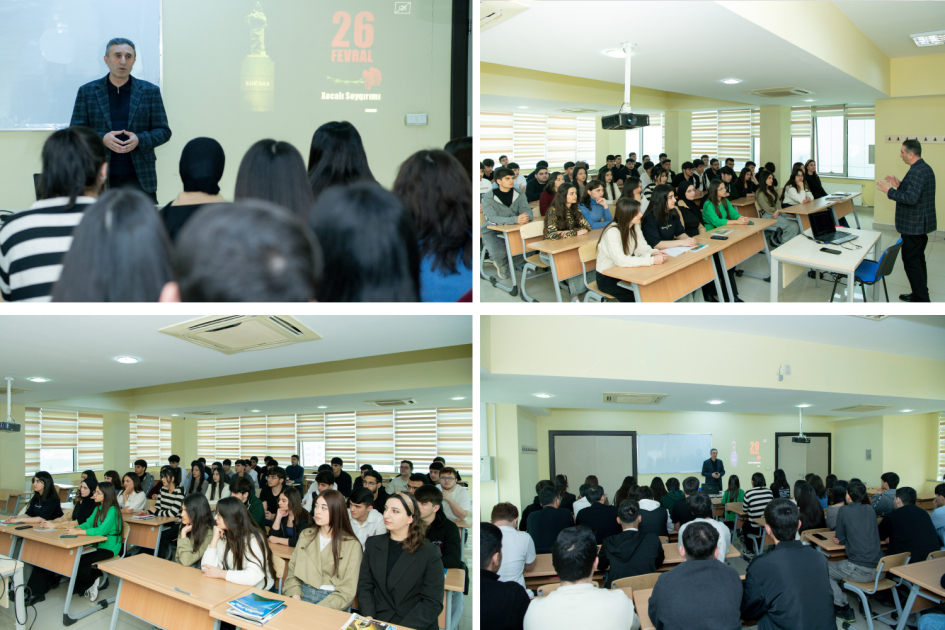
A series of open lessons dedicated to the Khojaly genocide was organized for students at Baku Engineering University (BEU). The lessons featured a comprehensive, fact-based analysis of the historical and political significance of the Khojaly tragedy, its causes, and its grave consequences.
The speakers noted that the Khojaly genocide, which took place during the night of February 25–26, 1992, constitutes a grave crime against humanity. It was emphasized that this mass massacre of civilians must be recognized not only as a flagrant violation of the norms and principles of international humanitarian law but also as a crime against all of humanity.
Special attention was drawn to the fact that the true nature of this horrific genocide was brought to light only after the return of National Leader Heydar Aliyev to political power in 1993. This was followed by the National Assembly's political and legal assessment of the tragedy in February 1994 and the declaration of February 26 as the "Day of Khojaly Genocide and National Mourning."
It was also noted that historical justice was restored during the 44-day Patriotic War in 2020 through the far-sighted policy of President and Victorious Supreme Commander-in-Chief Ilham Aliyev and the heroism of the powerful Azerbaijani Army. Furthermore, the territorial integrity and sovereignty of the country were fully reinstated as a result of the one-day anti-terror measures conducted in September 2023, during which Khojaly was liberated from separatists.
The speakers underscored that the Khojaly genocide has left indelible marks on the historical memory of the Azerbaijani people and that sustained efforts toward securing international recognition of the tragedy are of paramount importance. They highlighted a particularly crucial responsibility of the younger generation: the need to counter the falsification of historical truths with scientific arguments and to uphold positions grounded in facts. It was noted that the preservation of national memory, honoring the memory of martyrs, and the strengthening of civic consciousness are priority directions for higher education institutions.
During the open lessons, which served to foster a spirit of patriotism among young people, students shared their views on the subject, asked detailed questions, and engaged in discussions.
Other news in this section


