Baku's sustainable city model discussed at WUF13
Baku, May 19, AZERTAC
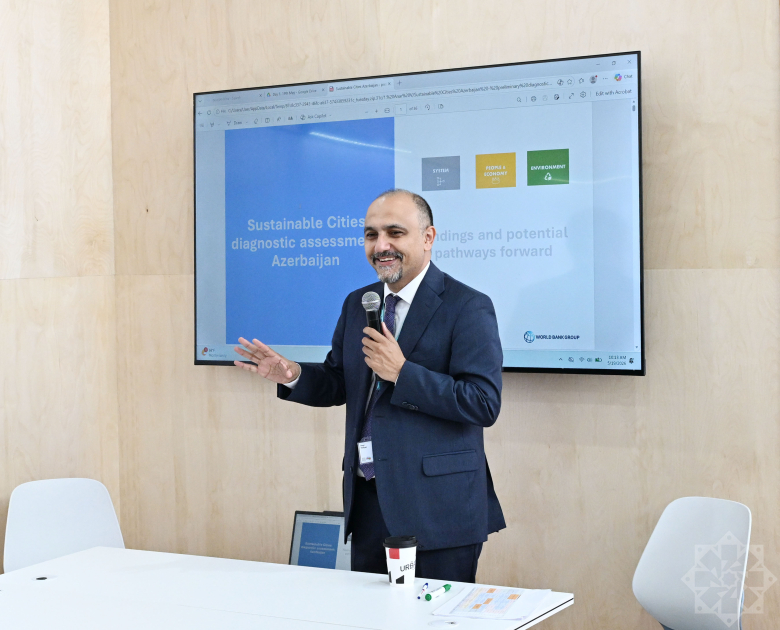
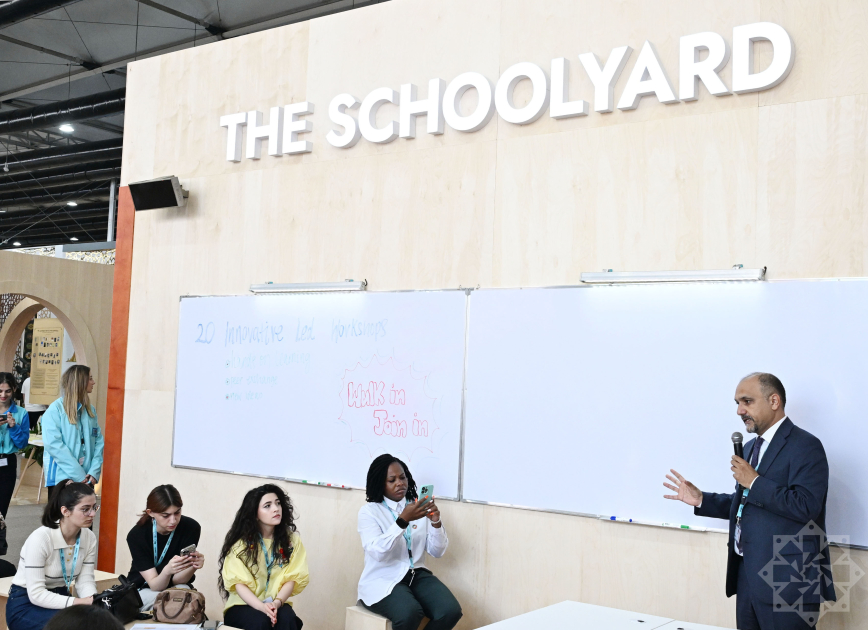
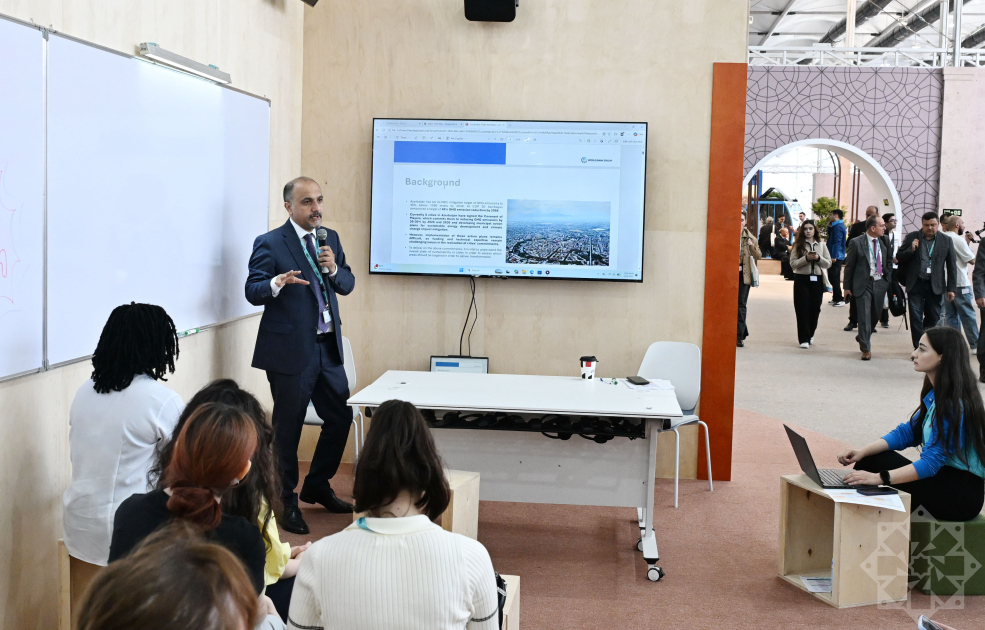
Within the framework of WUF13, an event themed “Toward a Green, Resilient, and Inclusive Recovery: Applying the Sustainable Cities Implementation Framework in Azerbaijan” was held on May 19.
The event focused on applying principles of sustainability and inclusivity within the context of Baku's urban planning and housing policy, improving existing planning approaches, and exploring opportunities for transitioning to more agile management models.
Organized by Anar Valiyev, an associate professor at ADA University, the central discussion question of the event was: "Does Baku's housing and planning system require a more decentralized approach to achieve sustainability and inclusivity?"
In his speech, Anar Valiyev stated that global challenges in urban planning are on the rise, noting that rapid urbanization, population growth, and climate change directly impact urban development strategies. According to him, modern city management should not be limited solely to infrastructure expansion, but must also incorporate principles such as social justice, accessibility, and inclusivity.
He noted that in rapidly developing cities like Baku, housing provision and planning systems must be built upon more balanced and flexible mechanisms. He specifically highlighted that a centralized management model can, in some cases, slow down the decision-making process; therefore, he emphasized the importance of a multi-level, coordinated approach rooted in greater local participation.
The presentation also brought to light that urban development should not be measured only by physical construction and infrastructure projects, but also by social integration, quality of life, and the accessibility of public spaces. The associate professor stated that strengthening cooperation among the state, private sector, and academia is crucial for a sustainable city model.
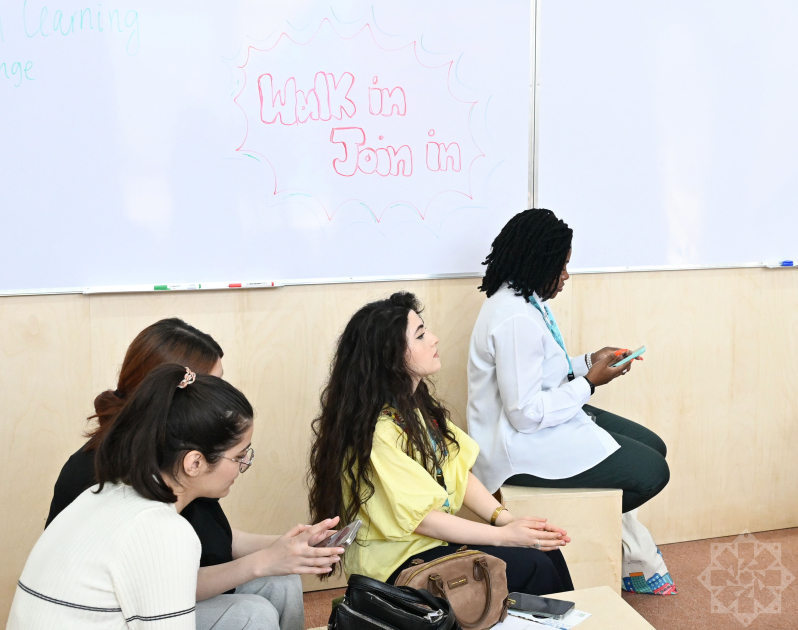
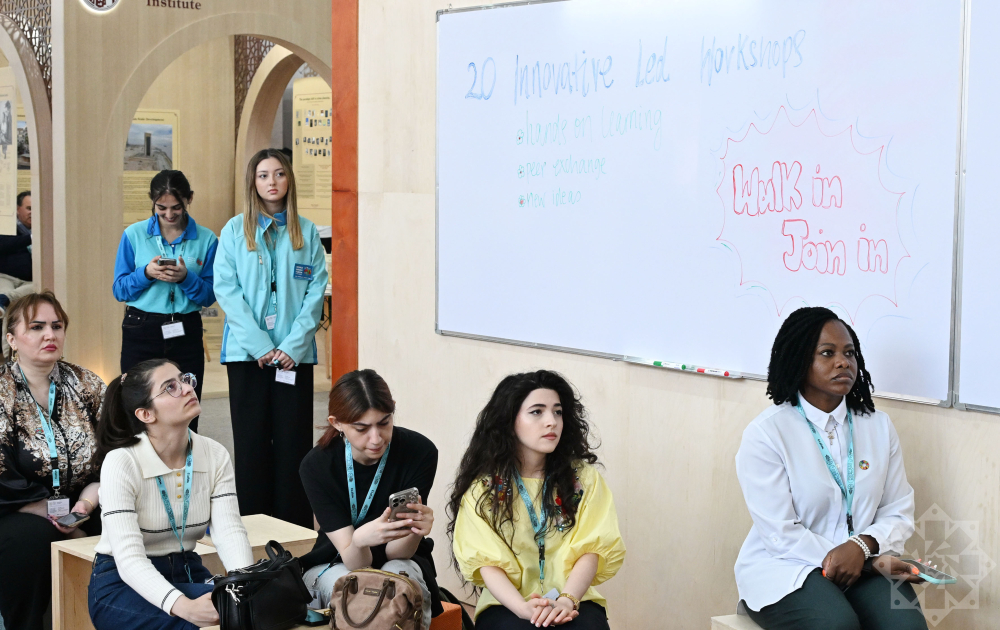
Continuing in a Q&A format, participants analyzed Baku's current urban planning approaches and exchanged views on potential reform directions for transitioning to a more sustainable city model. Specifically, issues such as expanding inclusive approaches in housing policy, developing urban peripheries, and ensuring the equitable distribution of public services came to the forefront.
Other news in this section


