National Ministerial Statements at WUF13 – Ministerial meeting held on implementation of New Urban Agenda
Baku, May 17, AZERTAC
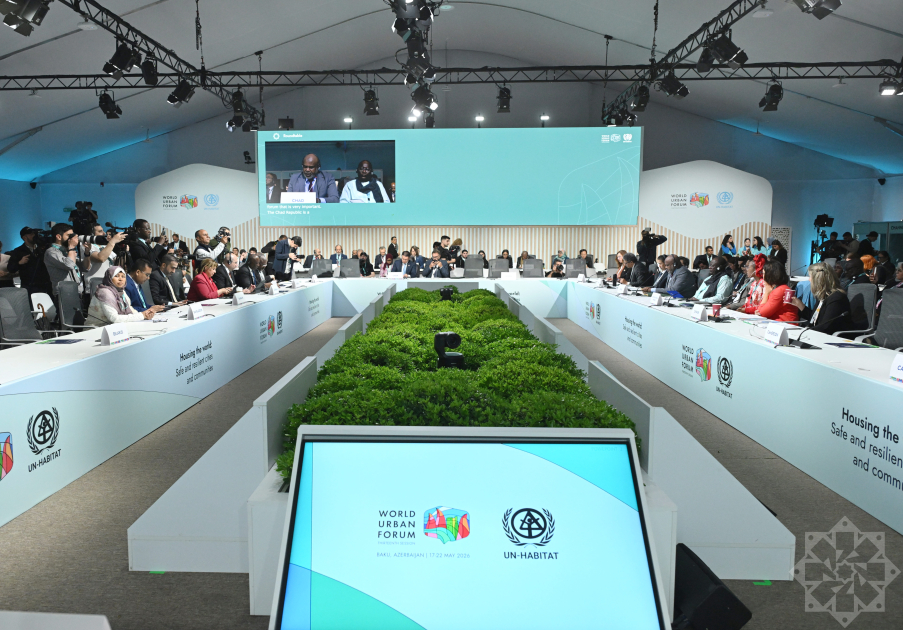
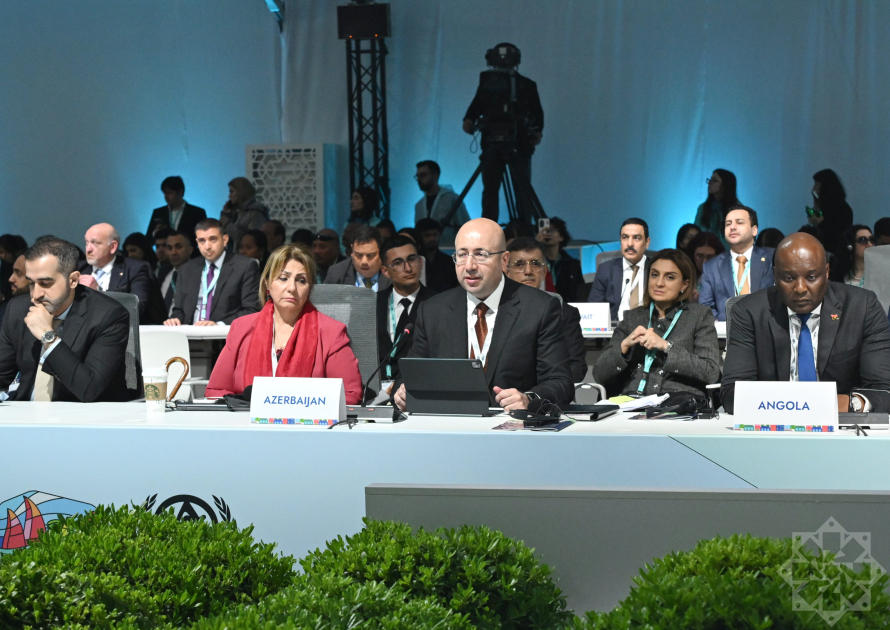
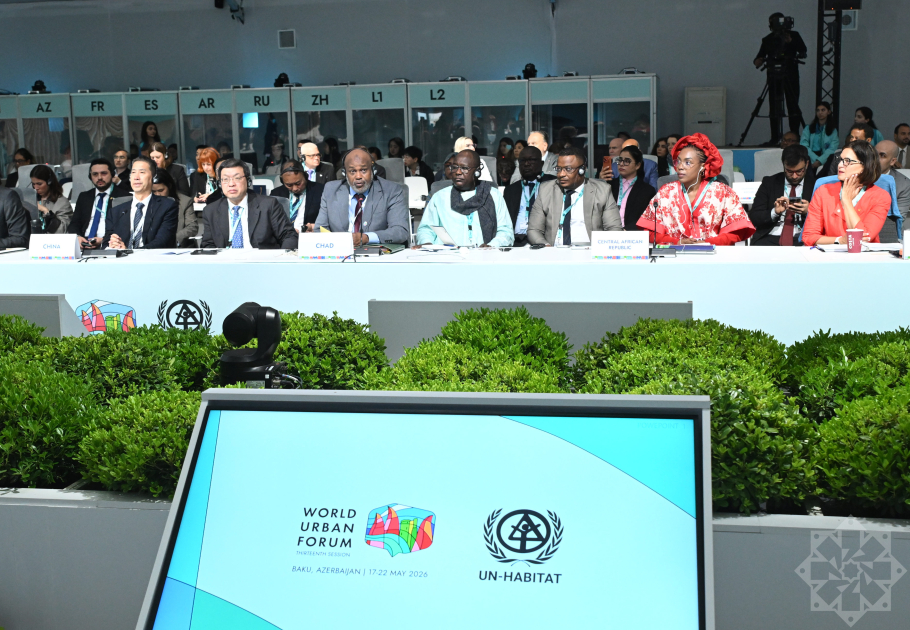
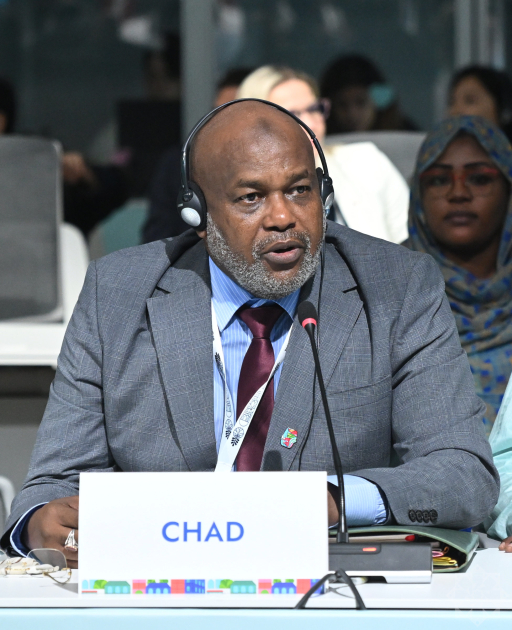
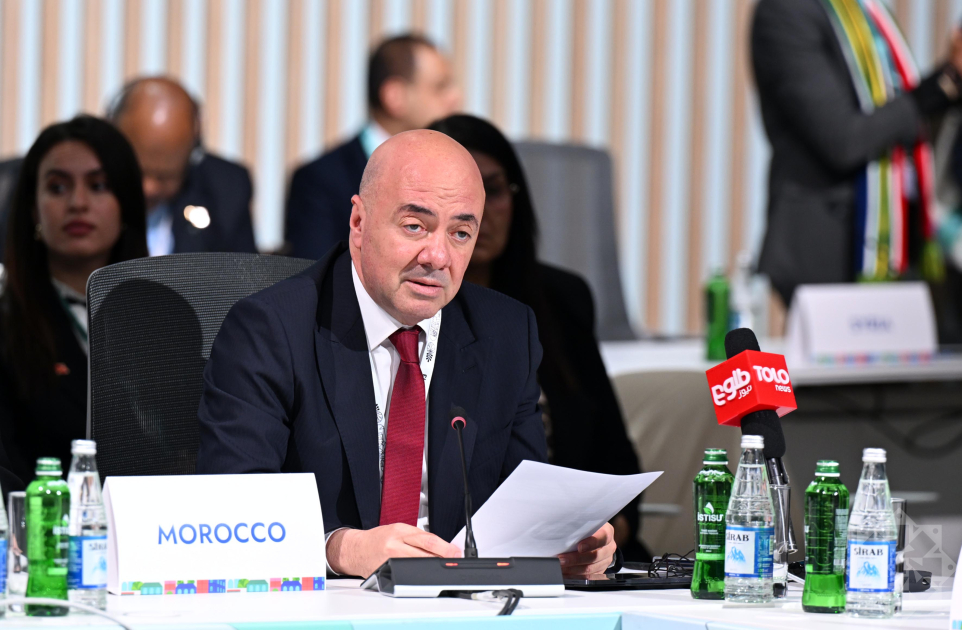
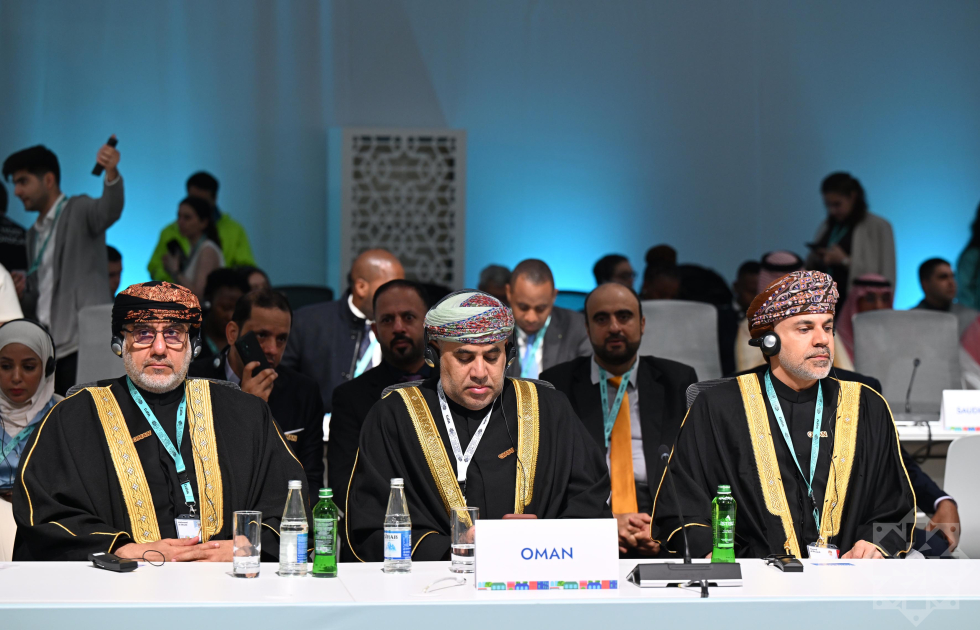
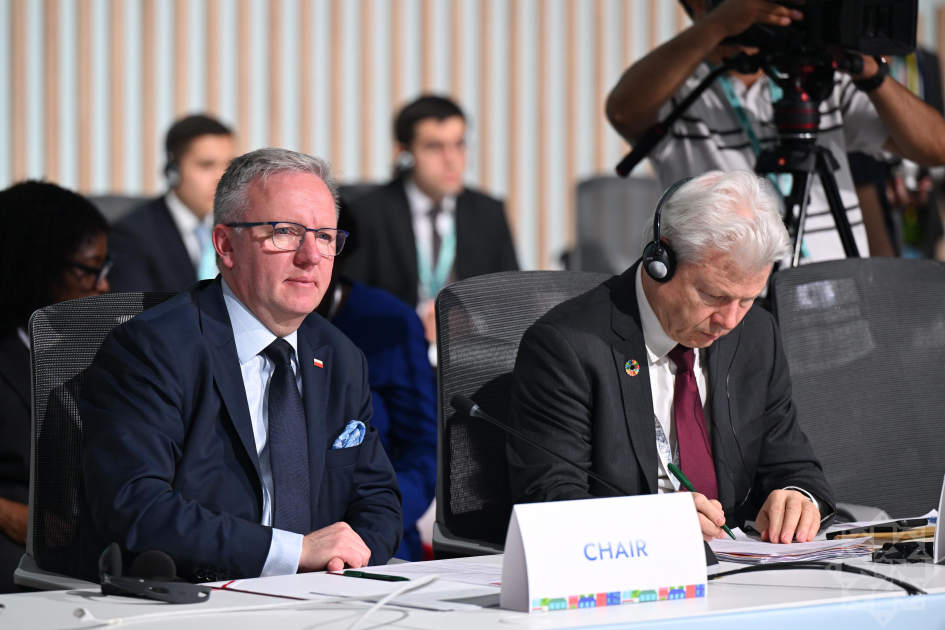
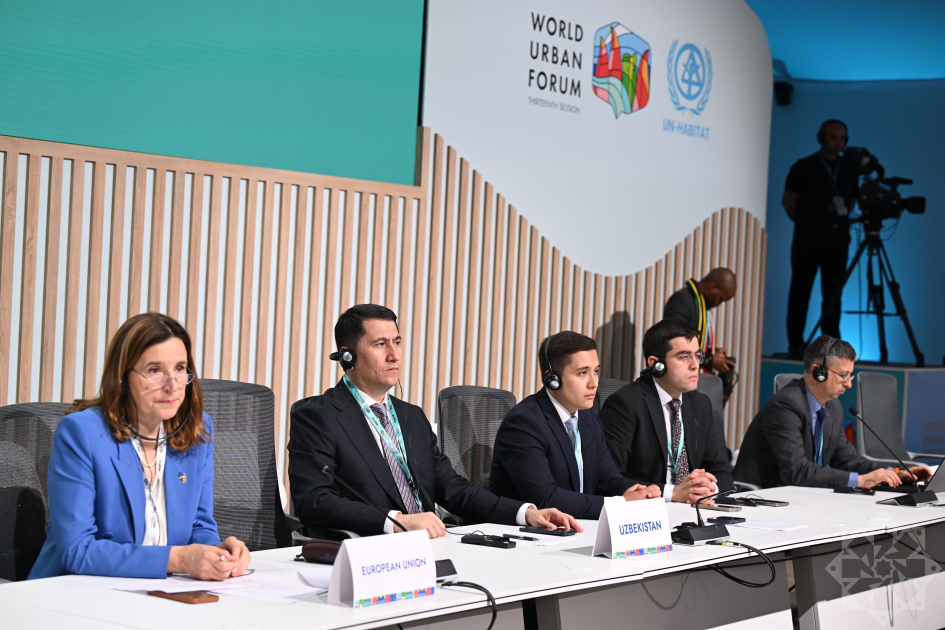
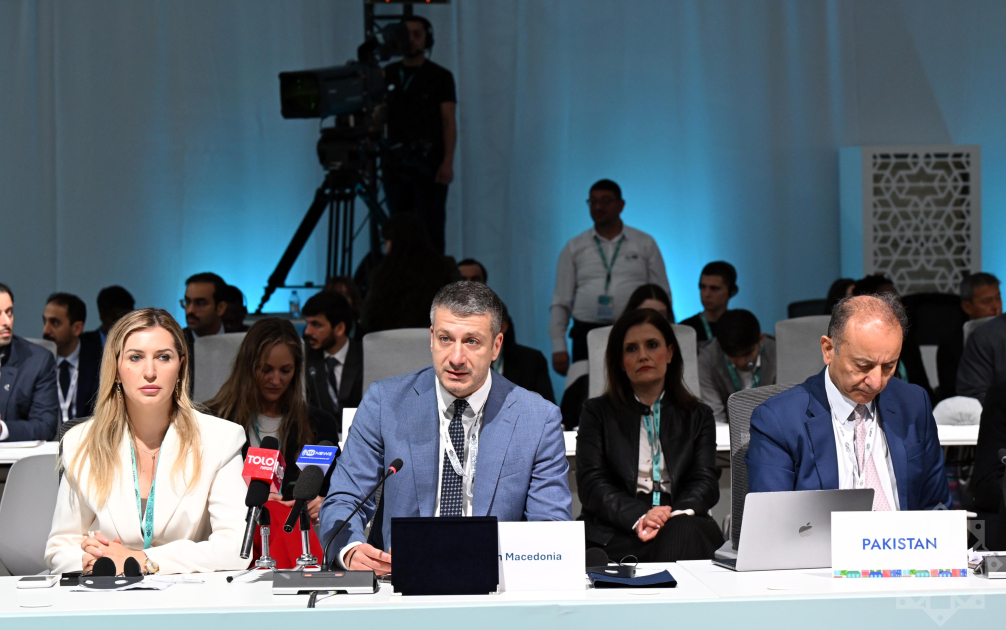
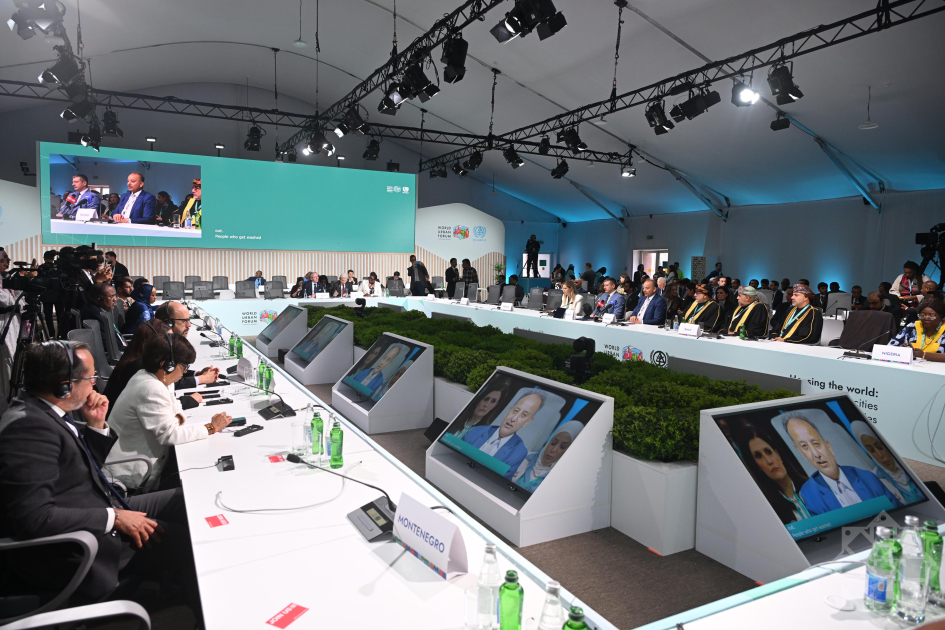
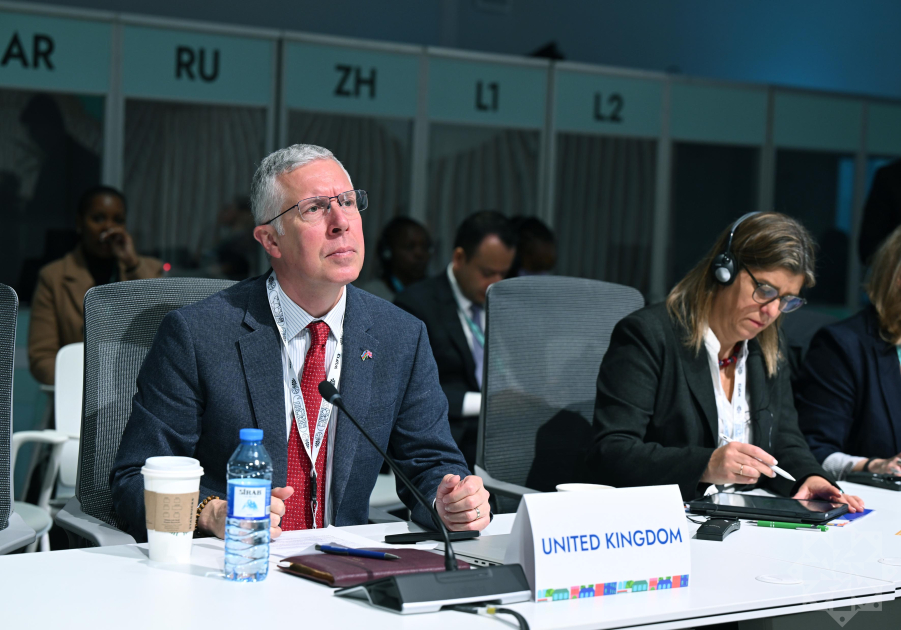
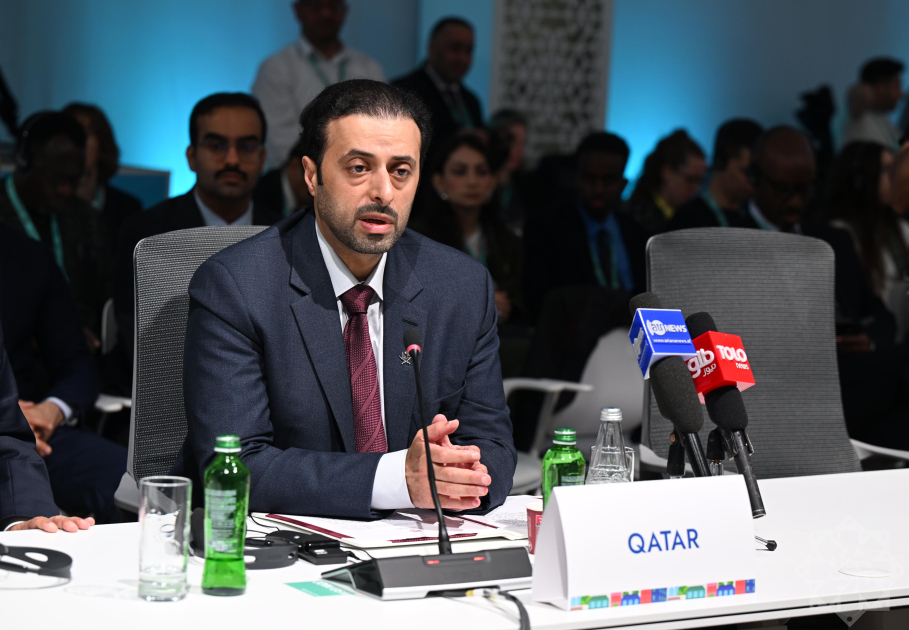
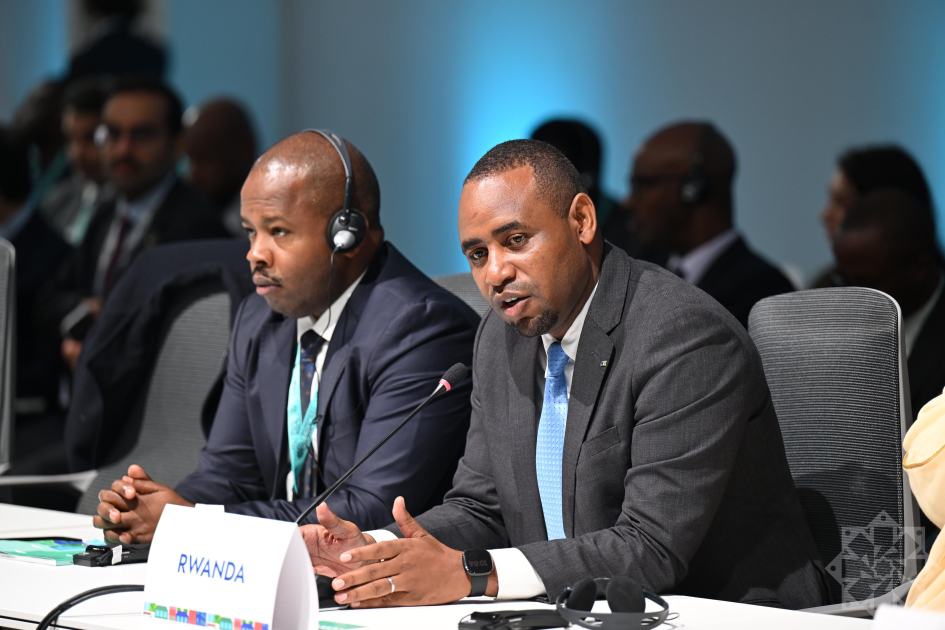
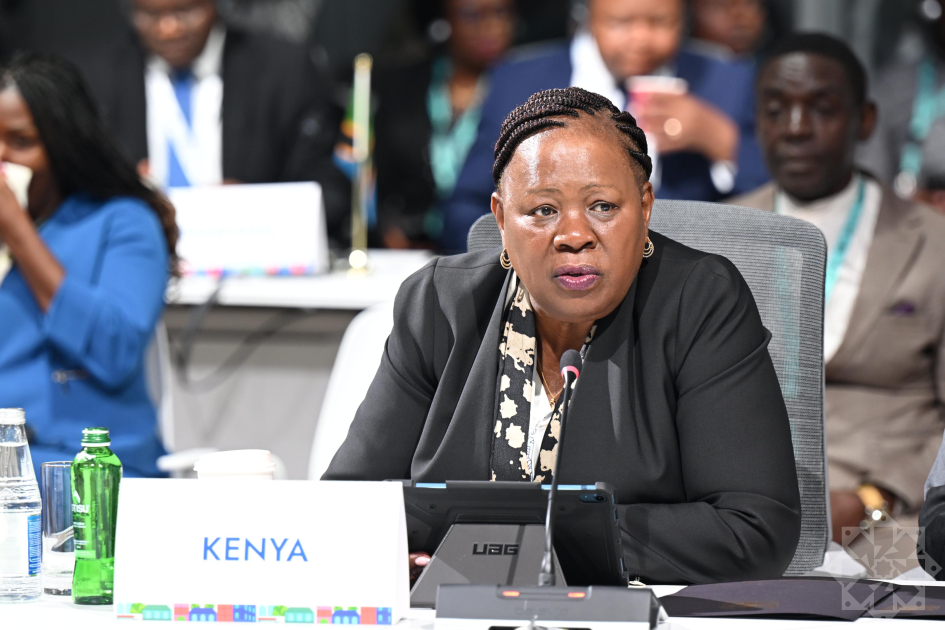
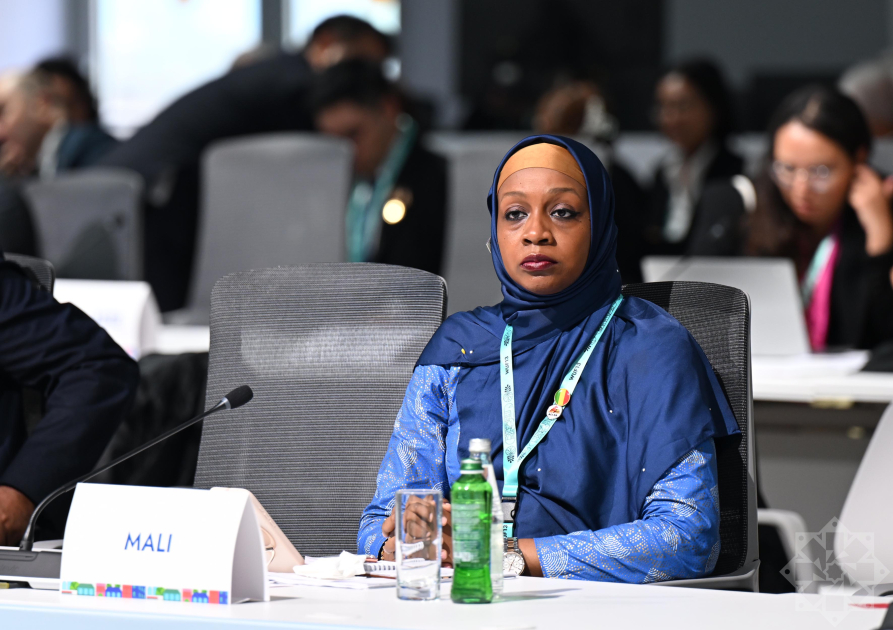
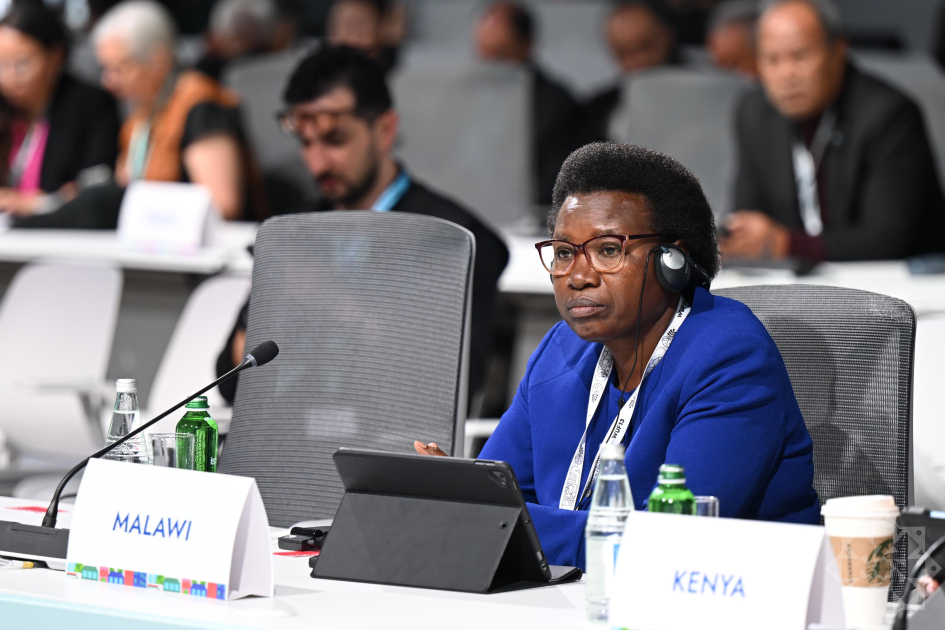
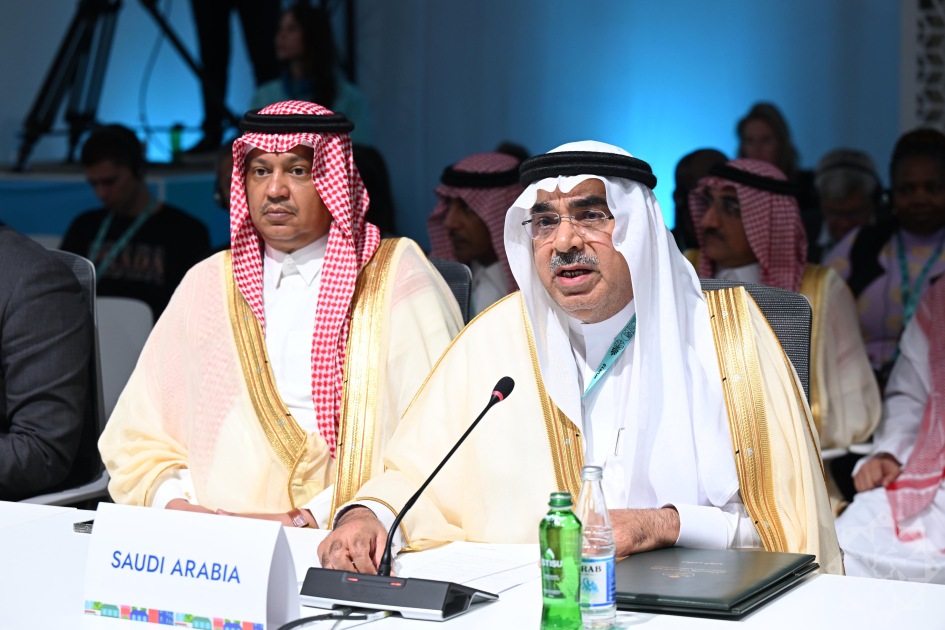
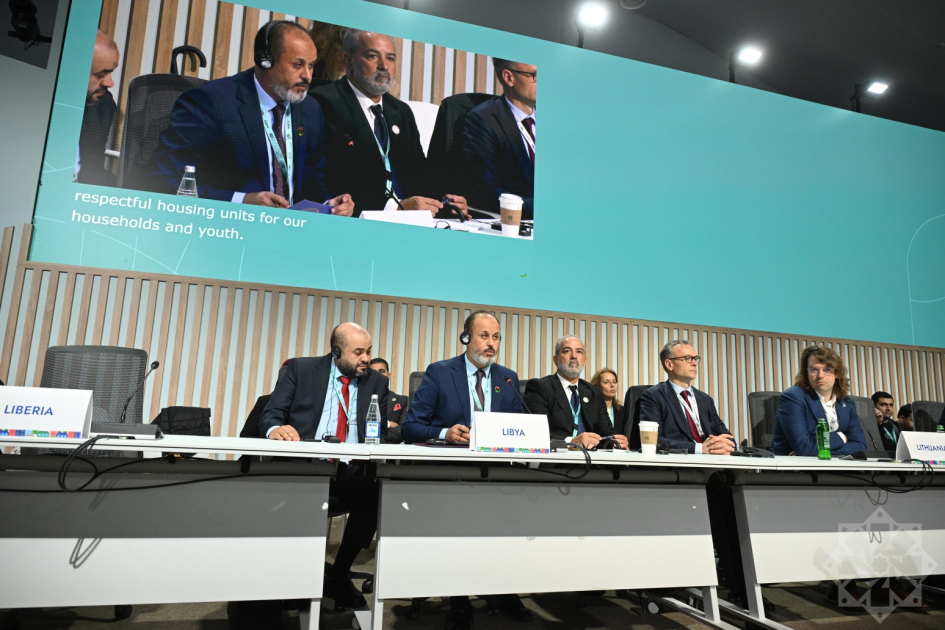
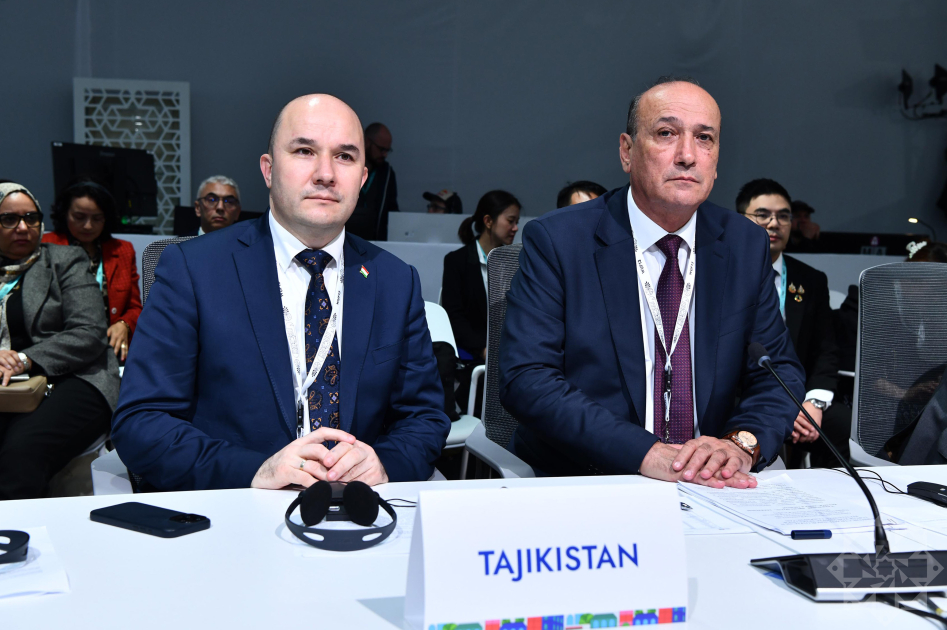
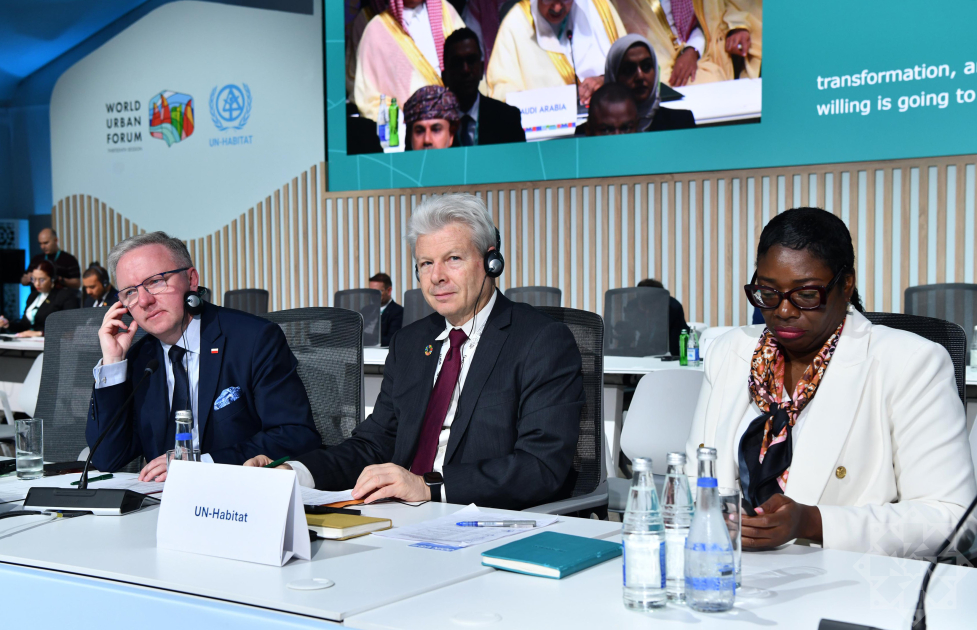
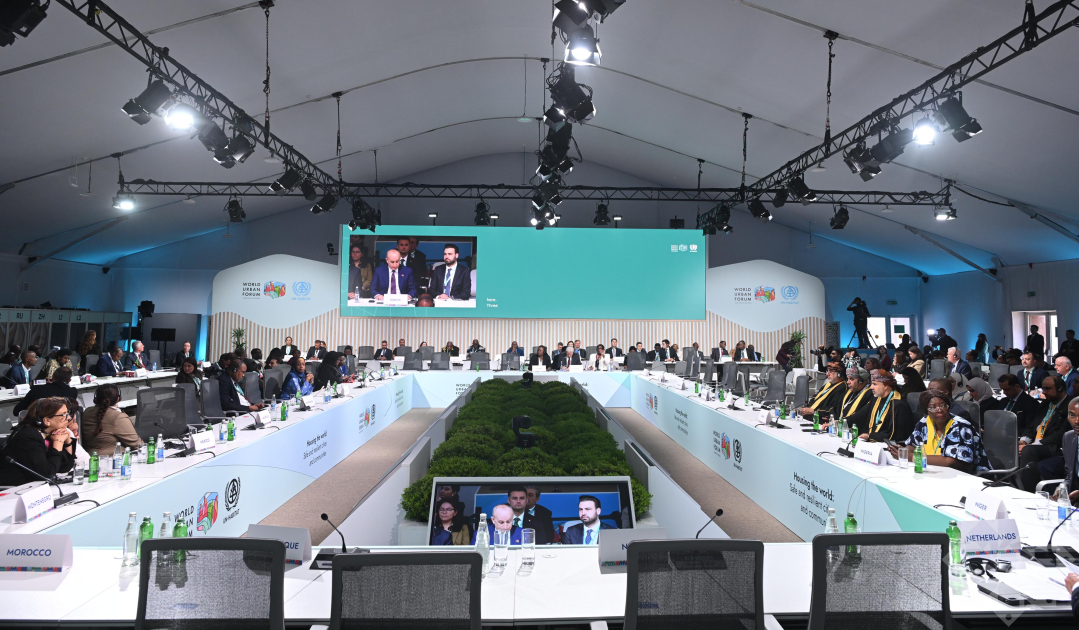
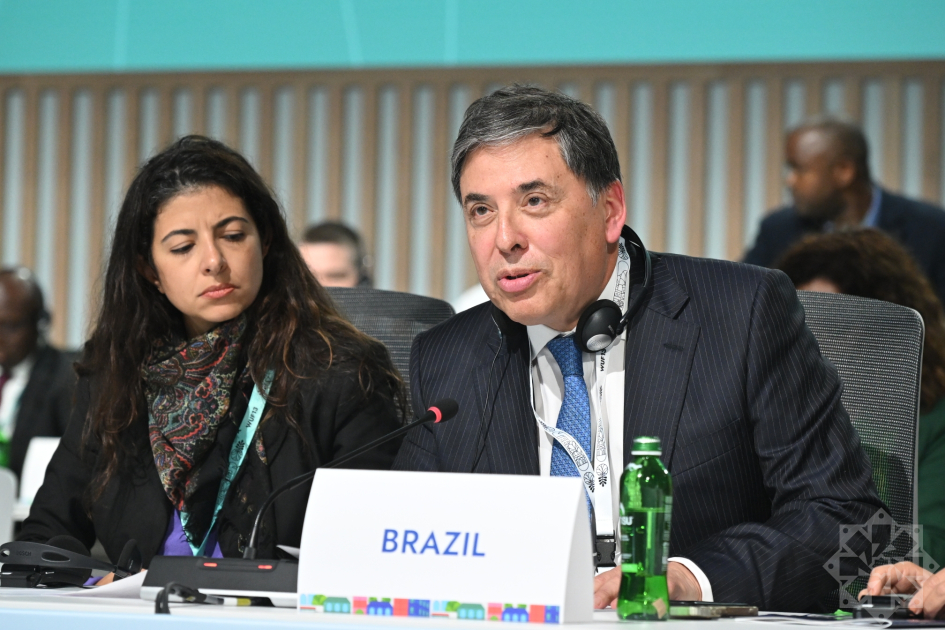
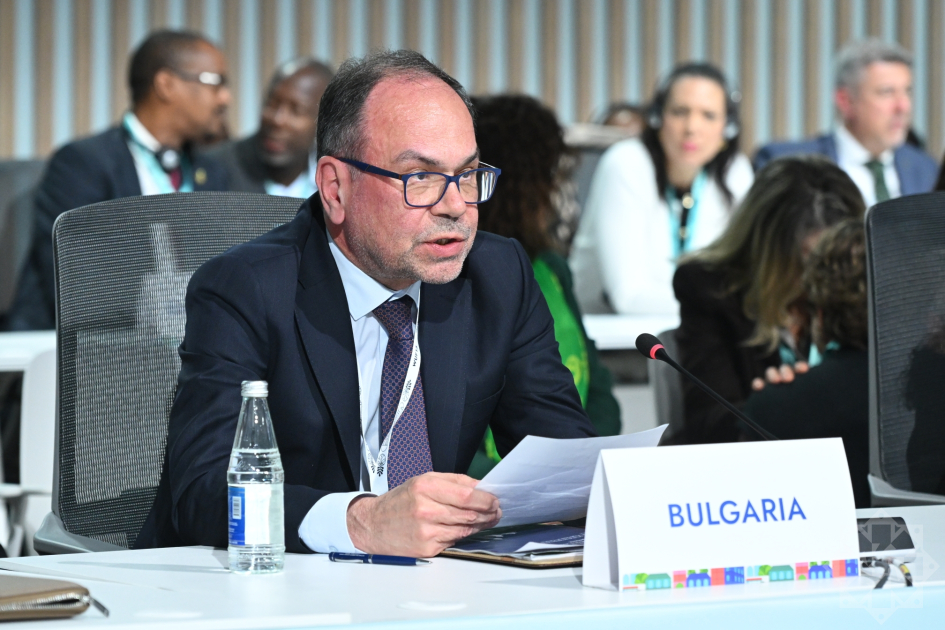
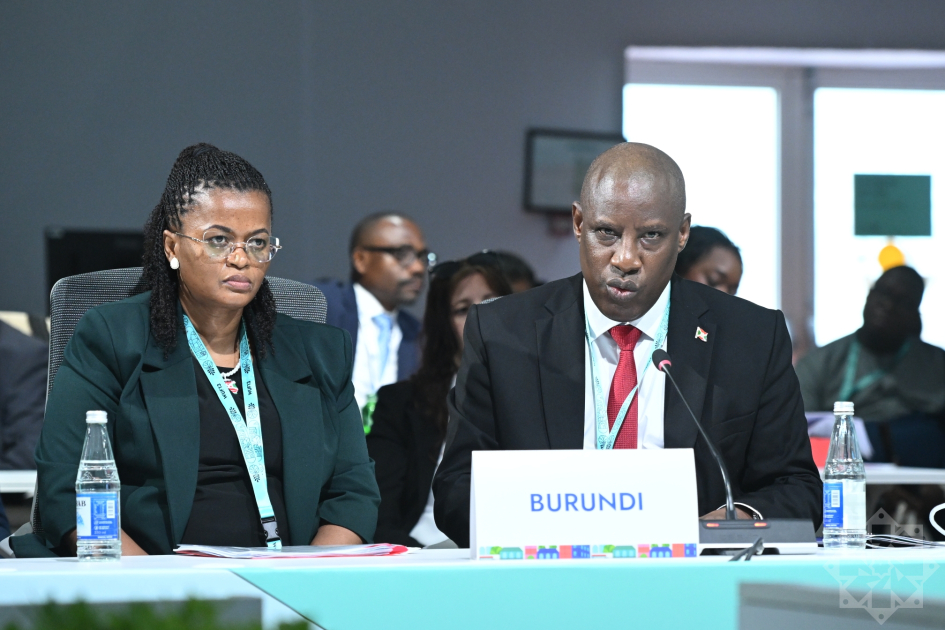
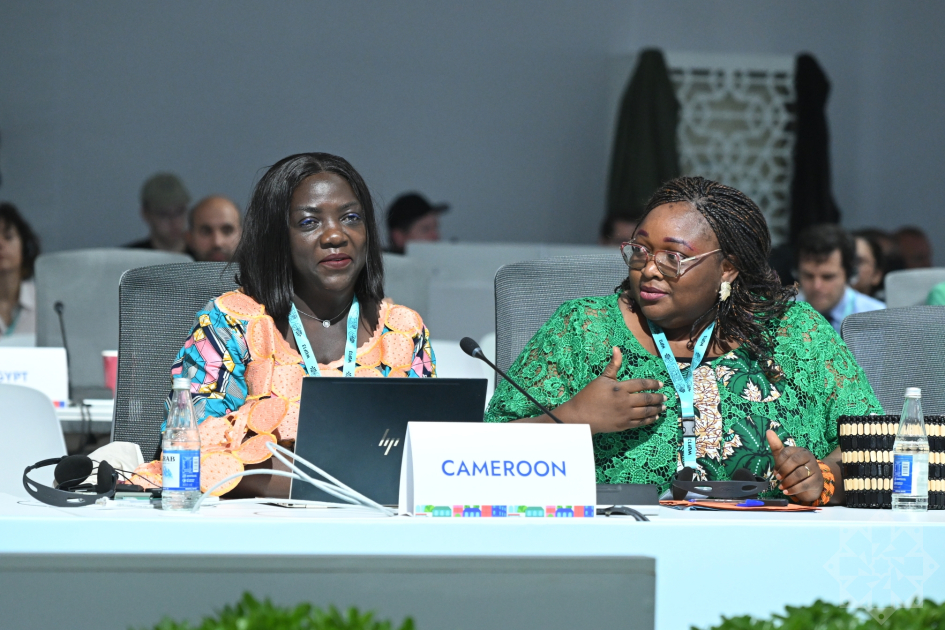
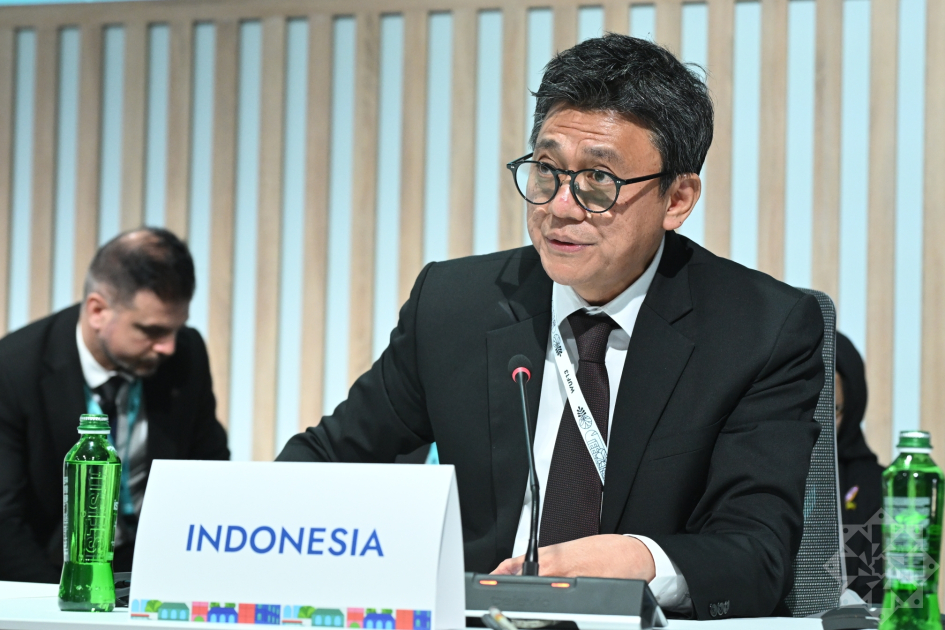
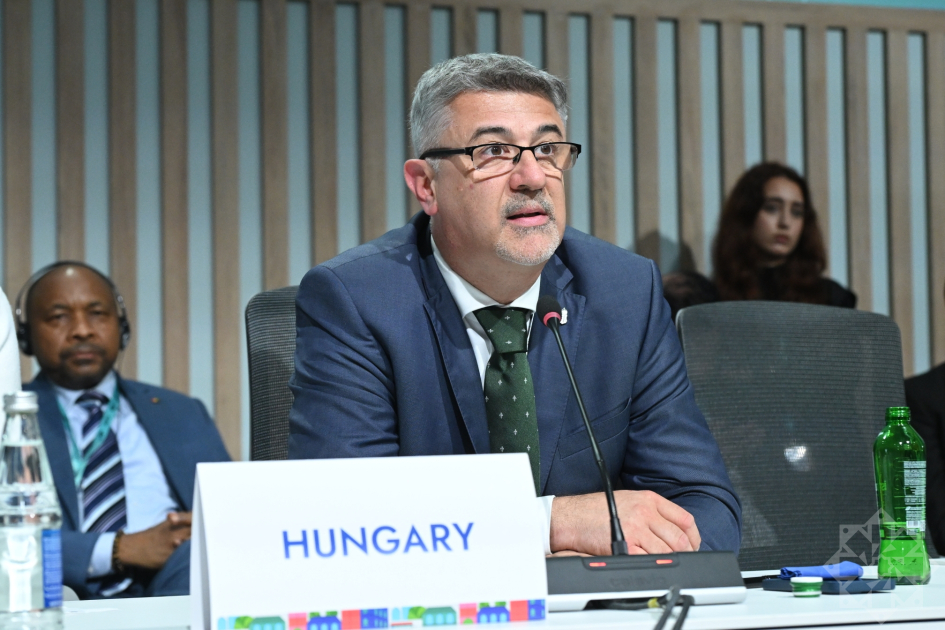
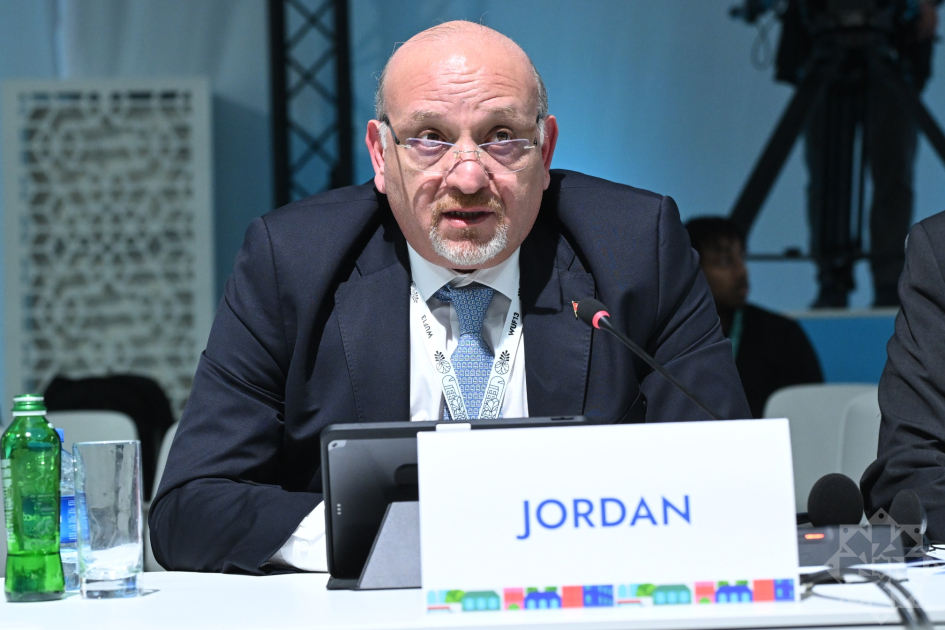
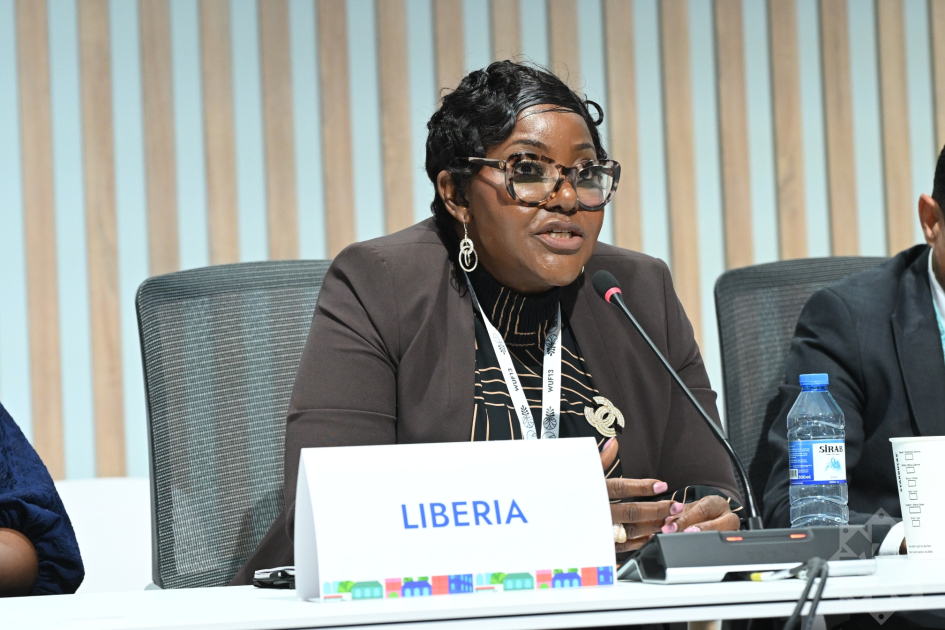
”National Ministerial Statements – The Ministerial Meeting on the New Urban Agenda (NUA)” was held on May 17 in Baku within the framework of the 13th Session of the UN World Urban Forum (WUF13).
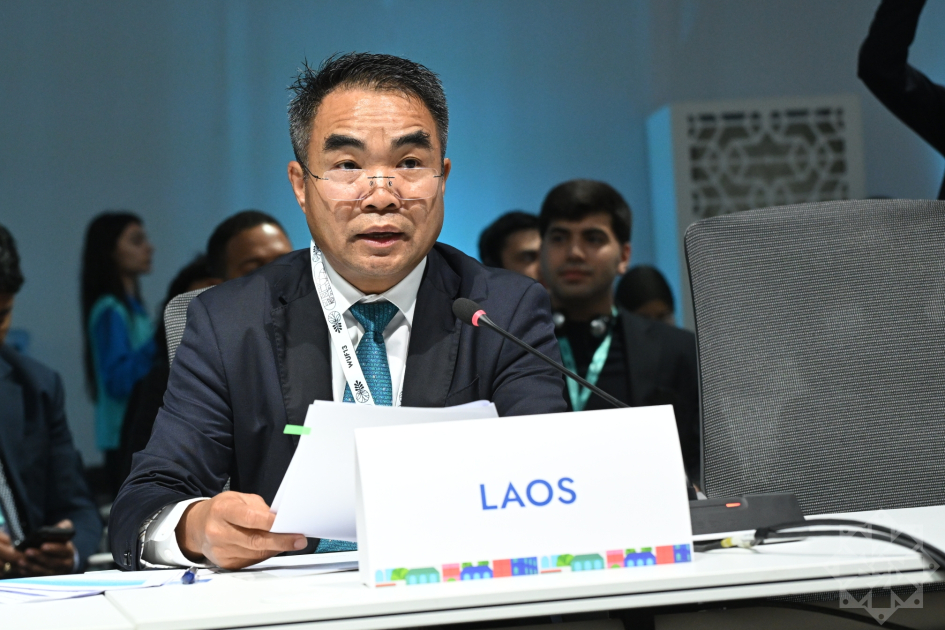
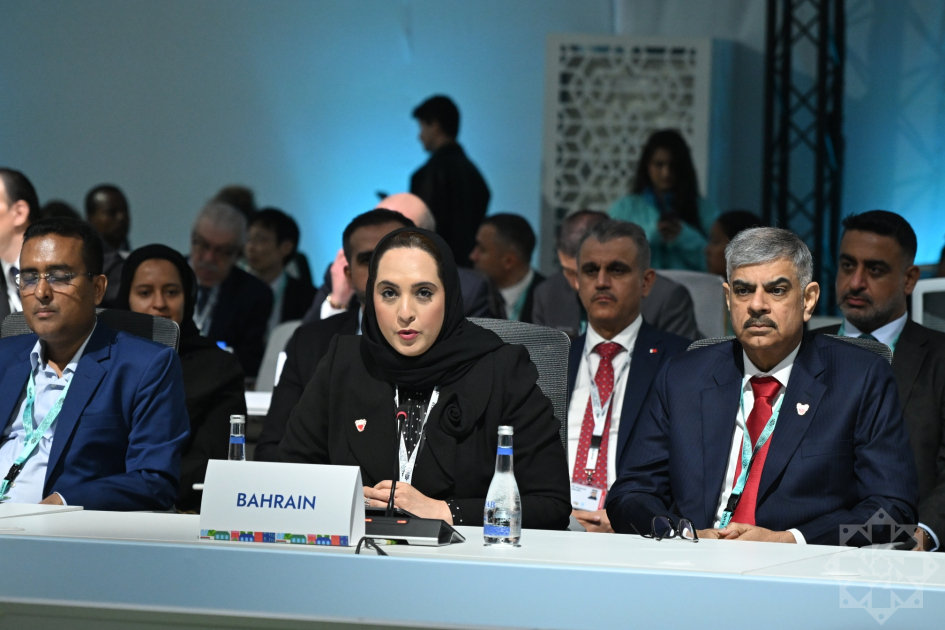
Representatives from more than 100 countries delivered statements at the event.
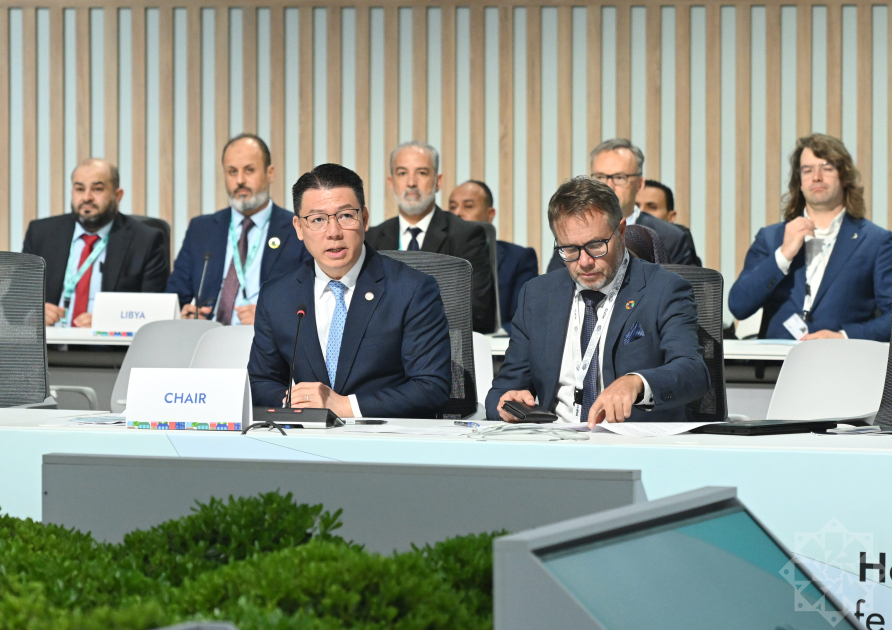
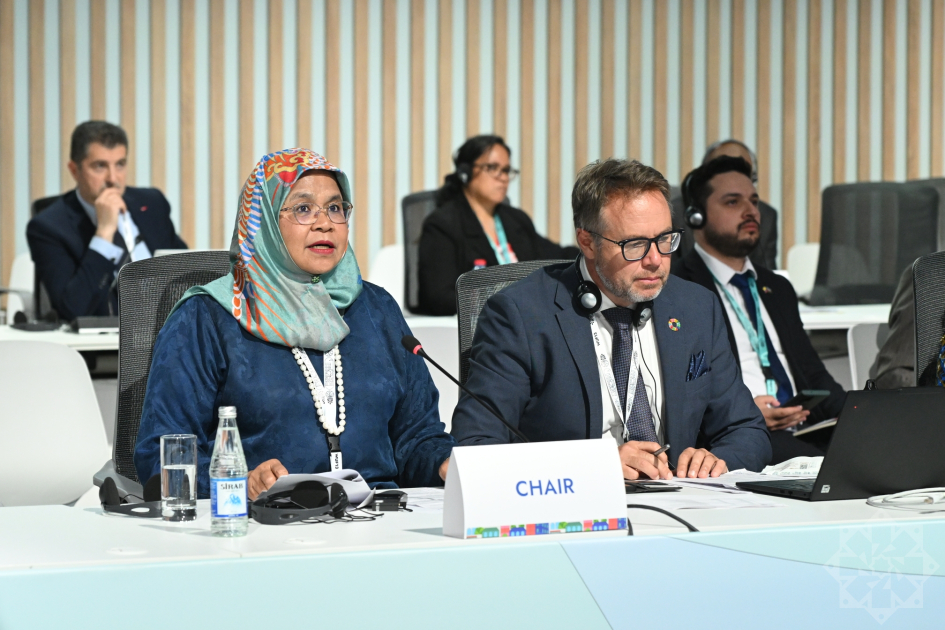
During the meeting, Malaysia’s Minister of Housing and Local Government and current President of the UN-Habitat Assembly Nga Kor Ming stated that urban planning in Malaysia is not only a policy direction but also a national necessity. He noted that more than 75% of Malaysia’s population lives in cities, making urban areas the main driver of the national economy, while rapid urbanization also creates challenges related to housing affordability, climate change, and social inclusion.
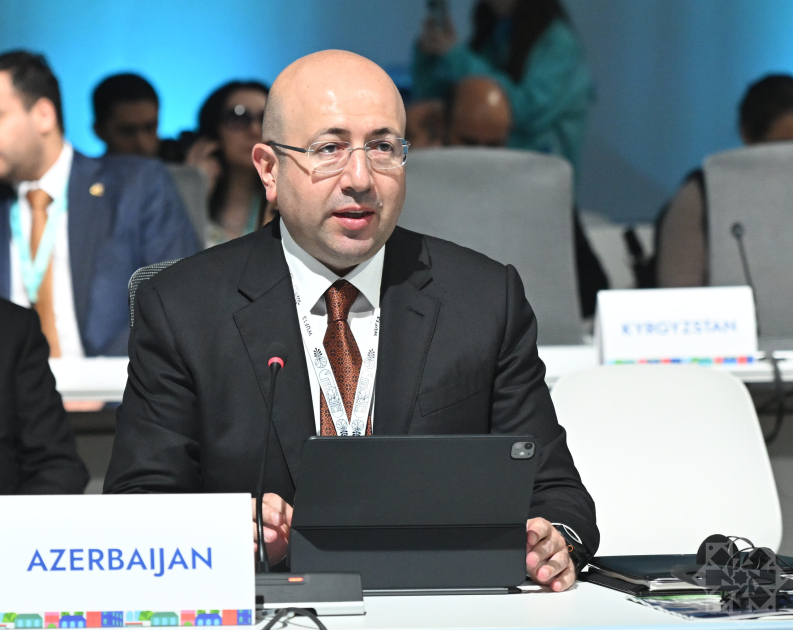
Anar Guliyev, National Coordinator for WUF13 and Chairman of the State Committee on Urban Planning and Architecture, said that more than half of Azerbaijan’s liberated territories will be designated as green zones. He noted that ongoing projects in Garabagh and East Zangezur are being implemented in line with sustainable development principles, incorporating renewable energy, ecological approaches, and modern urban planning.
He stated that approximately $14.7 billion has been invested in infrastructure and housing projects in these regions over the past five years, with total investment expected to reach $18 billion by 2028. The projects include smart infrastructure, renewable energy, sustainable land use, and digital management systems.
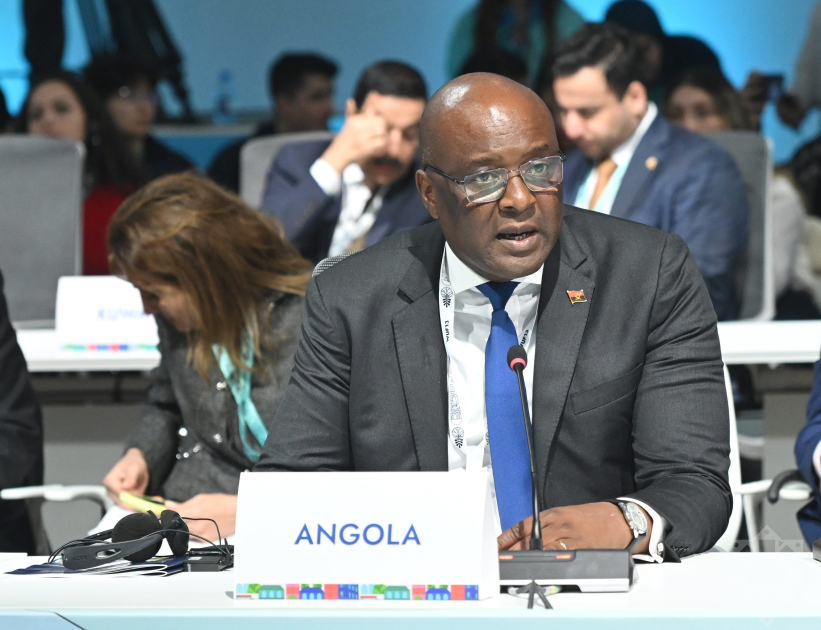
Angola’s Minister of Public Works, Urban Planning and Housing Carlos Alberto Gregório dos Santos highlighted that Angola is experiencing rapid urbanization driven by demographic growth and internal migration. He noted that with a population exceeding 36 million, pressure on housing, transport, sanitation, and public services is increasing.
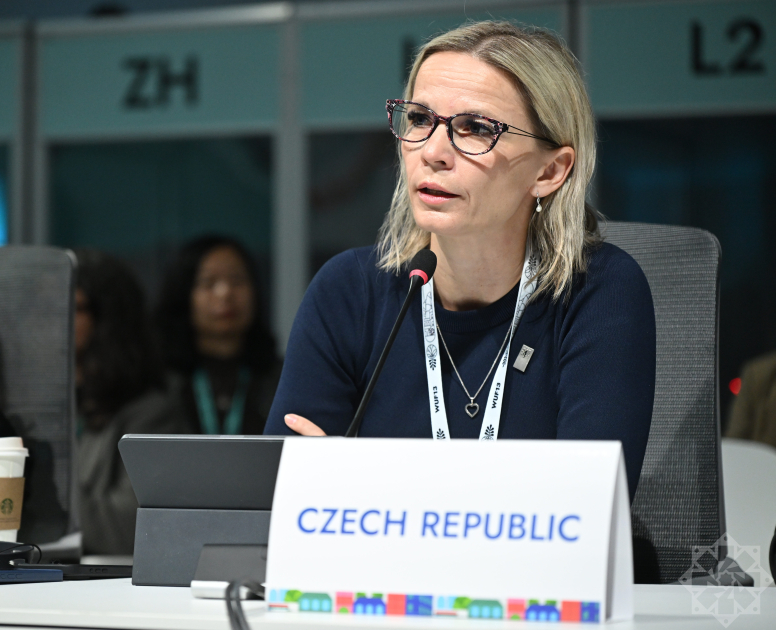
Czech Republic’s Minister of Regional Development Zuzana Mrázová stated that her country has consistently worked on implementing the New Urban Agenda, considering it a key framework for sustainable urban development focused on social development, improved access to services, and housing affordability.
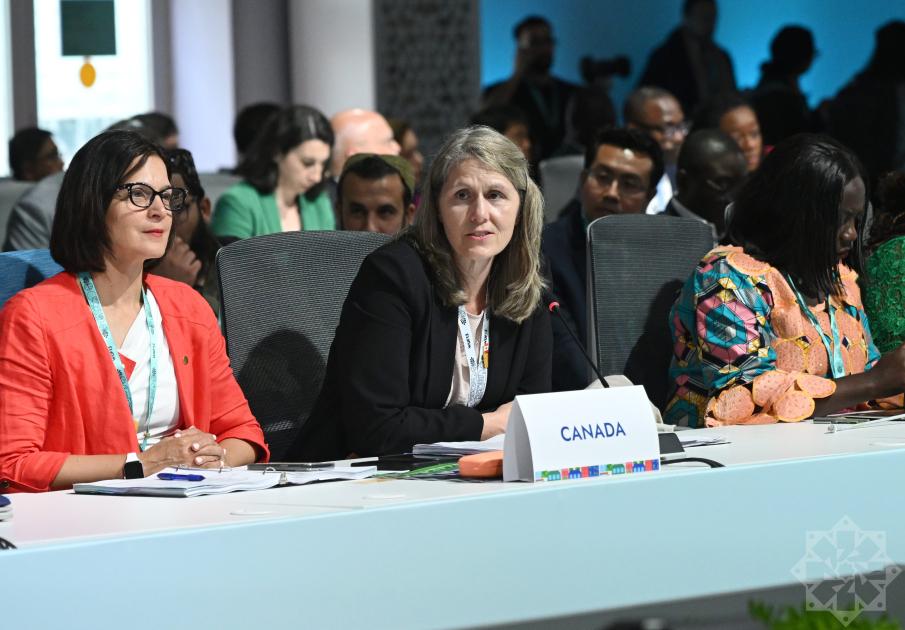
Canada’s Assistant Deputy Minister of Housing, Infrastructure and Communities Janet Golding emphasized three priorities for the coming years: accelerating housing construction, promoting inclusive development and partnerships, and building climate-resilient and energy-efficient cities.
She noted that the sessions of the World Urban Forum serve as an important platform for exchanging experiences between countries and identifying common solutions.
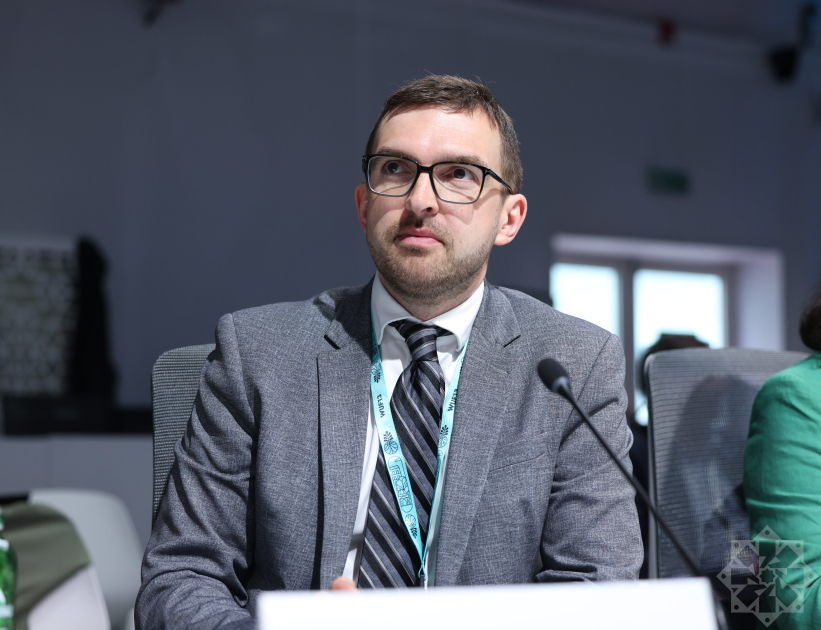
Estonia’s Deputy Secretary General on Living Environment and Circular Economy Ivo Jaanisoo said that successful urban development can be measured by whether children can safely walk to school, highlighting Estonia’s experience in digital innovation, green transition, and inclusive planning.
Participants exchanged views on strengthening global cooperation in urban planning, developing sustainable and inclusive cities, and applying climate-adapted urban models. The importance of accelerating implementation of the New Urban Agenda and introducing innovative approaches was emphasized, alongside the need for international cooperation, infrastructure modernization, and improved access to social services.
Discussions also focused on increasing climate resilience, expanding green infrastructure, improving energy efficiency, and reducing environmental risks.

Other news in this section


