Bulgaria capable of leading region with its entrepreneurial ecosystem, EIB official says
Baku, May 20, AZERTAC
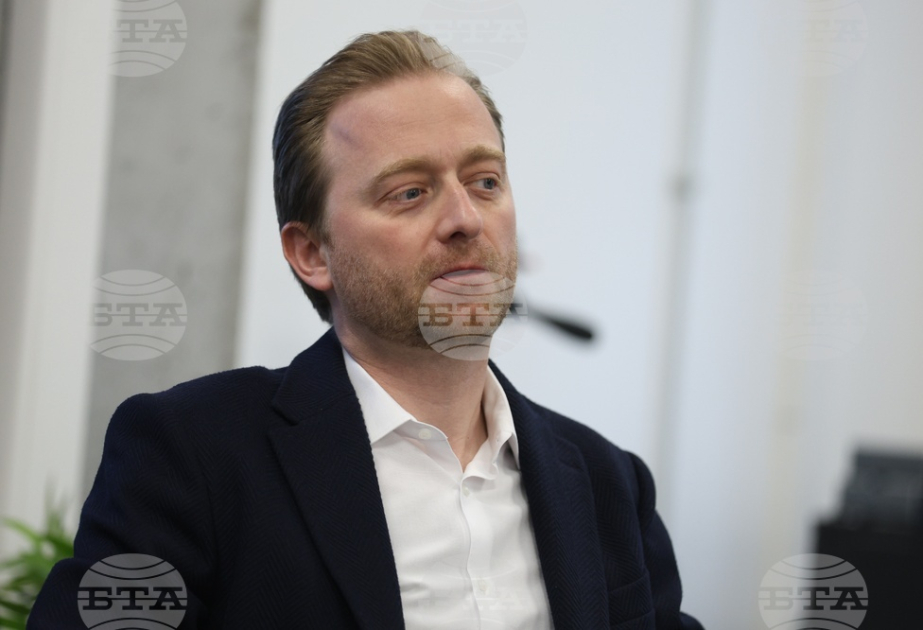
"Bulgaria has the chance to cement its regional leadership with its entrepreneurial ecosystem over the next five years if the extended JEREMIE Initiative goals set for the country for another ten years are successful," Teodor Radonov, Head of the European Investment Bank (EIB) Group Office in Bulgaria, said here on Tuesday, Bulgarian News Agency (BTA) reported. He spoke at an expert forum titled "The Financial Code of Growth: Experts Speak," organized by DigiTech and held at Sofia Tech Park.
JEREMIE (Joint European Resources for Micro to Medium Enterprises) is a European Commission programme developed jointly with the European Investment Fund that enables Member States to use structural funds to finance small businesses through loans, guarantees and equity. It operates through a revolving holding fund, with repaid resources reinvested in new financial instruments.
Radonov recalled that the strategic framework for the next 10-year period envisages investing around EUR 200 million in four main areas, based on identified gaps in the entrepreneurial ecosystem and the ecosystem of equity and venture capital in Bulgaria. The four areas in question are: technology transfer and deep technologies; company growth funds; defence and security; and infrastructure connectivity. With JEREMIE investments in these areas, Bulgaria will be the only country in Southeastern Europe participating in three pan-European initiatives: creating European champions, security and defence, and infrastructure connectivity under the "Three Seas" initiative.
Radonov emphasized that regionalization is the basis of the funds created in recent years, with the aim of promoting regional economic cooperation. In the case of the JEREMIE initiative for Bulgaria, this will allow the country and the region to position themselves more seriously on the global investment map.
Speaking about the EIB's operations in Bulgaria, the head of the bank's office in Sofia pointed out that they consist mainly in financing public projects, with supported private initiatives not exceeding 40% of the institution's operations in this country. This is due to the lack of private project proposals eligible for EIB support.
Other news in this section


