WUF13 features panel on “Artificial Intelligence for Cities – Urban Planning and Building Smart, Resilient Communities”
Baku, May 20, AZERTAC
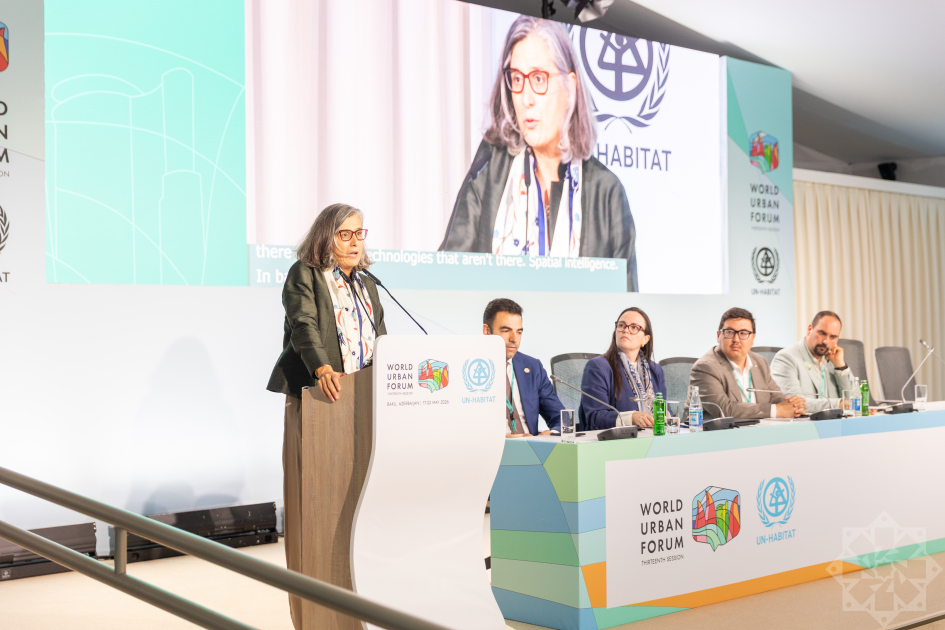
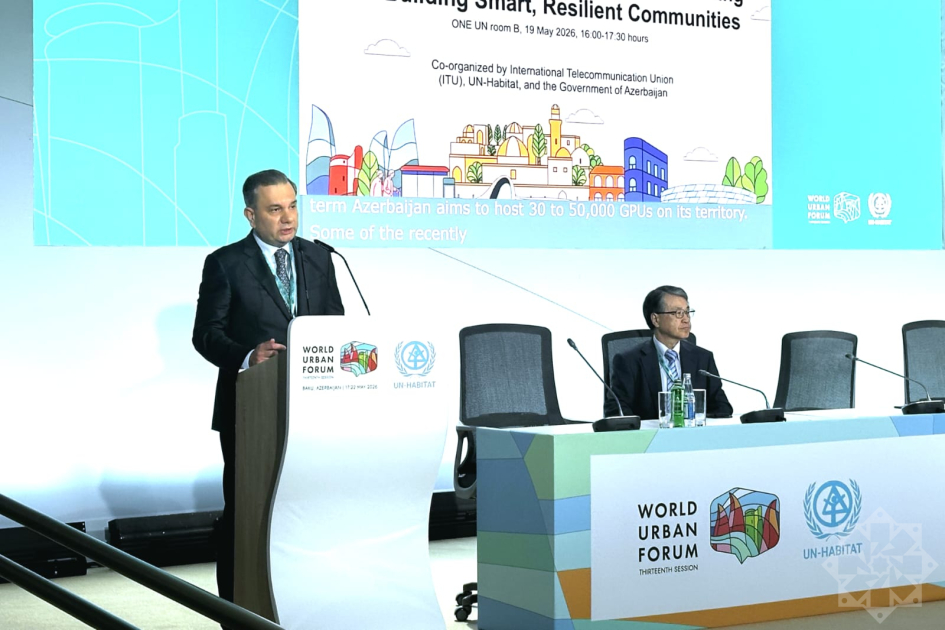
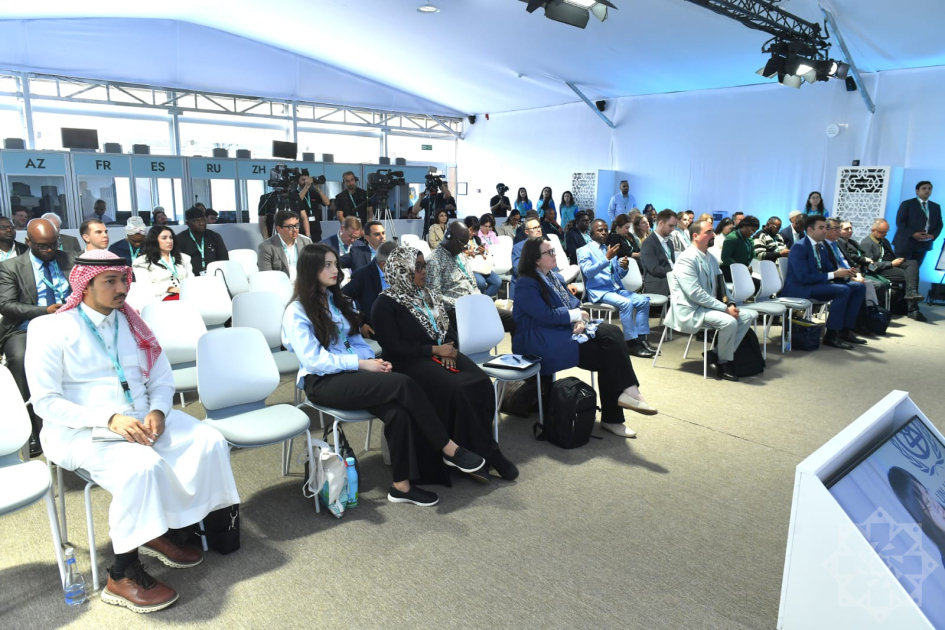
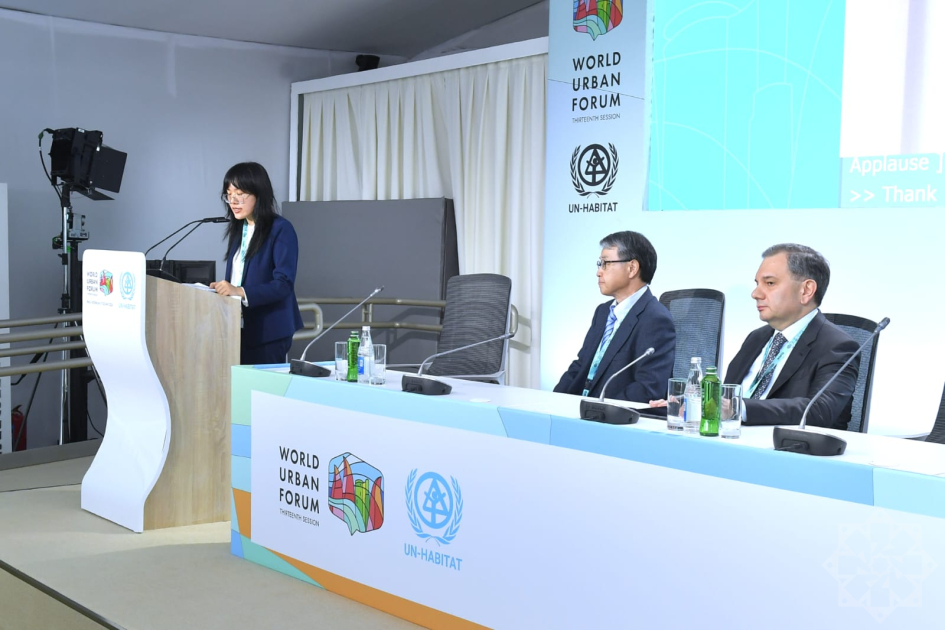
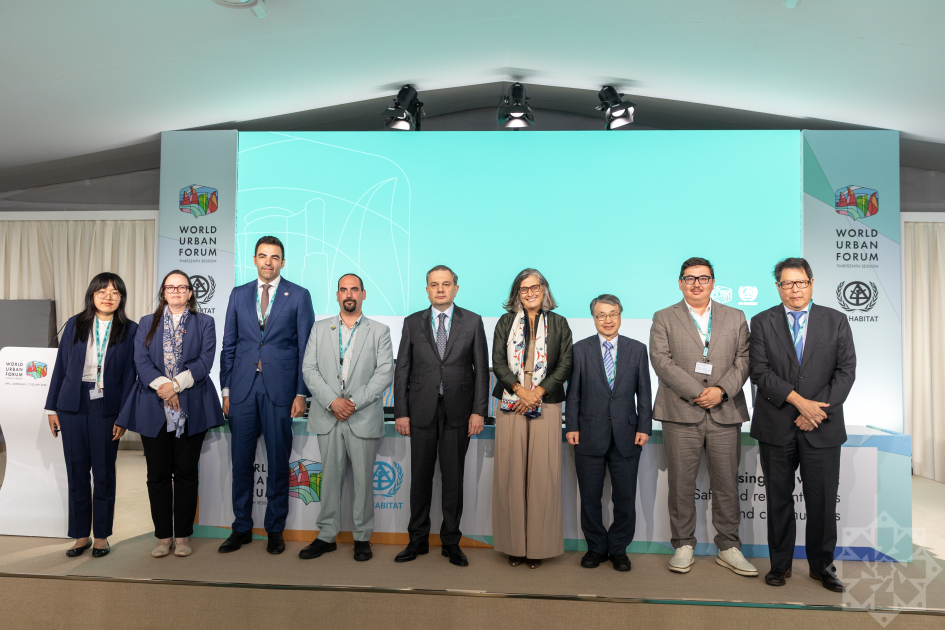
A session entitled “Artificial Intelligence for Cities – Urban Planning and Building Smart, Resilient Communities” was held as part of the 13th Session of the United Nations World Urban Forum (WUF13) in Baku.
The event was co-organized by the International Telecommunication Union (ITU), the United Nations Human Settlements Programme (UN-Habitat), and the Government of Azerbaijan.
The session discussed the role of AI-based solutions in urban planning, decision-making, sustainable infrastructure development, and human-centered city growth, highlighting the importance of the U4SSC “Key Performance Indicators for Smart Sustainable Cities” (KPI), which are applied in more than 250 cities worldwide.
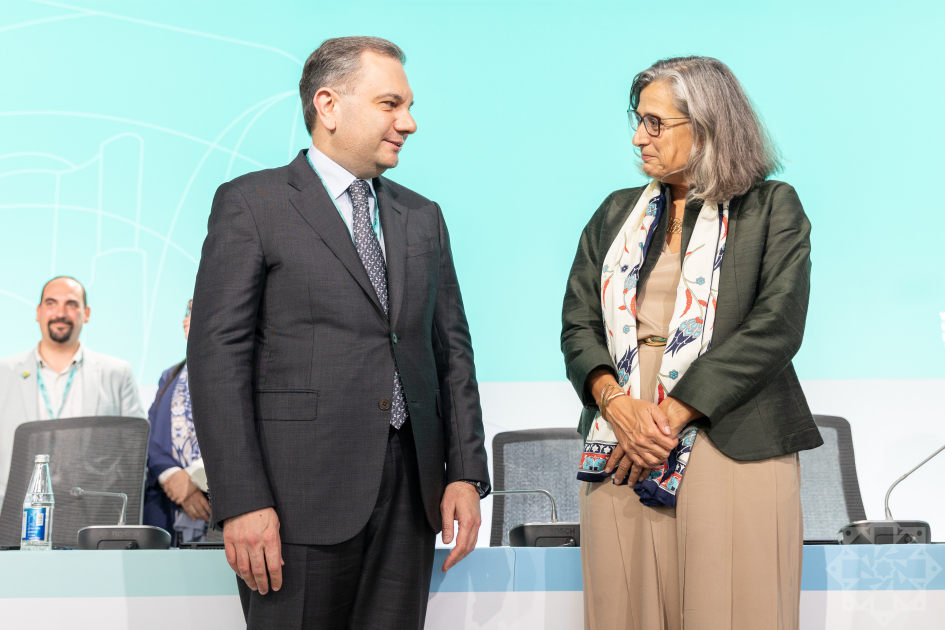
In his address, Azerbaijan`s Deputy Minister of Digital Development and Transport Samir Mammadov emphasized that Azerbaijan aims to become a regional hub for AI and data centers. He highlighted Azerbaijan’s energy capacity, green energy projects, low tariffs, and strong digital infrastructure as key advantages. He also said plans are underway to deploy 30,000–50,000 GPUs in cooperation with global tech companies.
Seizo Onoe, Director of the Telecommunication Standardization Bureau of the International Telecommunication Union (ITU), noted that the successful deployment of artificial intelligence depends on effective governance, innovation, reliable standards, and interoperability frameworks. He stressed that advancing innovation and ensuring the effective functioning of technologies require efficient communication among companies, business partners, and governments, adding that this need is more critical today than ever before.
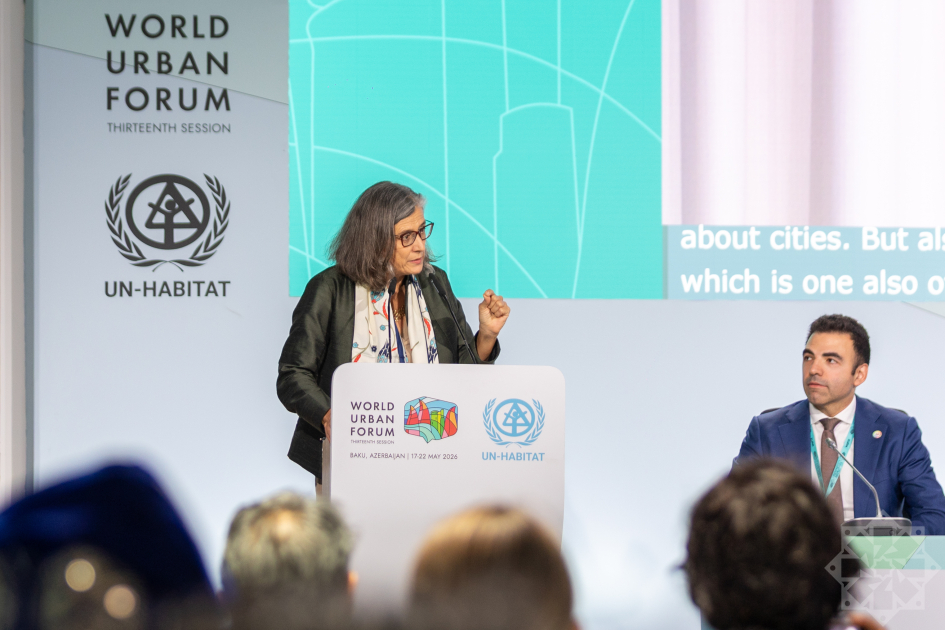
In her remarks, UN-Habitat Executive Director Anacláudia Rossbach emphasized that AI and digital technologies are key to addressing urban housing and climate challenges, stressing that smart cities must be human-centered and based on human rights, inclusivity, and equality.
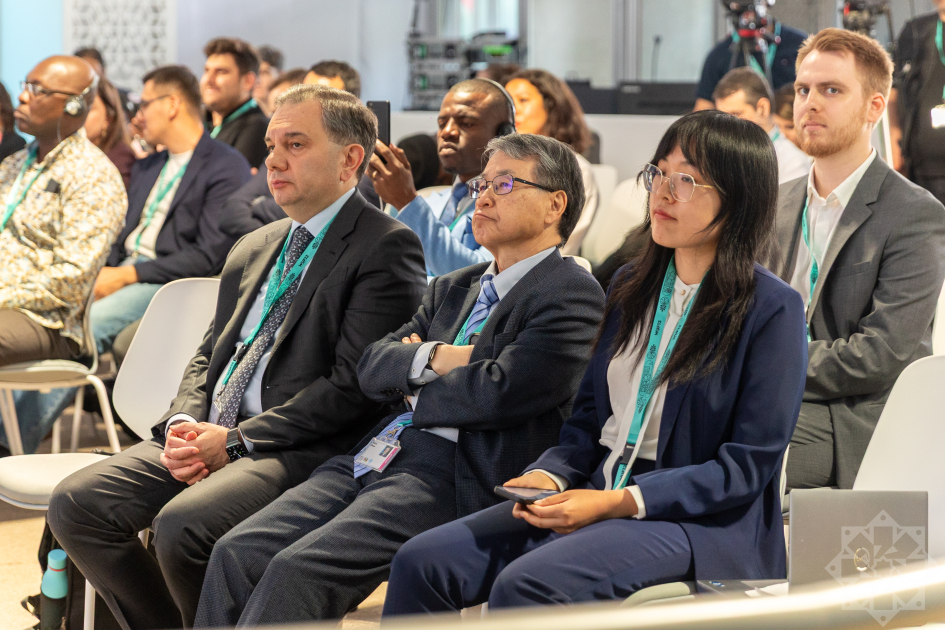
The session was also attended by representatives from ICLEI, the Moscow Government, and the Guangzhou Institute for Urban Innovation.
Other news in this section


