Baku hosts international conference on "Relations between the judiciary and the other two powers of the state”
Baku, October 14, AZERTAC
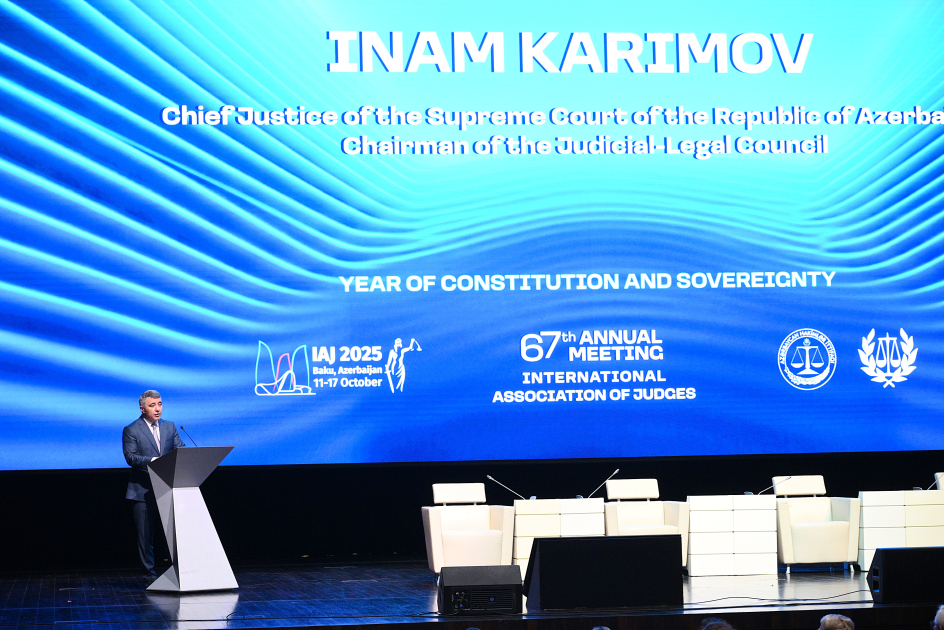
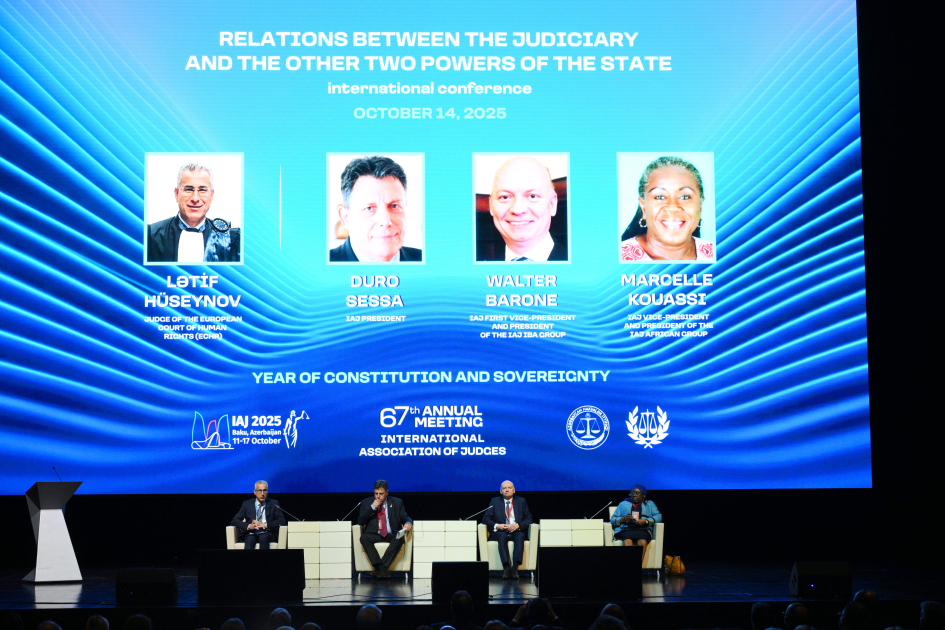
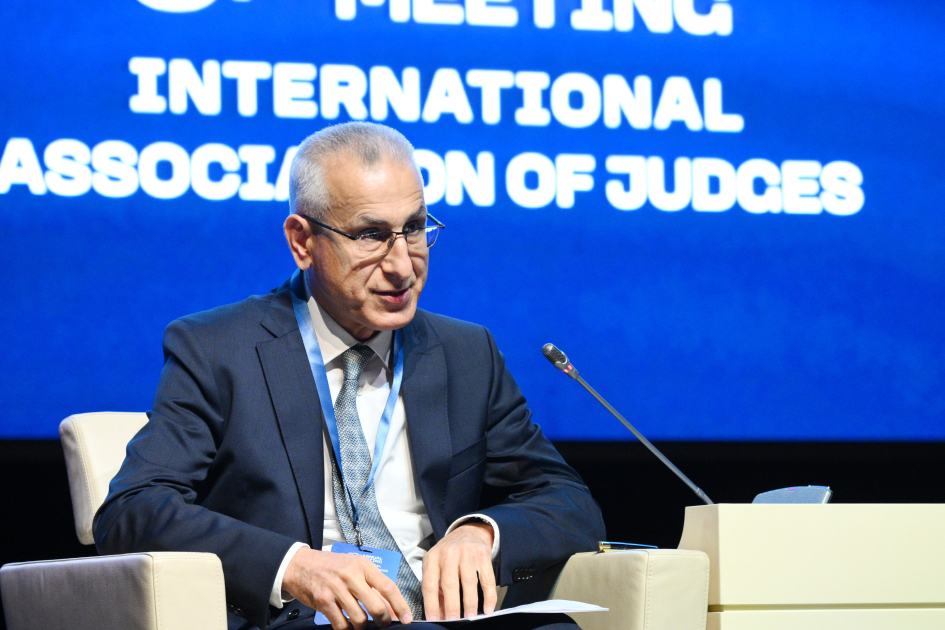
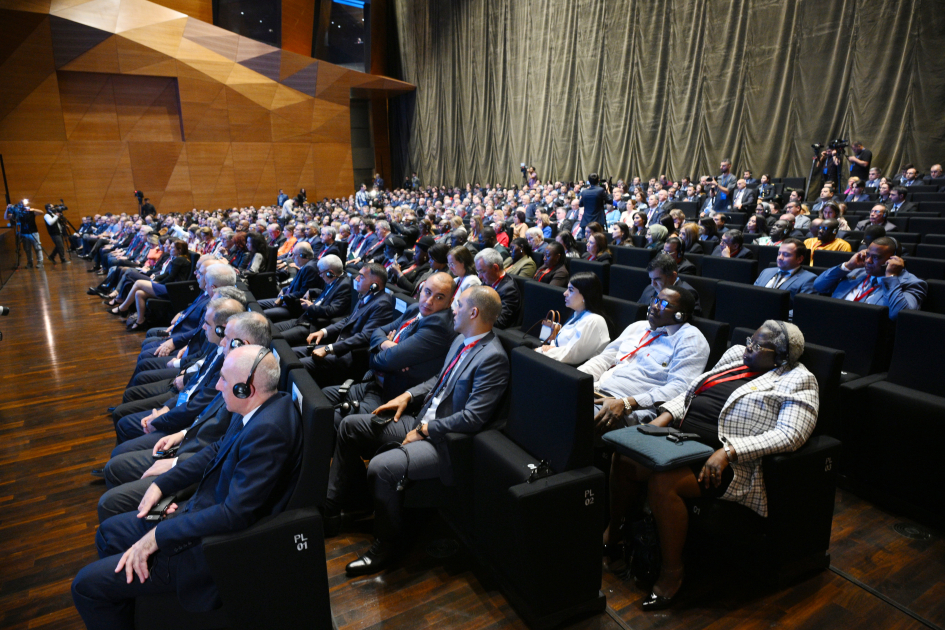
An international conference on “Relations between the judiciary and the other two powers of the state,” marking the “Year of Constitution and Sovereignty,” was held on October 14 at the Baku Convention Center as part of the 67th Annual Meeting of the International Association of Judges (IAJ).
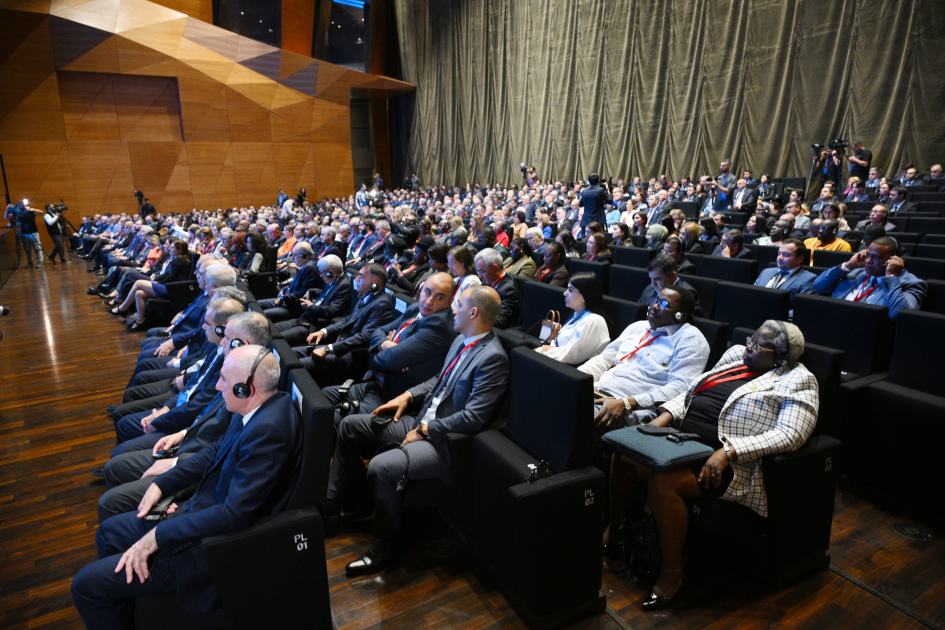
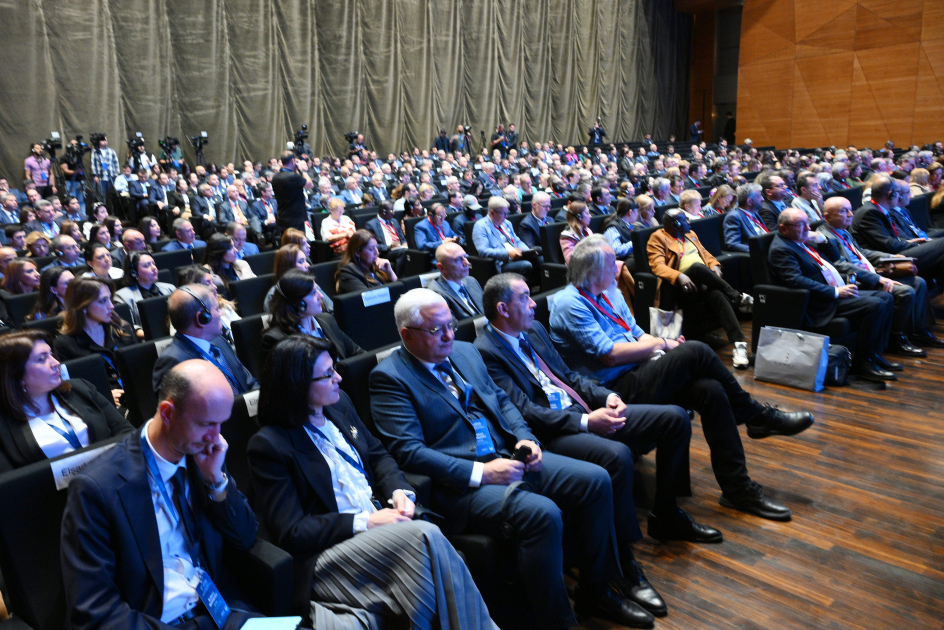
The event brought together 300 participants from 71 countries, including judges, lawyers, government officials, representatives of international organizations, and prominent legal experts.
The conference opened with the screening of a video dedicated to its theme.
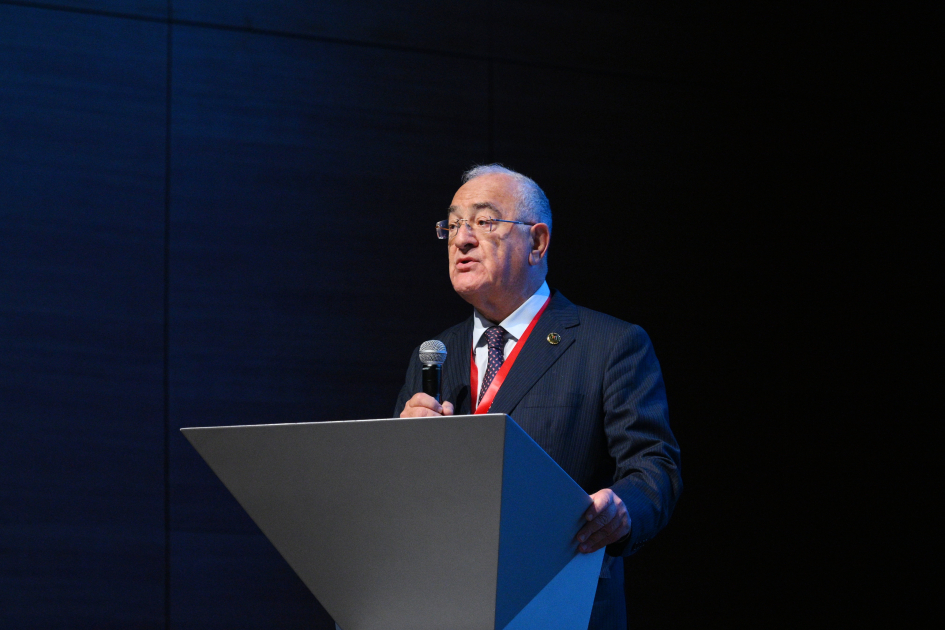
Addressing the event, President of the Azerbaijan Union of Judges Ramiz Rzayev described the rule of law as one of the cornerstones of democratic society.
Chief Justice of the Supreme Court and Chairman of the Judicial-Legal Council Inam Karimov noted that the separation of powers in a democratic state is not merely a theory but the balance that sustains democracy and protects citizens from the concentration of power.
“The separation of powers is, above all, about institutions, about the establishment of a constitutional order in which authority is divided, balanced, and held accountable. Judicial power, as one of the pillars of this structure, is vital. Its purpose is to apply the law fairly, without fear or favor, while maintaining a respectful and constructive dialogue with the executive and legislative branches,” Inam Karimov noted.
“In a true democracy, these branches are not rivals; they are partners in service - each with distinct duties, yet all guided by the same goal: to serve the people through the protection of justice and the rule of law.
However, the separation of powers is not only about institutions; it is also about individuals. Behind every institution stand those who govern it. The integrity of institutions is born of the integrity of those who lead and serve within them. No law can be truly just, and no system can endure, unless it is guided by the moral strength and conscience of those who apply it,” he said.
“Judicial independence is not a privilege — it is a personal responsibility. As a safeguard, it protects citizens from arbitrariness and ensures that authority remains accountable to the law, and the law faithful to justice. It also entails accountability, which binds the judge to duty, conscience, and professional ethics. Moreover, it requires impartiality — the ability to serve without bias, prejudice, or emotion that obscures reason.
That is why the strength of a judiciary is measured not only by its laws and institutions, but also by the character and sense of duty of those who serve within it. For judicial independence does not begin in the courtroom — it begins in the integrity and inner conviction of the judge.
“If you want to rule justly, first conquer yourself.”
This idea was immortalized centuries ago by the great Azerbaijani poet and philosopher Nizami Ganjavi. His timeless wisdom captures the very essence of judicial ethics — the understanding that integrity and self-discipline are the first victories of justice.
It is in this spirit that today’s conference provides a valuable opportunity to reflect on these enduring principles. Since we are all gathered here today, it is also a moment to speak not only about institutions, but about ourselves — about judges. What is our personal role in upholding the separation of powers? What are our duties? And what expectations does society place upon us?
In this regard, Azerbaijan has made significant progress on this path. Under the leadership of President Ilham Aliyev, the constitutional guarantor of judicial independence, our judiciary has undergone deep and lasting reforms. These reforms have strengthened the courts as the guardians of legality and the final arbiters of justice. Courts have become not merely institutions that deliver judgments, but institutions that inspire trust.
At the same time, we recognize that the journey toward justice is never complete. We all, members of the global judicial community, continue to face significant challenges. Among them are the growing pressures of populism and misinformation, improper attempts to influence judicial decisions, and the ongoing need to strengthen public trust in institutions. The rapid rise of technology, artificial intelligence, and social media brings both opportunities and risks. Climate change places new and complex burdens on the judiciary.
In this context, the International Association of Judges plays a truly vital role. It stands as the collective conscience of the global judiciary — uniting judges from every region in a shared commitment to independence, integrity, and the rule of law. Through dialogue, cooperation, and the exchange of best practices, the Association strengthens mutual understanding among legal systems,” Inam Karimov concluded.
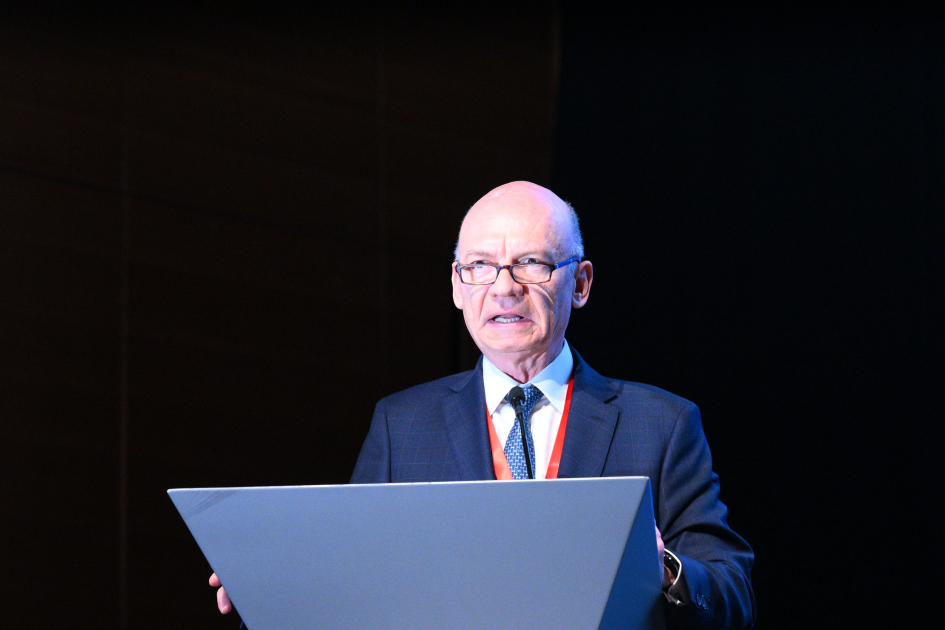
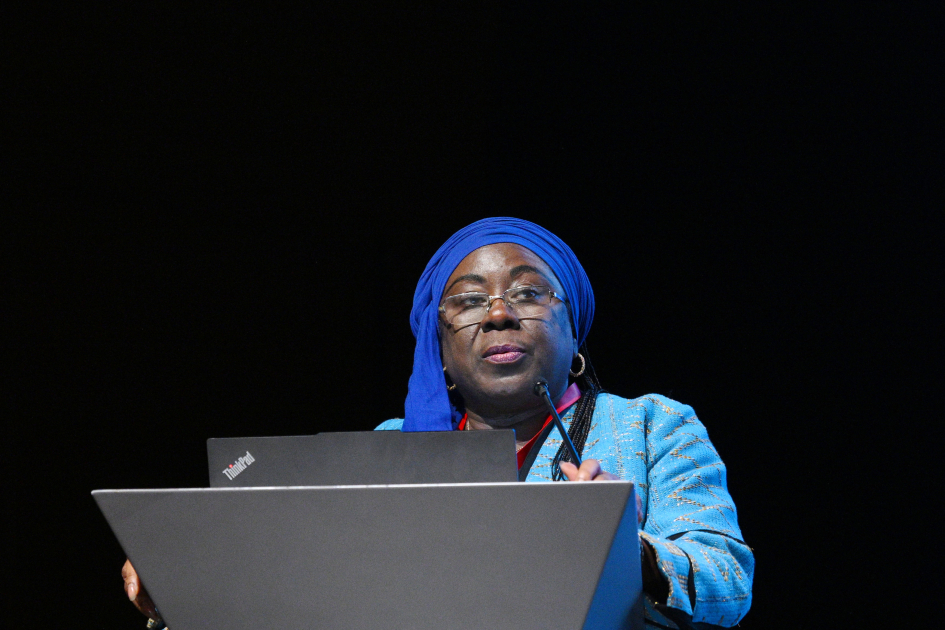
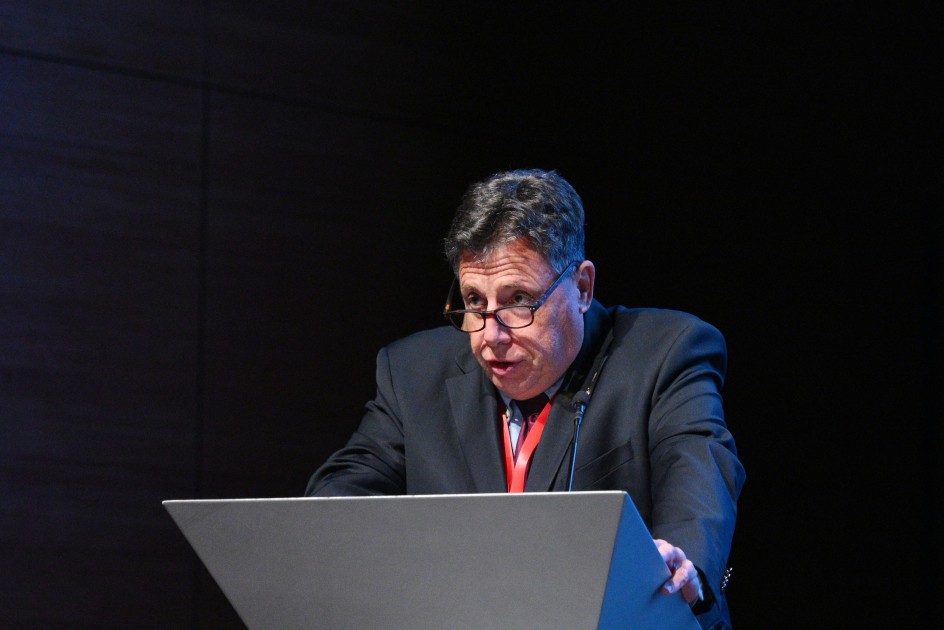
Other speakers included Latif Huseynov, Judge of the European Court of Human Rights (ECHR); Đuro Sessa, President of the International Association of Judges; Walter Barone, IAJ First Vice President and President of the IAJ Ibero-American Regional Group; Marcelle Kouassi, IAJ Vice President and President of the IAJ African Regional Group; and Margaret Satterthwaite, United Nations Special Rapporteur on the Independence of Judges and Lawyers.
An award ceremony followed, during which Azerbaijan’s Minister of Justice Farid Ahmadov, Chief Justice of the Supreme Court and Chairman of the Judicial-Legal Council Inam Karimov, and Chairman of the Azerbaijan Judges Union Ramiz Rzayev were presented with the honorary medal of the International Association of Judges.
The conference also featured a Q&A session and concluded with remarks by ECHR Judge Latif Huseynov.
Other news in this section


