Dialogue on housing and health issues organized at WUF13
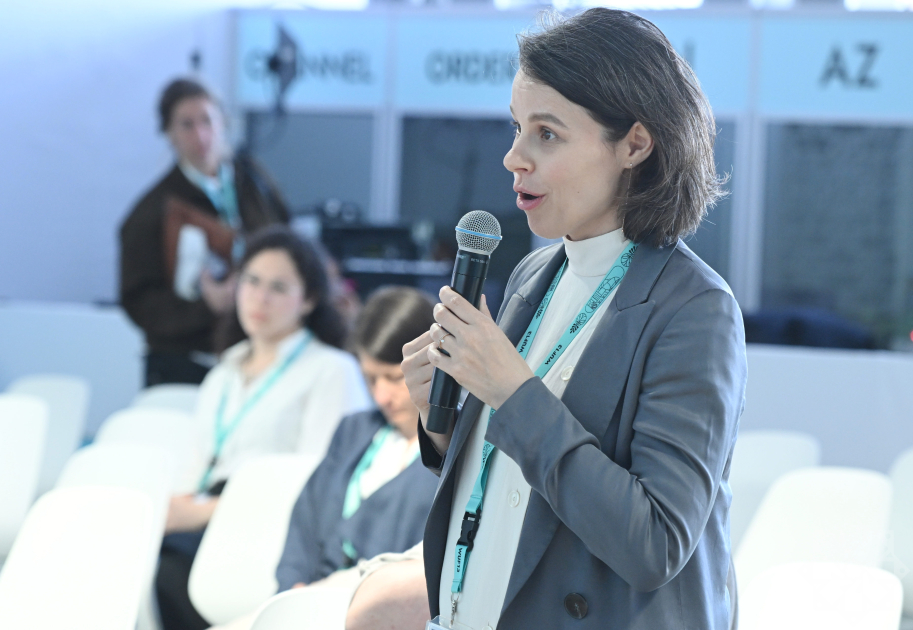
Baku, May 21, AZERTAC
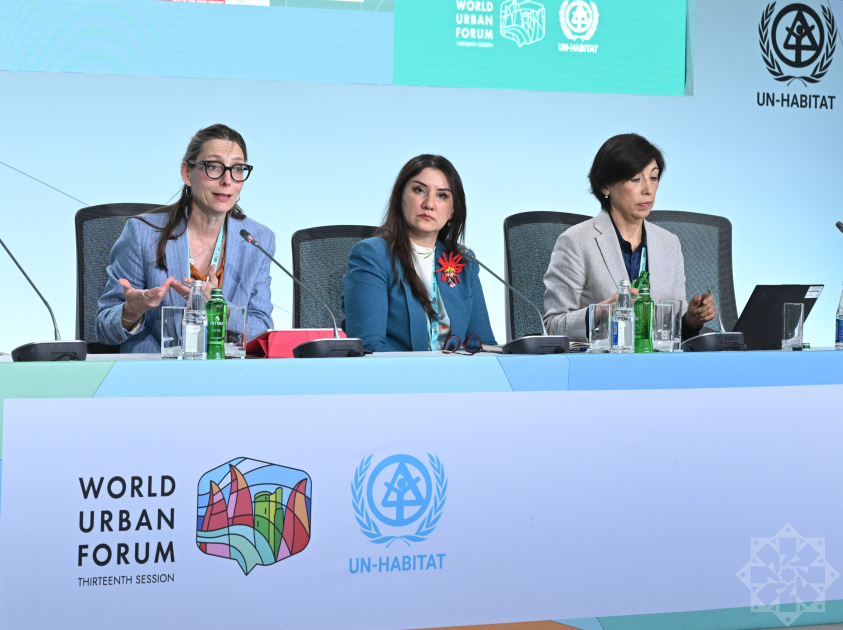
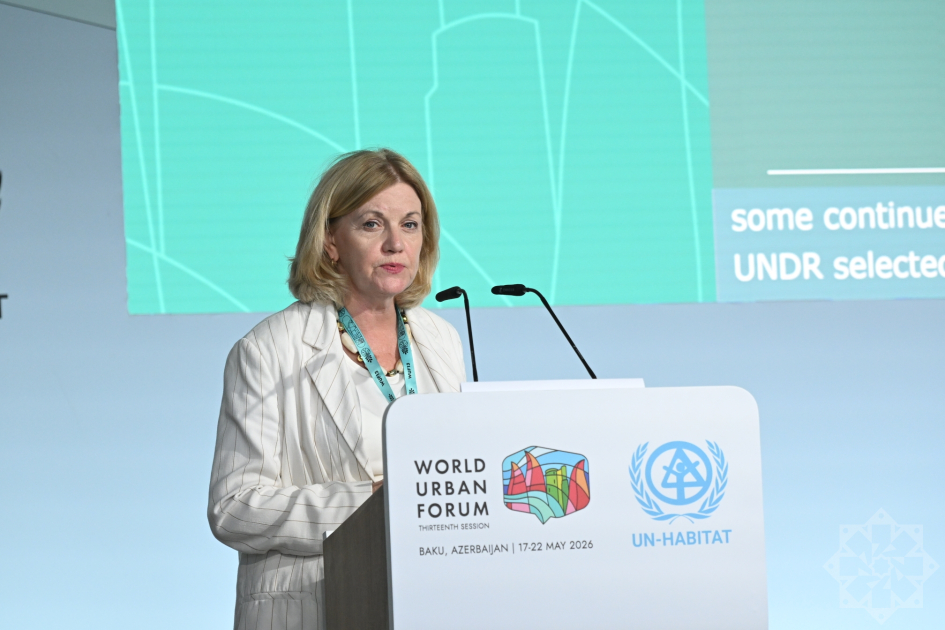
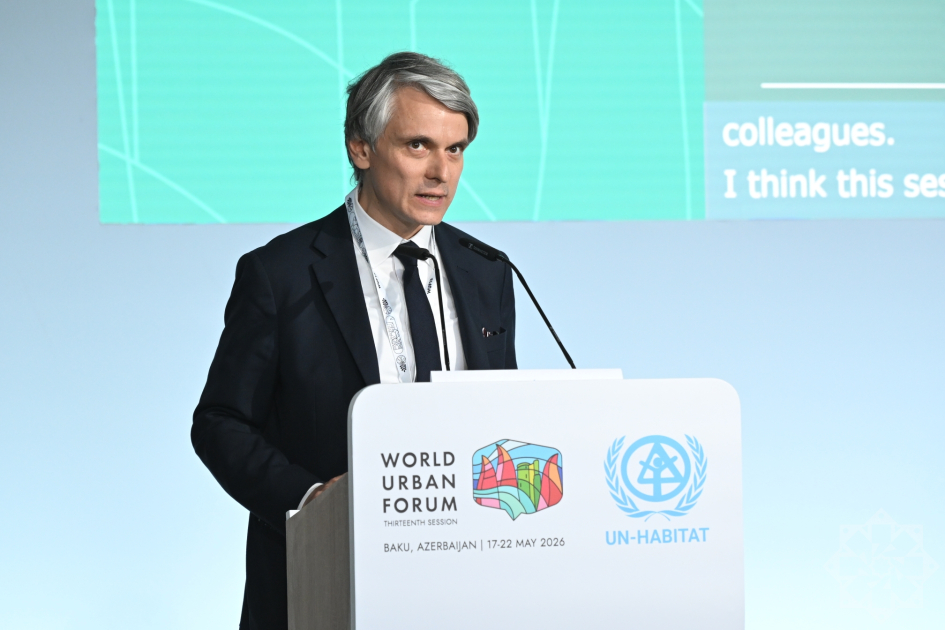
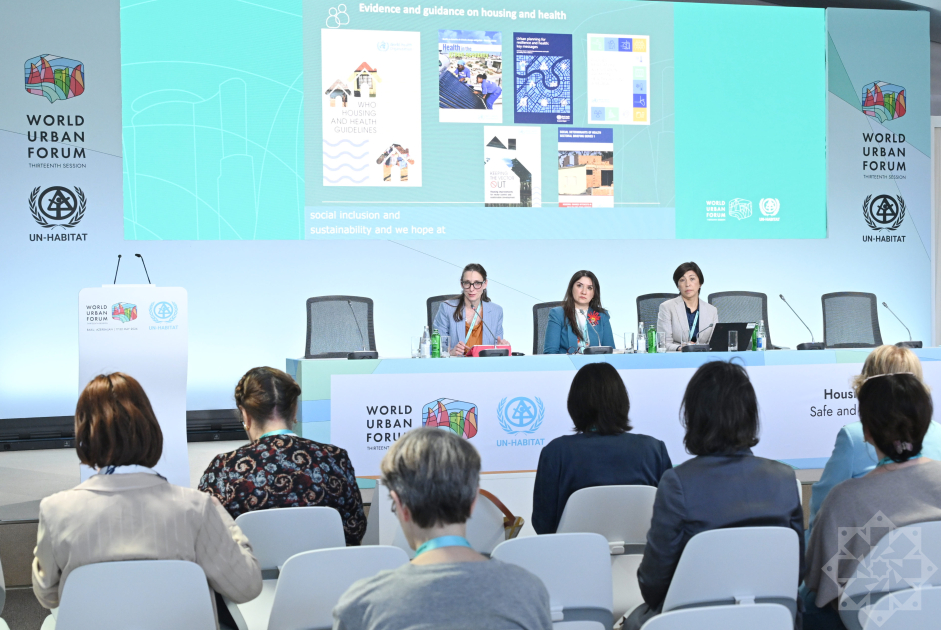
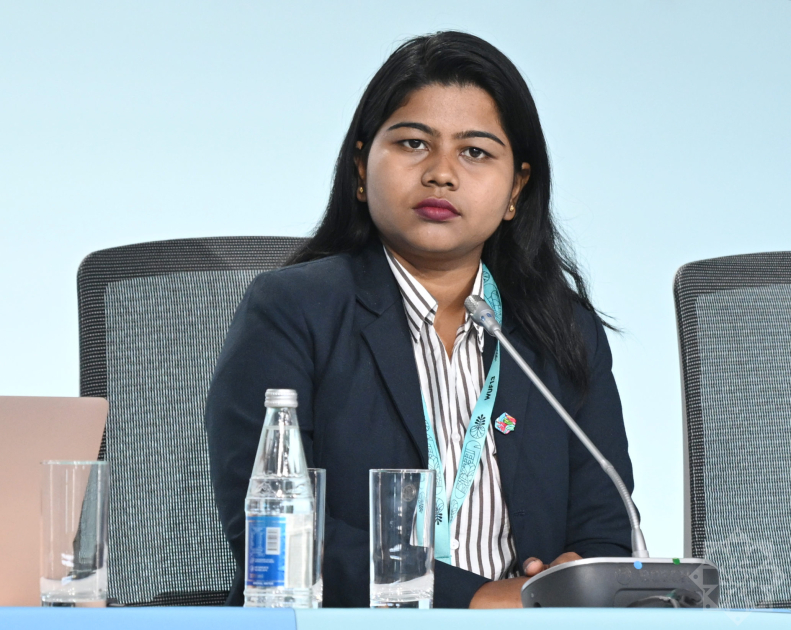
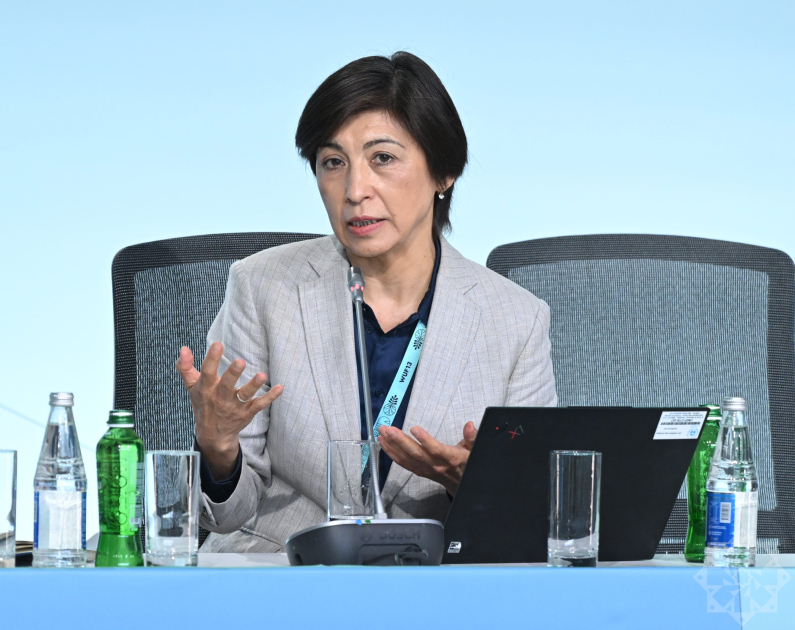
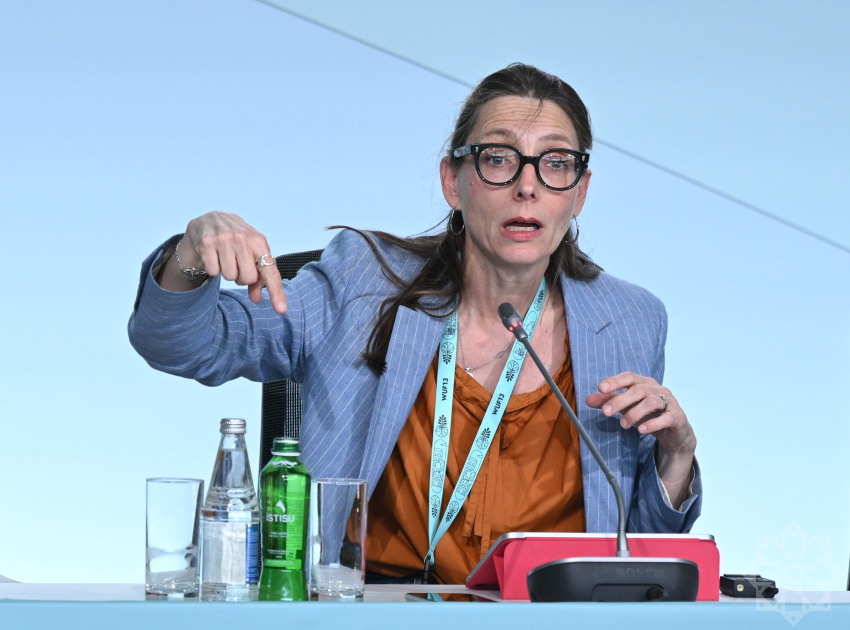
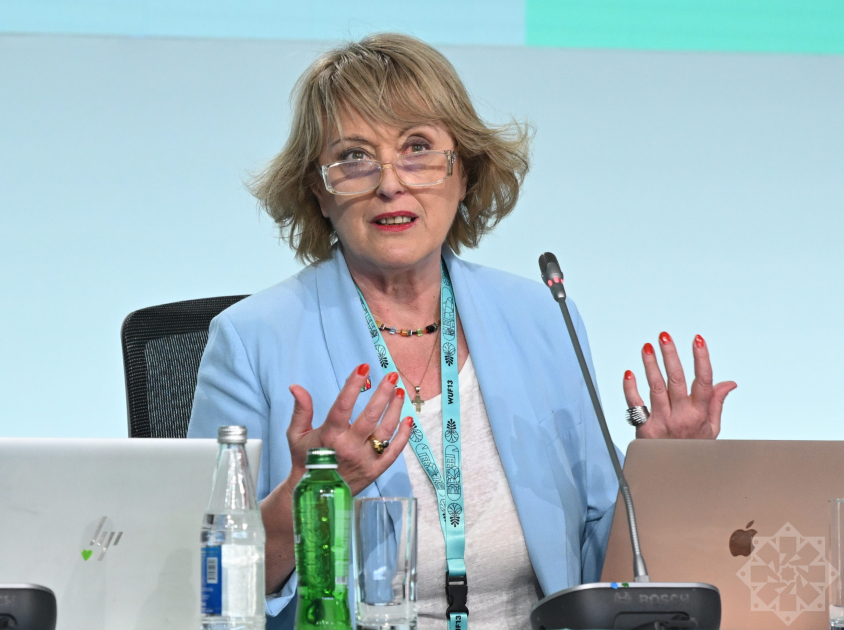
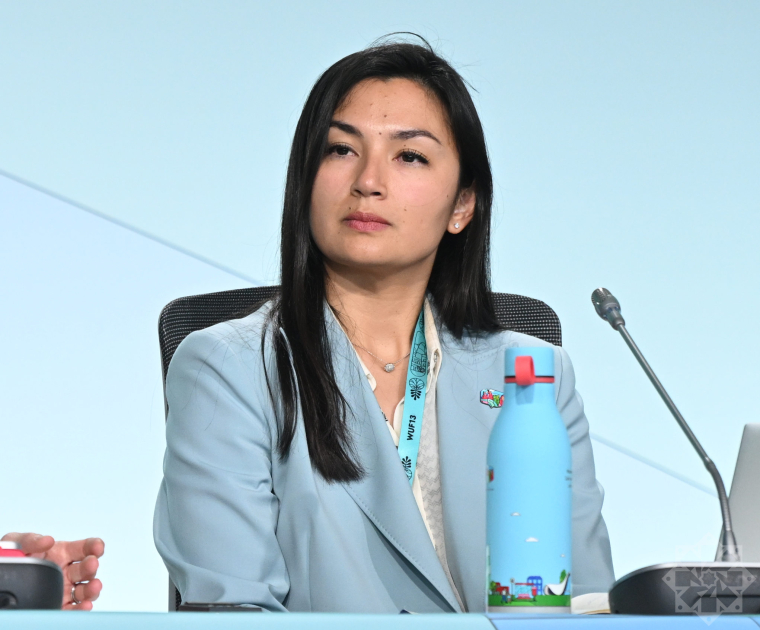
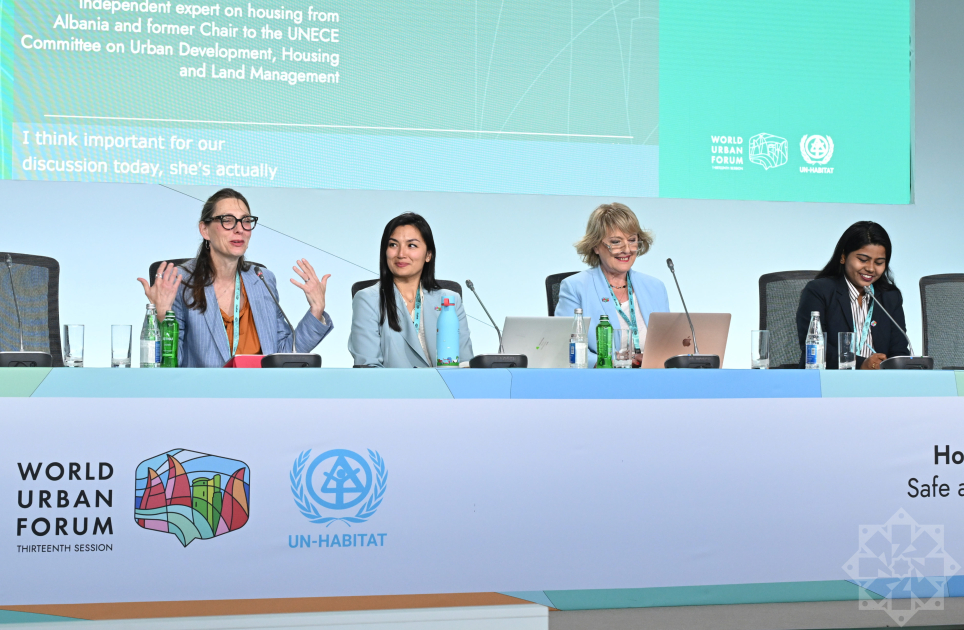
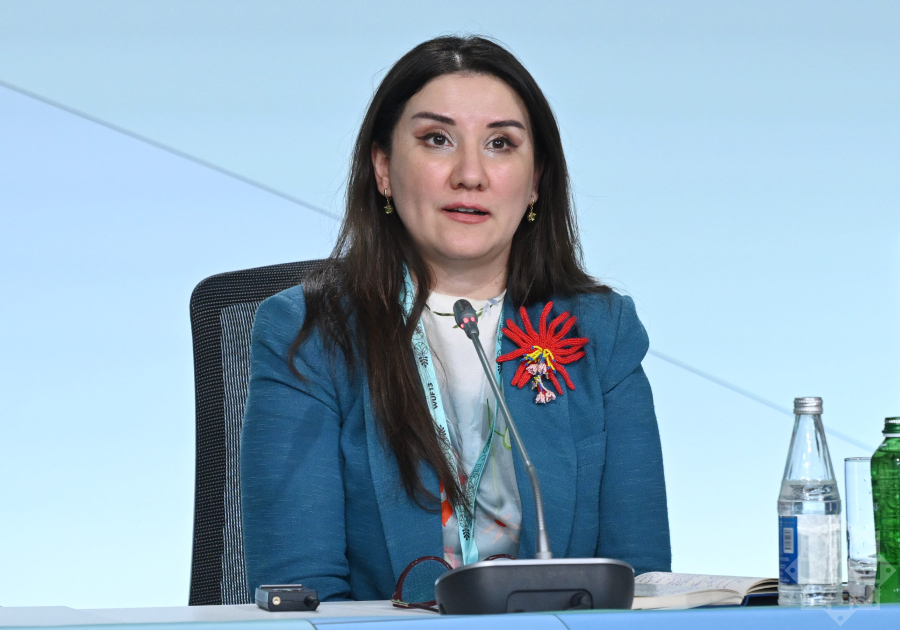
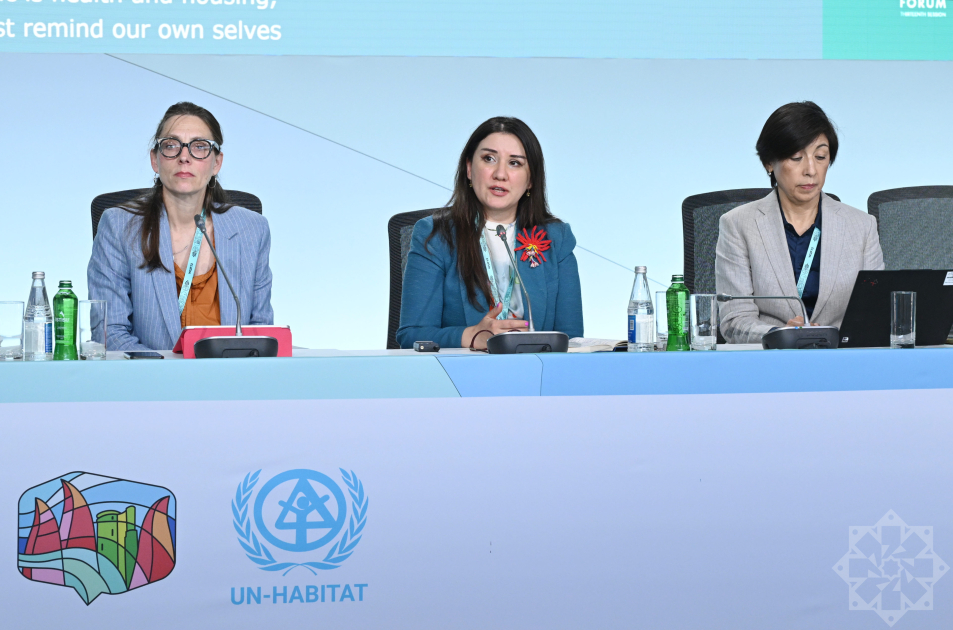
An event titled “Strengthening Health Outcomes Through Sustainable Housing Policies a Multisectoral Dialogue on Housing and Health” was organized as part of the 13th Session of the World Urban Forum (WUF13).
As part of the “ONE UN” event, the United Nations Economic Commission for Europe, the UN Environment Programme, the UN Human Settlements Programme (UN-Habitat), UNICEF, the UN Office for Disaster Risk Reduction, and the World Health Organization came together to hold a multi-sectoral dialogue on housing policy, social inclusion, sustainability and climate resilience, as well as their impact on health in urban environments.
The session saw discussions focused on how these directions can be transformed into more coordinated and practical “ONE UN” solutions and how health outcomes can be strengthened through sustainable housing policies.
Housing is deeply and inseparably linked to human and ecosystem health and well-being. In various urban contexts, housing policies shape health outcomes not only through living conditions but also through broader structural factors such as accessibility, location, climate and disaster resilience, access to basic services and infrastructure, ecological well-being, and biodiversity. These also have indirect effects on education outcomes, economic productivity, and other areas.
As urbanization continues and housing challenges deepen, improving health outcomes in urban environments increasingly depends on how housing policies are developed, coordinated, and implemented. The housing sector is inherently a multidisciplinary policy area. Addressing housing-related problems requires action across many policy directions, including urban planning, land and basic services, construction and energy, transport, social and affordable housing provision, economic planning and labor markets, housing finance, climate change mitigation and adaptation measures, as well as disaster risk reduction.
Within the UN system, various agencies have long been addressing housing issues through different but complementary approaches. Although their focus areas differ, all of them aim to improve health outcomes, especially for vulnerable population groups and people living in informal or high-risk urban areas. For this reason, housing and health issues are considered an important area where the “ONE UN” dialogue can create significant added value. By bringing together different mandates and perspectives, the UN system can support national and local governments in moving away from fragmented approaches toward the implementation of more integrated, multi-sectoral, and multi-level solutions that strengthen health, equality, and urban resilience.
Other news in this section


