Ways to integrate internally displaced persons into urban environments discussed at the World Urban Forum

Baku, May 21, AZERTAC
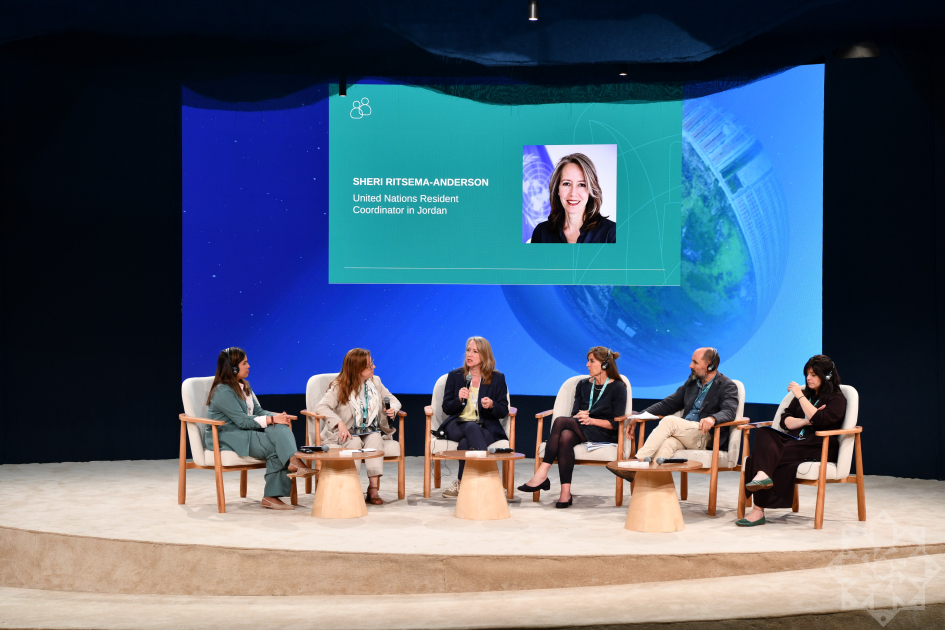
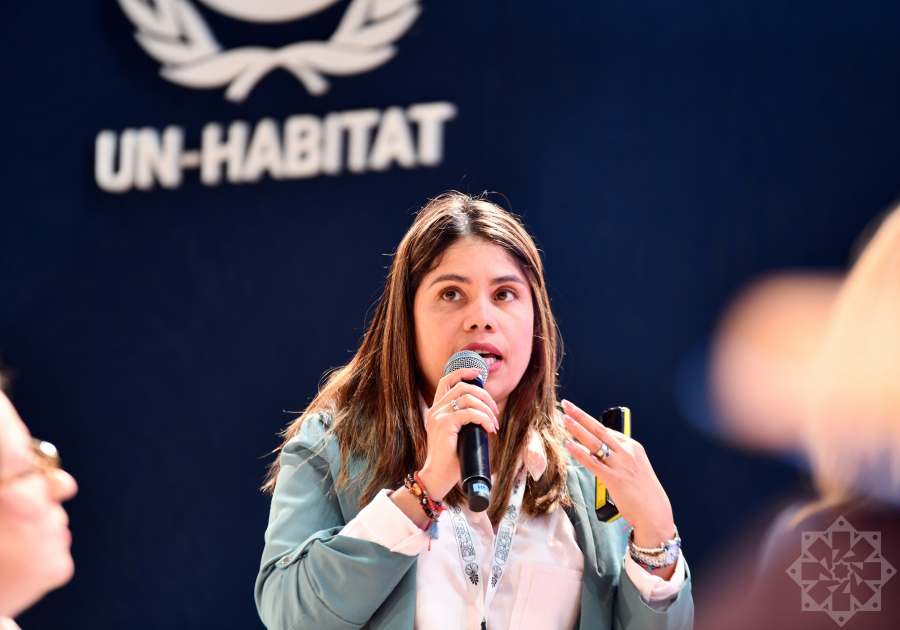
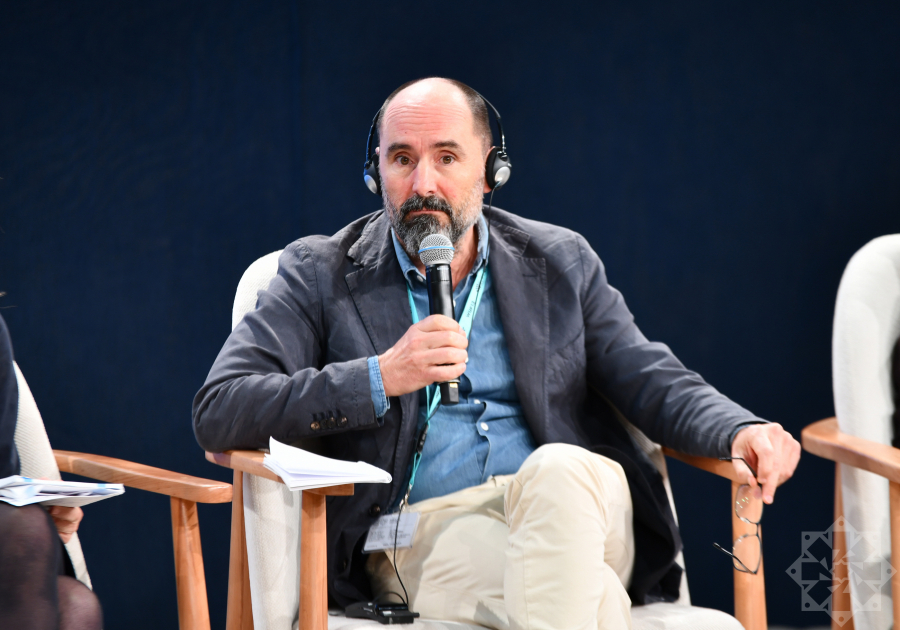
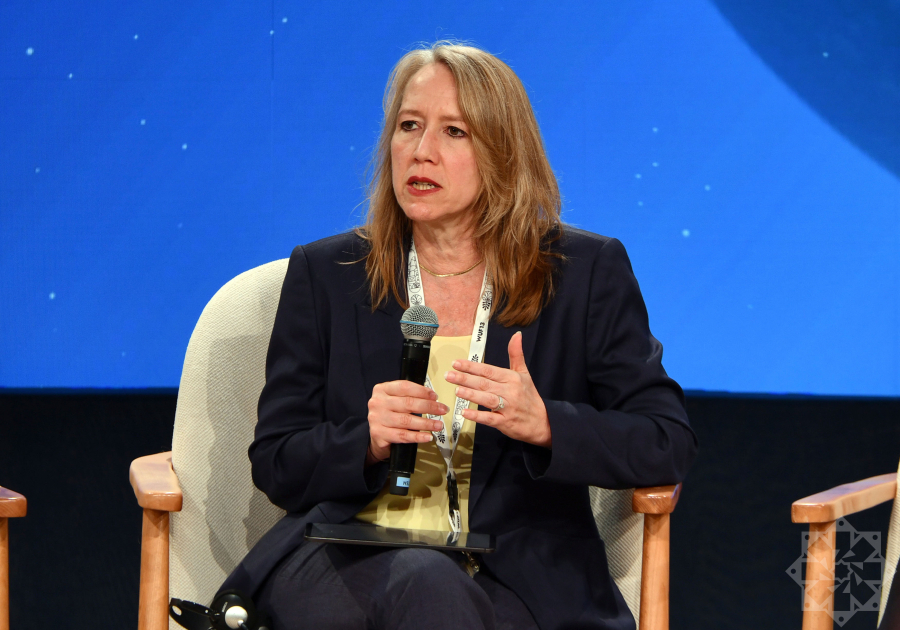
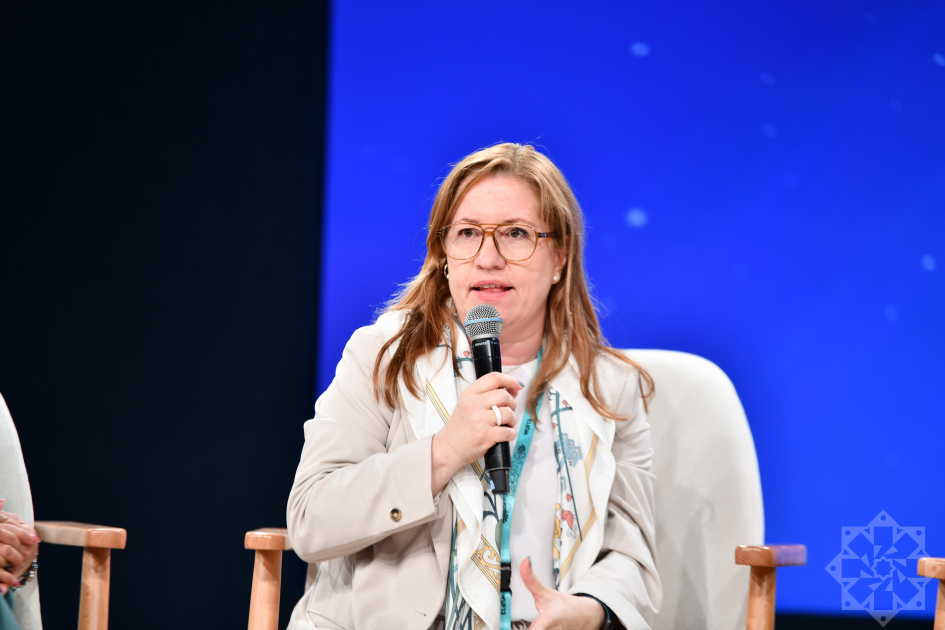
The United Nations Human Settlements Programme (UN-Habitat) organized a session titled “Managing Displacement Across the Humanitarian–Development Nexus and Area-Based Approach” as part of the 13th Session of the World Urban Forum (WUF13).
The event focused on integrated approaches combining humanitarian assistance, urban development, and peacebuilding to address the challenges faced by internally displaced persons (IDPs).
It was noted that with more than 70 million internally displaced persons worldwide — approximately 58 percent of whom live in urban areas — cities are facing growing pressure in terms of housing, access to basic services, employment opportunities, and governance systems. Participants emphasized that solutions should extend beyond short-term humanitarian interventions and incorporate long-term, sustainable development approaches.
Speakers highlighted that urban planning, housing provision, and the improvement of living conditions within the framework of an area-based approach play a crucial role in supporting the sustainable integration of internally displaced persons.
During the discussions, participants referred to UN-Habitat initiatives implemented in countries including Colombia, the Central African Republic, Afghanistan, and Sudan as examples demonstrating the effectiveness of this approach. These initiatives, focused on strengthening urban systems, improving land and housing security, and enhancing local governance, were said to have contributed significantly to sustainable solutions.
The event also underscored that reinforcing approaches that integrate humanitarian aid, development, and peacebuilding is among the key factors in strengthening the resilience and social cohesion of both host communities and internally displaced persons.
Other news in this section


