Minister: Livable Baku Project holds strategic importance for improving the environmental situation in the City
Baku, May 21, AZERTAC
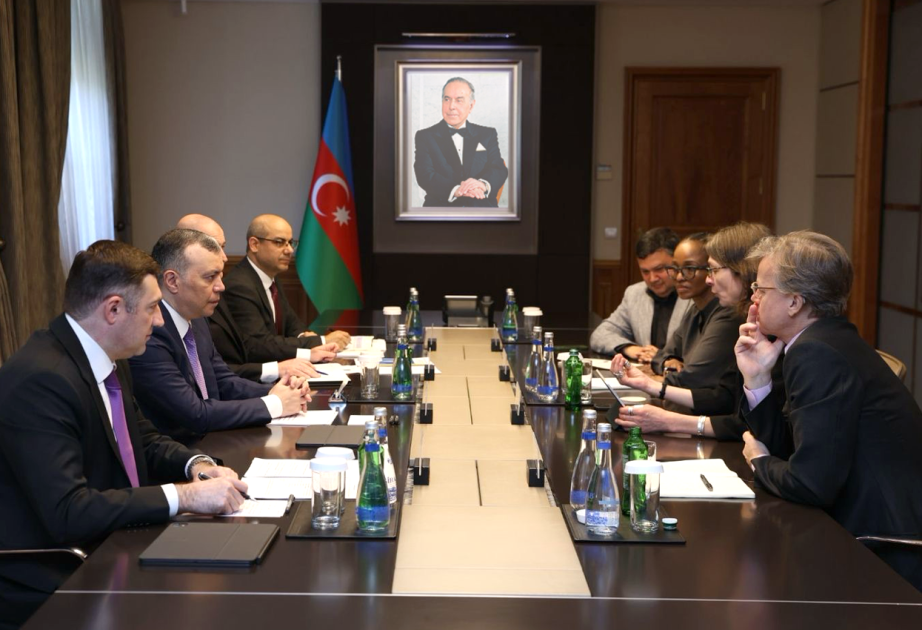
On May 21, Azerbaijan’s Finance Minister Sahil Babayev met with a visiting delegation from the World Bank’s Livable Baku project team.
The meeting discussed the main areas of cooperation between the Azerbaijani Government and the World Bank Group within the framework of the Livable Baku Project, which is currently in the preparation stage, as well as sustainable urban development, ecological resilience, and the promotion of green infrastructure in the country and the region.
Minister Sahil Babayev stated that the partnership with the World Bank plays an important role in supporting Azerbaijan’s socio-economic development, deepening institutional reforms, and forming modern and sustainable infrastructure.
He noted that the Livable Baku Project is of strategic importance for improving the environmental situation in Baku, increasing climate resilience, and accelerating the transition to a more sustainable urban development model.
The project envisages the renovation of urban infrastructure and public spaces, the improvement of solid household waste management, the rehabilitation of polluted areas, and the strengthening of urban governance systems.
The Minister emphasized the importance of implementing the project in a phased and priority-based manner, noting that preparatory work is continuing in close coordination with the World Bank, and expressed gratitude for the support provided.
The World Bank delegation highly appreciated the ongoing urban planning and climate-oriented reforms in Azerbaijan, stating that the Livable Baku Project could become an exemplary initiative in terms of modern urban development and ecological transformation.
During the meeting, the parties also exchanged views on opportunities for cooperation on other infrastructure and social initiatives in the country, including regional road infrastructure and employment support programs.
The sides underlined the importance of strengthening institutional coordination, increasing the level of technical preparation, and ensuring long-term sustainability in the next stages of the project.
Other news in this section


