Urban revival and cultural heritage: “SeCure” model discussed at WUF13
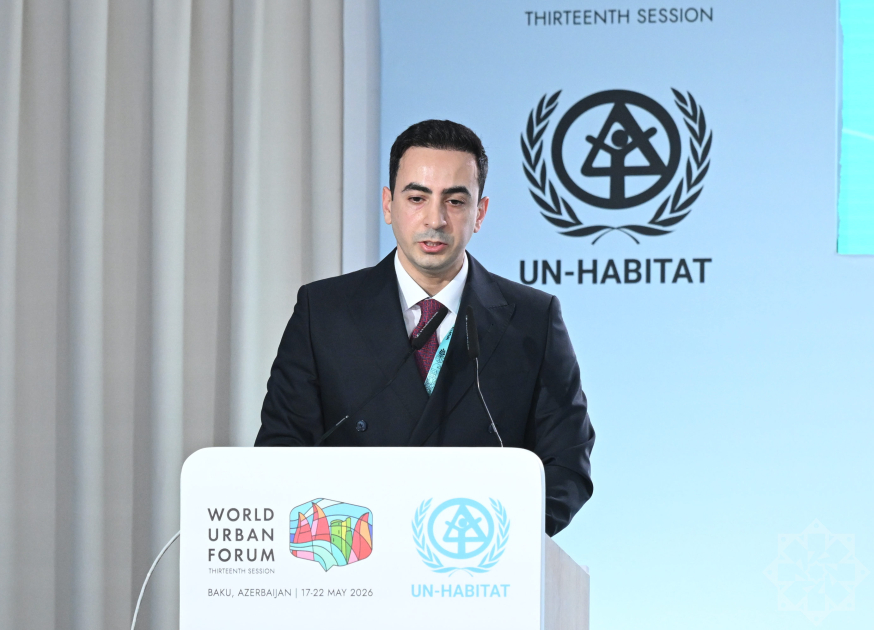
Baku, May 21, AZERTAC
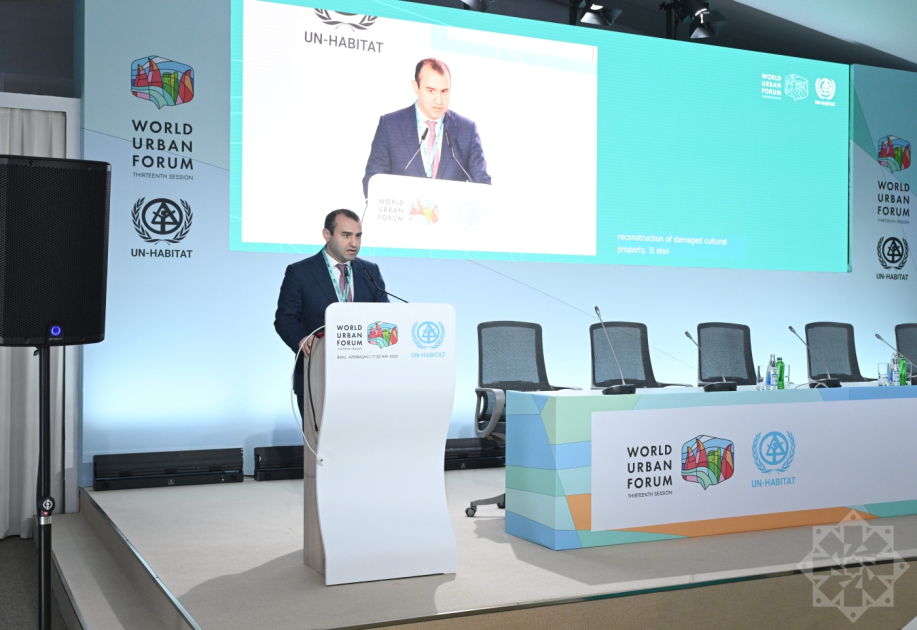
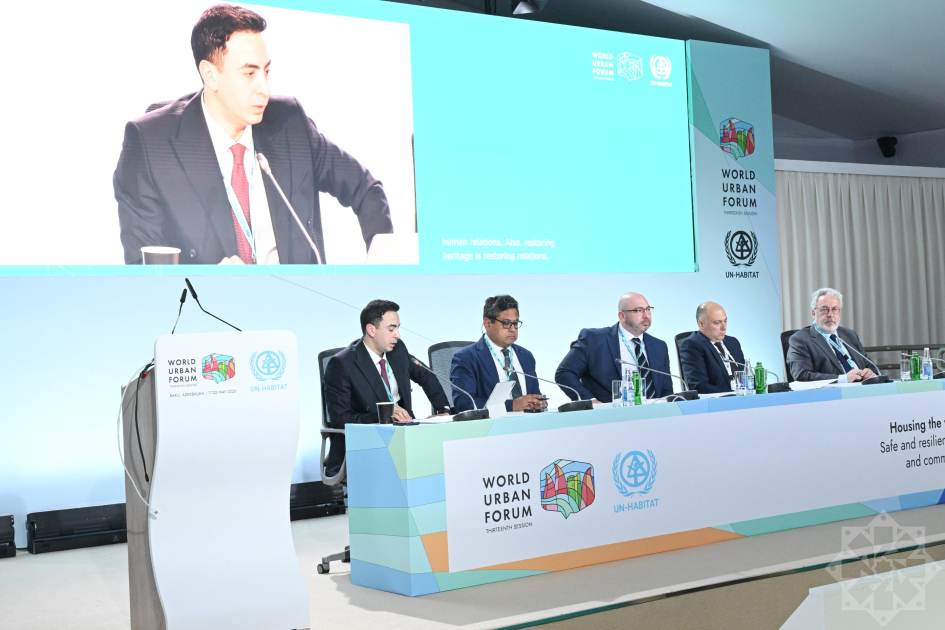
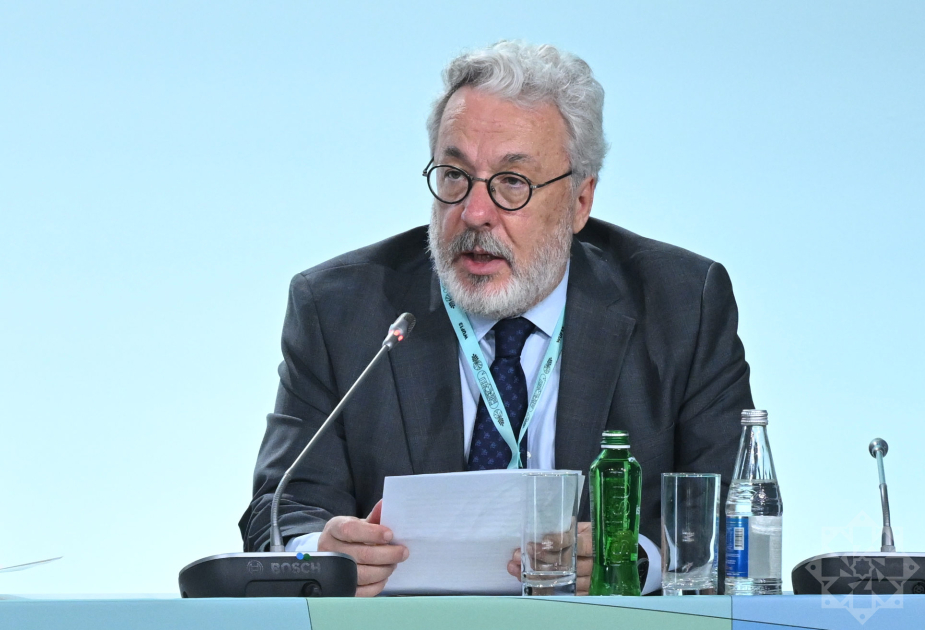
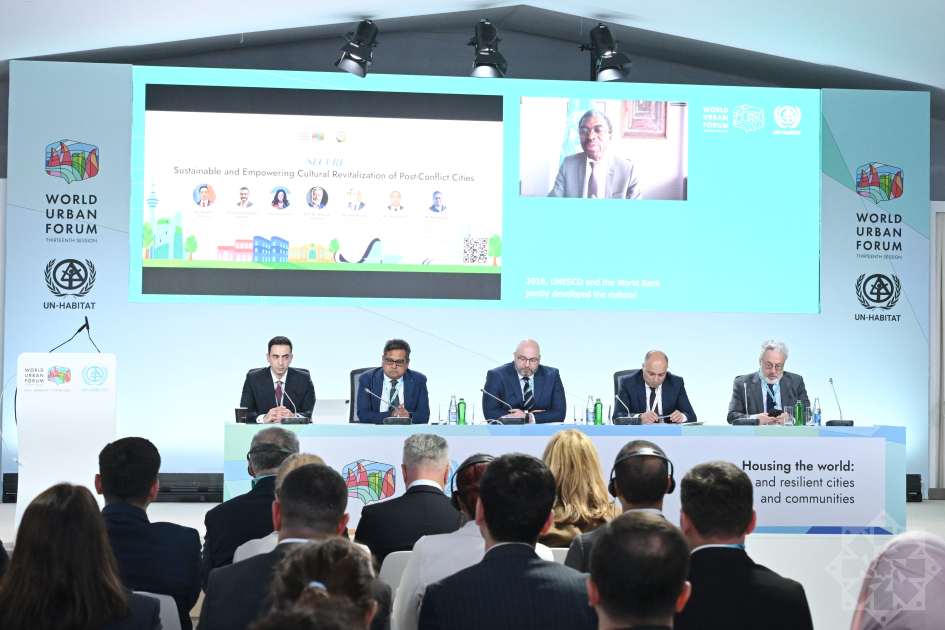
A panel session titled “SeCure Model - Sustainable and Empowering Cultural Revitalization of Post-Conflict Cities” was held on May 21 as part of the 13th Session of the United Nations World Urban Forum (WUF13), organized by Azerbaijan’s Ministry of Culture.
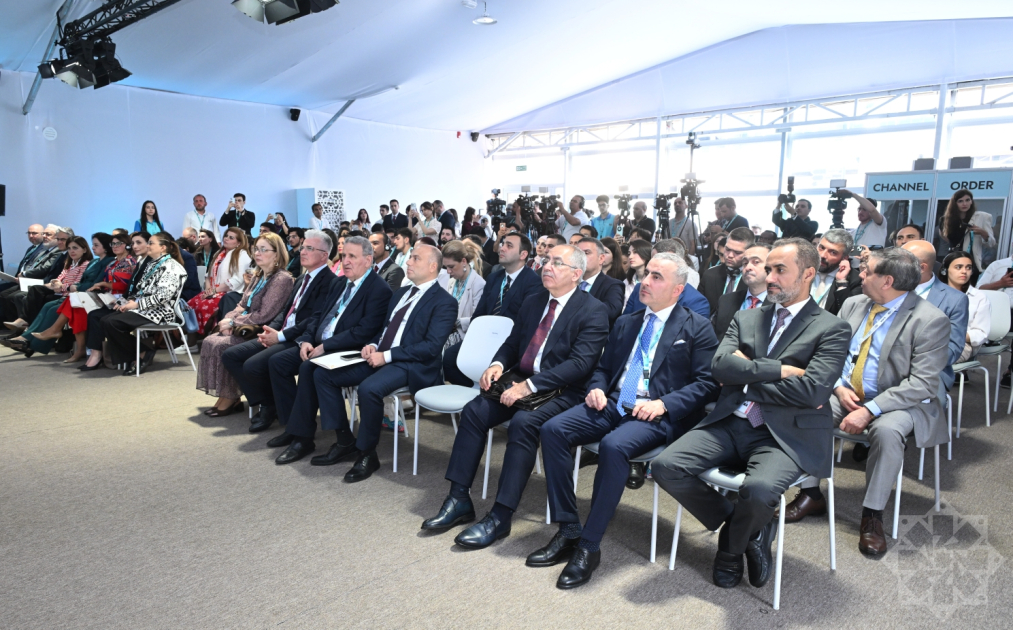
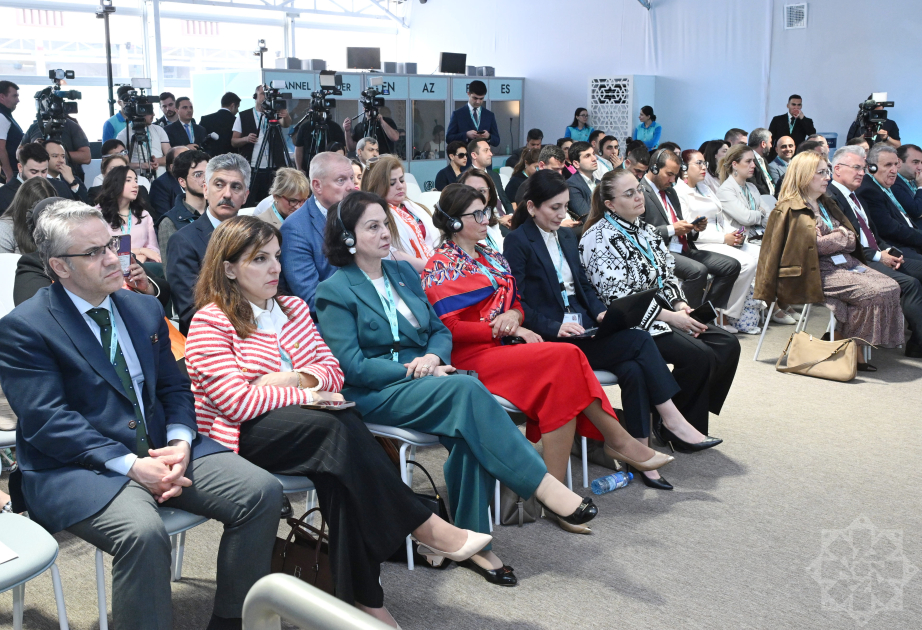
The event brought together representatives of member states, UN system officials, civil society institutions, international and local experts in cultural heritage, as well as representatives of academic circles.
Delivering opening remarks, Deputy Minister of Culture of Azerbaijan Farid Jafarov highlighted the significance of Azerbaijan hosting this important event as a country internationally recognized for its achievements in urban planning, urban development, and rich cultural traditions.
The Deputy Minister stressed that the preservation of cultural heritage is not only a cultural issue, but also a universal humanitarian responsibility and one of the key pillars of sustainable development and stability.
He noted that following the full restoration of Azerbaijan’s territorial integrity, a large-scale reconstruction program was launched under the leadership of President Ilham Aliyev. As part of the “Great Return” Program, the repatriation process to Garabagh and East Zangezur is currently underway.
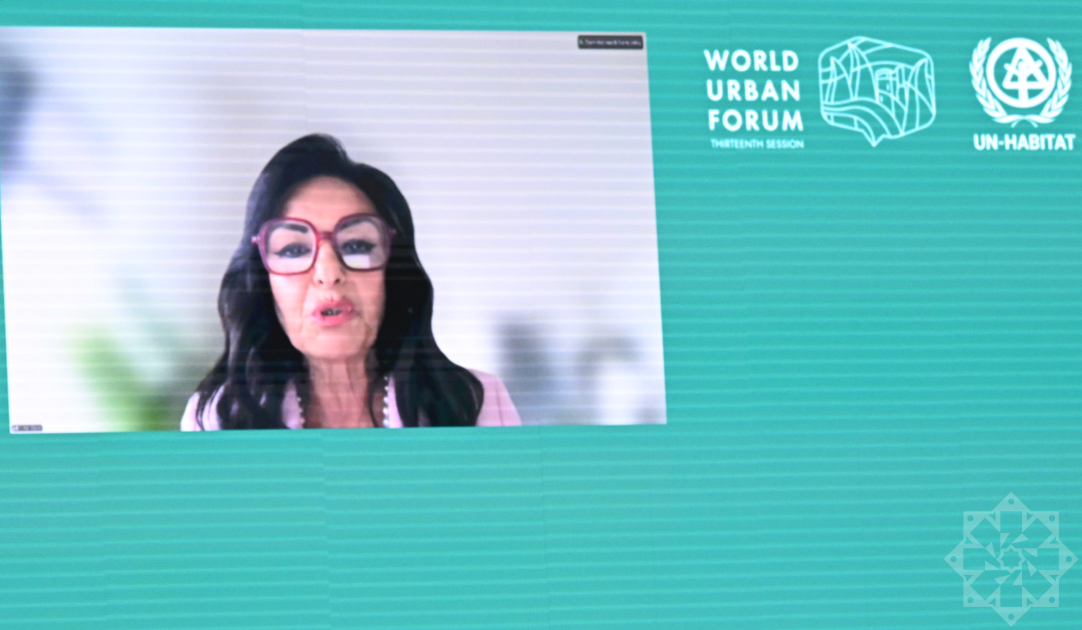
In a video address, Nihal Saad, Director of the United Nations Alliance of Civilizations, noted that cities are not merely composed of concrete and infrastructure, but are built upon culture, memory, and identity. She emphasized that a human-centered approach and strengthening the sense of belonging play a key role in this regard.
She stressed that, in this context, the restoration of heritage plays an important role in promoting intercultural dialogue.
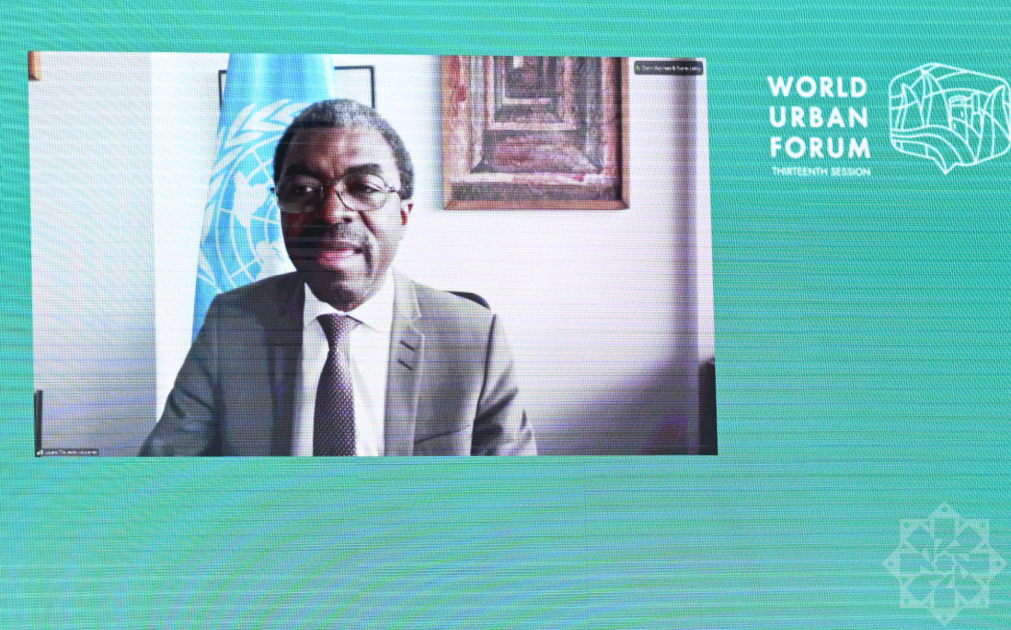
The speakers discussed key issues related to the preservation of cultural heritage, restoration of urban identity, and strengthening the social resilience of communities during the reconstruction and rehabilitation of cities in post-conflict periods within the framework of the presentation of the “SeCure” model.
The discussions also focused on inclusive urban planning approaches, sustainable development principles, and the role of culture in urban regeneration.
The participants emphasized that the “SeCure” model offers a unified and systematic approach in these areas, noting that culture is not only heritage to be preserved, but also a strategic resource shaping the future development of cities.
Other news in this section


