Ex-Diplomat proposes Referendum on Constitutional Amendments in North Macedonia
Baku, May 21, AZERTAC
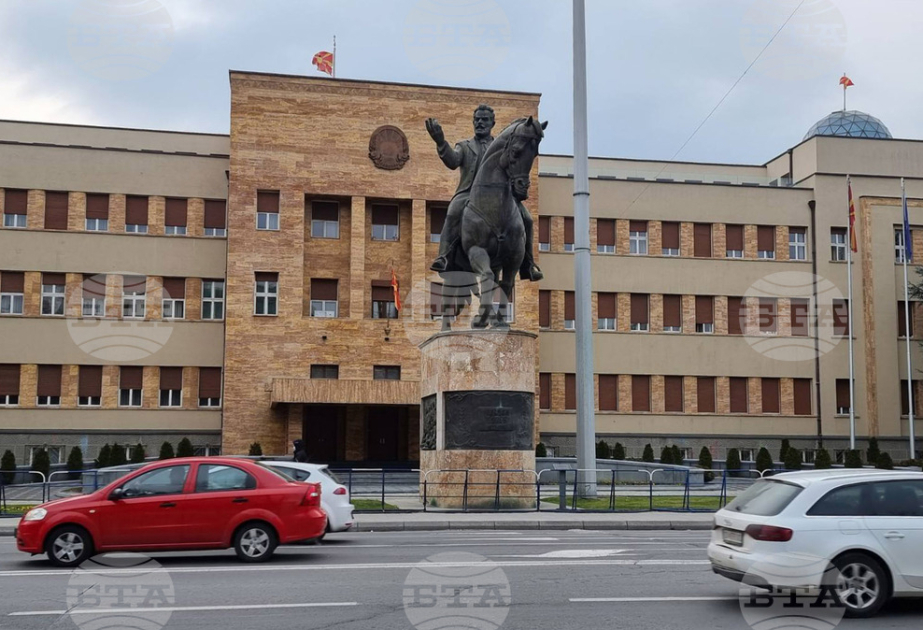
North Macedonia's former diplomat Viktor Gaber has submitted a proposal to the parliament in Skopje calling for a referendum on constitutional amendments, as a way for citizens to directly express their view on continuing EU accession talks, according to the Bulgarian News Agency (BTA). Gaber is first co-chair of the joint interdisciplinary commission between North Macedonia and Greece.
The petition proposes that the referendum question concern changes to the Constitution that would add Croats, Bulgarians and Jews to the preamble alongside the communities already listed. Gaber argues that this issue should be decided by citizens, as European integration has been a strategic commitment since the country's independence in 1991.
He further states that, as the highest source of political legitimacy, citizens should decide whether North Macedonia should continue on its European path by adopting these amendments, thereby transferring responsibility for the issue to a direct public mandate.
The proposal comes at a time when North Macedonia has not advanced in EU accession talks due to the constitutional requirement to include Bulgarians in the basic law, as set out in the negotiation framework. The framework was signed in 2022, but the required two-thirds parliamentary majority for constitutional change has not been secured.
The argument has been politically contested domestically, with opposition from VMRO-DPMNE, which won the 2024 elections and formed the current government. Meanwhile, Albania has been separated from North Macedonia in the EU accession process and continued its negotiations independently, intensifying internal debate in North Macedonia.
Gaber's proposal also states that if a majority votes in favour, parliament would proceed with the constitutional changes; if they vote against, the country should abandon its current EU-oriented strategic direction and adopt a new one.
For the proposal to take institutional effect, it must first pass through parliamentary procedure.
Other news in this section


