WUF13 session highlights urgency of scalable, decarbonized, and locally sourced affordable housing
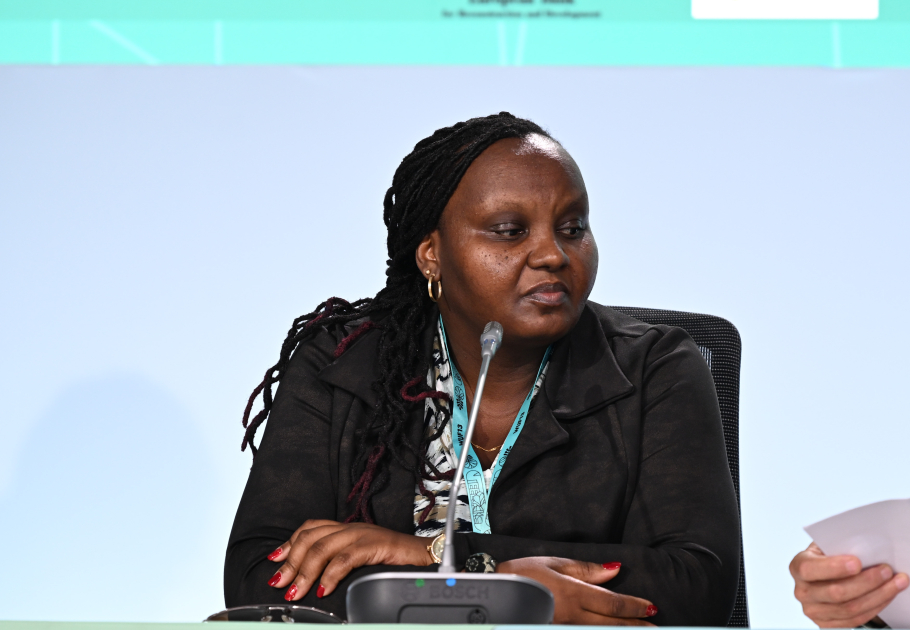
Baku, May 20, AZERTAC
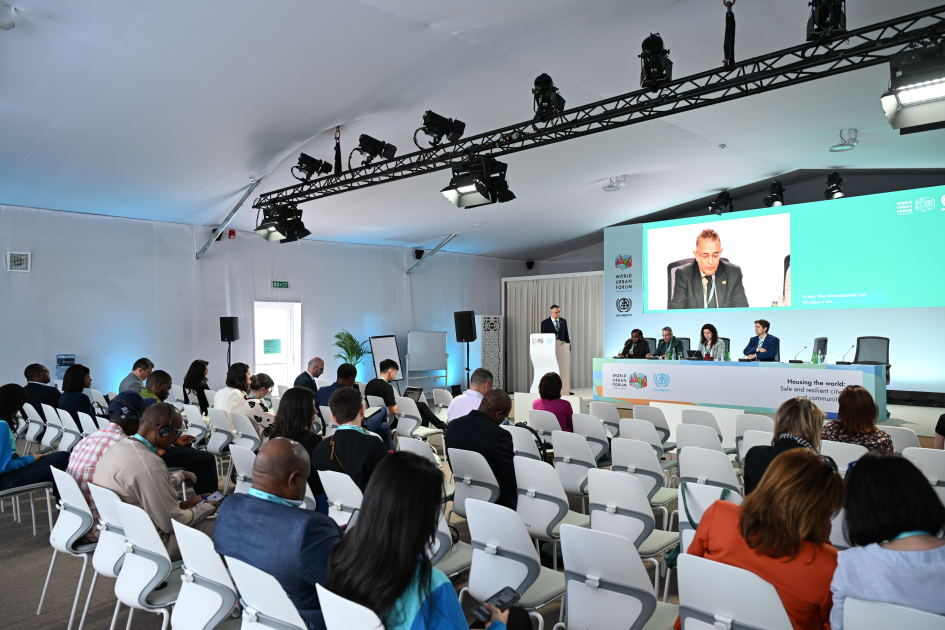
A high-level technical session titled " Green Affordable Housing at Speed and Scale - Delivering decarbonised, resilient and locally sourced homes" was held today within the framework of the 13th Session of the United Nations World Urban Forum (WUF13) in Baku.
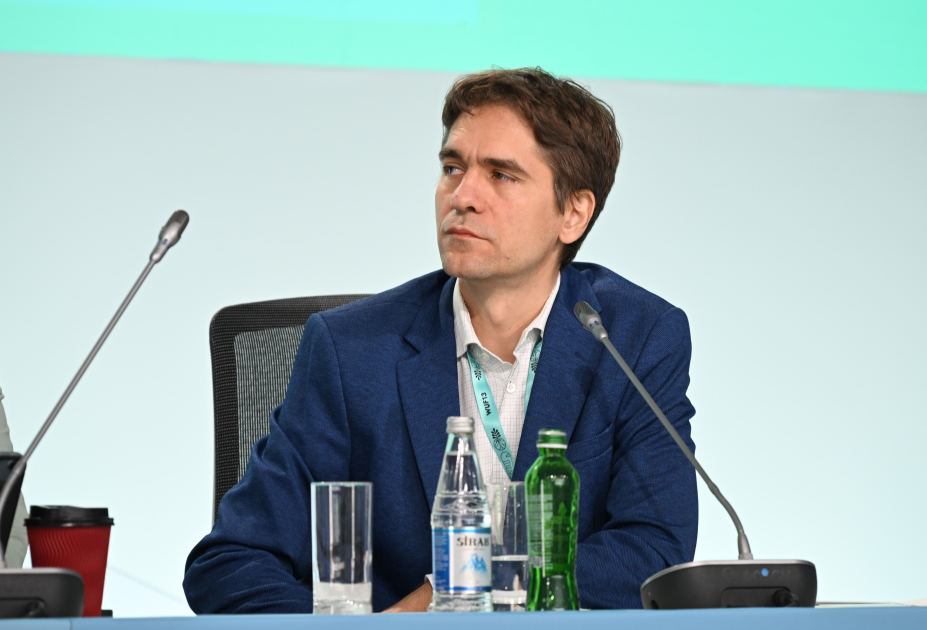
The panel, moderated by Bojan Bogdanovic, Principal Energy Efficiency Specialist at the European Bank for Reconstruction and Development (EBRD), focused on the economic and ecological necessity of scaling sustainable residential construction utilizing indigenous raw materials.
Maureen Njeri, Nairobi City County Executive Committee Member for Green Nairobi, highlighted the critical need to deliver green, affordable housing solutions against the backdrop of Africa's massive demographic shift. She outlined Nairobi’s strategic municipal responses, the structural bottlenecks faced by local governments, and the intense pressures brought on by rapid urbanization.
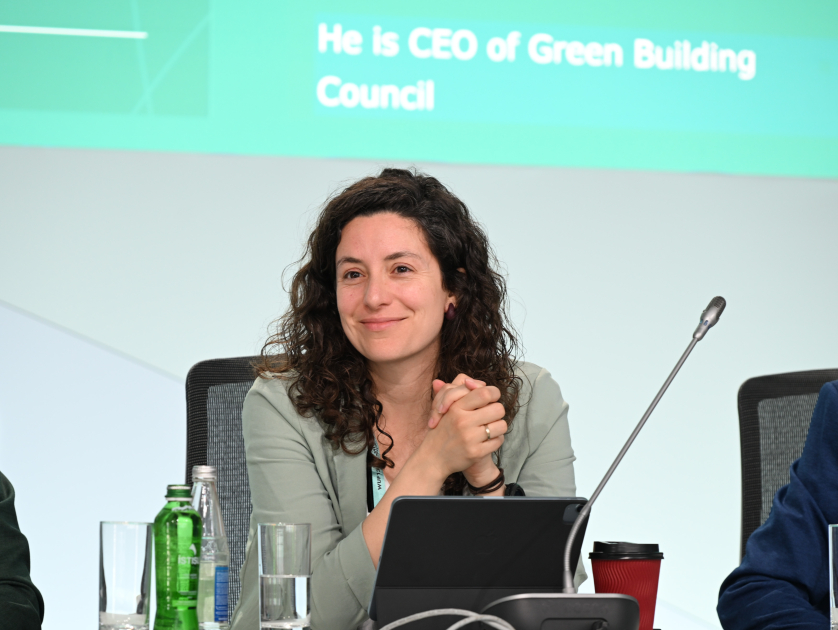
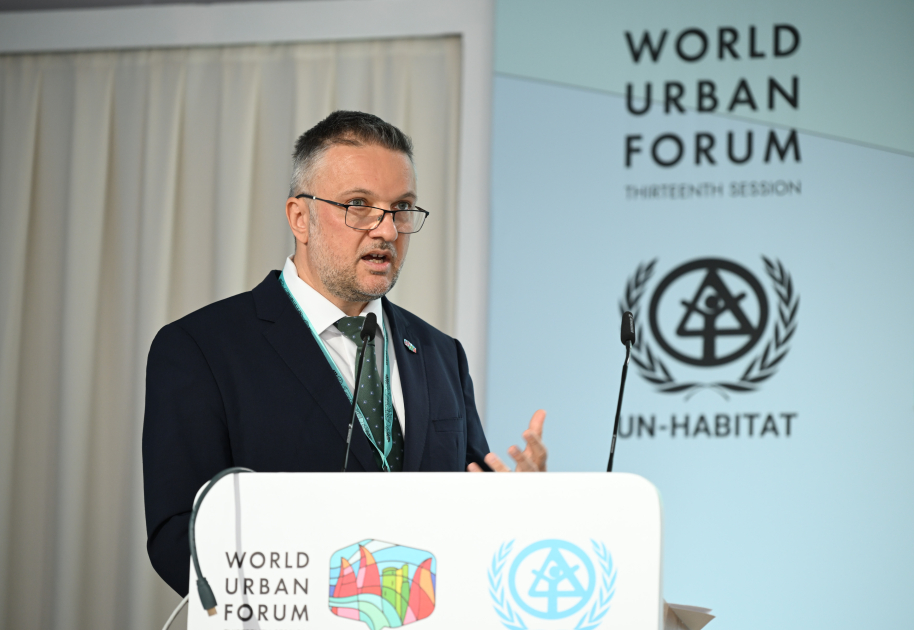
The discussion featured further expert presentations from Marco Vottolina, Sustainable Housing Expert, Land, Housing and Informal Settlements Section at UN-Habitat; Fuad Bagirov, CEO of the AzGBC - Green Building Council Azerbaijan; Priscilla Negreiros, Associate Director Climate Finance at Cities Climate Finance Leadership Alliance; and Sinisa Trkuljia, Urban Planner at the Agency for Spatial and Urban Planning of the Republic of Serbia.
The panelists exchanged insights on structuring affordable housing frameworks, incentivizing energy-efficient building techniques, embedding climate resilience into municipal master plans, and mobilizing private capital through strategic investor partnerships.
The delegates emphasized that affordable housing initiatives must be backed by climate-resilient infrastructure capable of withstanding extreme weather anomalies. Highlighting the global scale of the crisis, the panel noted that at least 30 million people worldwide have already been displaced due to climate change.
To address this, experts agreed that affordable housing development must be fundamentally anchored in deep decarbonization, renewable energy integration, and clean technologies. They concluded that comprehensive municipal planning must systematically prioritize resource efficiency, low-embodied-carbon building materials, transit-oriented development to mitigate transport emissions, indoor environmental quality, and the overall net-zero carbon balance of urban ecosystems.
Other news in this section


