Business roundtable concludes at WUF13

Baku, May 20, AZERTAC
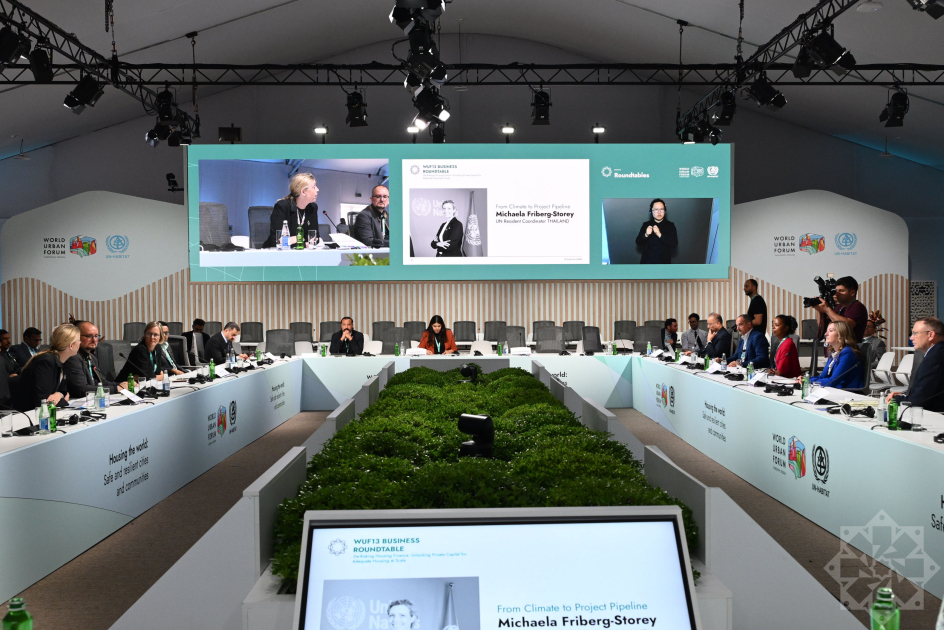
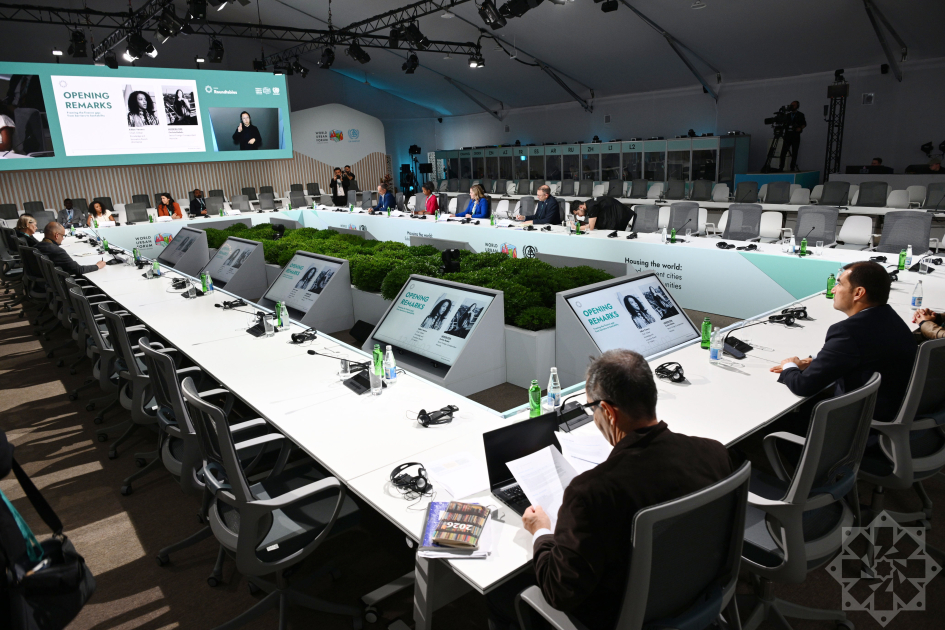
The global housing crisis, financial mechanisms for sustainable urban development, and the role of the private sector were the primary topics of discussion at the "Business Roundtable" event held as part of the 13th Session of the United Nations World Urban Forum (WUF13).
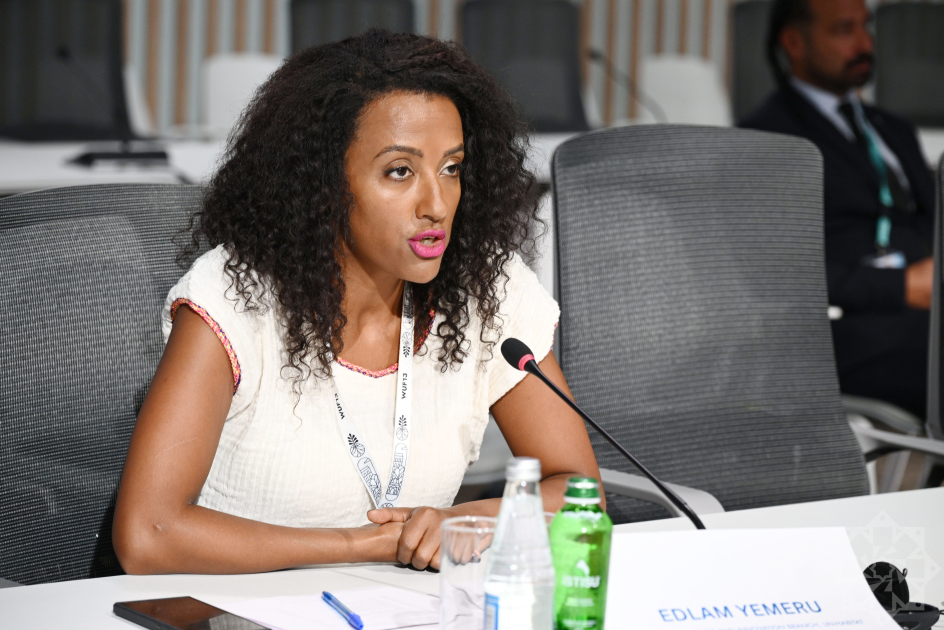
UN-Habitat representative Edlam Yemeru stated at the event that 3.4 billion people globally currently face various risks regarding housing and living conditions. According to her, WUF13 serves as a vital international platform for discussing practical solutions to address these challenges.
Edlam Yemeru noted that UN-Habitat attaches special importance to expanding cooperation among government entities, local authorities, civil society, and the private sector. She emphasized that the existing gaps in housing finance cannot be resolved solely through public resources, making the private sector an indispensable partner in this direction.
The discussions touched upon issues such as risk and return expectations, regulatory frameworks, the impact of climate risks on insurance and asset value, as well as the long-term economic efficiency of sustainability investments. In particular, the importance of striking a balance between commercial viability and maintaining the principles of affordability and inclusivity was noted.
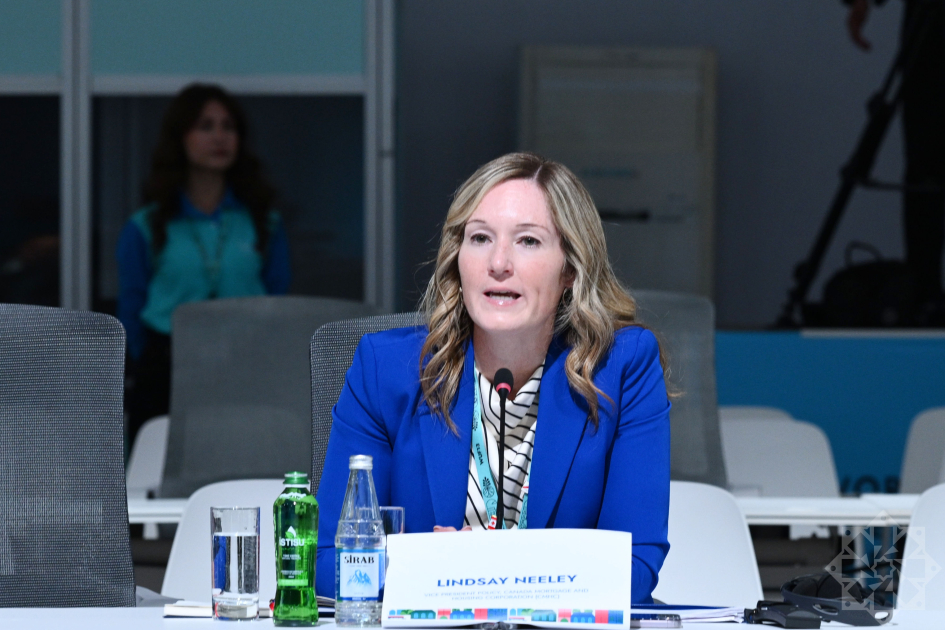
Speaking during the first part of the session, Lindsey Neeley spoke about current housing challenges in Canada. She stated that special emphasis is placed on attracting private investments for mortgage insurance. The significance of affordable housing projects implemented with state support was also emphasized.
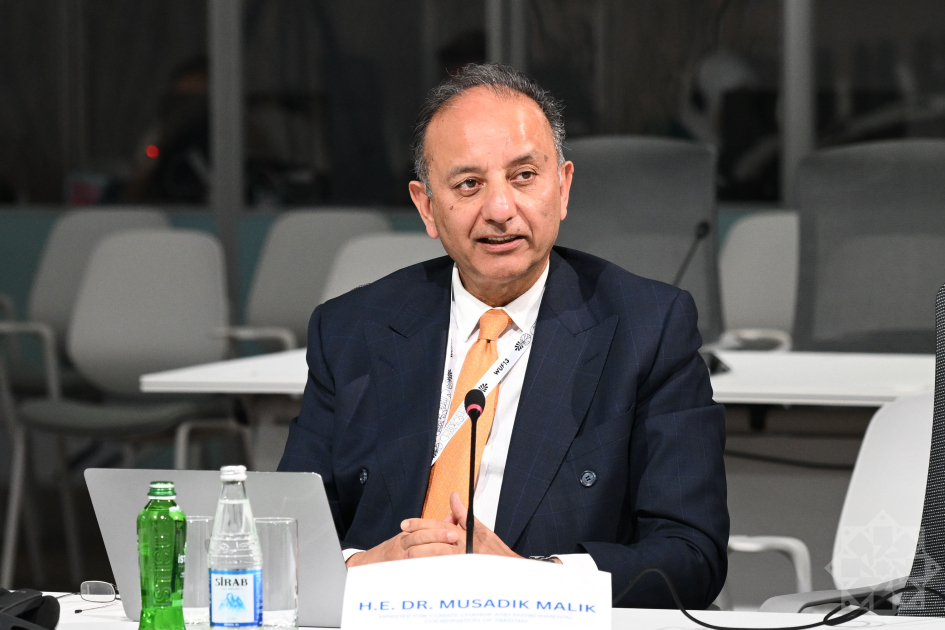
Pakistan's Minister for Climate Change, Musadik Malik, stated that mass migration caused by the climate crisis has led to serious social problems. According to him, existing approaches and mechanisms are no longer yielding effective results, creating a need for new financial and governance models.
Kamil Aliyev, a representative of "PMD Group LLC" and an expert in real estate development from the University of Washington, stated in his speech that housing projects implemented in Azerbaijan, particularly in the Garabagh region, hold great significance from an urban planning and investment perspective. He noted that efforts are underway to execute various residential projects in Zangilan, Shusha, and the Garabagh region as a whole.
The event also featured extensive discussions on the role of innovative financial instruments, such as public-private partnerships, blended finance models, guarantee mechanisms, and social impact bonds, in providing sustainable housing.
Other news in this section


