SDGs localization as part of WUF13: Cities become co-creators of the global agenda
Baku, May 20, AZERTAC
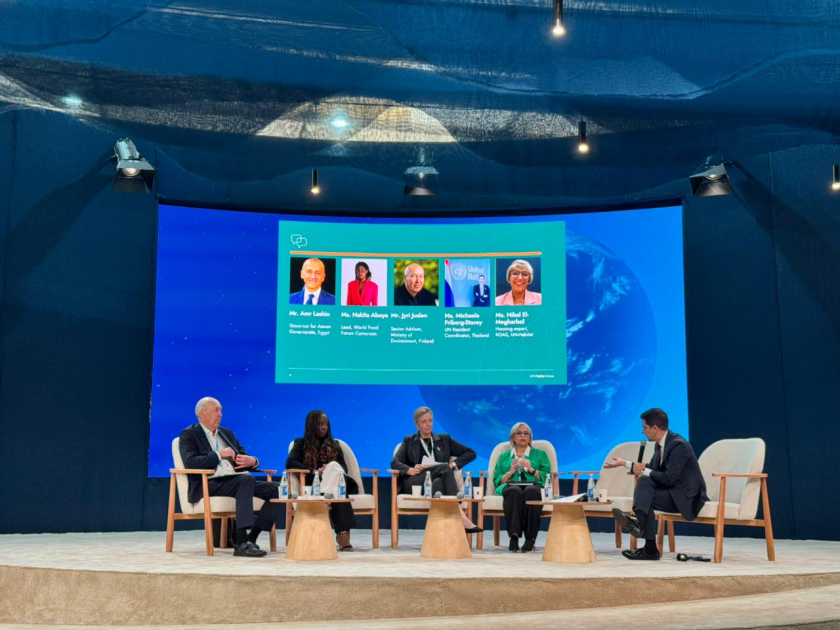
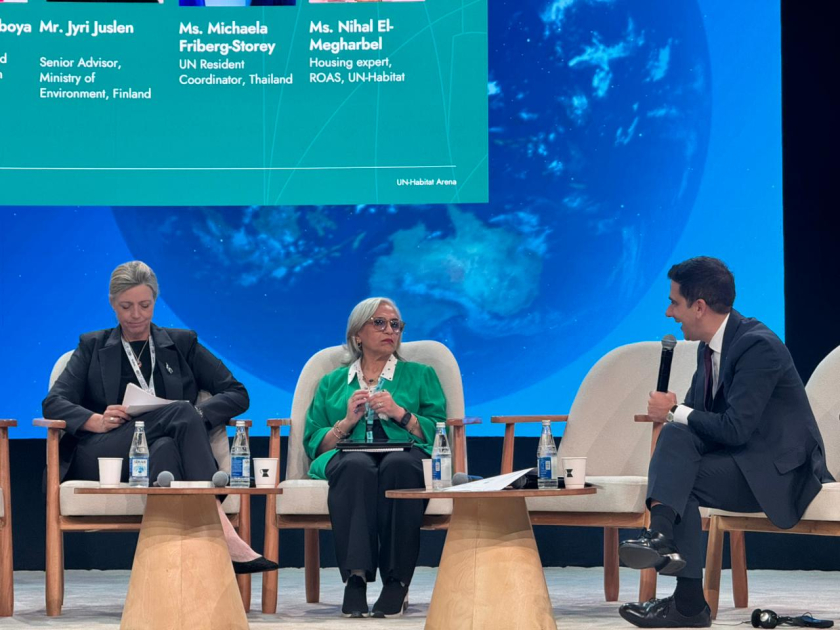
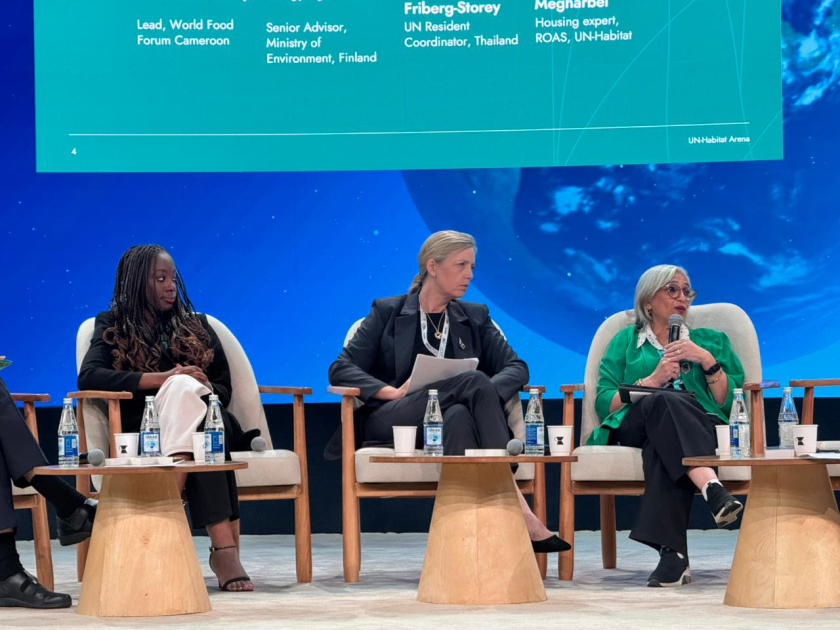
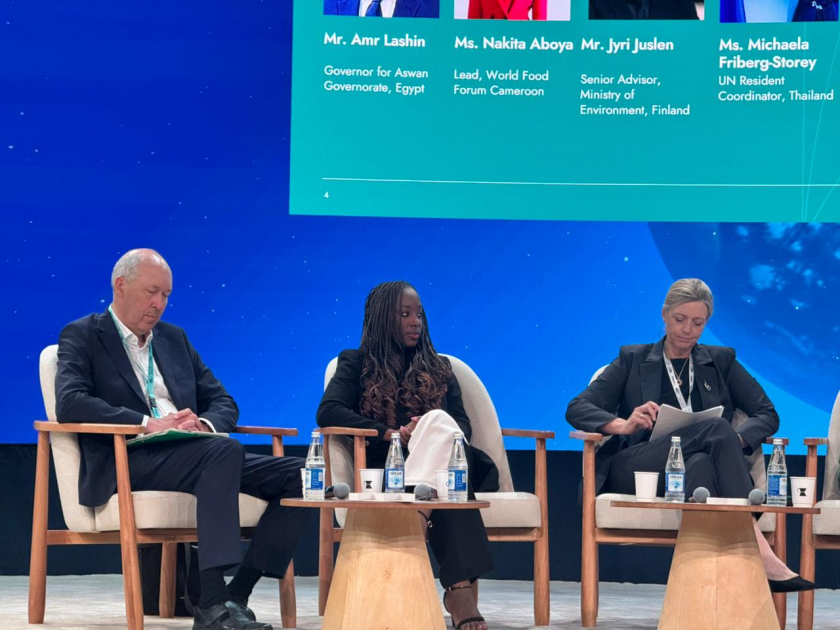
On May 20, a panel session titled " SDG Localization: Driving System Change through Partnerships and Innovation" was organized as part of the 13th Session of the United Nations World Urban Forum (WUF13) in Baku. The event was jointly organized by the "Local2030" Coalition, a platform promoting the UN Sustainable Development Goals at the local level, and the United Nations Human Settlements Programme (UN-Habitat).
The panel was moderated by Sebastien Vauzelle, Head of the Secretariat of the "Local2030" Coalition, and attended by sector representatives from Egypt, Finland, Thailand, and Cameroon, as well as representatives from academic circles and municipal authorities.
During the event, the report titled "The Road to Baku" was presented. The report highlights solutions based on local leadership by mobilizing stakeholders at various levels, reflects implementation mechanisms and territorial realities, and ensures the integration of these practices into the "Baku Call to Action."
Speakers emphasized that multilevel governance, strong partnerships, and innovative approaches play a decisive role in the successful local implementation of the SDGs. The presenters also noted that cities and local communities no longer act merely as implementers in shaping the global agenda, but directly as its co-creators.
At the same time, practices in digital solutions, data-driven management, and innovation were particularly highlighted. Examples from the Arab region, in particular, brought to the forefront the region's significant contributions in terms of SDG localization, Voluntary Local Reviews (VLRs), urban observatories, and land governance indicators.
The panel also featured extensive discussions on a 50-year review of urban development, the role of housing and informal settlements, urban data systems, and perspectives beyond 2030.
Other news in this section


