WUF13: Urban planning experiences of Azerbaijan and Latin America explored amid climate change
Baku, May 20, AZERTAC
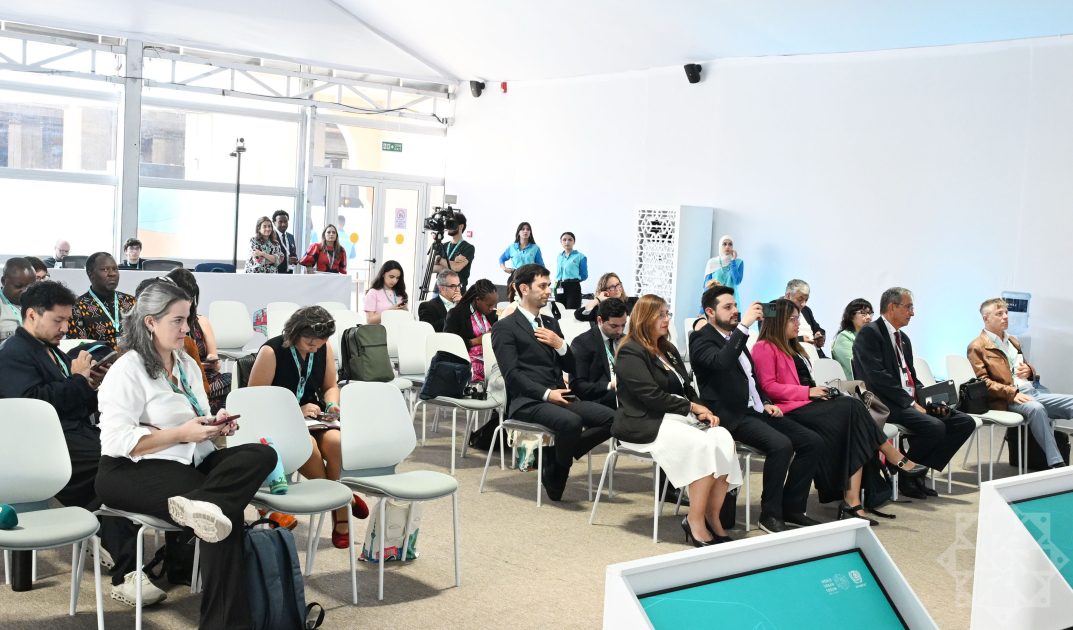
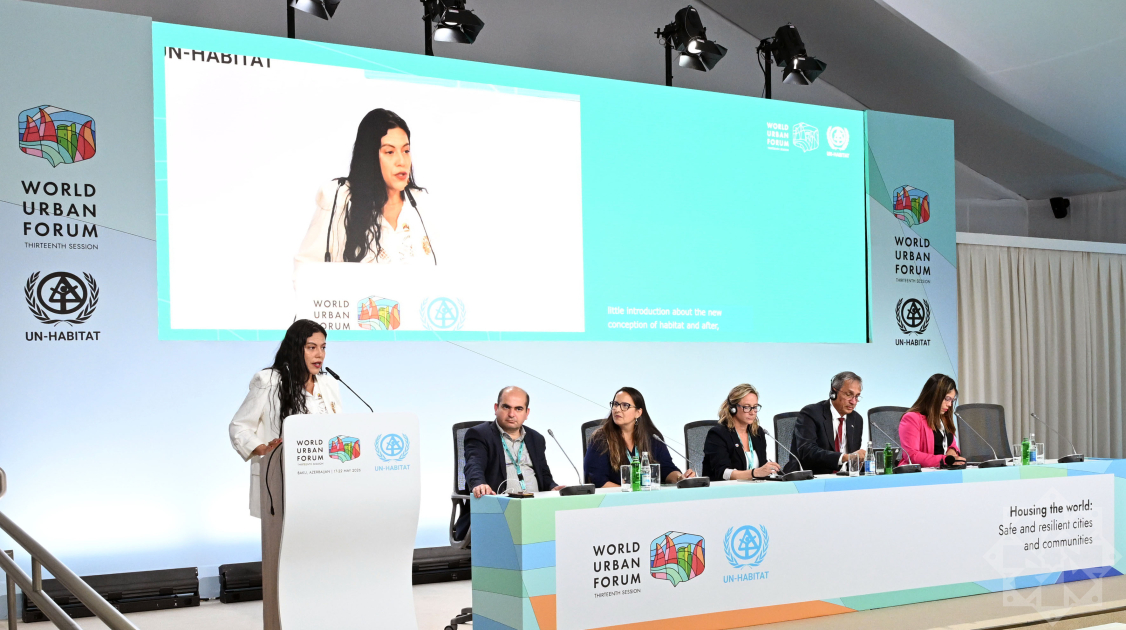
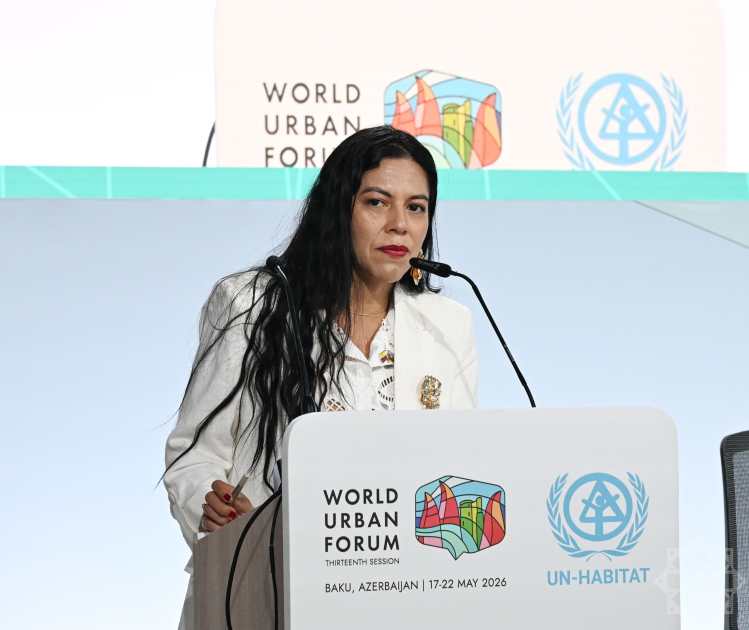
Water resource management, resilient urban design, and climate change adaptation were the focal points of an expert panel titled " Water-Centered Territorial Development Azerbaijan, Colombia & Latin America shares Resilient and Inclusive Habitat," convened today within the framework of the 13th Session of the United Nations World Urban Forum (WUF13).
Participating delegates and environmental experts emphasized that water must no longer be viewed merely as a finite natural resource, but as a primary structural matrix determining the long-term sustainability of modern cities.
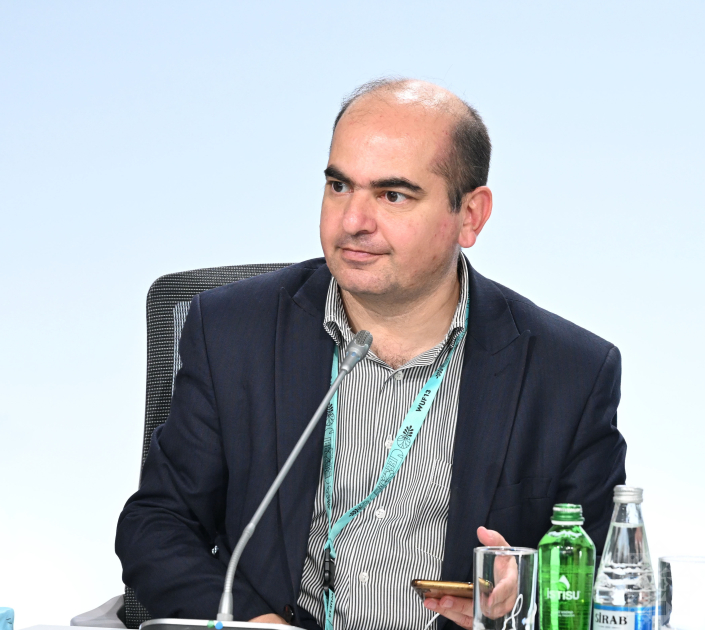
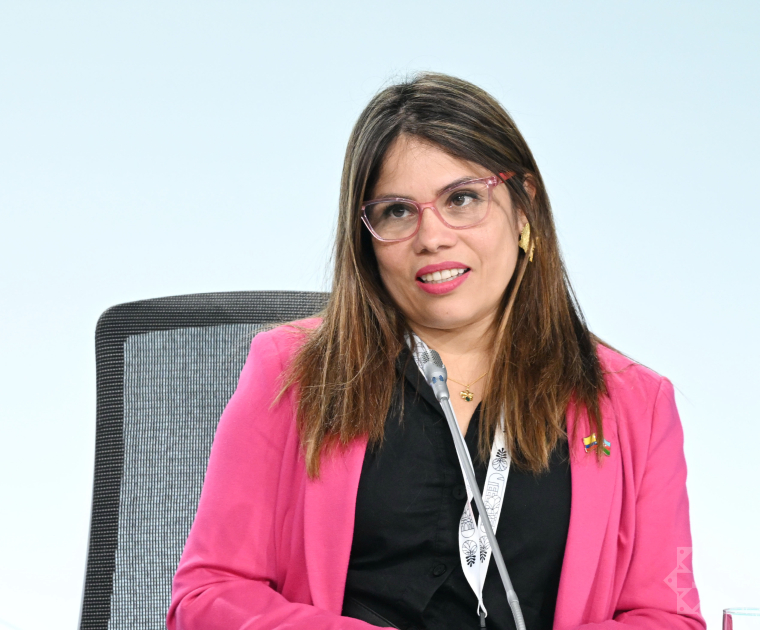
Amin Mammadov, Deputy Chairman of the Public Council under the Ministry of Ecology and Natural Resources of Azerbaijan, stated that modern urban planning methodologies must evolve past isolated community-level actions toward integrated macro-strategies. He noted that water resource security has emerged as a paramount global priority against the backdrop of climate dynamics, necessitating the urgent deployment of innovative hydrological urban planning models.
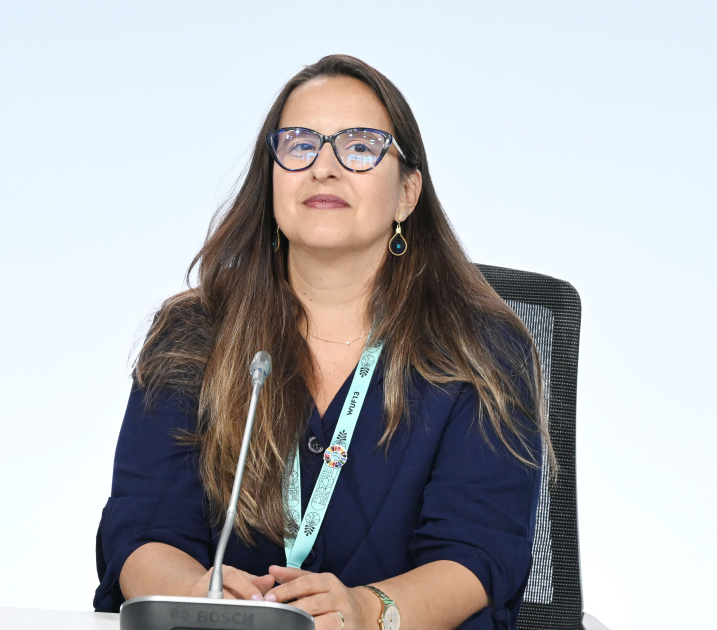
Rayne Ferretti, UN-Habitat Country Programme Manager for Brazil, remarked that water-centric urban design has become a mandatory standard for contemporary architecture and civil engineering. Ferretti pointed out that while hydro-ecosystems constitute the life-support baseline of the planet, they are also at the epicenter of most climate-induced natural disasters. Consequently, natural ecological flows must be systematically embedded into municipal planning processes.
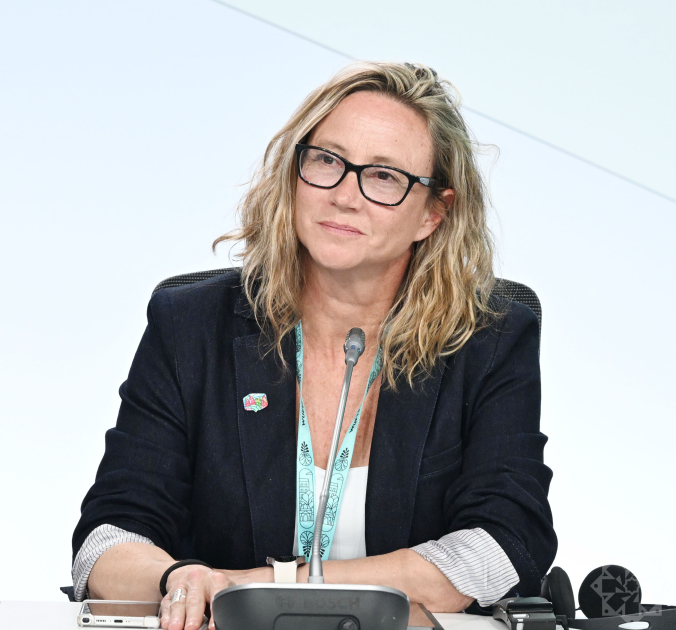
Paola Florio, Director of Territorial Planning at the Ministry of Housing and Territorial Planning of Uruguay, underscored the decisive role played by sovereign policies in hydrological governance. She noted that water quality and availability serve as the primary metrics for public welfare and sustainable growth, detailing how Uruguay has institutionalized a highly robust national planning matrix to secure these resources.
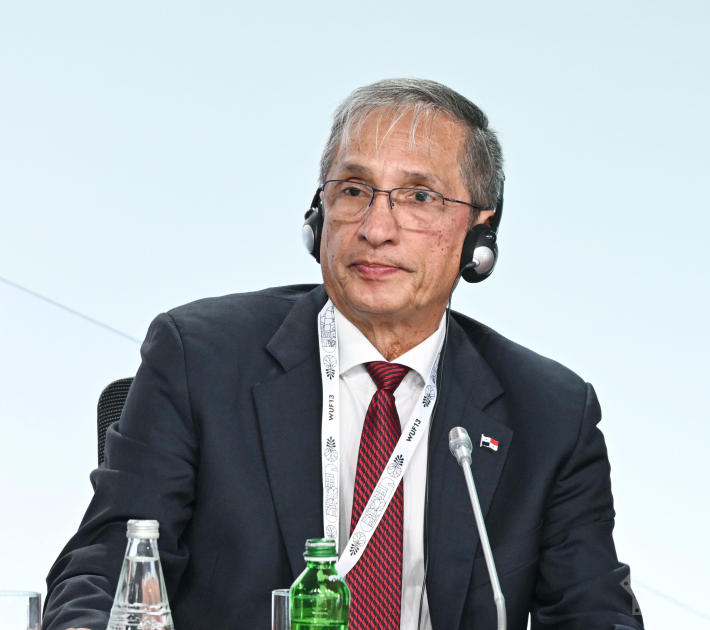
Jaime Jované Jované, Minister of Housing and Territorial Planning of Panama, observed that regardless of regional or geographical variations, nations worldwide are confronting structurally identical challenges in water management. Because major hydrographic basins naturally transcend sovereign borders, international cooperation and equitable cross-border responsibility frameworks are of vital significance. The Minister concluded by stressing that universal access to clean water must be legally recognized as a fundamental human right.
The roundtable concluded with a broader analysis of rising water scarcity driven by shifting climate patterns, accelerating urbanization trends, and the critical requirement to integrate hydrological risk factors directly into municipal infrastructure budgets. The expert panel agreed that the sustainable management of water resources remains one of the absolute prerequisites for the viable future development of global cities.
Other news in this section


