Do not shoot the leopard!









Baku, April 5, AZERTAC
Today, all advanced humanity is concerned about the problems of global warming, environmental degradation, and, consequently, the threat of extinction of rare species of animals. In many countries, large-scale projects are being implemented to prevent the situation from worsening. The World Wildlife Fund (WWF) also plays a significant role in the fight to preserve the environment.
Our interview with Elshad Askerov, Director of the Azerbaijan Representation of the World Wide Fund for Nature, is devoted to the specifics of WWF’s activities in Azerbaijan, as well as the problems of the environmental sector in our country.
About 15 Caucasian leopards live in Azerbaijan
- Mr. Askerov, what are the goals of the World Wildlife Fund in Azerbaijan?
- First of all, I’ll note that on a global scale, WWF’s activities cover solving problems in such areas as global climate change, forest resources, aquatic, marine and coastal ecosystems, the preservation of endangered species, the disposal of toxic waste and, finally, the sustainable development of humanity in harmony with the environment. In Azerbaijan, since the opening of the organization’s representative office in 2003, the main activity was the preservation of rare and endangered animal species, the restoration of forest ecosystems, the support of specially protected natural areas, etc.
- What is being done in this direction?
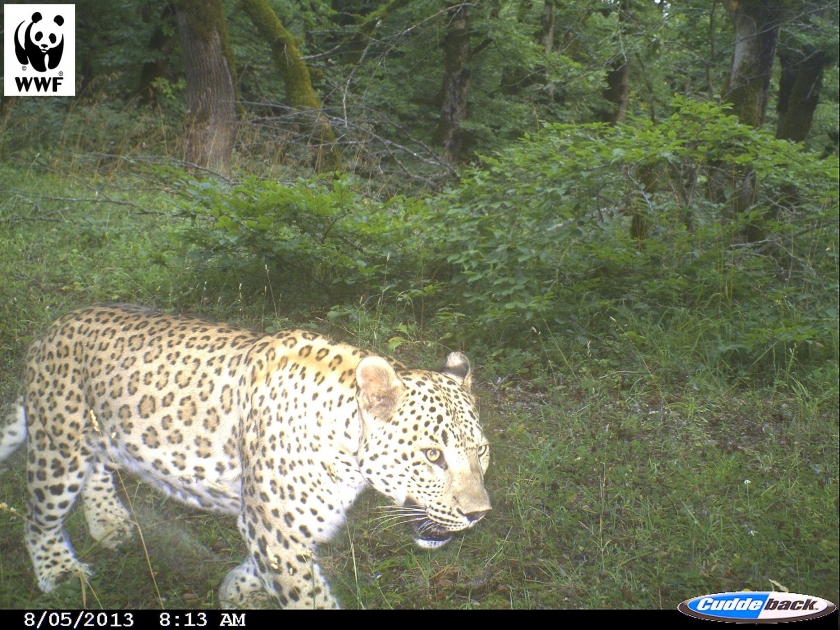
- Preservation of the Caucasian leopard population has been and remains a priority for us. I note that in general in the Caucasus, including the territories of the adjacent Russian republics, northeastern Turkey, parts of northwestern Iran and three countries of the South Caucasus, there are no more than 50 individuals of this rare species, of which about 15 live in Azerbaijan. The habitat of the species encompasses the Talysh Mountains, the Zangezur Range in Nakhchivan, the highland part of Karabakh, the territory adjacent to the Mingachevir reservoir.
In order for the leopard not to suffer the sad fate of the Turan tiger exterminated in the first half of the 20th century, the state carries out a whole range of necessary works. Our organization makes its own contribution.
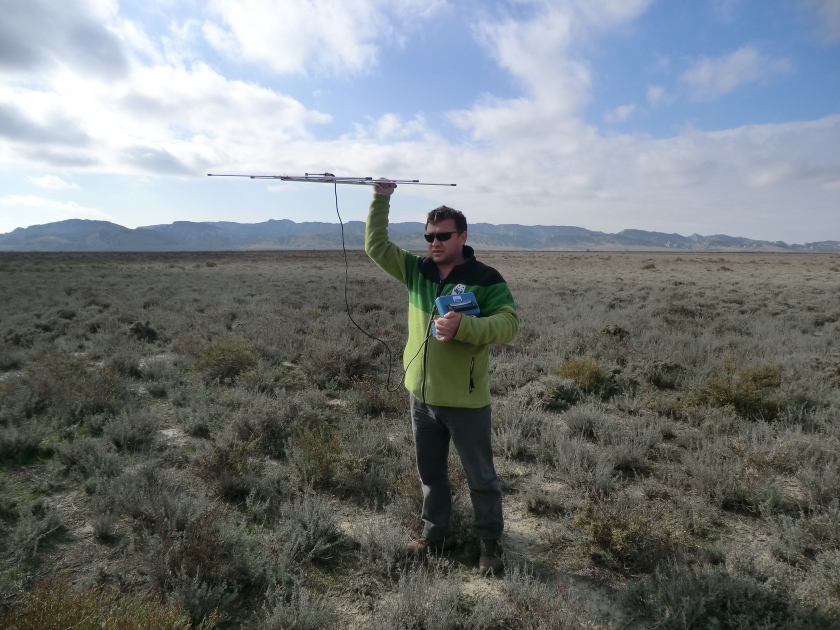
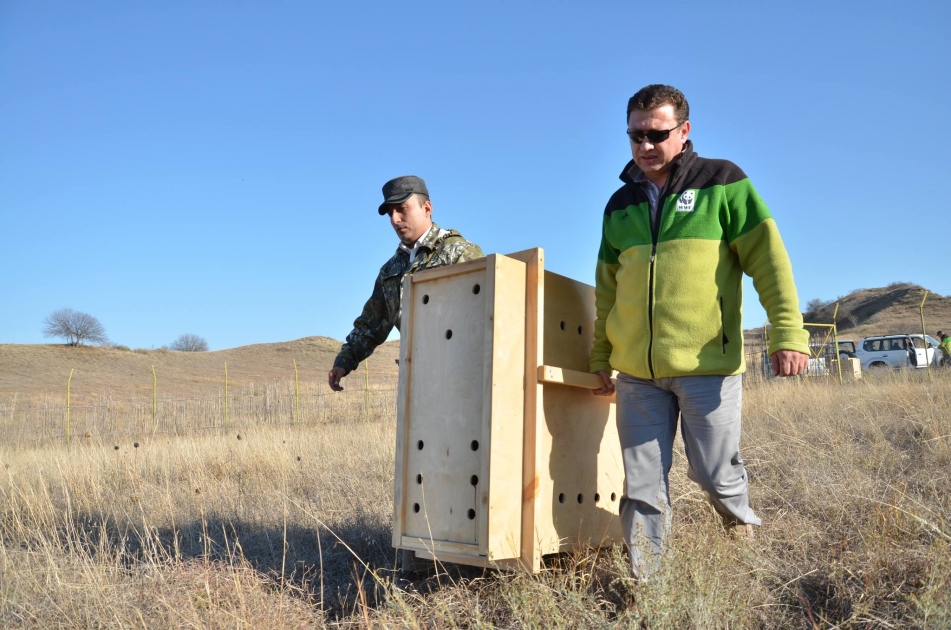
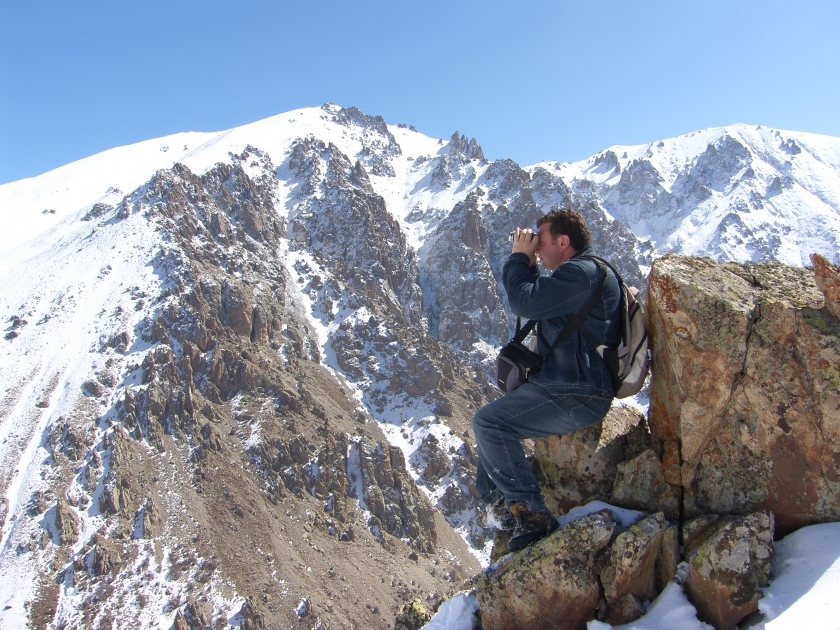
Since the main reason for the decline in the leopard population is poaching, the main focus is on enhancing the protection of animal habitats. So, at one time we rendered Zangezur and Girkan National Parks with technical assistance to improve patrolling system - we transferred cars, field uniforms, communications equipment, etc. We carry out explanatory work among the population, organized summer eco-camps for schoolchildren from nearby areas, where experts tell the children about the need for respect for the environment. In cooperation with specialists from the neighboring republics, we monitor the population of the species, etc.
Peculiarities of the National Hunt
- How do the inhabitants of the areas close to the leopard's habitat belong to such a dangerous neighborhood?
- Leopards in those places are so rare that people have almost no chance of encountering them. The main discontent among the local population can be caused by the attacks of leopards on livestock. However, this does not mean that predators enter settlements and enter cattle yards. The peculiarity of local animal husbandry is that herds are often freely grazing on remote pastures. So that livestock often wanders into the leopard’s habitat itself and, naturally, coming into the sight of a predator becomes a potential prey.
In order to prevent the negative attitude of the population towards the leopard neighborhood, we are planning to implement a compensation program aimed at paying off possible damage caused by the predator to livestock. Each such case, about which the owner of the livestock informs the WWF regional representative, is thoroughly investigated by us, and if it is confirmed that the animal was killed by a leopard, the owner will be compensated for the damage.
I note that in the past 16 years there have been only two proven precedents. Often there were cases of false claims. In general, the leopard has enough of its usual prey - mountain sheep, roe deer, bezoar goats, wild boars, hares and other animals.
- Have there been any leopard attacks on people in Azerbaijan?
- In nature, these secretive predators carefully avoid people. However, there have been cases of provoked leopard aggression against humans. I am aware of three such cases that occurred in the 90s of the last century. So, in Nakhchivan, hunters followed the tracks of a leopard, the animal lurked and, from a shelter, attacked one of the pursuers. Shots in the air frightened leopard and he ran away. There were no casualties. A similar case happened to the hunters in Lankaran. There, a beast wounded by a hunter attacked a man. His friend managed to shoot the animal. The victim then healed his wounds for six months.
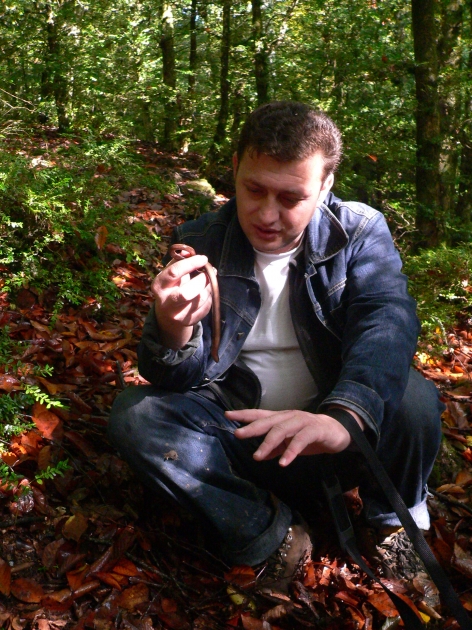
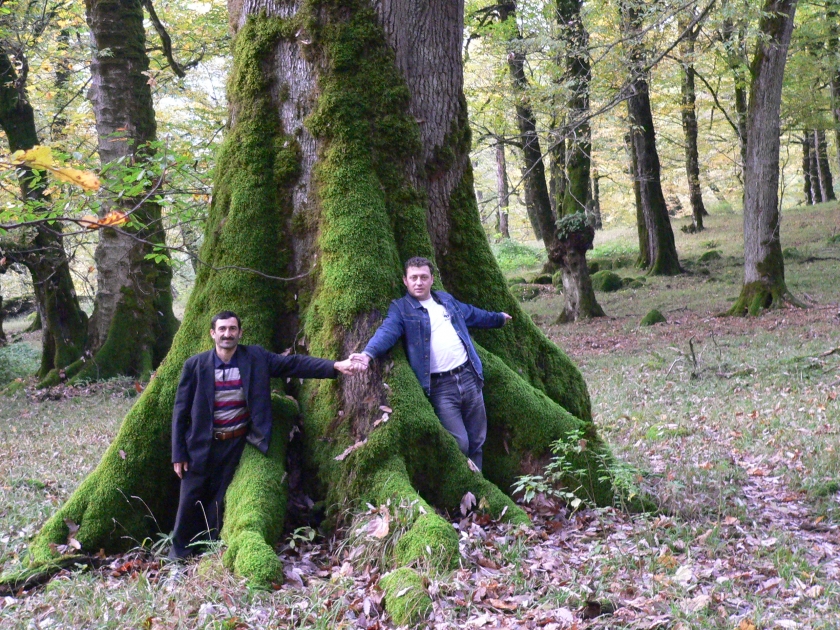
And in Astara, a man, confident that the leopard had killed his cow the day before, went with a gun on the trail of a predator, caught up with him and fired. The injured animal attacked the hunter. Fighting, the leopard and the man rolled down from a low cliff. Leopard managed to leave. The man received serious wounds. By the way, today this brave man, Babakhan Rakhmanov, is a volunteer of our organization and an ardent supporter of the protection of leopards.
As we see, people were the culprits of aggression in all the cases described. The last case in Azerbaijan of a skirmish with a leopard with a fatal outcome was recorded in the scientific literature at the beginning of the last century in Lerik. The wounded leopard then managed to kill one of the hunters.
Although the Caucasian leopard is larger than its African counterpart, however, it is completely defenseless against the cunning of poachers.
You can make a profit out of everything
- Certainly, the Caucasian leopard is a prominent representative of the fauna of Azerbaijan. What other rare species of animals live in our nature and need protection?
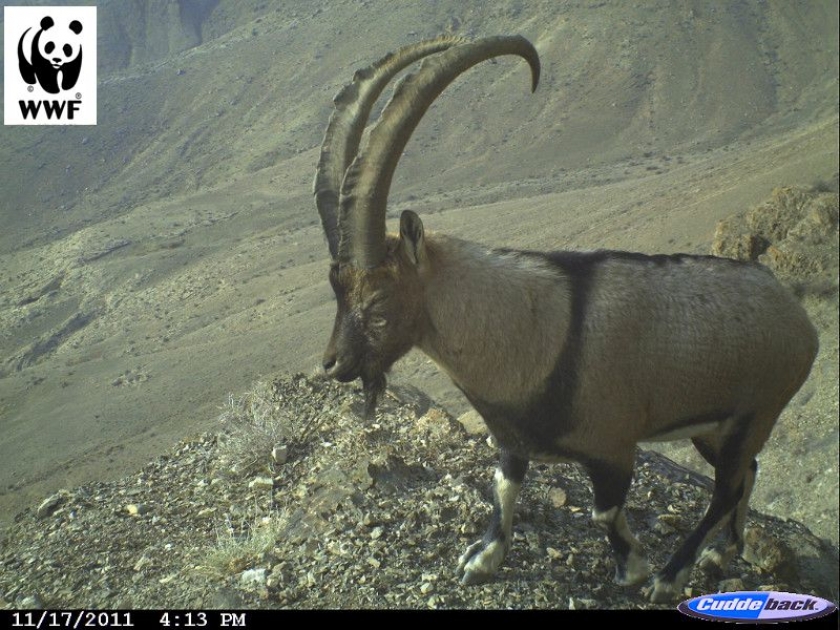
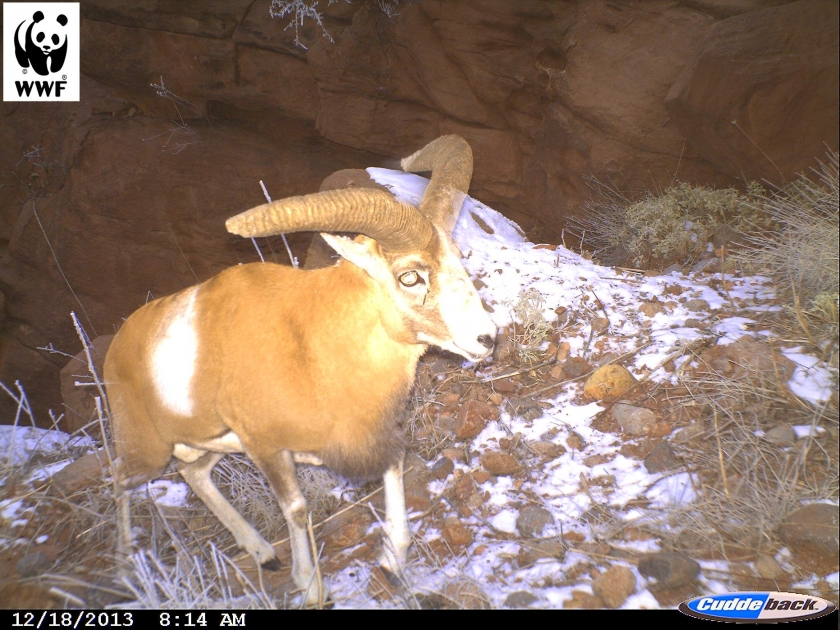
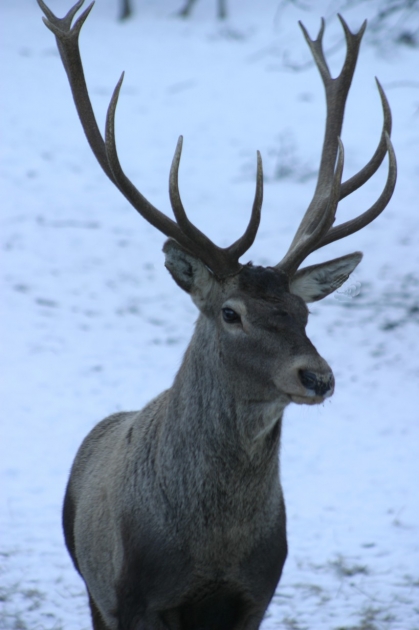
- There are many such species, and most of them are listed in the Red Book of Azerbaijan, first published in 1989. Unfortunately, their list in the second edition of this book, which was published in 2013, was supplemented with new species. Among them are the bezoar goat, mouflon, chamois, lynx, striped hyena and others. One of the representatives of our fauna, who added to the sad list of endangered species, was the Caucasian red deer, which in the past met also in the Lesser Caucasus, in the Talysh Mountains and floodplain forests along the Kura River. In the Lesser Caucasus, deer disappeared in the 80s of the XIX century. In the Talysh Mountains, the last deer was killed in 1922, in the Kura region floodplain forests in an insignificant number (about 10 individuals) they were preserved in the Karayazy reserve. Although the reintroduction method in the Goygol nature reserve managed to restore the deer population, but due to Armenian aggression the population practically disappeared in this front-line region.
At present, viable deer populations remained only in Zagatala-Balaken and Gabala-Ismayilli regions. The total number of deer in Azerbaijan today does not exceed a thousand individuals. To protect the deer population, our organization also does its best. So, in order to strengthen patrolling system, we transferred several horses, a car, field and optical equipment, etc. to Zagatala Reserve. However, in the remote mountainous areas, where transport is not accessible, the ranger make their way on foot. Often, the ranger, caught in darkness, has to spend the night in the forest. Therefore, on the key passes, we have built several ranger shelters.
- And what about the preservation of gazelles in Azerbaijan?
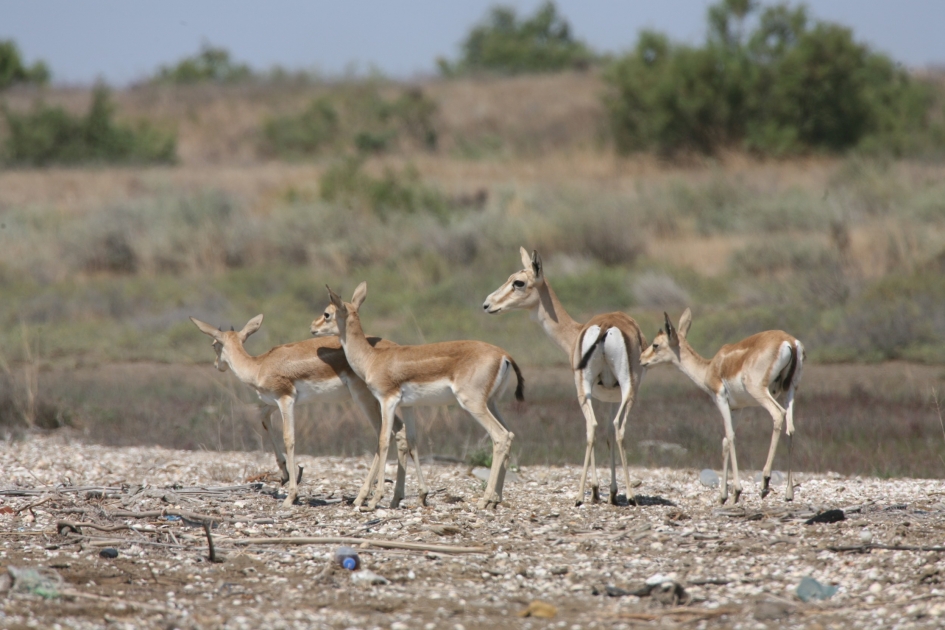
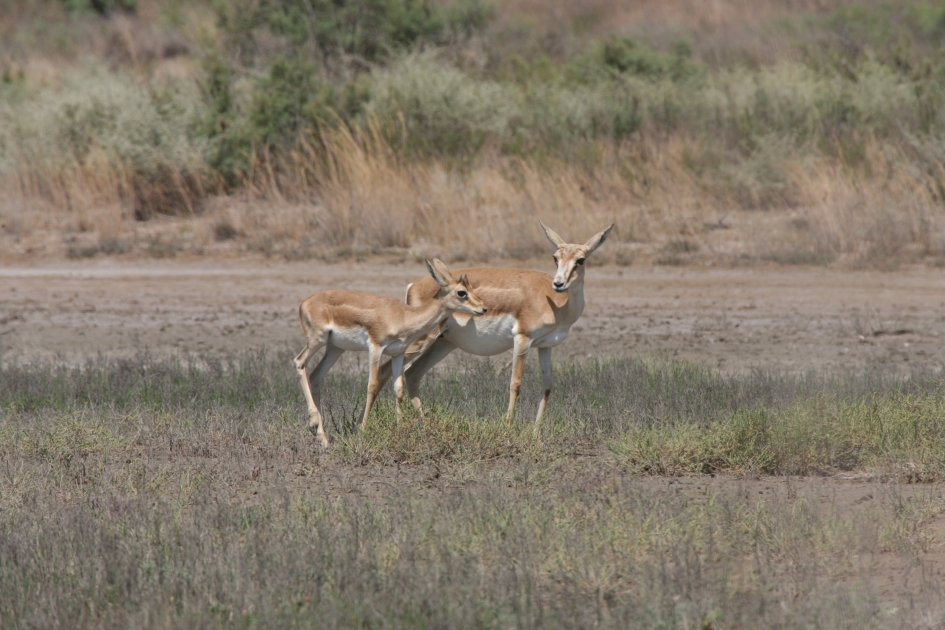
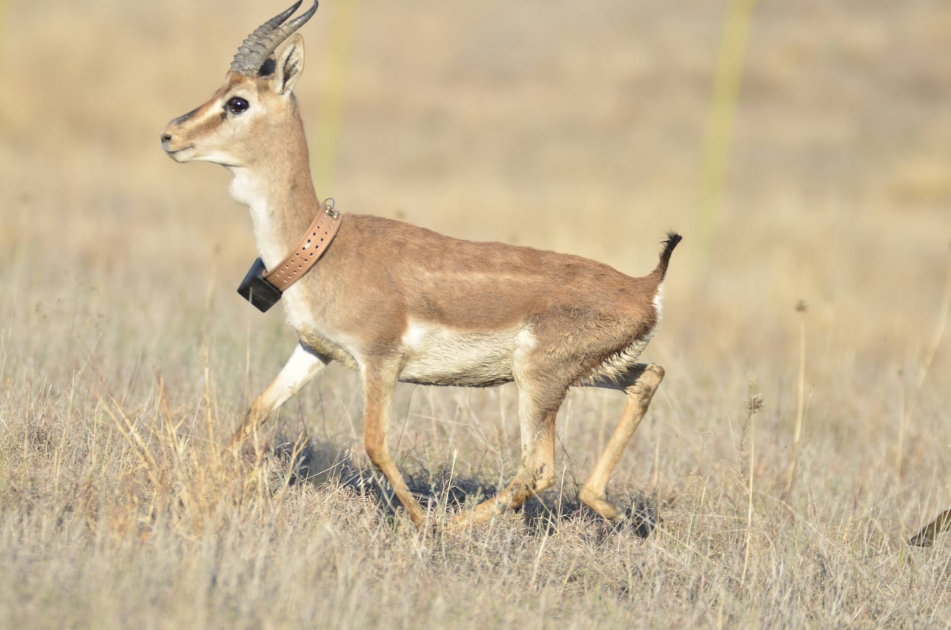
- Another charismatic representative of the fauna of Azerbaijan, widely praised in our folklore and poetry - gazelle, was on the verge of extinction in the early 60s of the last century. Old literary information suggests widespread and large numbers of this species in the eastern and southern Caucasus in the Middle Ages. The sharp decline in the number and habitat of the gazelle began in the 30s of the twentieth century, when the development of road transport and the use of cars and airplanes for hunting made the mass beating of this beast accessible to poachers.
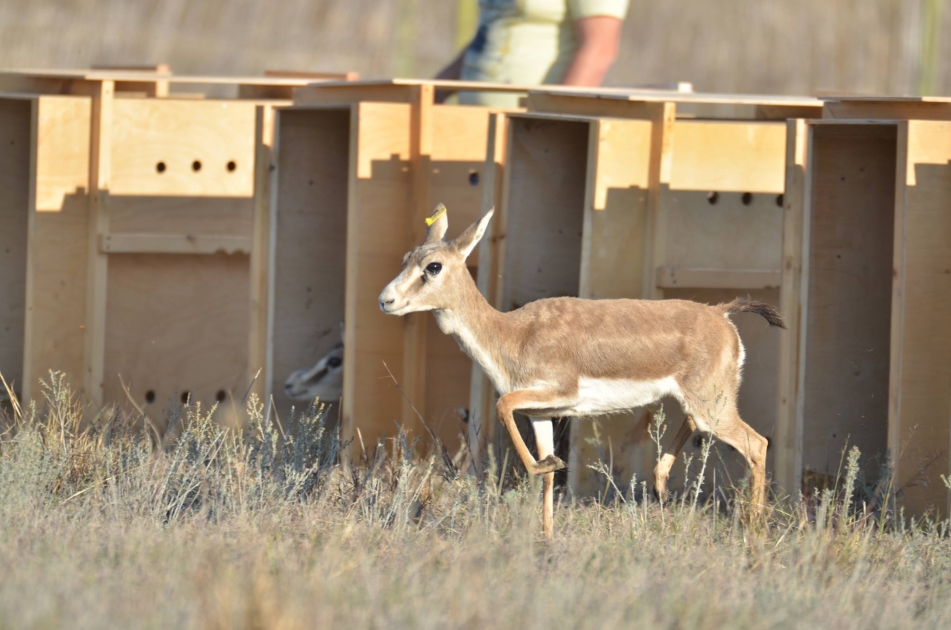
During the aerial survey conducted by scientists in June 1960, a total of 131 gazelle individuals were counted throughout Azerbaijan. Thanks to the creation of a number of Protected Areas, the number of gazelles began to recover and in the 80s of the last century reached 3-3.5 thousand heads. In 2008, WWF began exploring opportunities for restoring the gazelle's historic area in the South Caucasus. Local and international organizations were involved in the development of this program. With the joint efforts of the Ministry of Ecology and Natural Resources, the Heydar Aliyev Foundation, the public organization IDEA and WWF, more than 200 animals were reintroduced into 7 isolated areas of the historical range of the species: Steppe Ajinour-Sarydzha and Mil, Eldar and Gobustan highlands, Shah foreland of Absheron peninsula, Bozdag low mountain range. The most successful development of reintroduced populations is observed in the vicinity of the Vashlovan National Park (Georgia) and in Gakh Reserve, young animals are observed annually in the last 5-6 years. According to the latest population counts, about 7-8 thousand gazelles live in the country.
- What attention is paid to the protection of rare species of flora? It is known that in Azerbaijan there are many rare plant species, many of which are endemic, and are not found anywhere else.
- Absolutely. Moreover, we have many species of medicinal plants. Considering ways to effectively protect such valuable representatives of the flora, we decided to take a non-standard way and explain to the population how, while caring for the preservation of plant species, you can make good money. To this end, we launched a pilot project on the sustainable use of medicinal plants in the Ismailly region. Within the project, a workshop for the processing of medicinal plants was established. Among representatives of the interested part of the population, specialists conducted trainings on the themes of the medicinal properties of various plant species, on how to harvest plants correctly, so as not to interrupt the natural cycle of their recovery, processing methods, etc. As a result, many plant species, which, at best, were treated as a source of fuel or were mowed as useless, acquired unexpected value in the eyes of people, since they began to bring a steady income.
- Mr. Askerov, what do you think is the most important thing in preserving the environment in Azerbaijan today?
- First of all, it is necessary to focus on the environmental education of the population, to inform people about the riches that, in addition to oil, our country possesses. Here's a paradox, we are often much more aware of what species of animals live in Africa or South America, rather than those that are found in our country. And all thanks to the wonderful animal documentaries. I would not be surprised if it turns out that many of our compatriots did not even suspect that leopards and hyenas live in Azerbaijan. It is also necessary for us to undertake with all seriousness the propaganda of the riches of flora and fauna.
And the film about the Caucasian leopard, shot under the guidance of the founder of the IDEA Public Organization Leyla Aliyeva, is just the beginning. There should be more such projects.
Let me remind you that in 2016 on Nat Geo Wild TV channel there was a premiere of a documentary film dedicated to the search for the Caucasian leopard in the mountains of Azerbaijan, shot by photographer and director from South Africa Adrian Steirn. The shooting took place in the south of the country in the Talysh Mountains in the territory of the Girkan National Park. Adrian Steirn and his team were assisted in organizing the trip by officials from the Ministry of Ecology and Natural Resources, as well as the Azerbaijani representative office of the Wildlife Fund. Local residents of the Talysh Mountains region, in particular, the WWF volunteer Babakhan, already mentioned by us, also provided invaluable assistance.
After long and persistent attempts, the film crew managed to get footage from some of the ten camera-traps in this zone. Experts have recognized on the received video not one, but at once two large males of a leopard.
Emil Eyyubov
Other news in this section


