Libya advances integrated land and water management to restore the Ubari lakes basin
Baku, December 23, AZERTAC
The Global Environment Facility (GEF) has approved USD5.8 million for a new flagship initiative that will help Libya reverse land degradation, protect biodiversity, and strengthen climate resilience, according to the United Nations Development Programme (UNDP).
The initiative, “Integrated Land and Water Management (ILWM) for Enhanced Ecosystem Goods and Services in Libya,” will be executed by the Ministry of Environment, with support from the UNDP.
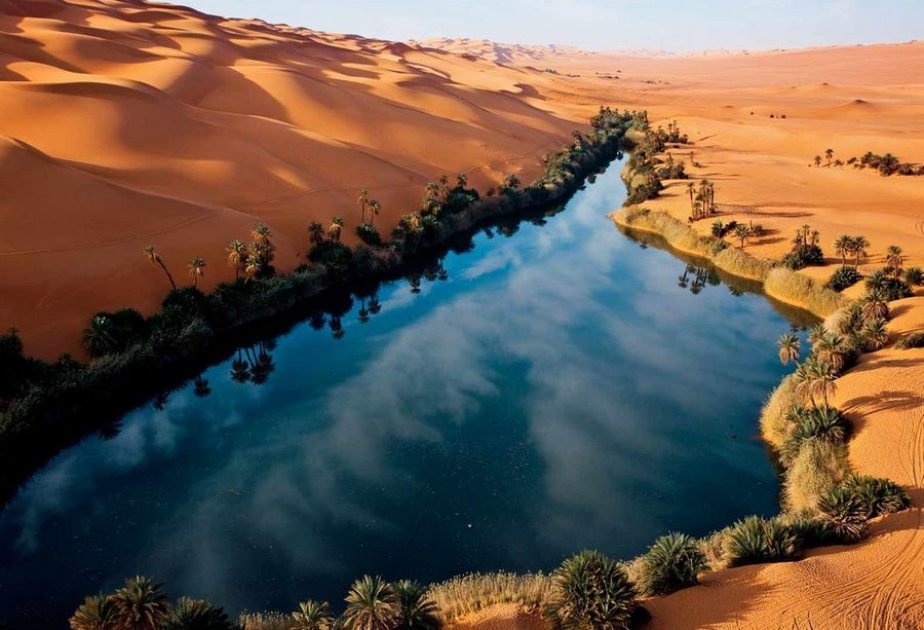
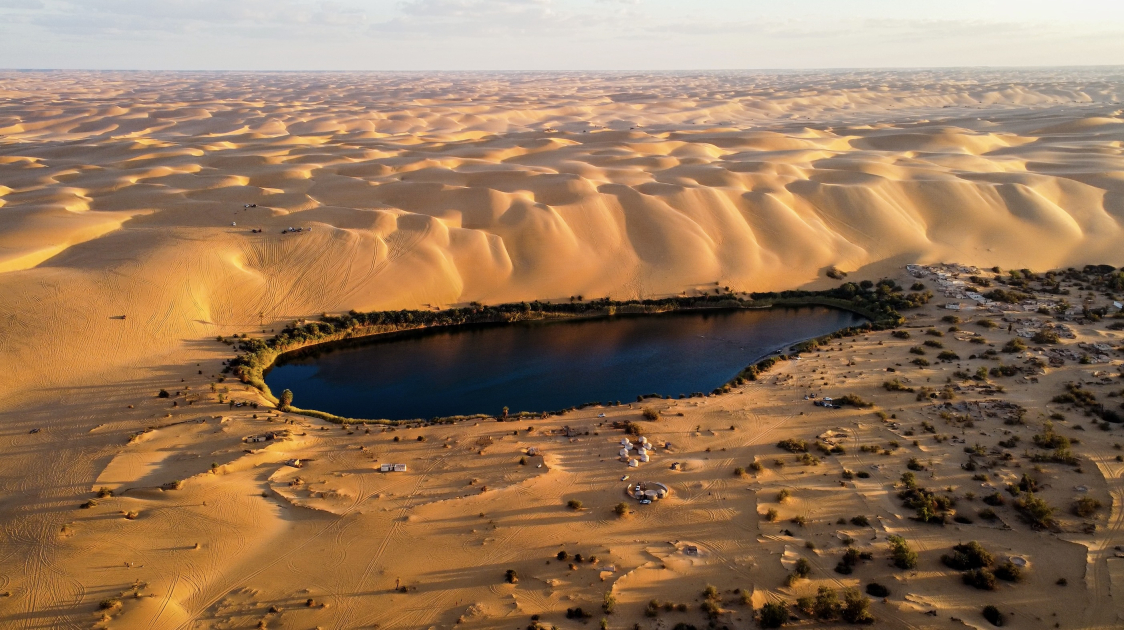
The project in the Ubari Lakes Basin aims to reverse ecosystem, biodiversity and land degradation while mitigating the impacts of climate change. Its objective is to integrate land and water management, harmonize environmental conservation with national priorities and ensure the sustainable use of natural resources.
The GEF-supported initiative will introduce a coordinated policy and operational framework that integrates land, water, biodiversity, and livelihood management. Over a period of five years, it will strengthen national institutions, introduce innovative nature-based solutions, and support local communities to adopt climate-resilient and sustainable practices.
UNDP Resident Representative, Dr Sophie Kemkhadze, welcomed the approval, noting that, “This initiative in the Ubari Lakes Basin represents a timely and strategic investment in people and ecosystems, helping Libya protect its natural heritage, expand sustainable livelihood opportunities, and build long-term climate resilience.”
To achieve these goals, the initiative is expected to strengthen environmental governance, including supporting national partners to lay the groundwork for a proposed 100,000-hectare Ubari Lakes National Park and updating policy and planning tools to integrate biodiversity conservation, Land Degradation Neutrality, and climate adaptation. It will also rehabilitate 225 hectares of degraded lake, wetland, and oasis ecosystems and promote sustainable, climate-resilient land and water management practices across 2,000 hectares, helping restore ecosystem services and reduce pressure on scarce natural resources.
At the community level, the initiative will widen livelihood opportunities for more than 2,250 people, at least half of whom are women, through targeted capacity development, improved ecosystem benefits, and the creation of approximately 700 green jobs in eco-tourism, sustainable agriculture, oasis restoration, and climate-smart micro-enterprises.
The project will further enhance coordination by establishing a multi-stakeholder Landscape and Water Management Council and developing a digital knowledge platform to capture local innovations and traditional knowledge.
GEF CEO and Chairman, Carlos Manuel Rodríguez, said; "By working together with all communities, economic development and ecological balance can be achieved. With strong emphasis on inclusive participation and Indigenous knowledge, this initiative will position the Ubari Lakes Basin as a national learning site for nature-based solutions in arid environments.”
This GEF investment directly supports Libya’s commitments under the United Nations Convention to Combat Desertification (UNCCD), contributes to the Kunming–Montreal Global Biodiversity Framework, and aligns with national efforts to advance the 2030 Agenda and strengthen resilience under Libya’s evolving climate and biodiversity policies.
Other news in this section


