Azerbaijan joins 6th Islamic Conference of Labor Ministers in Doha


Baku, October 17, Azerbaijan
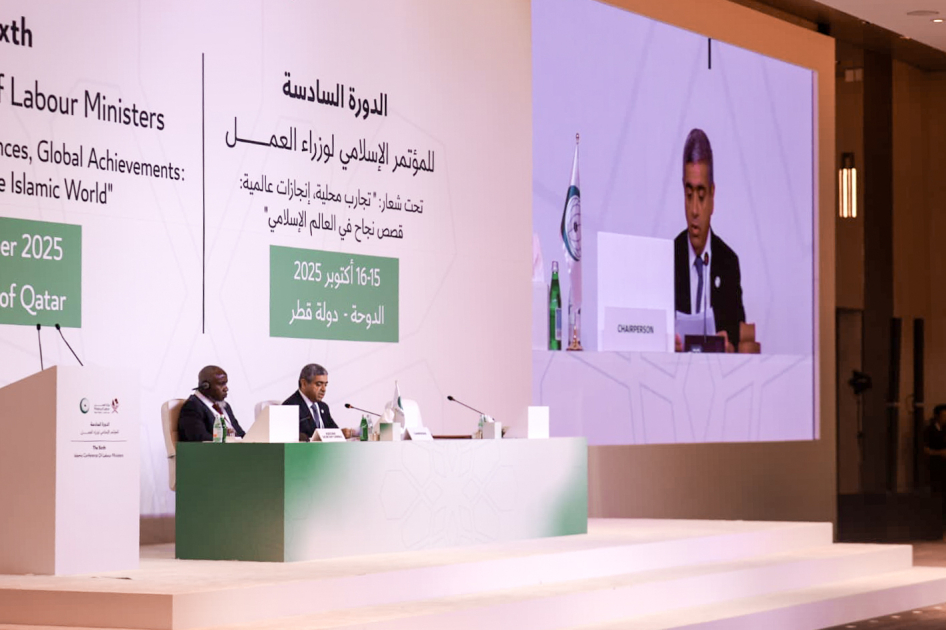
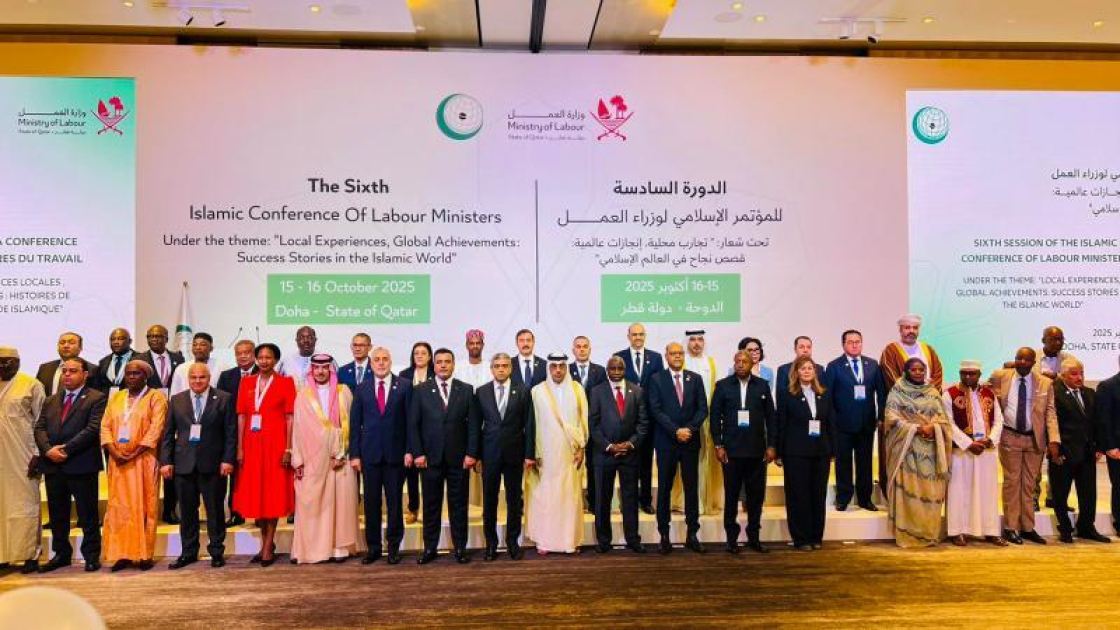
Held under the theme “Local Experiences, Global Achievements: Success Stories in the Islamic World,” Doha hosts the 6th Conference of Ministers of Labor of Organization of Islamic Cooperation (OIC) member states.
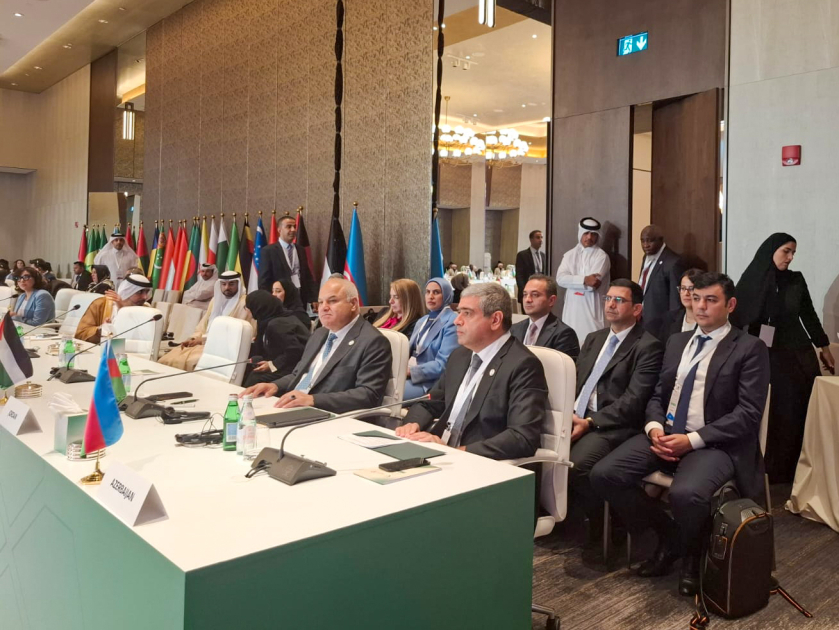
Speaking at the conference, Azerbaijani Minister of Labor and Social Protection of the Population, Anar Aliyev, emphasized Azerbaijan’s active role as a member of the OIC in promoting Islamic solidarity and values worldwide, which contributes to the development of the OIC’s activities.
He highlighted Azerbaijan’s recent hosting of several high-level events, including the Conferences of Labor Ministers in 2013 and 2023. Under President Ilham Aliyev’s initiative, the OIC Labor Center established in Baku last year has also played an important role in developing cooperation among member states, including the international events it held last month.
Anar Aliyev also discussed the implementation of five social reform packages over the past six years, emphasizing that the protection of workers’ rights and labor safety are among the country’s key priorities.
Minister Aliyev further stated that more than 90 percent of the 159 services provided by the Ministry of Labor and Social Protection of the Population are now offered digitally. He praised the DOST model, which has become a recognized national brand. He also noted Azerbaijan’s full restoration of sovereignty and territorial integrity, and the employment measures implemented for residents relocated to liberated territories. He emphasized Azerbaijan’s readiness to share successful experiences in labor and social protection with OIC member states.
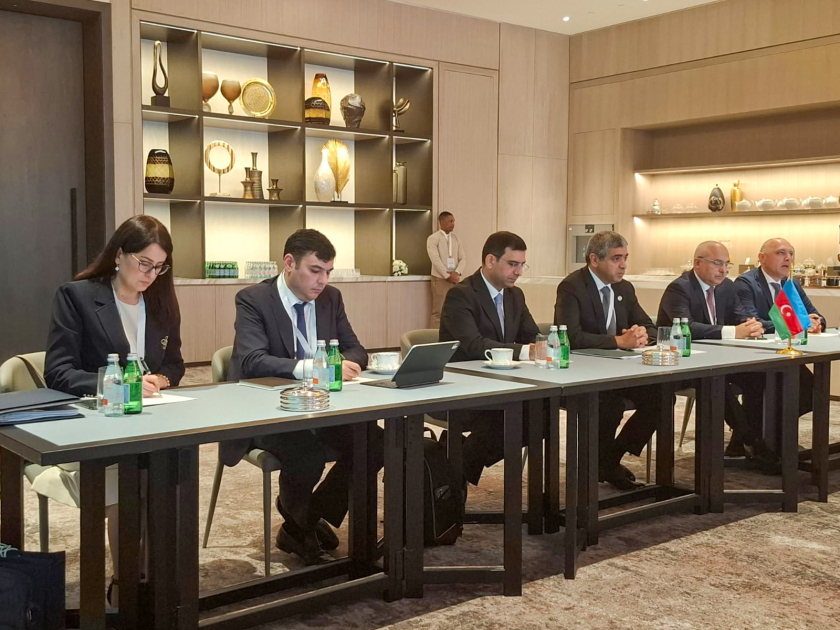
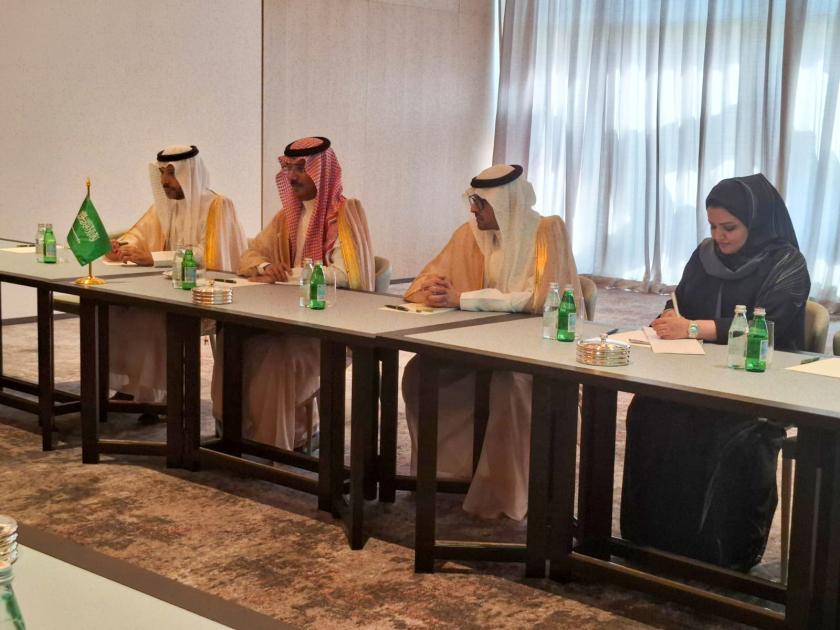
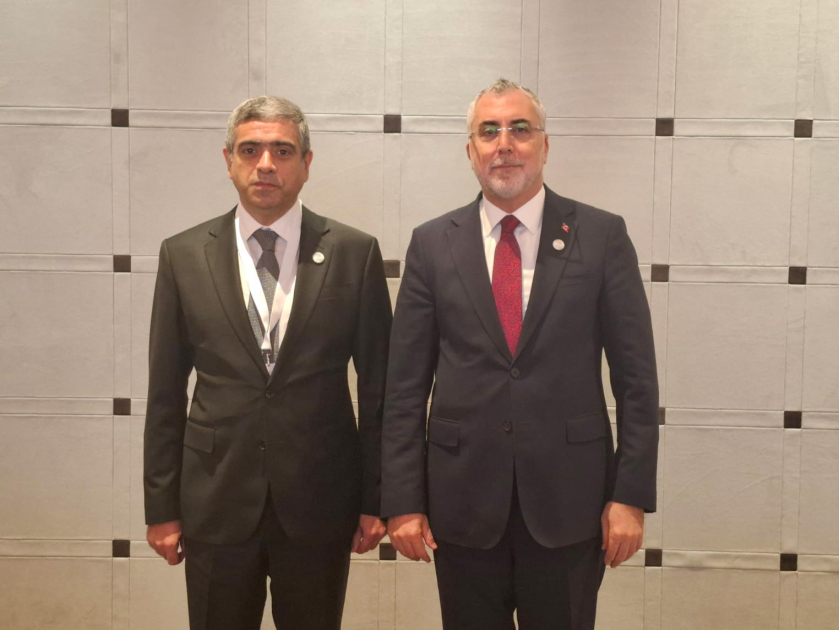
As part of the conference, Minister Anar Aliyev met with Minister of Labor and Social Security Veda Işıkhan, Vice Minister of Human Resourses and Social Development for Labor of Saudi Arabia Abdullah Abuthnain, Minister of Labour of Jordan Khaled Mahmoud Al-Bakkar.
The meetings focused on exchanging experience and information in the implementation of social reforms, employment programs, and the development of workforce skills in line with labor market requirements. Bilateral cooperation in the social sector and its current state and future directions were also discussed.
Other news in this section


