Beet juice lowers blood pressure in older adults in just 2 weeks
Baku, May 26, AZERTAC
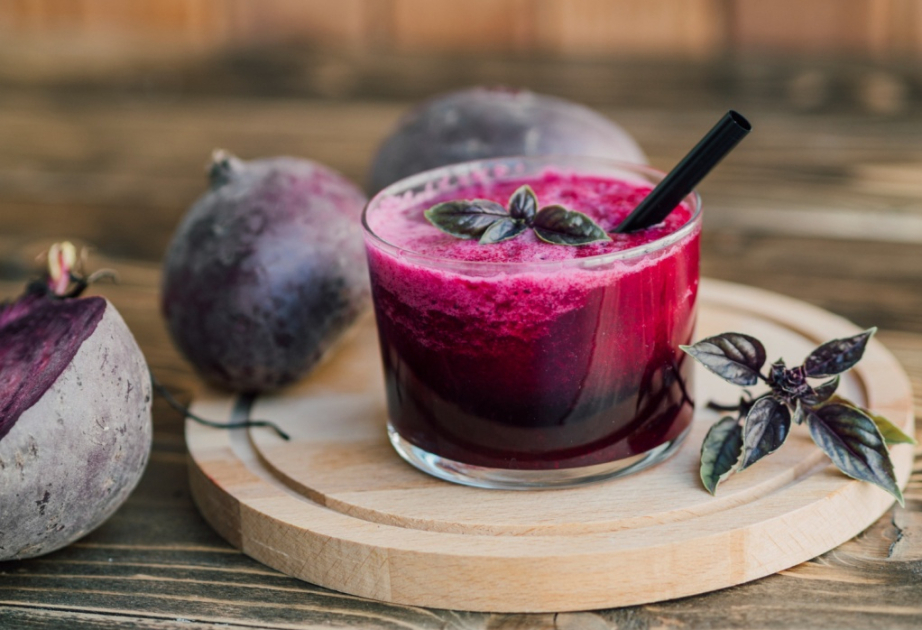
A simple beetroot juice routine may help explain one of the more surprising links in healthy aging: the connection between bacteria in the mouth and blood pressure, according to Science Daily.
Research from the University of Exeter found that older adults who drank nitrate rich beetroot juice twice a day for two weeks saw their blood pressure fall. The same effect did not appear in younger adults, even though beetroot juice also changed their oral microbiome.
The study, published in Free Radical Biology and Medicine, is the largest of its kind to examine how dietary nitrate affects the mouth bacteria, nitric oxide biology, and blood vessel responses of younger and older adults.
Why the Mouth Matters
Nitrate is found naturally in many vegetables and plays an important role in the body. Beetroot is especially rich in nitrate, but it is not the only option. Spinach, arugula, fennel, celery, and kale are also good dietary sources. The key step happens before nitrate reaches the bloodstream. Certain bacteria in the mouth help convert nitrate from food into compounds that eventually support the production of nitric oxide. Nitric oxide helps blood vessels relax and function properly, which is important for healthy blood pressure regulation. When the balance of oral bacteria shifts in the wrong direction, that nitrate to nitric oxide pathway may become less efficient. The Exeter team found evidence that beetroot juice changed the oral microbiome in older adults in a way that appeared to support this pathway.
A Two Week Beetroot Juice Test
The trial included 39 adults under age 30 and 36 adults in their 60s and 70s, recruited through the NIHR Exeter Clinical Research Facility. It was supported by the Exeter Clinical Trials Unit and funded through a BBSRC Industrial Partnership Award. Participants completed two separate two week phases. In one phase, they drank regular doses of nitrate rich beetroot juice. In the other, they drank a placebo version of the juice with the nitrate removed. A two week "wash out" period separated the phases so the researchers could reset the conditions before testing the next drink. The team then used bacterial gene sequencing to study which microbes were present in the mouth before and after each condition.
Older Adults Responded Differently
Both age groups showed significant changes in the oral microbiome after drinking nitrate rich beetroot juice. However, the changes were not the same in younger and older participants. Among older adults, beetroot juice was linked to a notable drop in Prevotella, a group of mouth bacteria that the researchers described as potentially harmful in this context. At the same time, bacteria associated with health benefits, including Neisseria, became more abundant. The older group also began the study with higher average blood pressure than the younger group. After the nitrate rich beetroot juice phase, their blood pressure fell. That reduction was not seen after the placebo drink, and it was not observed in the younger adults.
The Nitric Oxide Connection
The results point to a possible reason beetroot juice may be especially useful later in life. Older adults tend to produce less nitric oxide as they age, and reduced nitric oxide availability can affect blood vessel function. Study author Professor Anni Vanhatalo, of the University of Exeter, said: "We know that a nitrate-rich diet has health benefits, and older people produce less of their own nitric oxide as they age. They also tend to have higher blood pressure, which can be linked to cardiovascular complications like heart attack and stroke. Encouraging older adults to consume more nitrate-rich vegetables could have significant long term health benefits. The good news is that if you don't like beetroot, there are many nitrate-rich alternatives like spinach, rocket, fennel, celery and kale." The findings suggest that beetroot juice may not act only through the nutrients it delivers. It may also work by changing the tiny ecosystem in the mouth that helps unlock those nutrients. A 2025 randomized, double blind, placebo controlled crossover study of 15 older adults with treated high blood pressure found that four weeks of nitrate rich beetroot juice selectively changed the oral microbiome, increasing Neisseria and decreasing Veillonella, while the intestinal microbiome did not significantly change. The same research program reported that nitrate intake affected nitrate metabolism but did not produce sustained improvements in blood pressure or vascular function in that treated hypertension group, showing that the response may depend on health status, medications, study design, and the bacteria present at baseline. A 2026 pilot study also highlighted the importance of the mouth in nitrate biology. It found that chlorhexidine, an antiseptic mouthwash, disrupted nitrate processing and reduced gastric nitric oxide synthesis, while dietary nitrate supplementation partly preserved microbial function and nitric oxide related signaling during antiseptic use.
Other work has raised similar questions about antibacterial mouth rinses. A 2025 Scientific Reports study in rats found that a nitrate and antioxidant mouth rinse supported nitrate and nitrite reducing oral bacteria and was associated with lower blood pressure compared with chlorhexidine treatment. Because that study was conducted in animals, the findings cannot be directly applied to people, but they add to the broader evidence that oral bacteria can influence the nitrate pathway.
Other news in this section


