Khinalig: One of the world’s top tourism villages VIDEO


Guba, May 28, AZERTAC
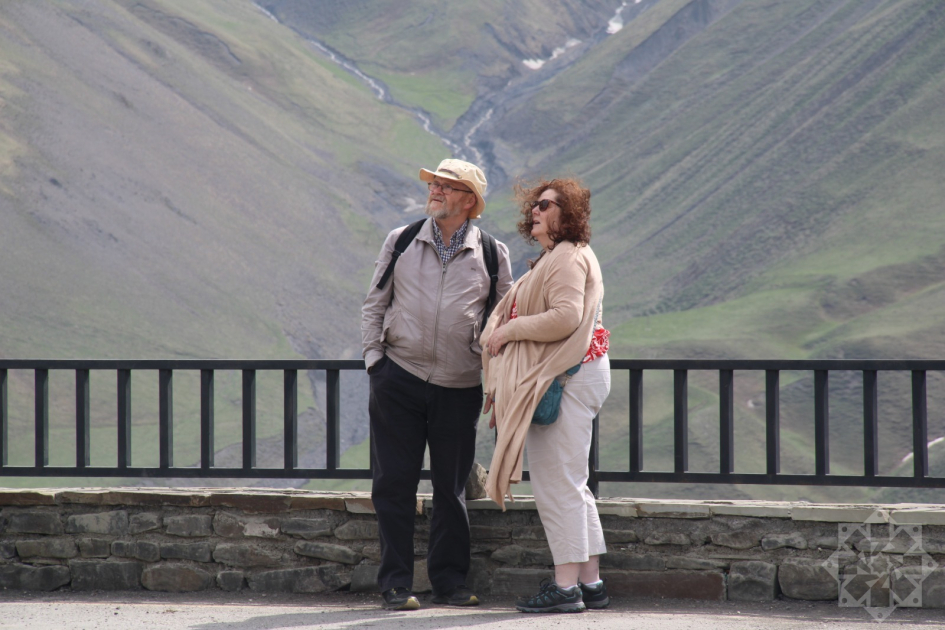
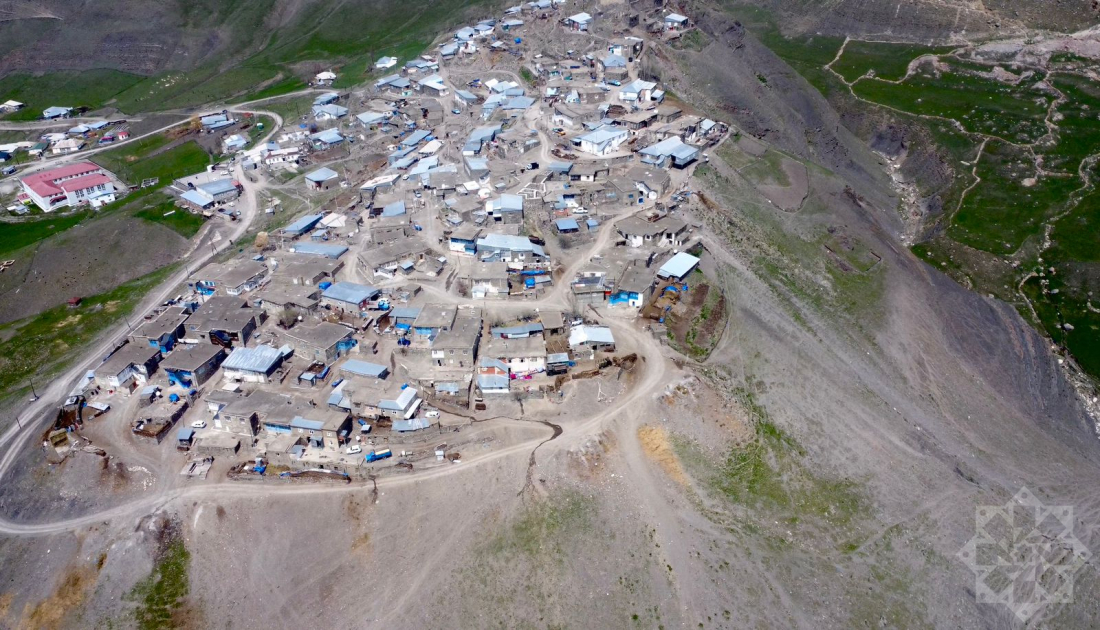
The latest feature in AZERTAC’s “If I Were a Tourist” column highlights Khinalig — a millennia-old village located at the peak of the Caucasus.
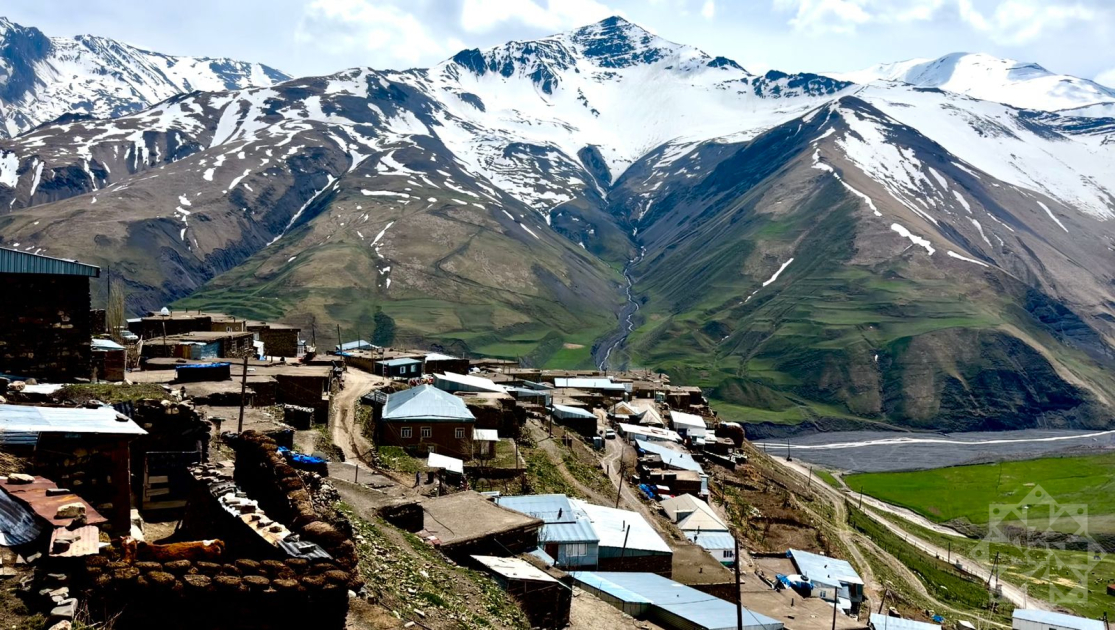
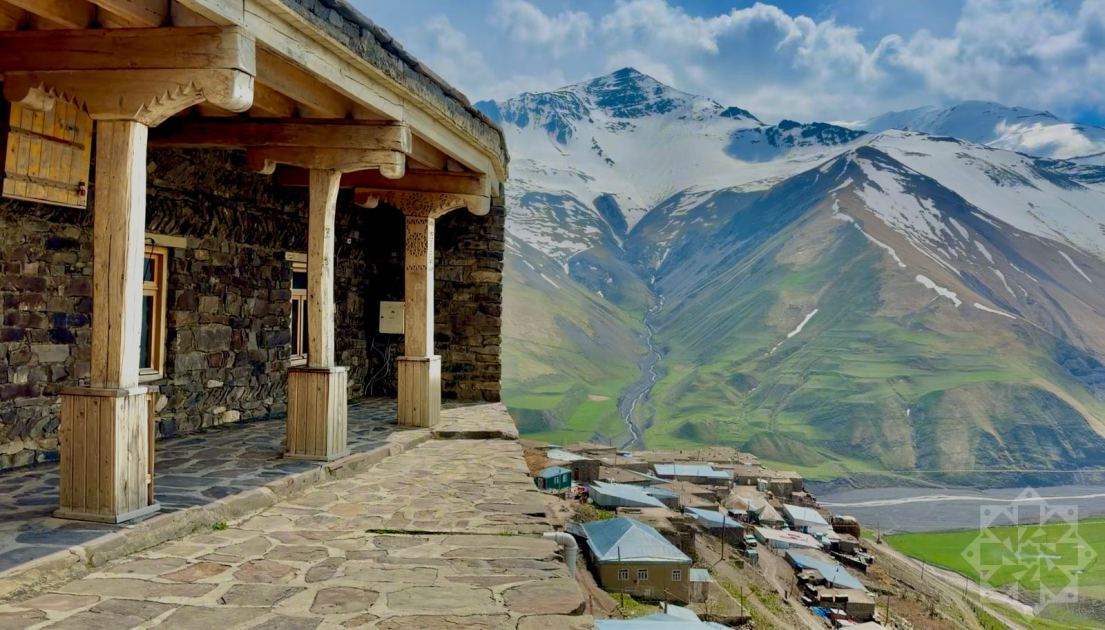
Nestled in the embrace of the Caucasus Mountains, Khinalig rests among the clouds. Regarded as one of Azerbaijan’s oldest settlements, the village leaves visitors with the impression that it is more than a tourist destination — it is a living piece of history, preserving centuries-old memory and a rare traditional way of life that has survived to the present day.
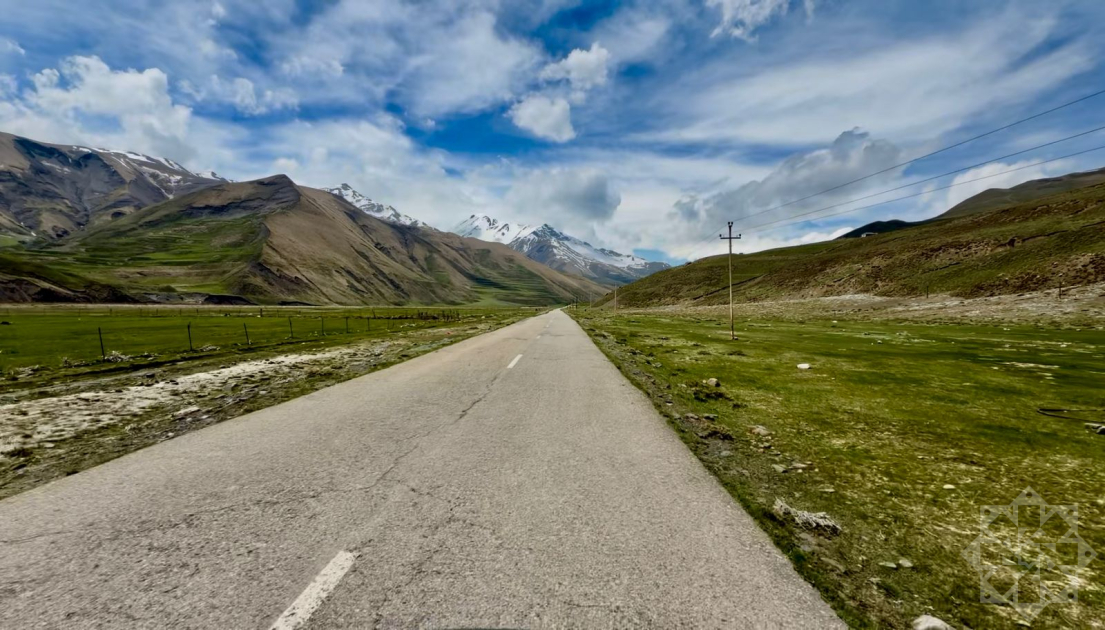
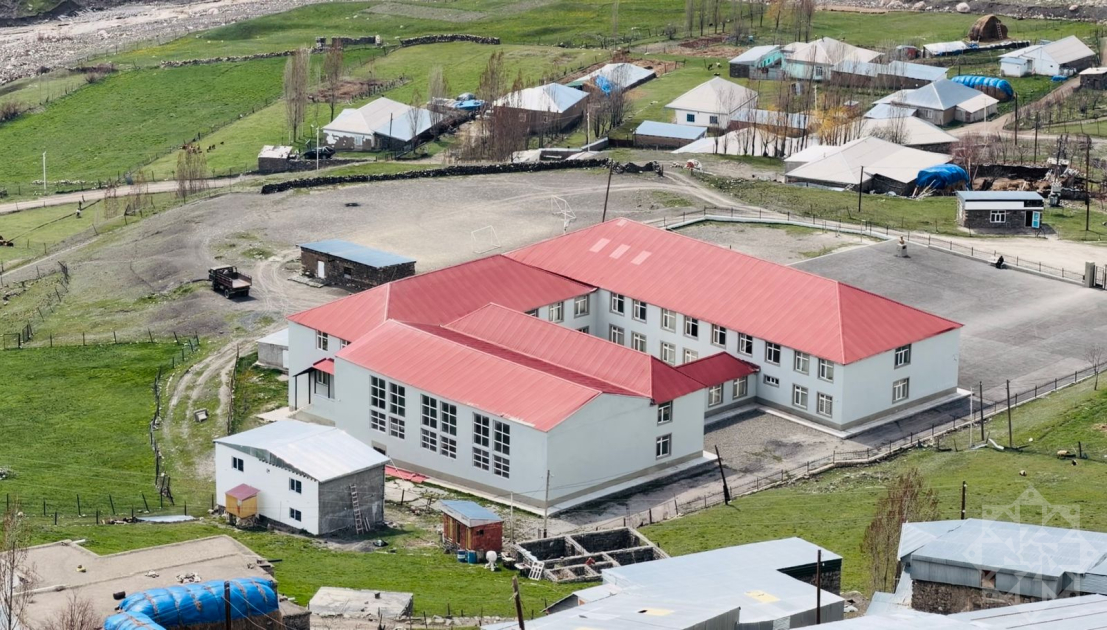
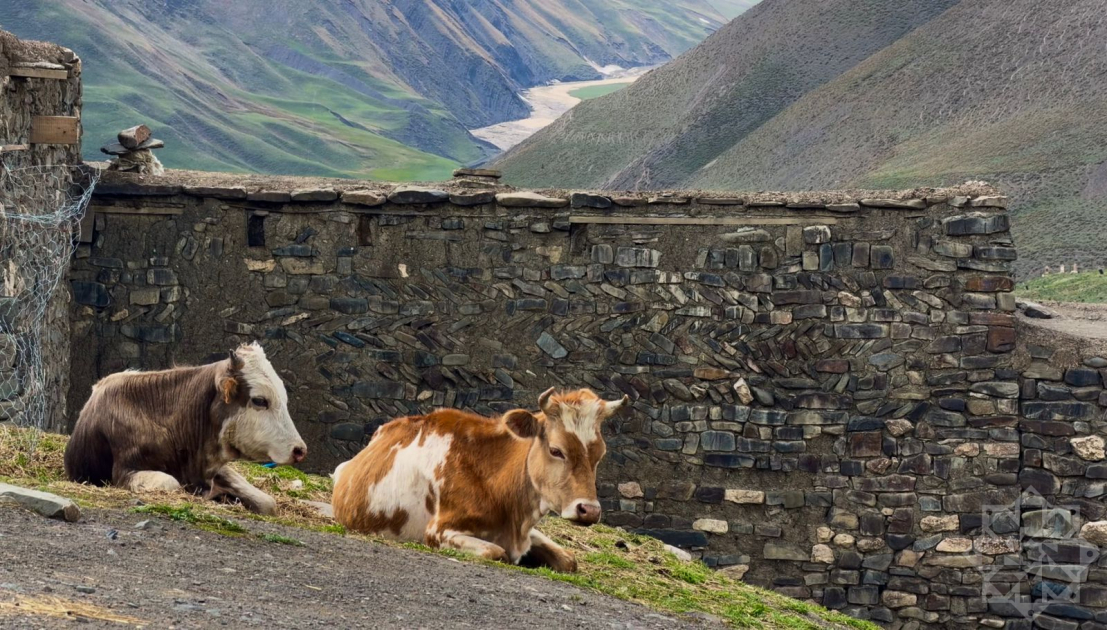
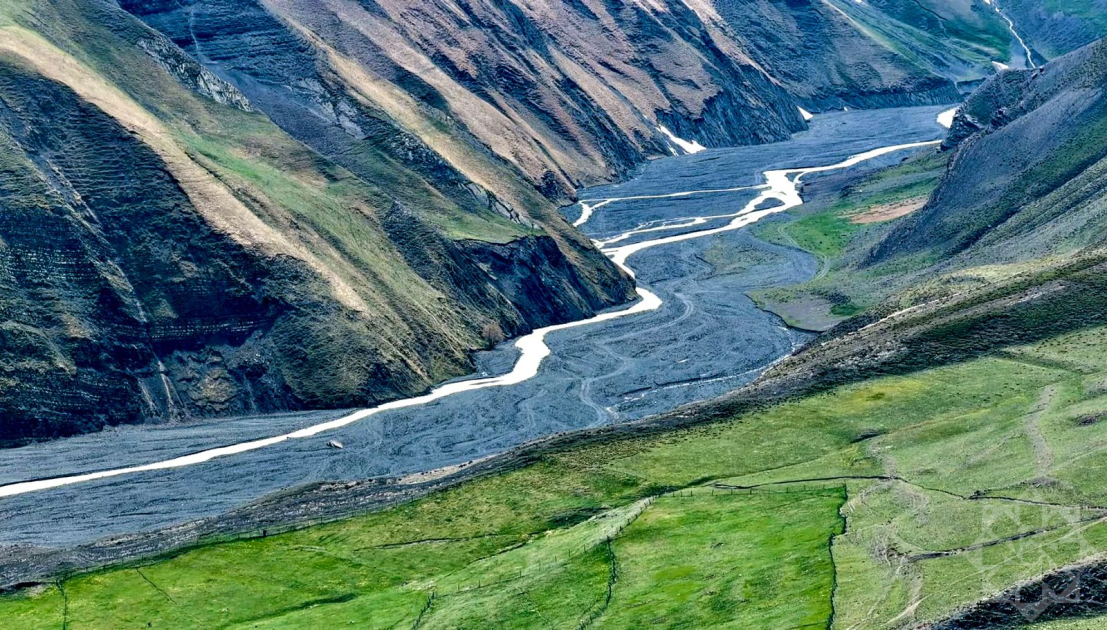
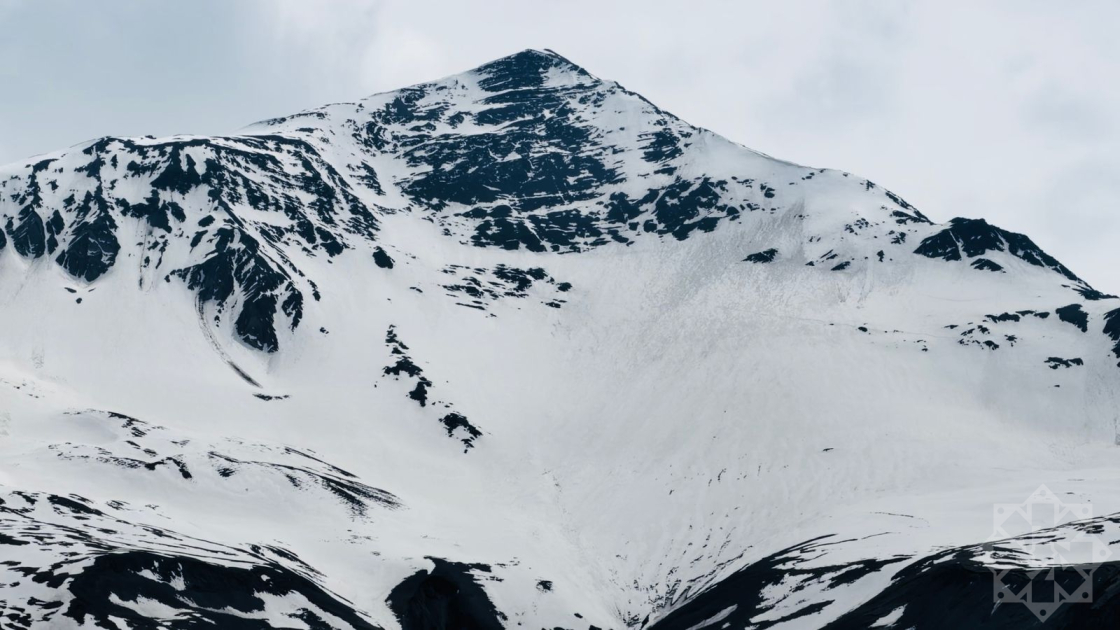
Traveling along the winding mountain roads toward Khinalig feels like stepping back in time. At an altitude of approximately 2,200 meters above sea level, the village is surrounded by the towering peaks of Bazarduzu, Shahdag, Tufandag, and Gizilgaya. Even during the hottest summer months, cool winds prevail, while in winter the village remains under snow for extended periods.
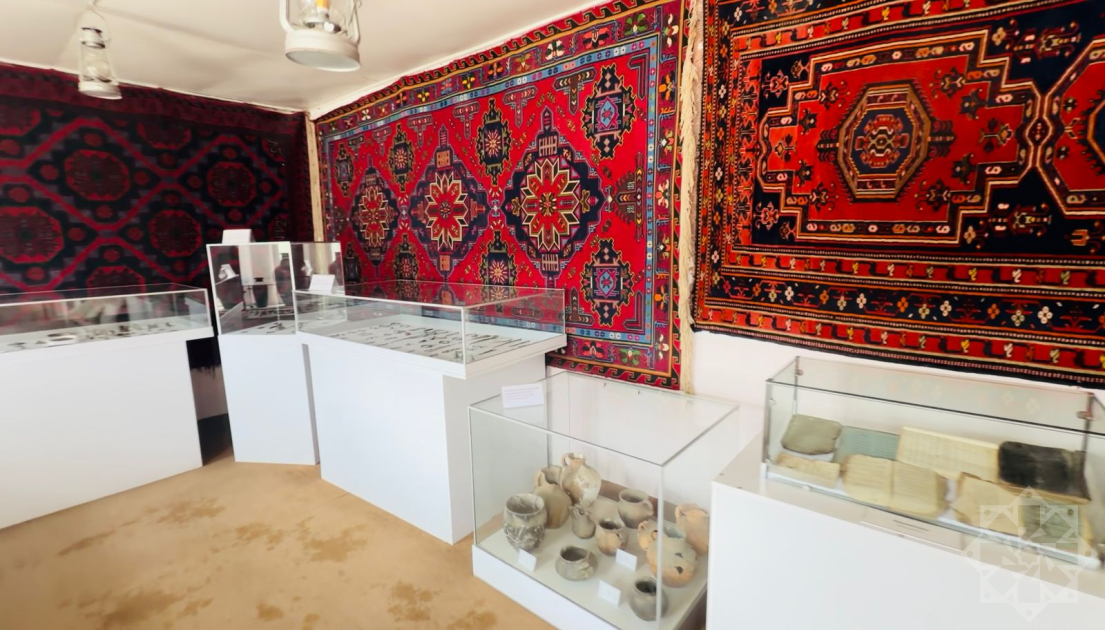
The village is remarkable not only for its landscape but also for its history. Historians believe it was founded before the Common Era. Evidence of early settlement dates back to the Early Bronze Age, specifically the late 4th millennium BC. Archaeological excavations conducted between 2010 and 2012 uncovered an ancient settlement known as “Zangar,” confirming that Khinalig has been inhabited for millennia.
The origin of the village’s name is linked to several legends. One suggests that at sunrise, the surrounding rocks take on the color of henna, giving rise to the name Khinalig. Locally, the village is known as “Ketish.” The earliest written reference to Khinalig dates back to the 15th century in the works of Mahmud al-Khinalugi. Some researchers also point to a historical connection between Khinalig and the ancient cities of Caucasian Albania.
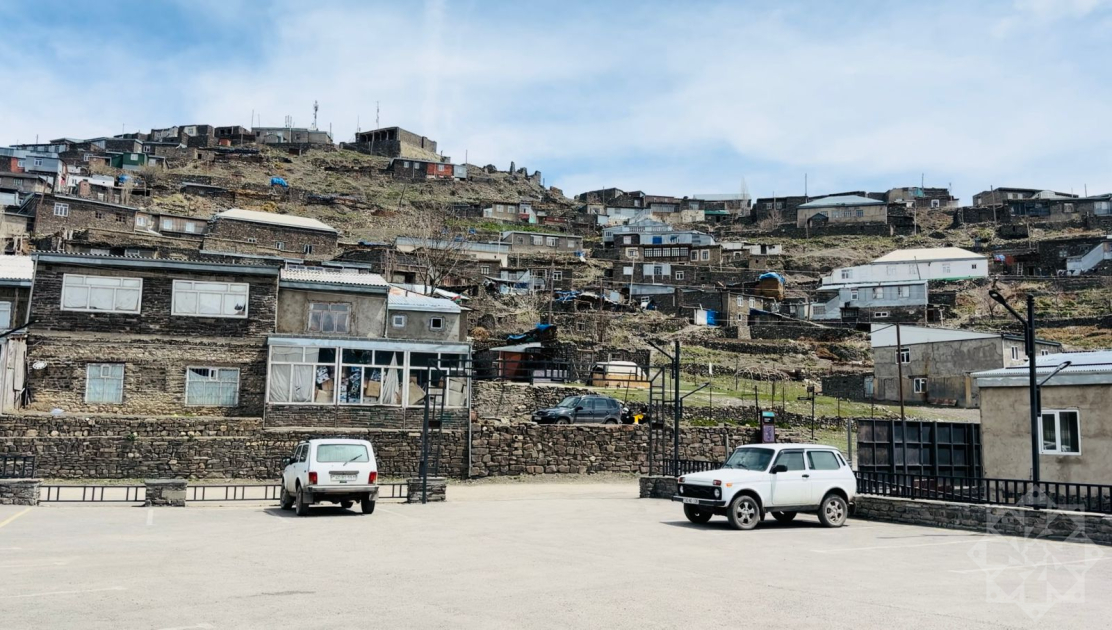
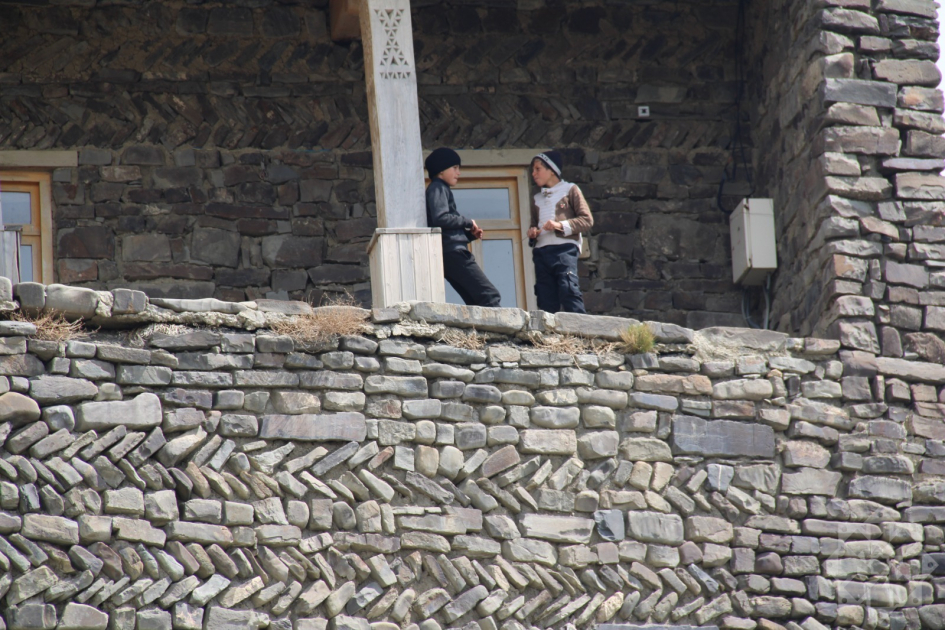
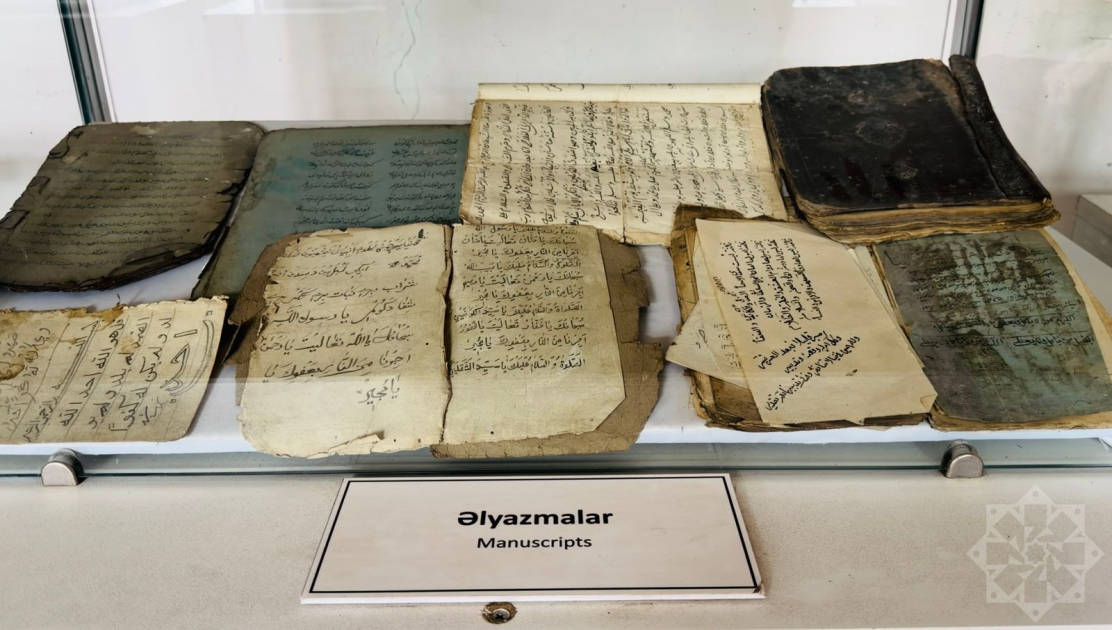
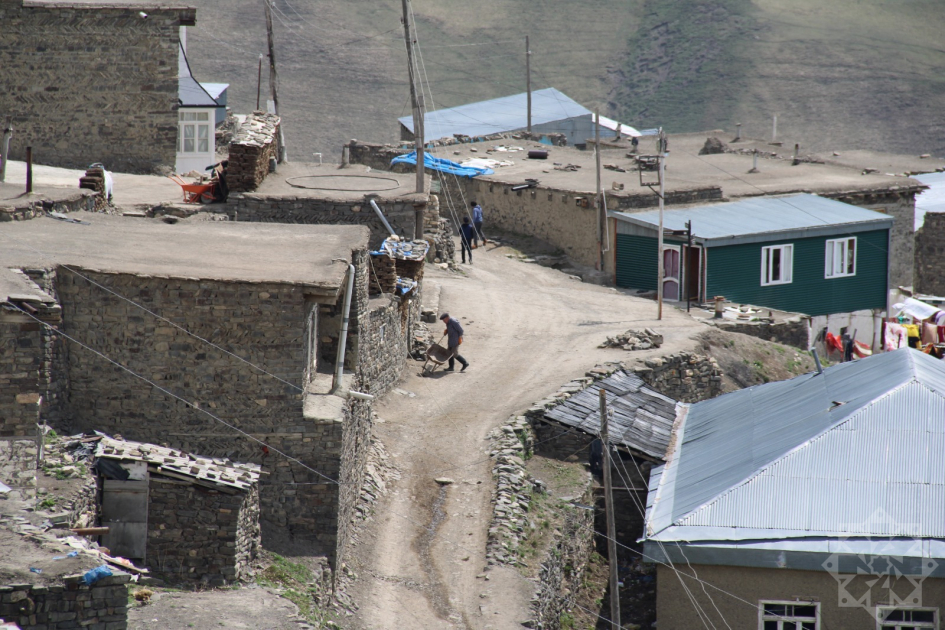
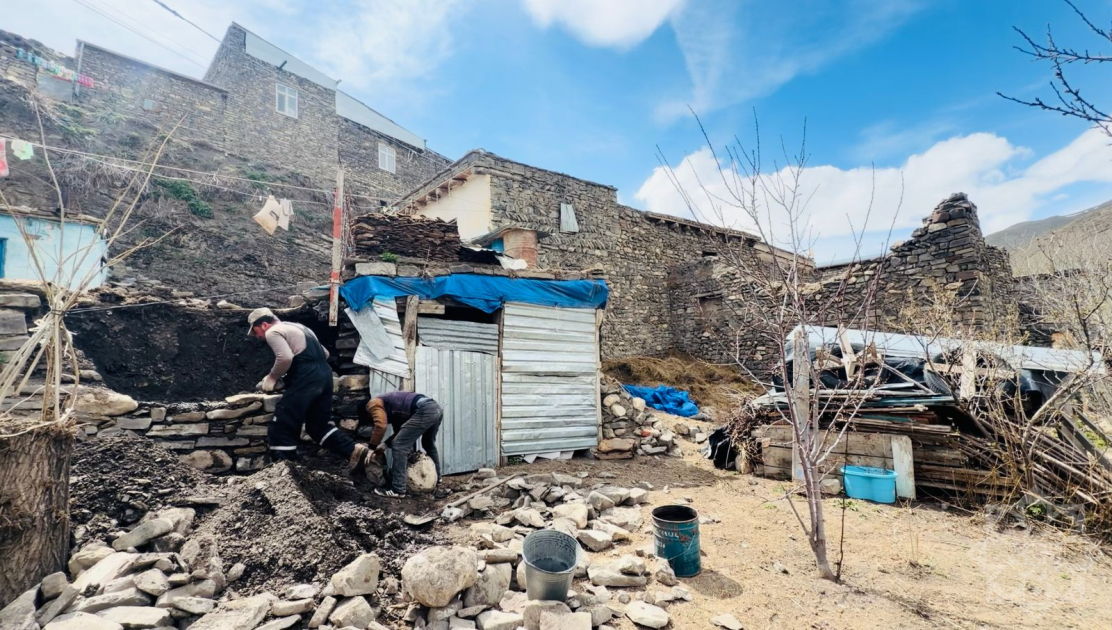
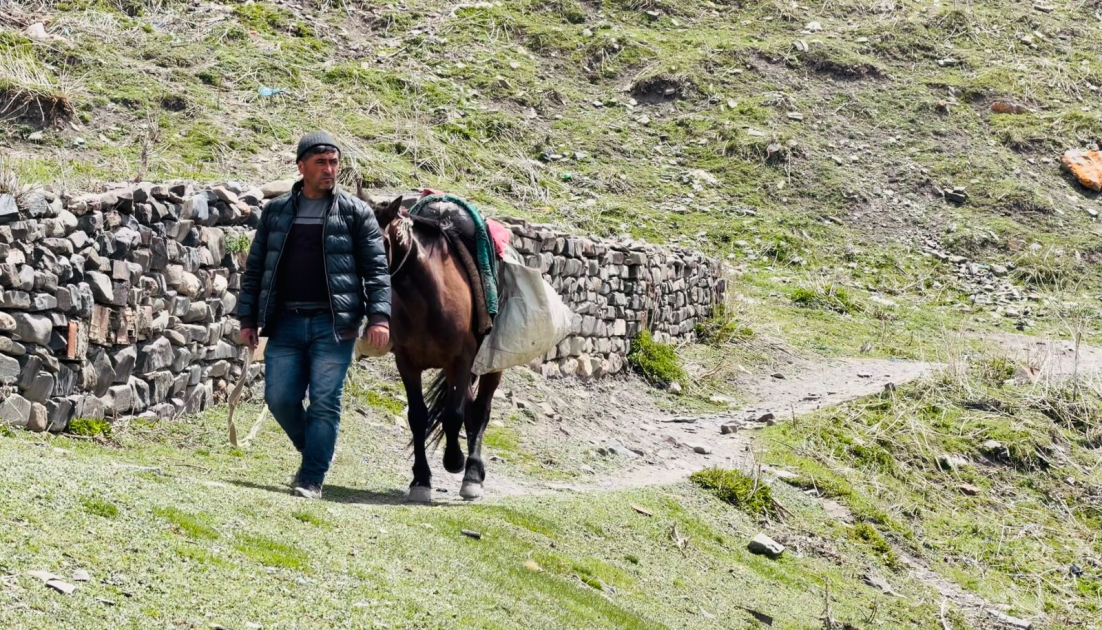
Walking through Khinalig’s stone-paved streets, it becomes clear how its residents have preserved their identity for centuries. The Khinalig people are one of Azerbaijan’s most ancient and distinctive ethnic groups, with their own language, traditions, beliefs, and way of life. Oral literature, including epics, folk poems, and legends, continues to be preserved and passed down through generations.
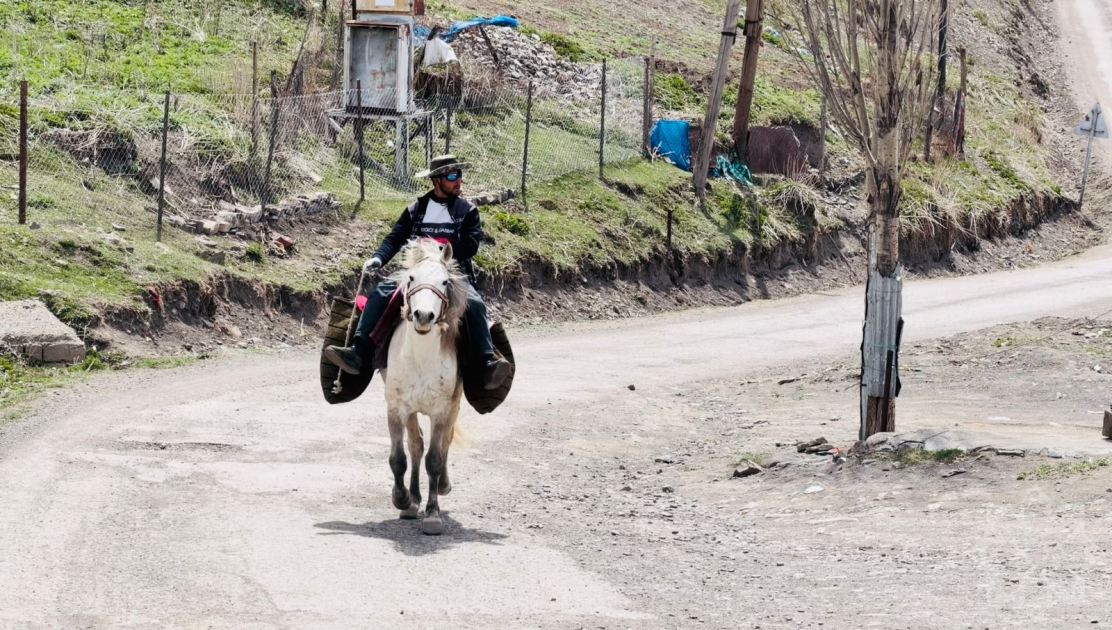
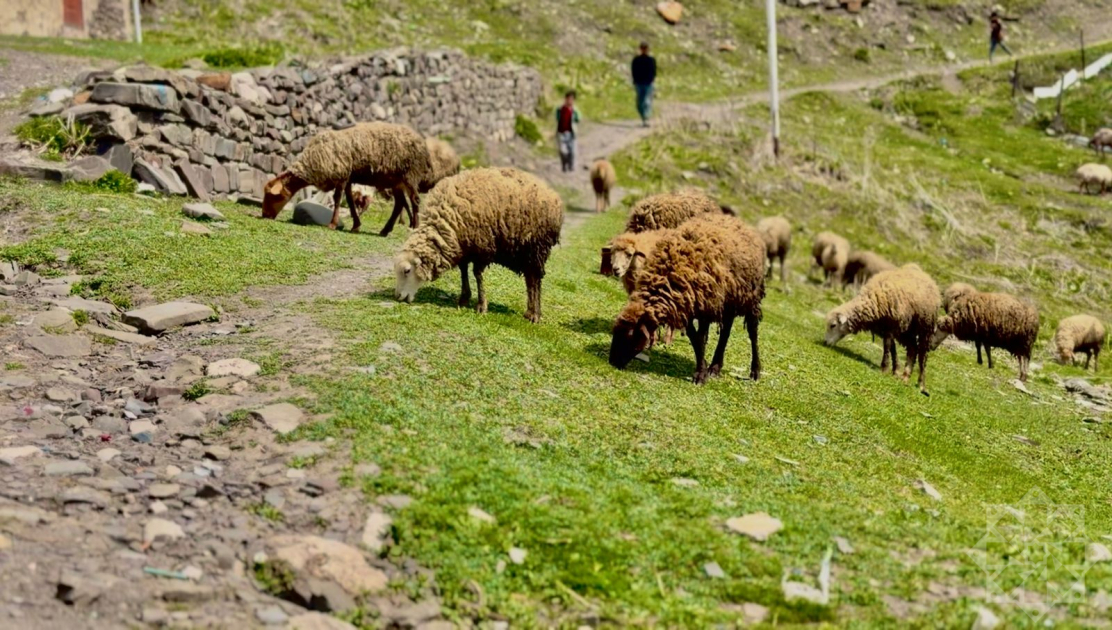
Living for centuries in a harsh climate, the villagers engaged in nomadic herding, which shaped their daily life, culture, and worldview. The traditional migration route from summer pastures to winter grounds was central to this way of life. Stretching over 200 kilometers, it connected the pastoral systems of the Guba and Shirvan regions for centuries.
Today, both the ancient migration route and Khinalig village are in the global spotlight. In 2023, the “Cultural Landscape of Khinalig People and “Köç Yolu” Transhumance Route” was inscribed on the UNESCO World Heritage List. That same year, a presidential decree established the “Khinalig and Migration Route” State Historical, Cultural and Ethnographic Reserve under the State Tourism Agency. Two years later, Khinalig was designated a “Best Tourism Village” by UN Tourism.
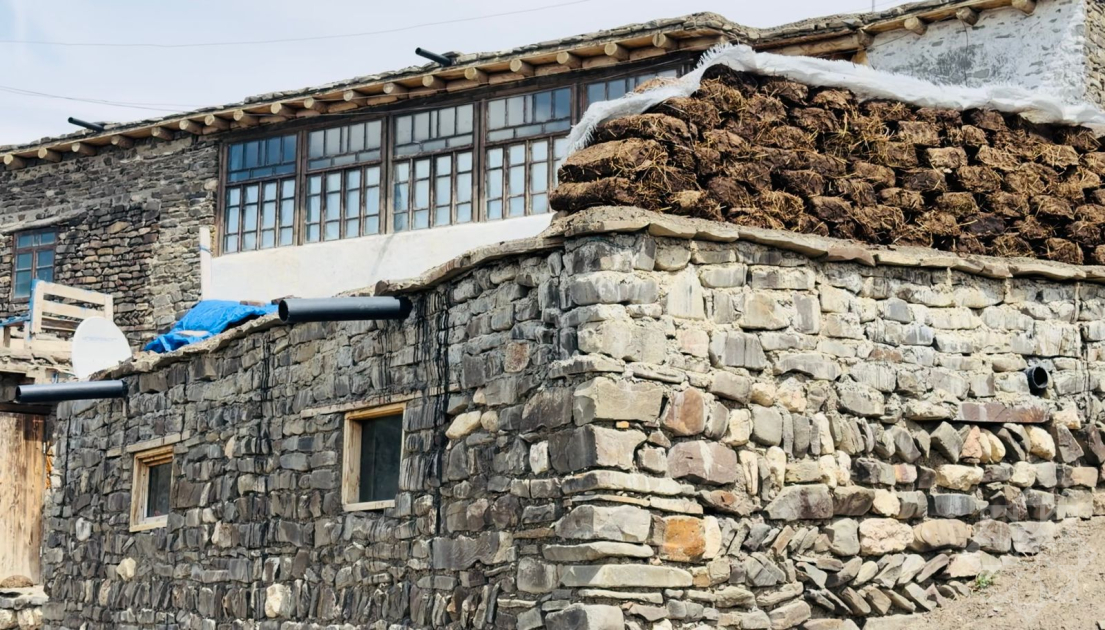
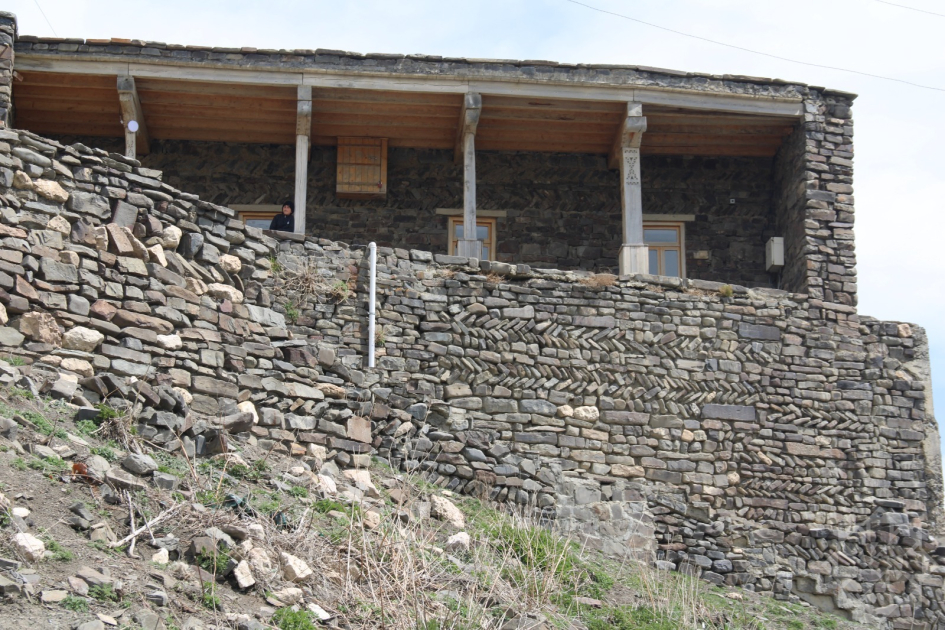
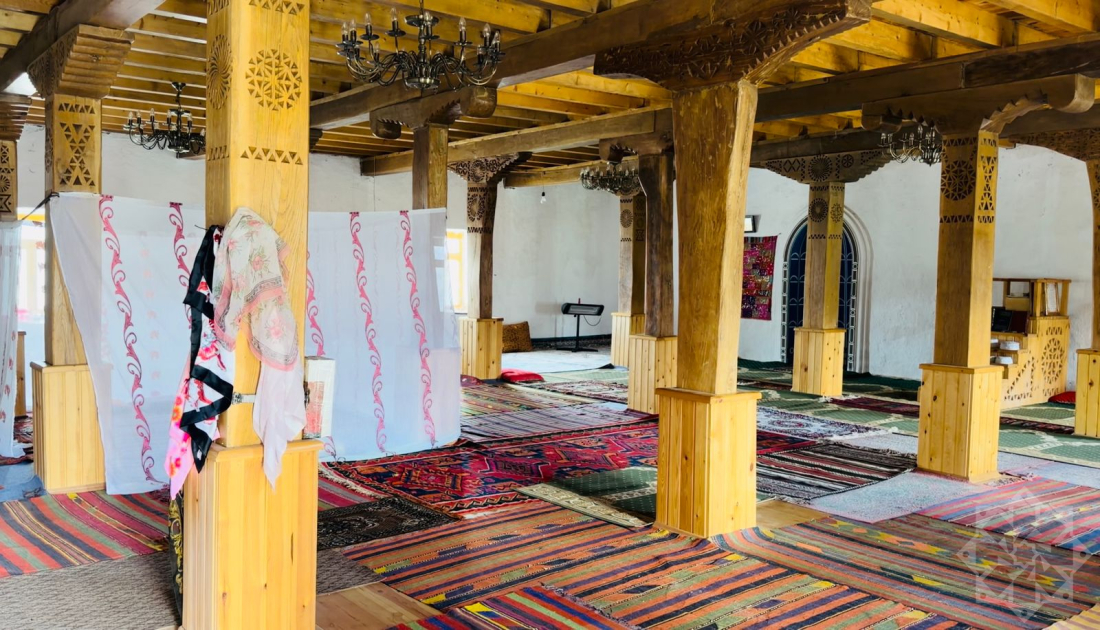
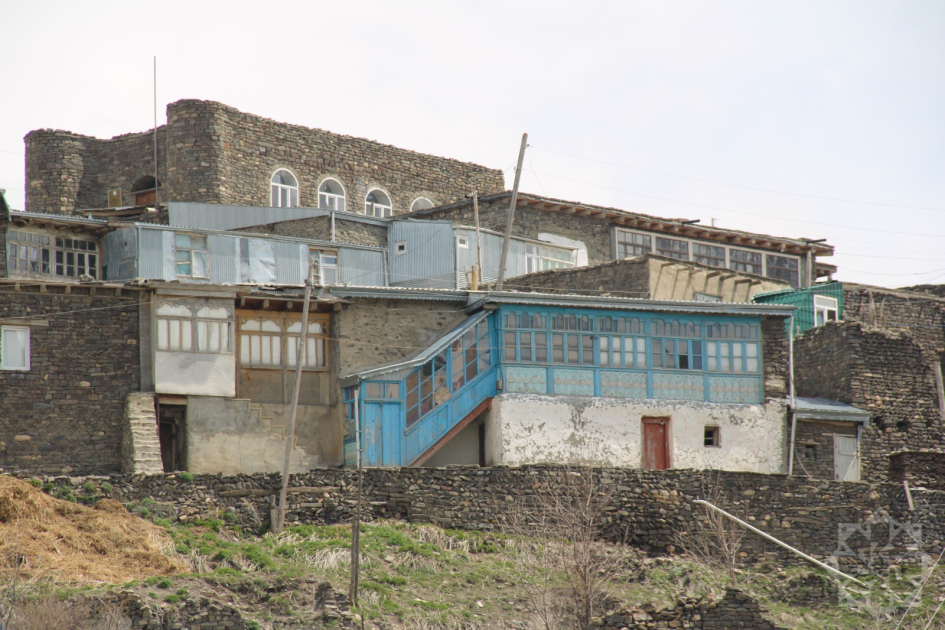
The historic part of the village contains ancient houses built in traditional architectural styles, some of which have been restored and are under state protection. Khinalig also preserves old mosques, mausoleums, and shrines. The Juma Mosque at the highest point of the village, the Abu Muslim Mosque, the Sheikh Salbuz Mosque, as well as the Jabbar Baba and Khidir Nabi shrines, remain living witnesses of history. In total, more than 30 tombs and sacred sites exist in the village area.

Other news in this section


