A journey to the capital of Caucasian Albania VIDEO
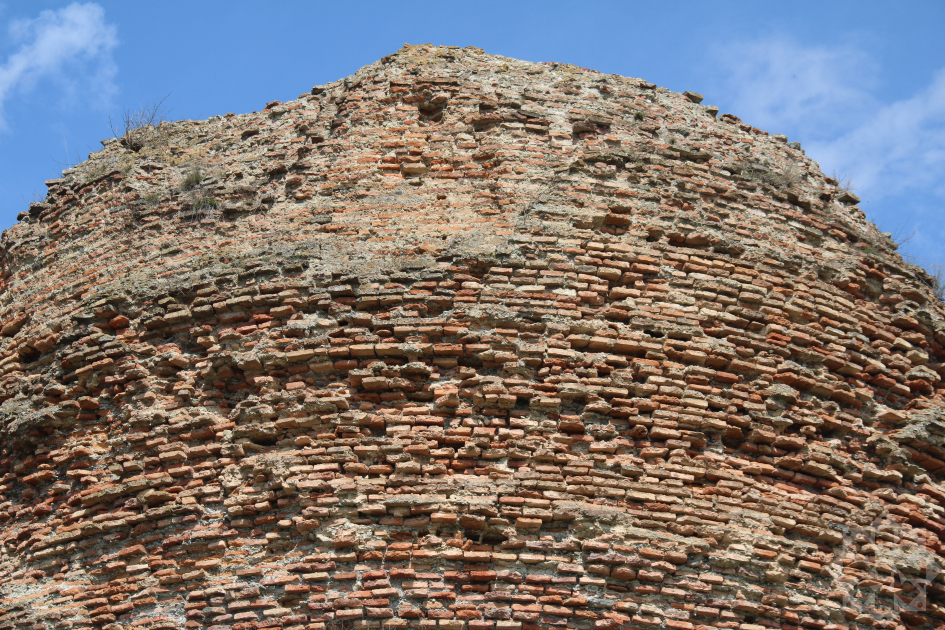
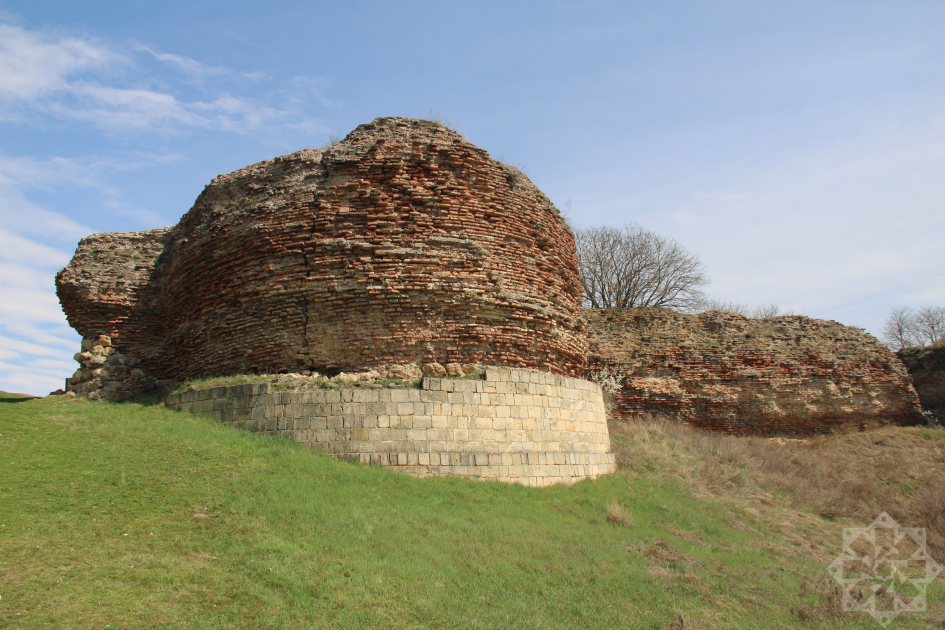
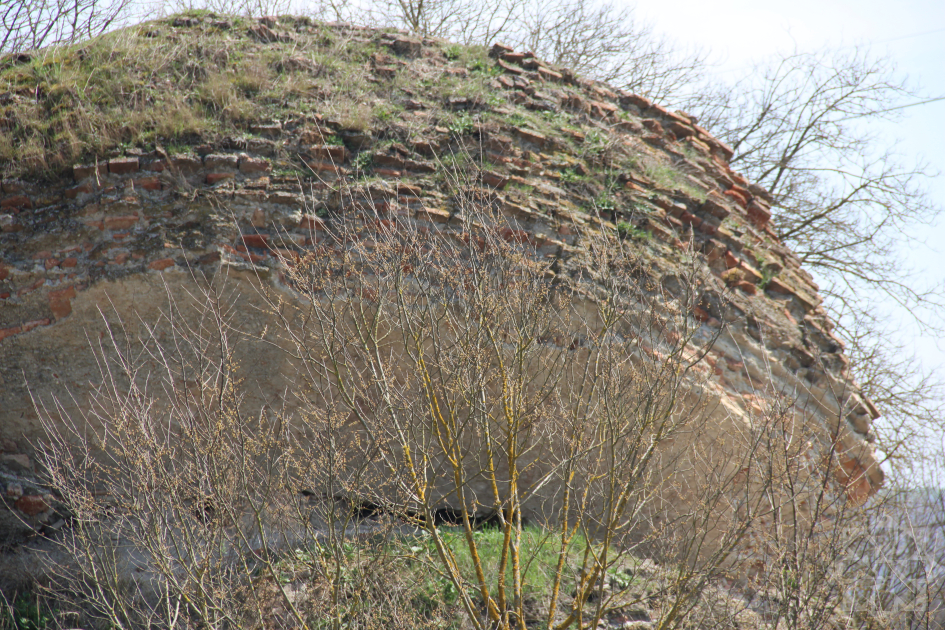
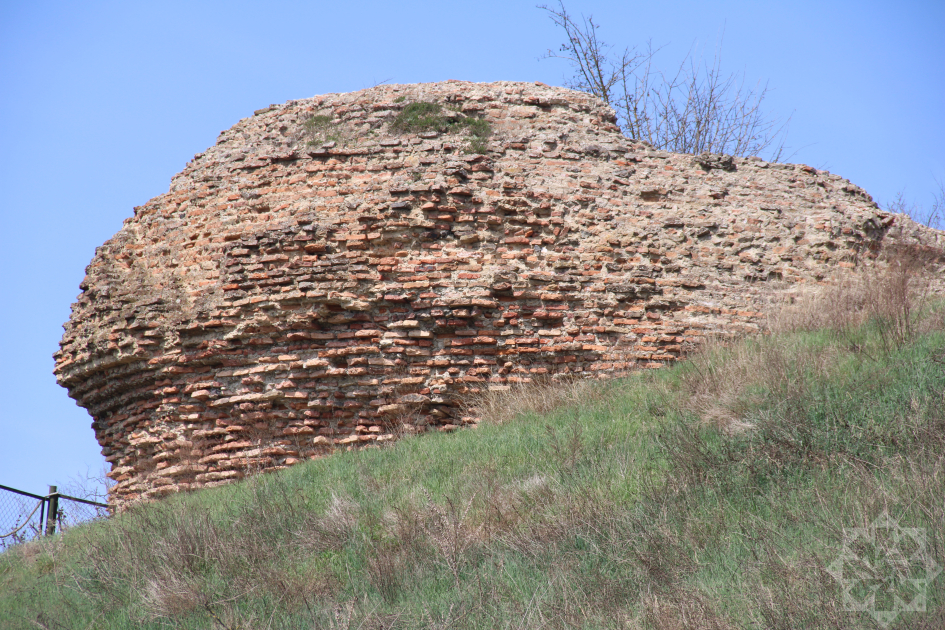
Gabala, May 7, AZERTAC
The latest feature in AZERTAC’s “If I Were a Tourist” column highlights the ancient capital of Caucasian Albania.
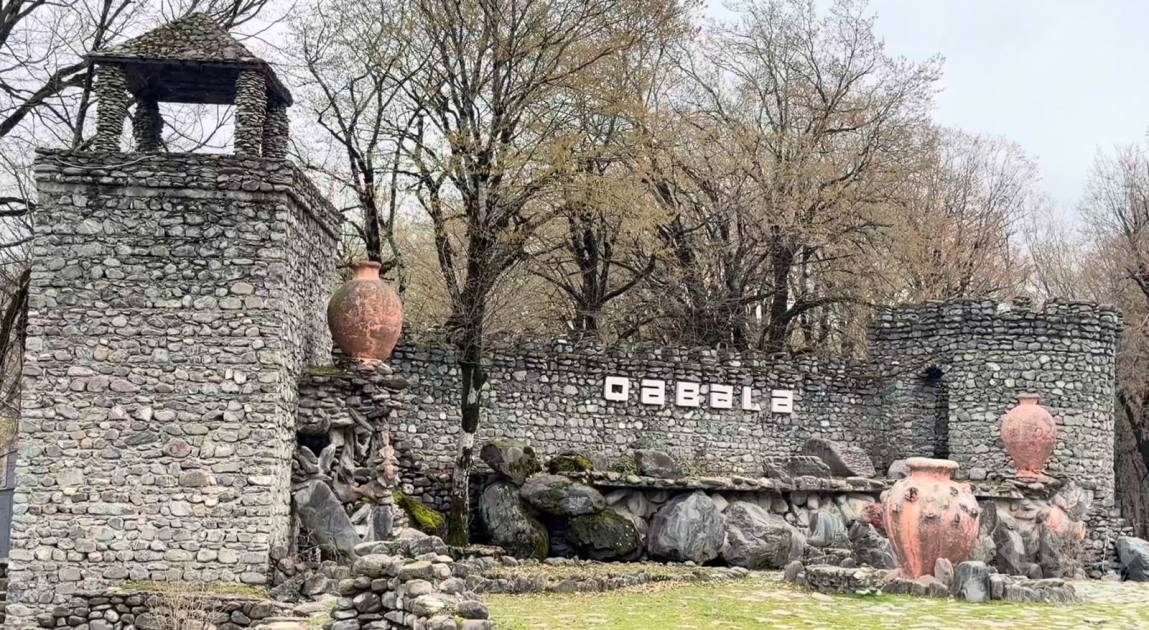
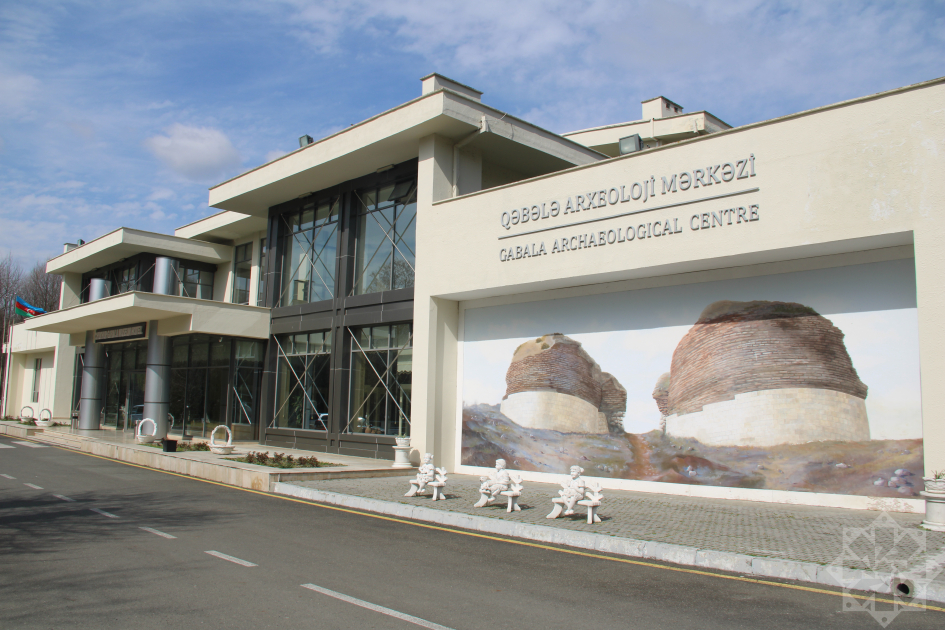
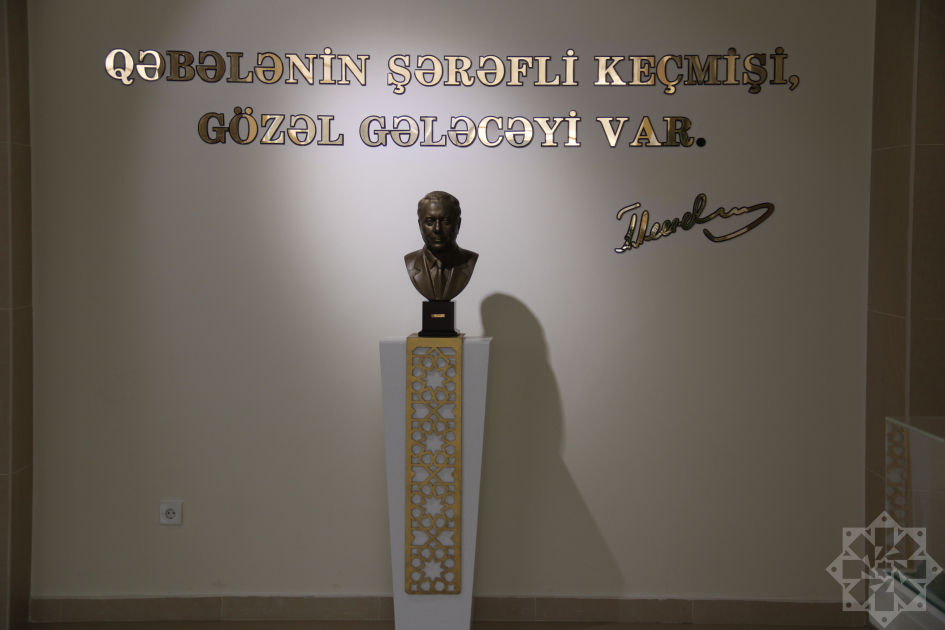
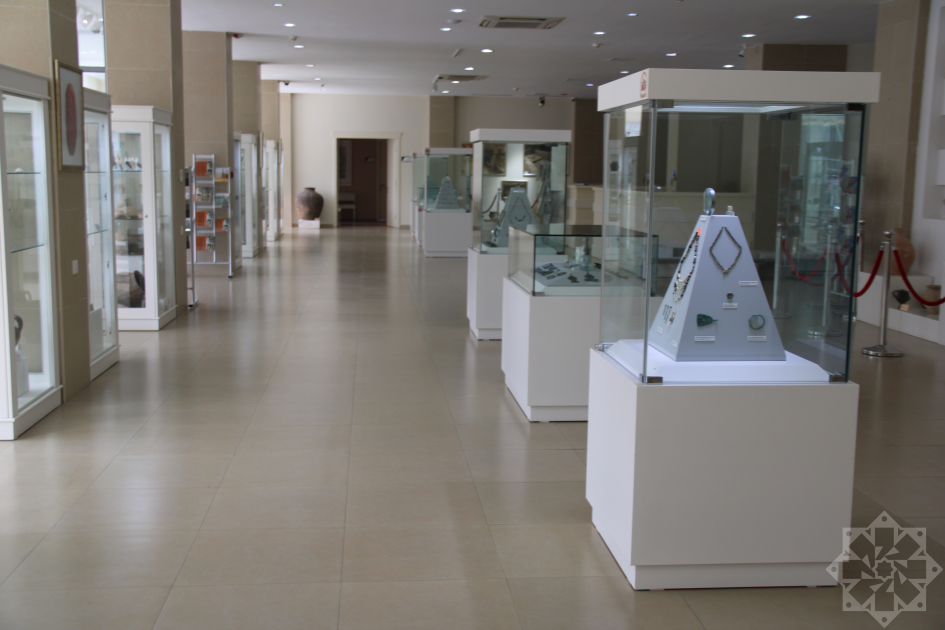
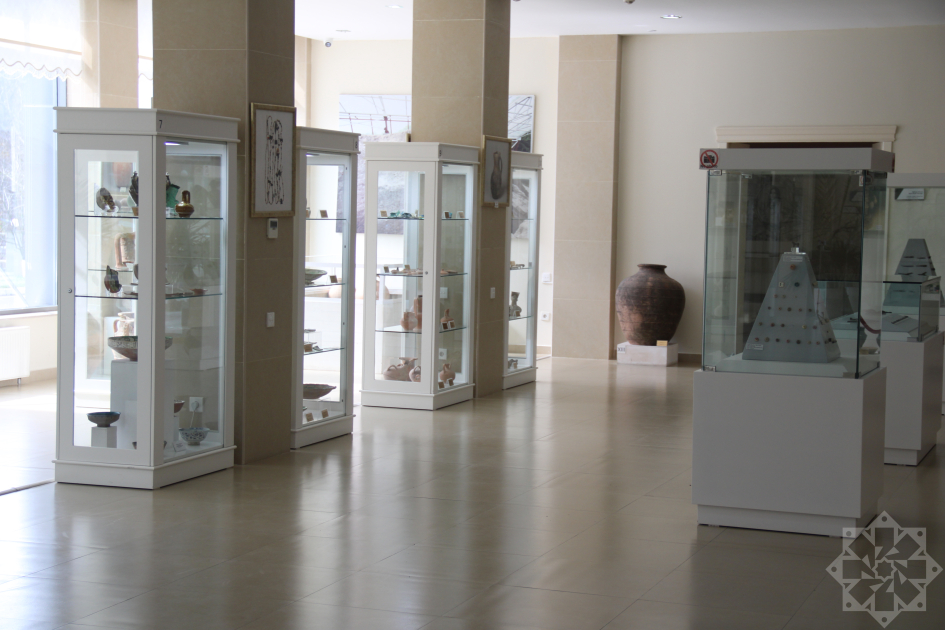
Founded in 1978, the Gabala State Historical-Artistic Reserve operates under the Ministry of Culture’s State Service for the Protection, Development and Restoration of Cultural Heritage. It is more than just a historical site — it is an open-air museum preserving the remains of an ancient city, archaeological discoveries, and a cultural legacy spanning millennia.
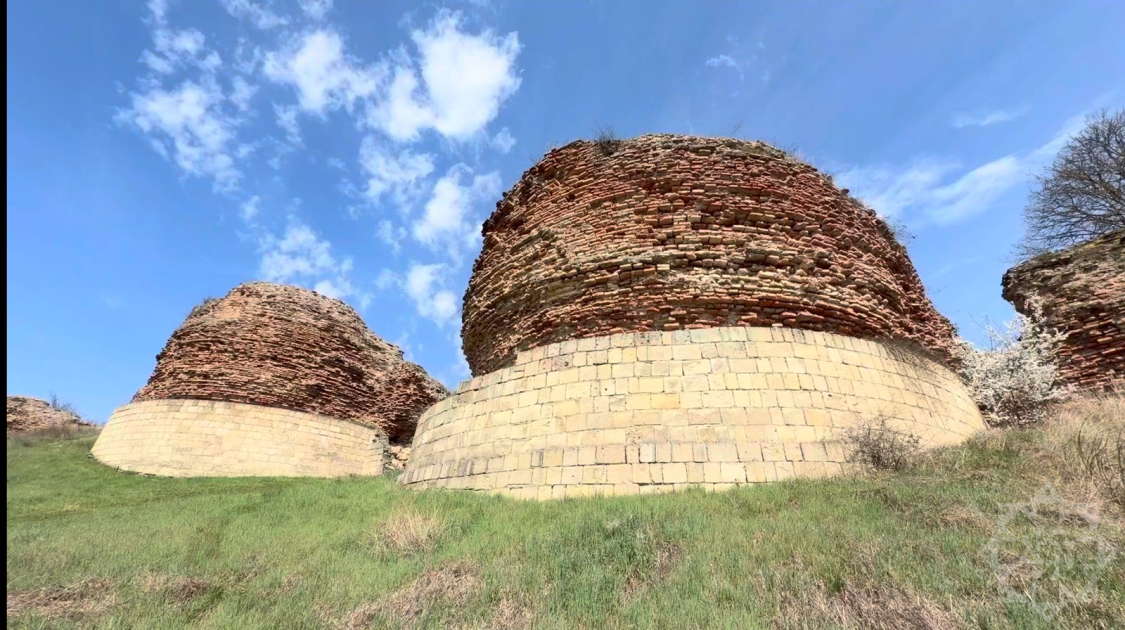
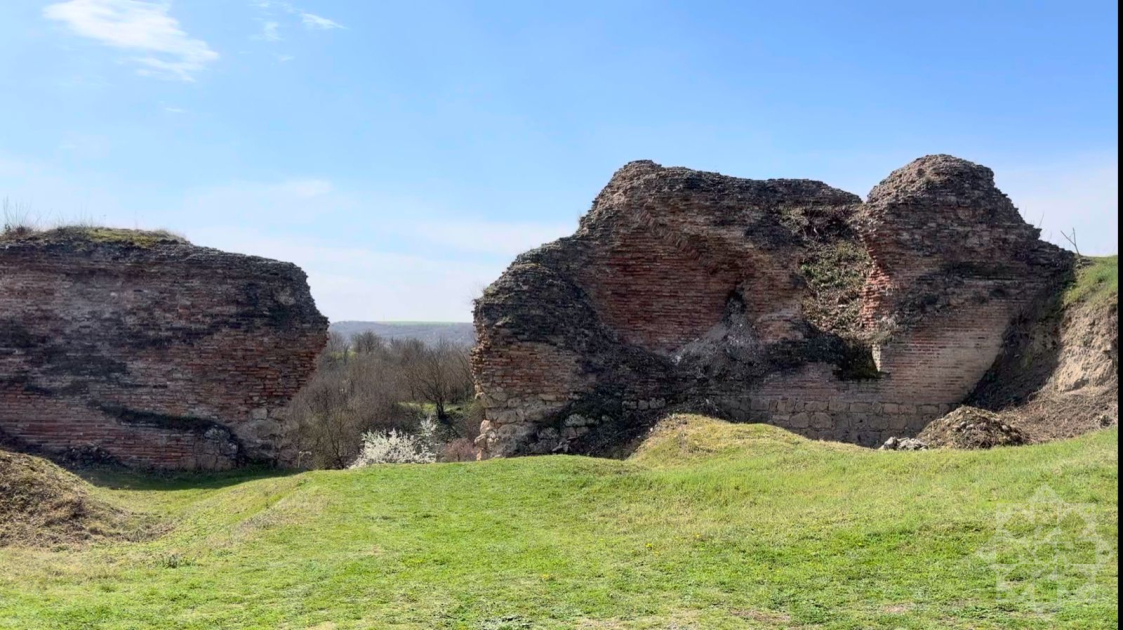
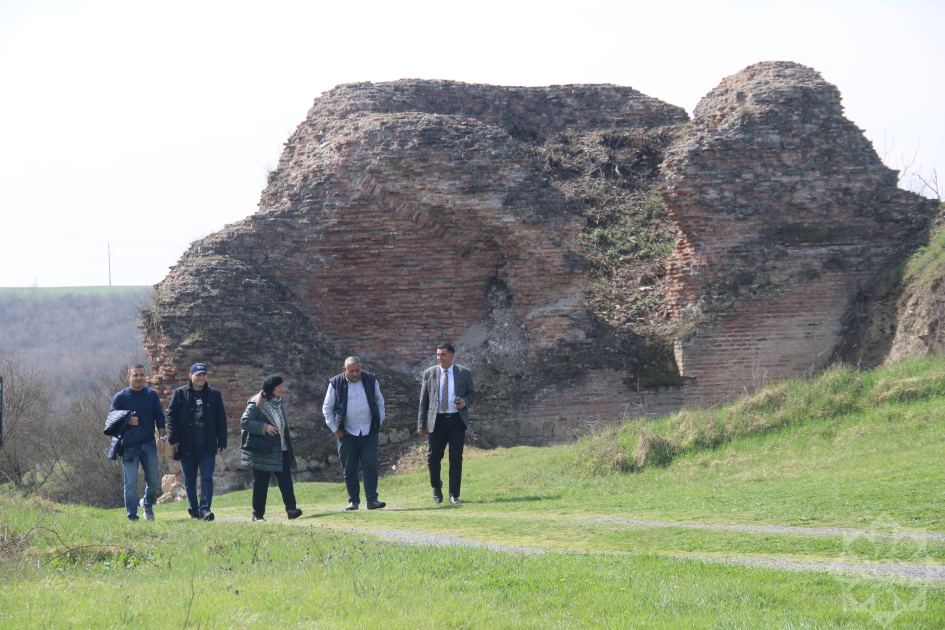
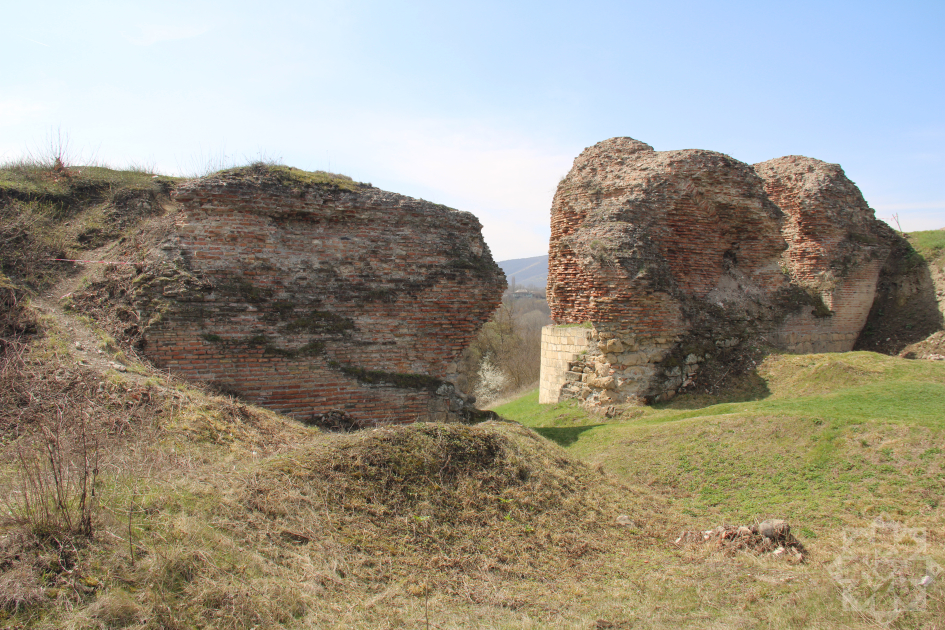
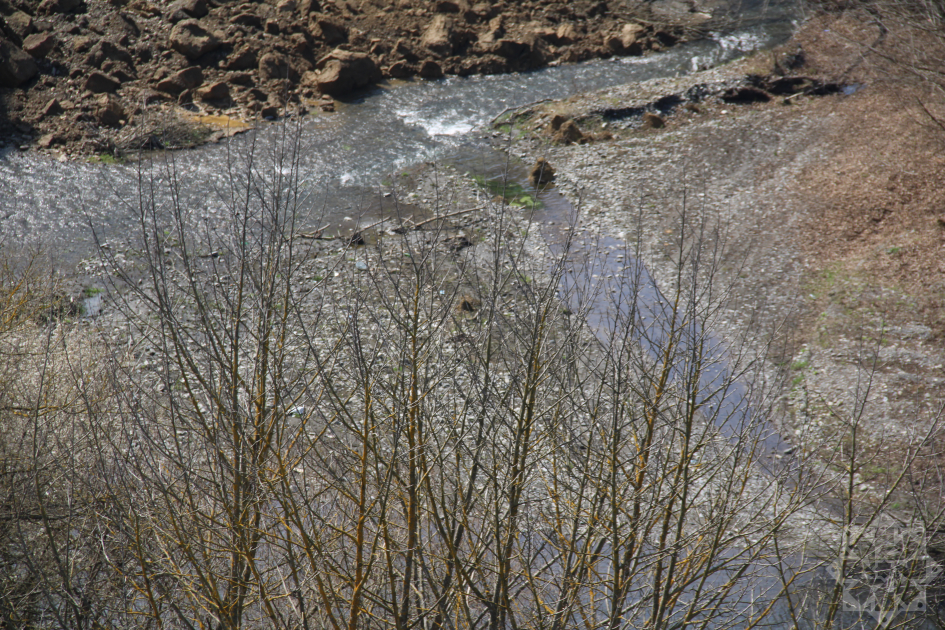
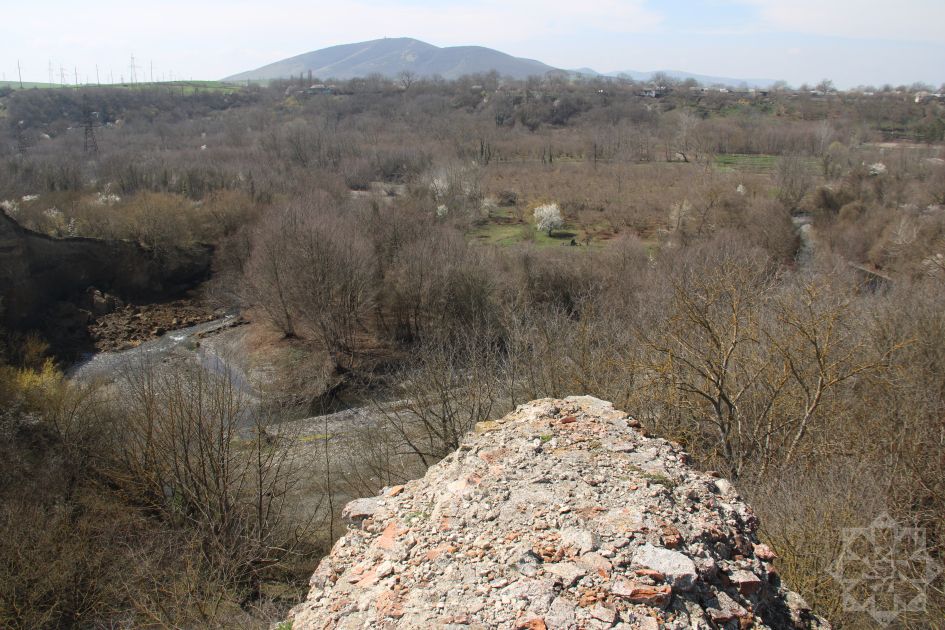
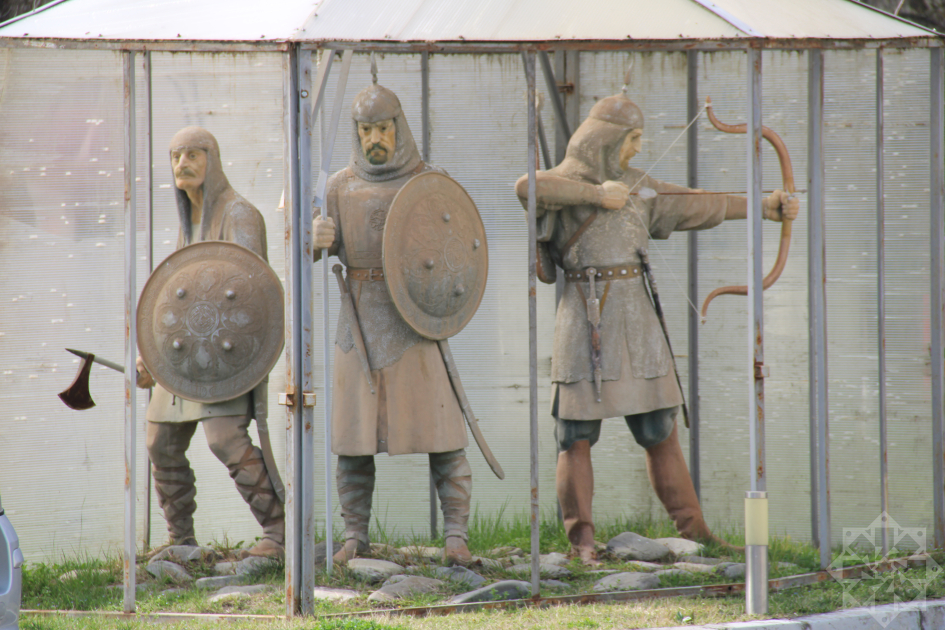
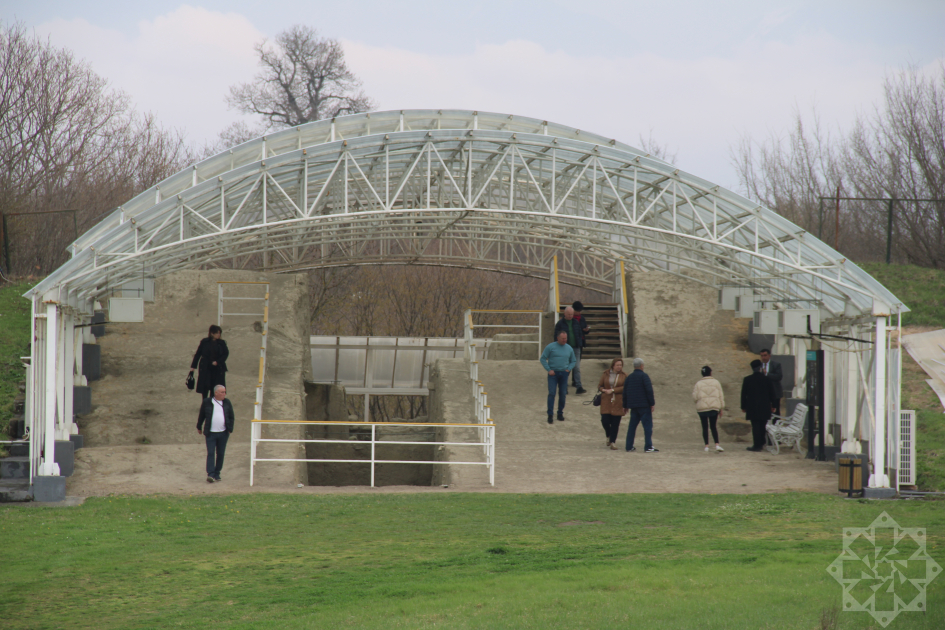
The ruins of the ancient city of Gabala are located about 18 kilometers southwest of the district center, in the areas of Chukhur Gabala and Tovla villages. Historical records indicate that Gabala was established in the 4th–3rd centuries BCE and served as the capital of Caucasian Albania. The Roman scholar Pliny the Elder referred to the city as “Kabalaka,” while the Greek geographer Claudius Ptolemy called it “Khabala.” These references highlight the city’s antiquity and historical significance.
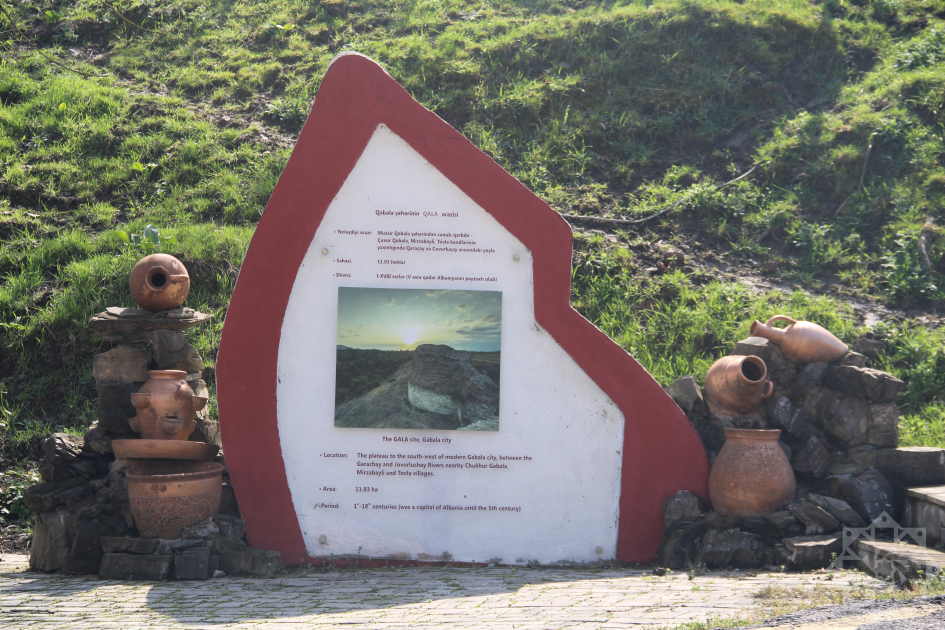
Covering nearly 420 hectares, the reserve encompasses three major historical and archaeological areas: the Ancient City site, Selbir, and Gala. Research suggests that the city was founded atop an Early Iron Age settlement.
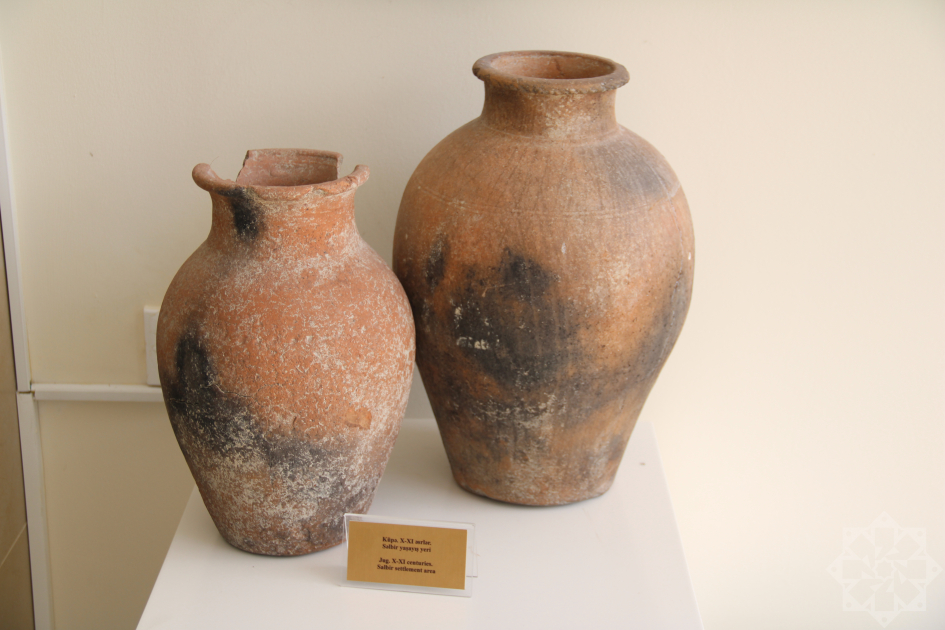
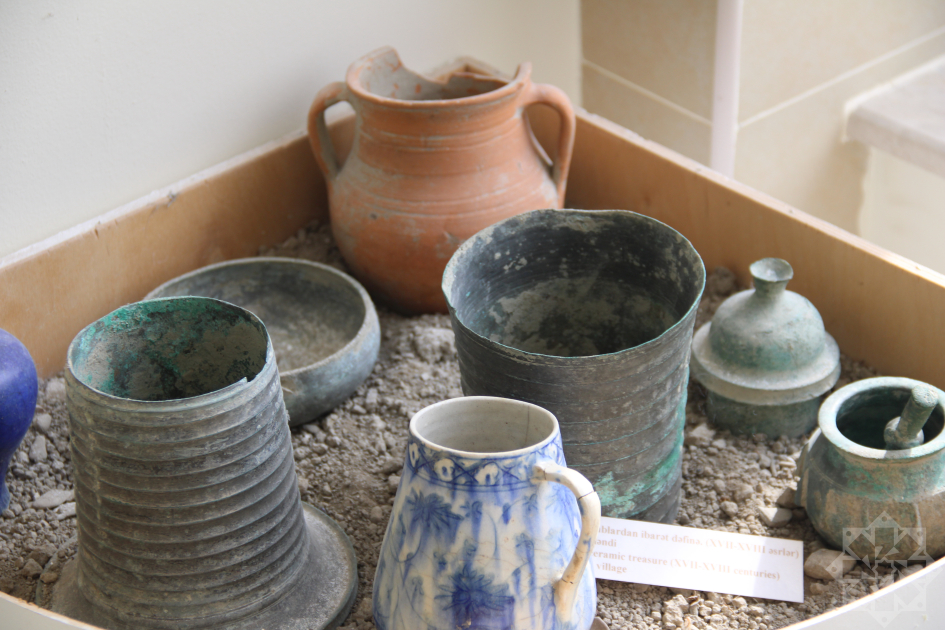
The Selbir area reflects life from the 1st to the 12th centuries AD, while the Gala area preserves traces of habitation from the 1st through the 18th centuries AD.
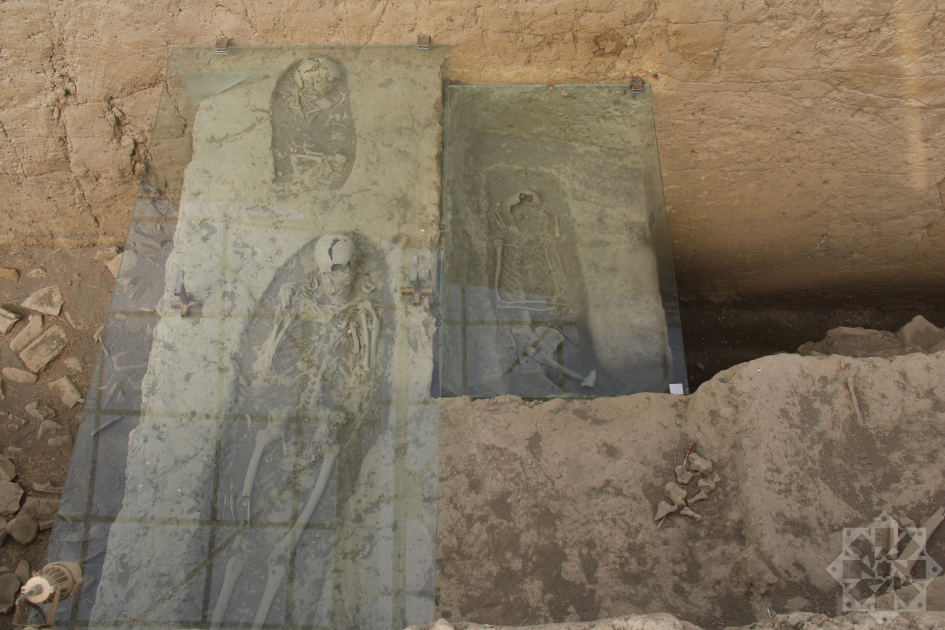
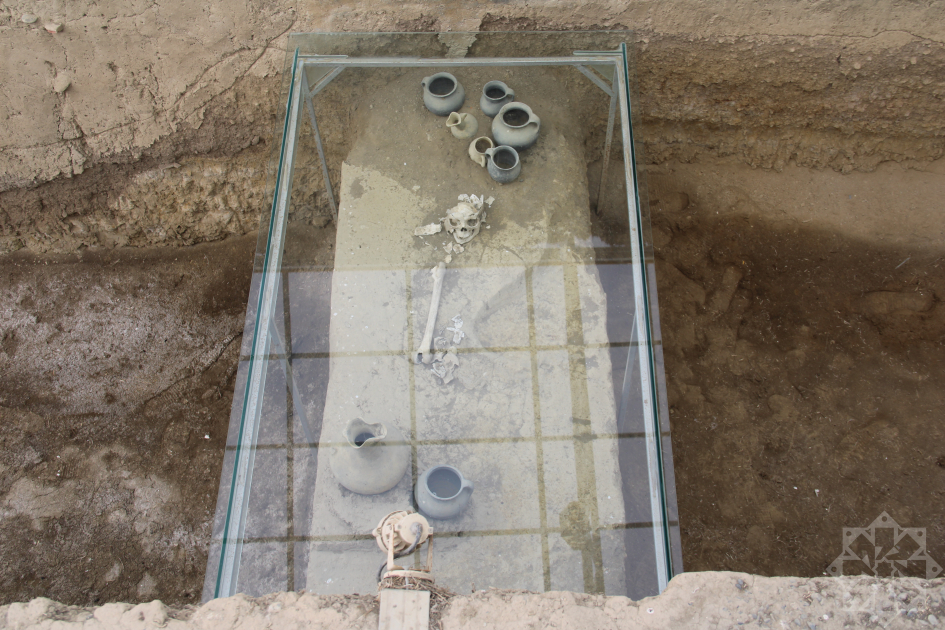
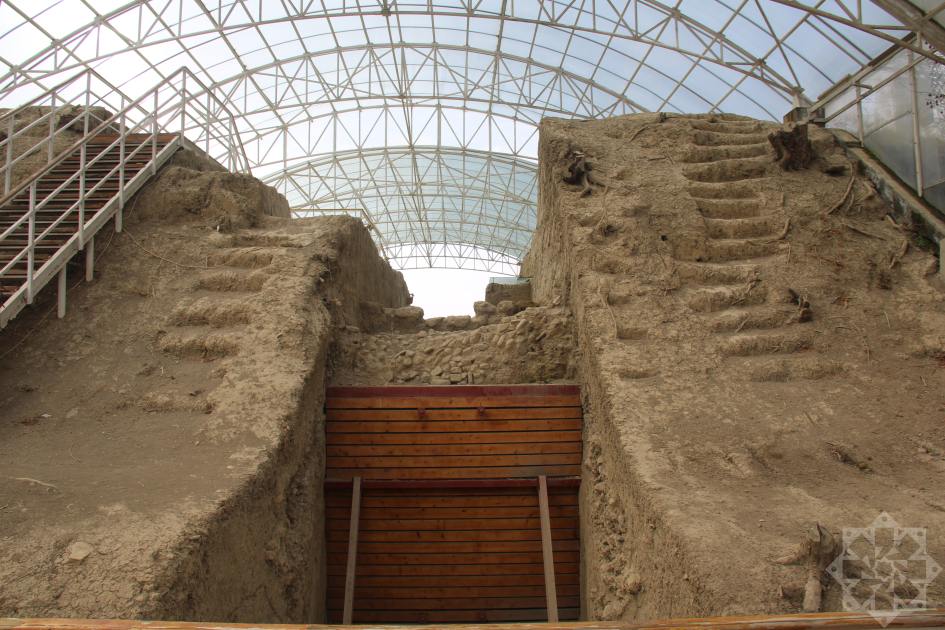
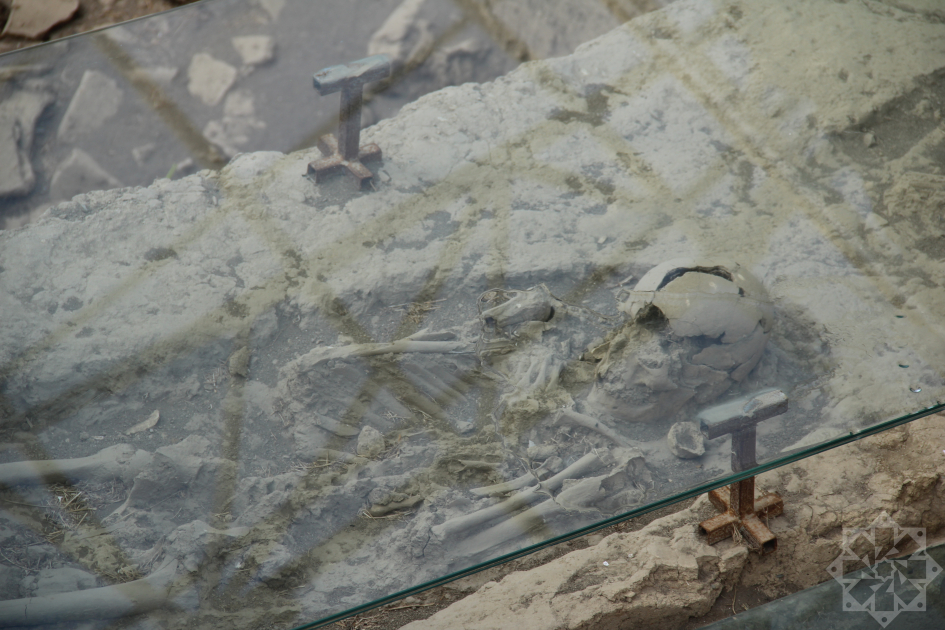
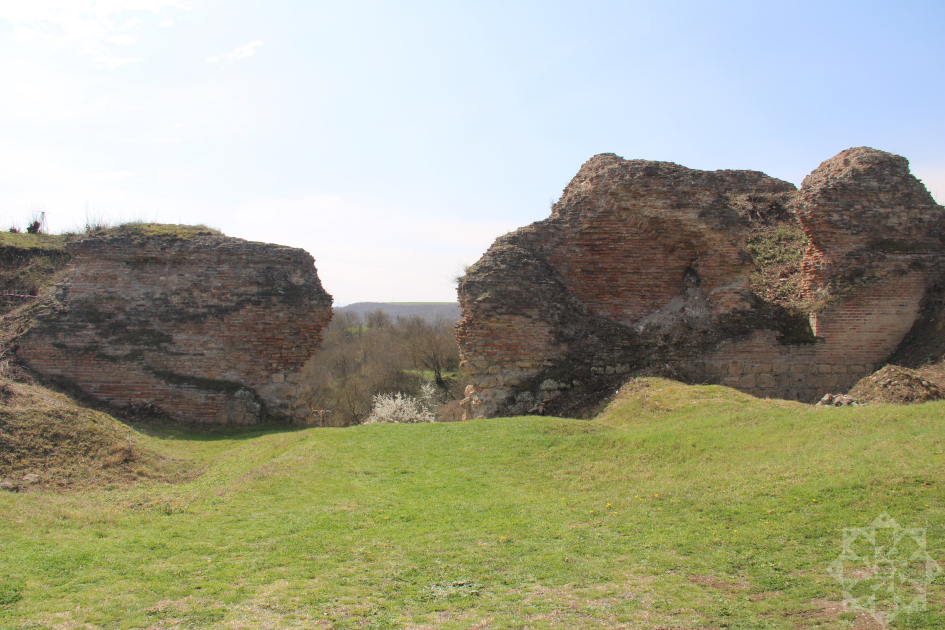
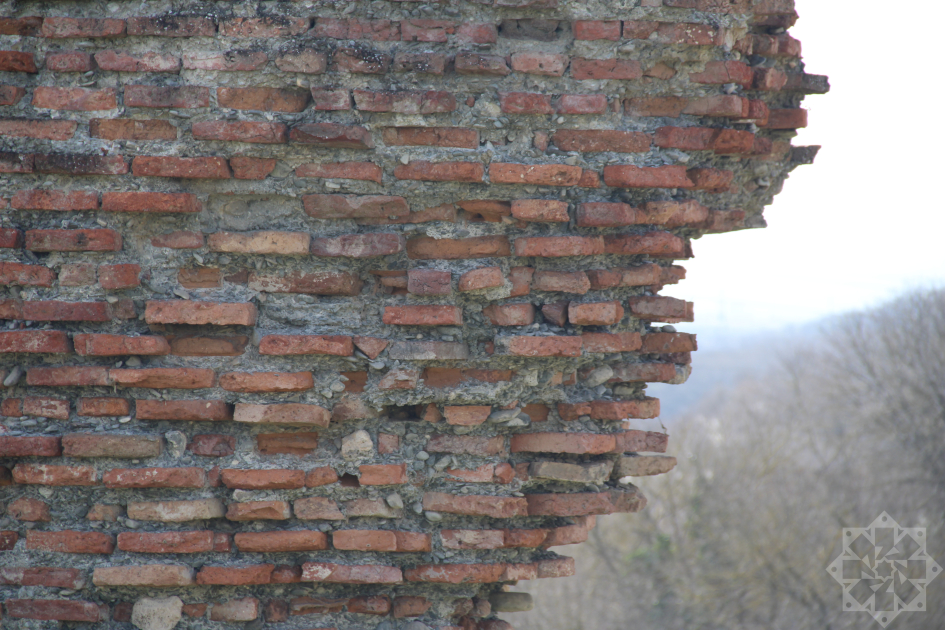
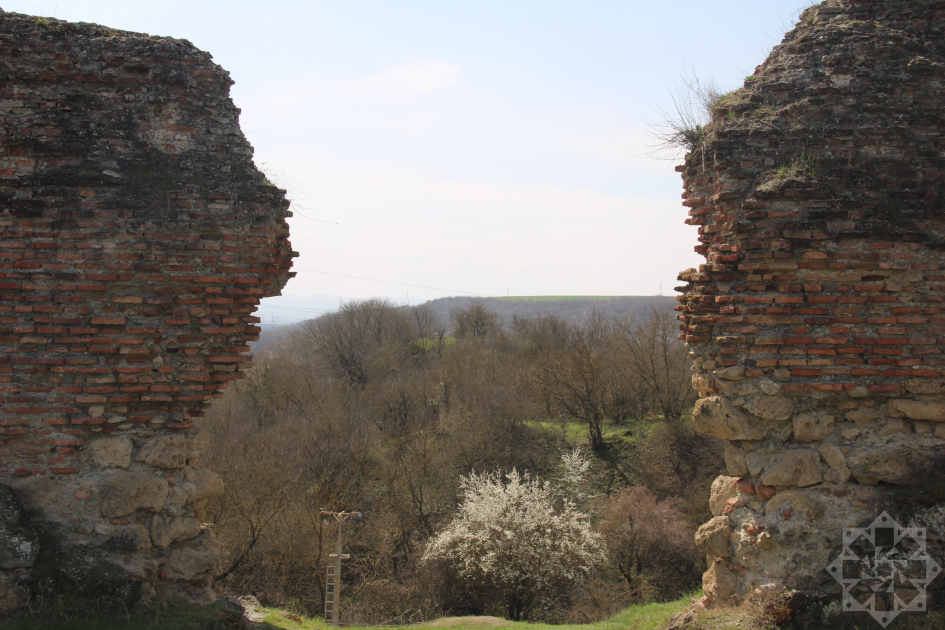
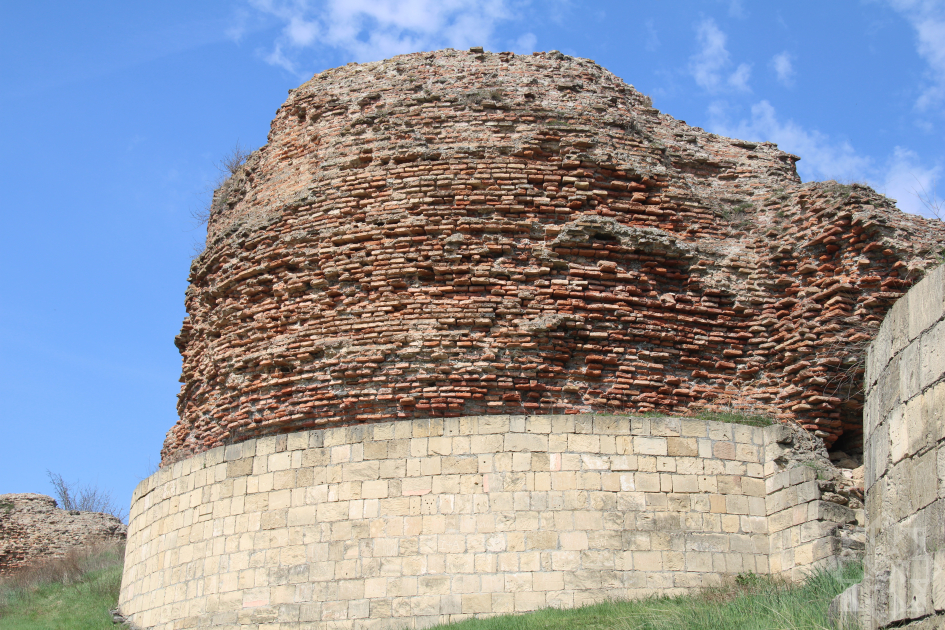
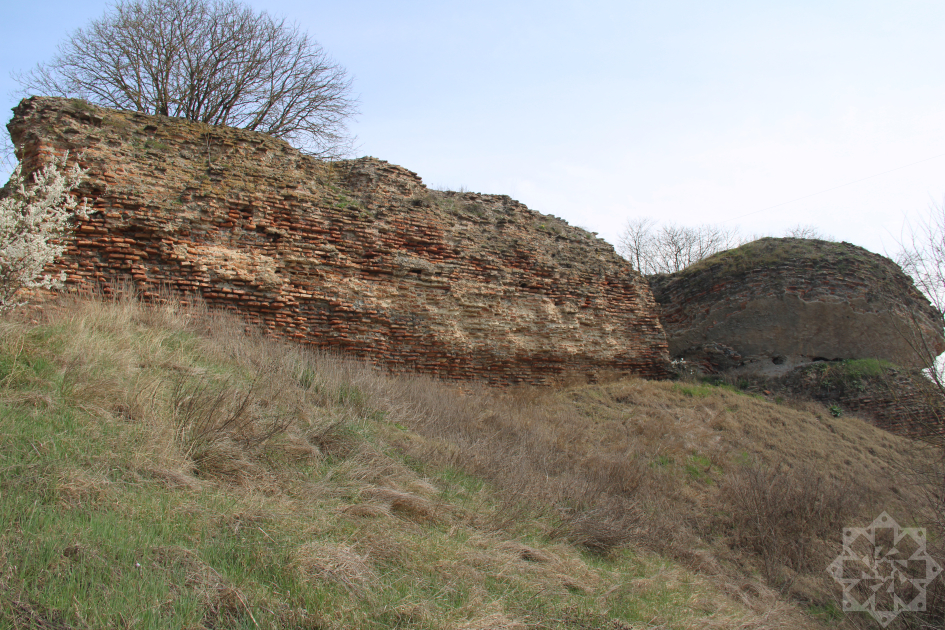
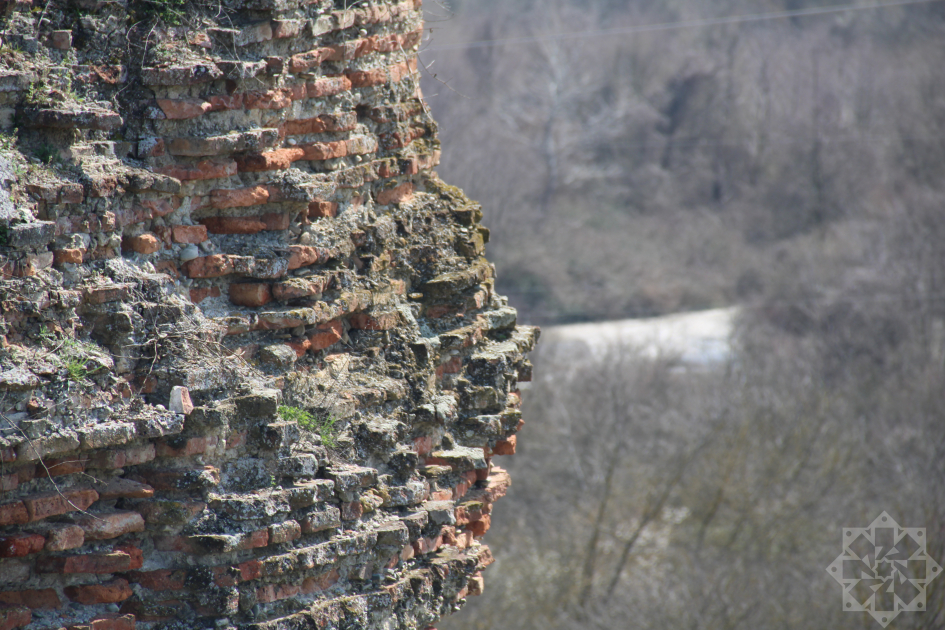
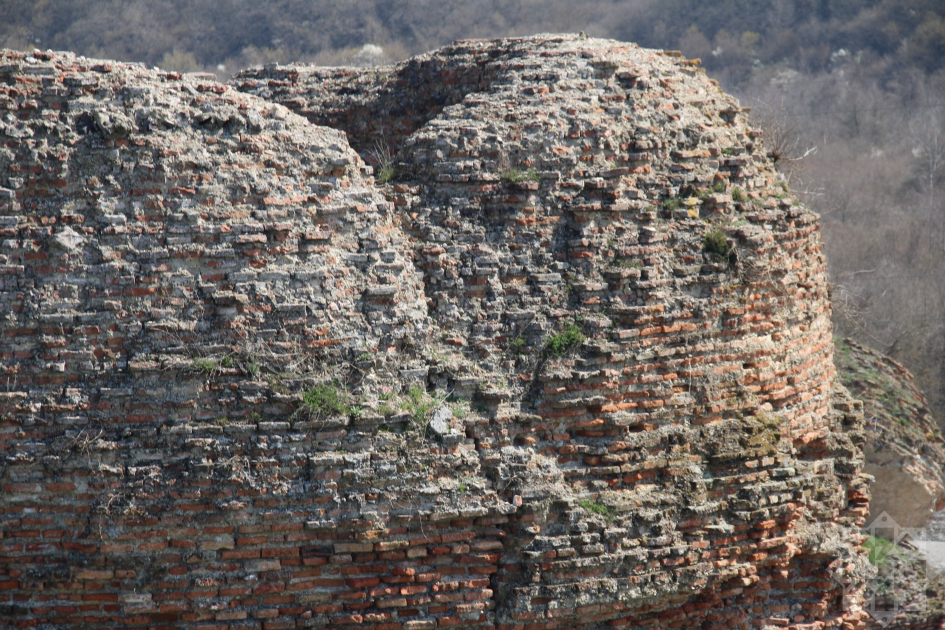
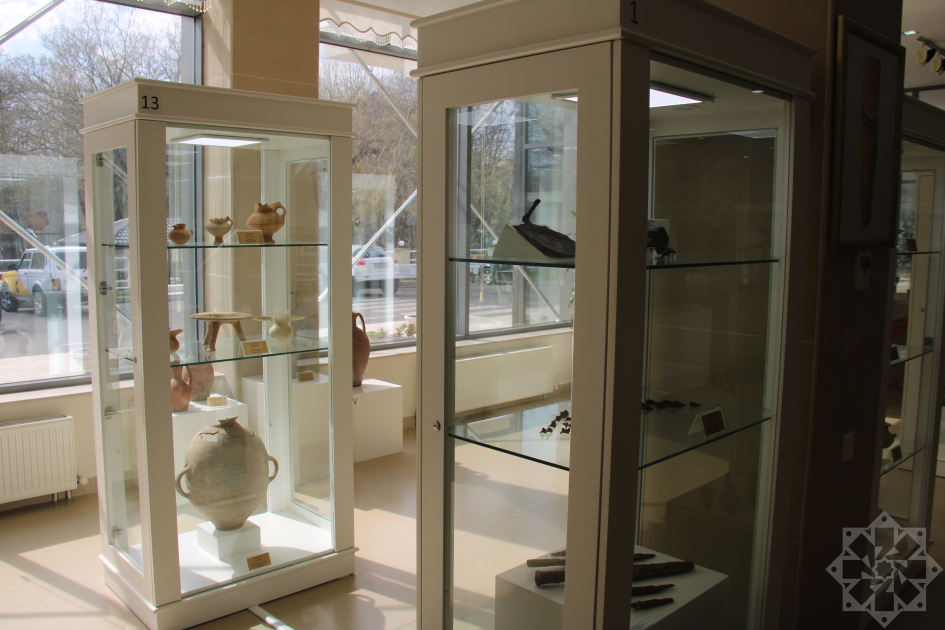
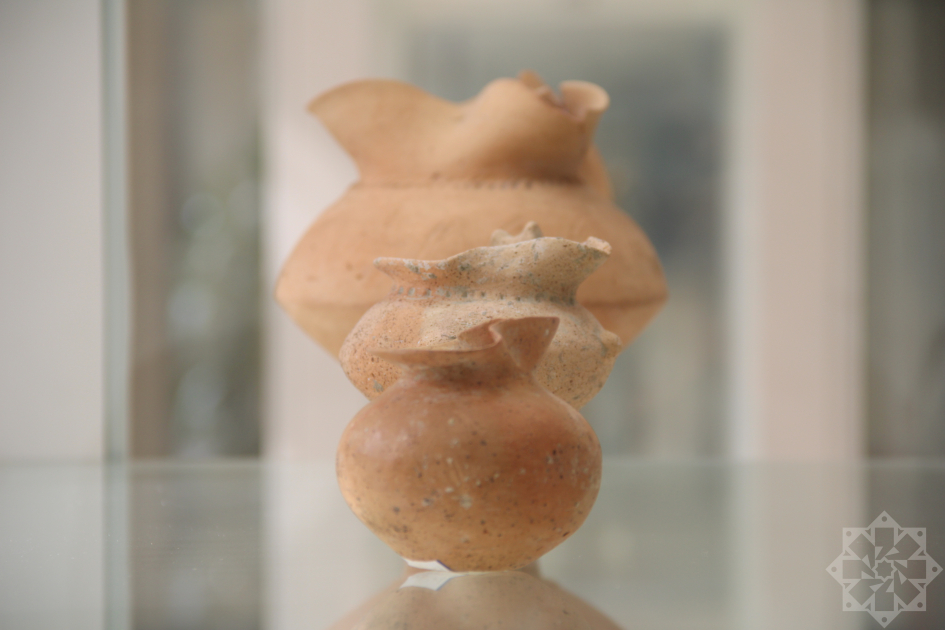
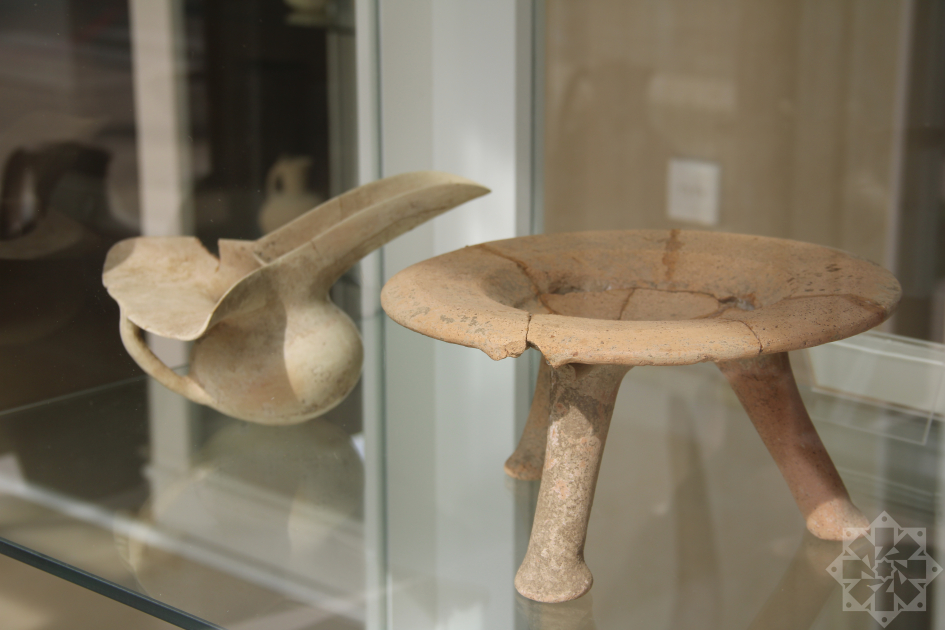
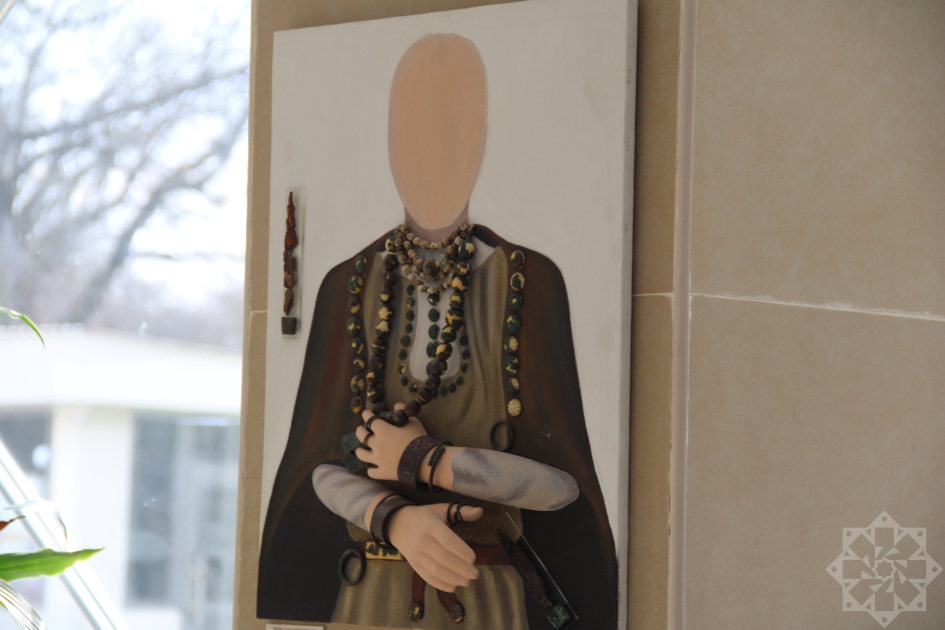
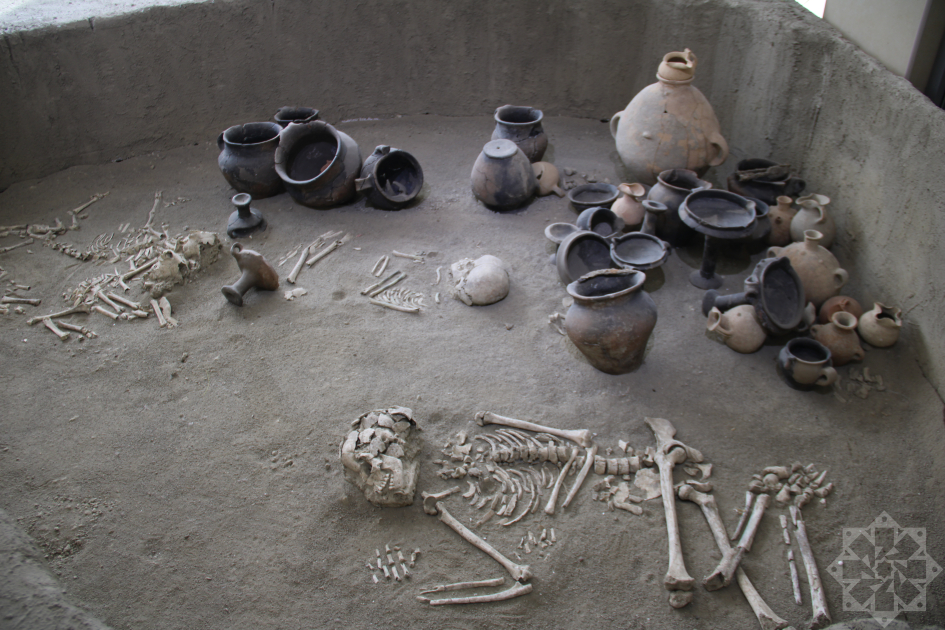
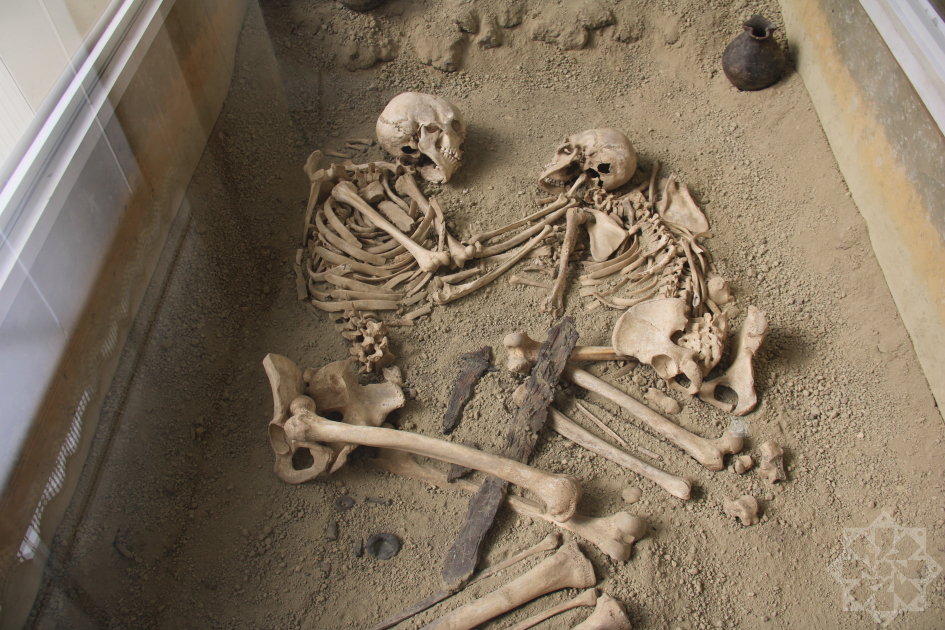
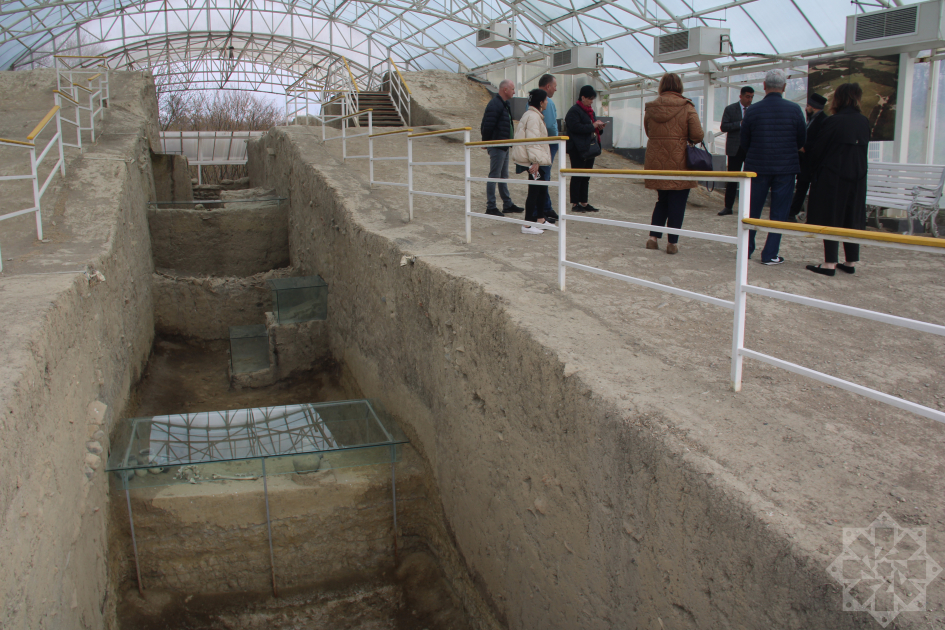
Archaeological excavations have uncovered numerous material culture artifacts illustrating life in the ancient city. The remains of defensive walls, residential buildings, production sites, and other important structures have also been brought to light.
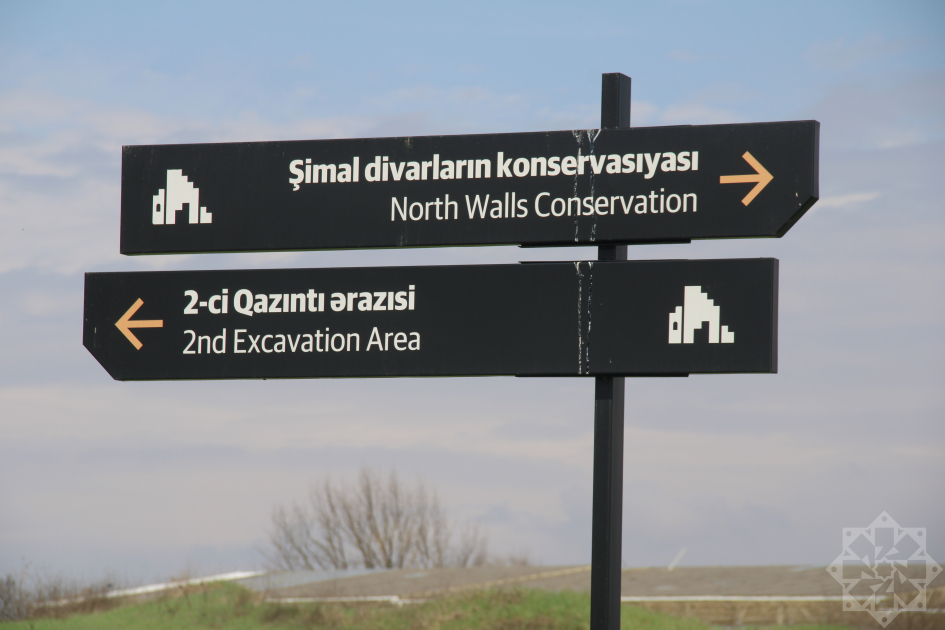
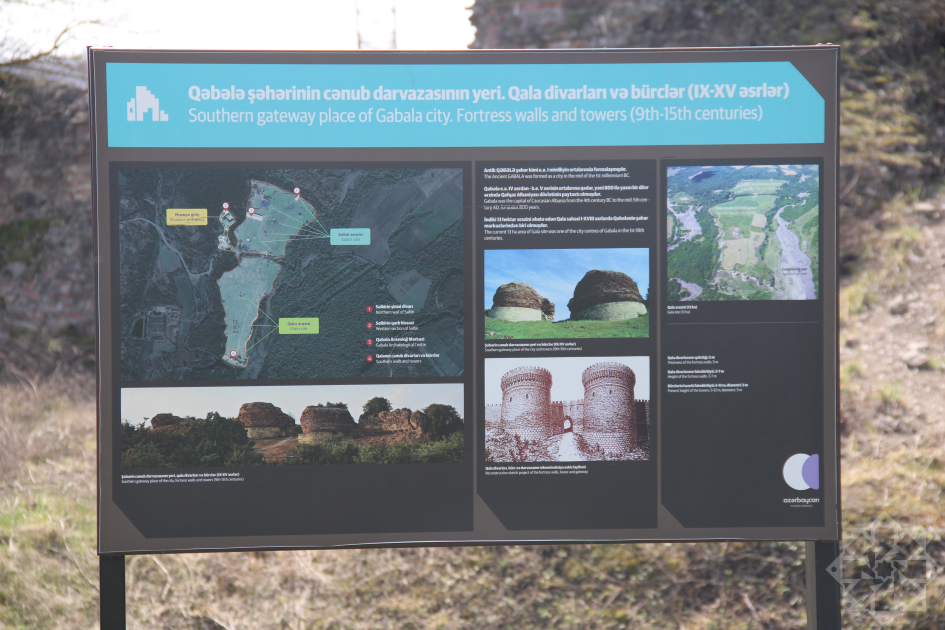
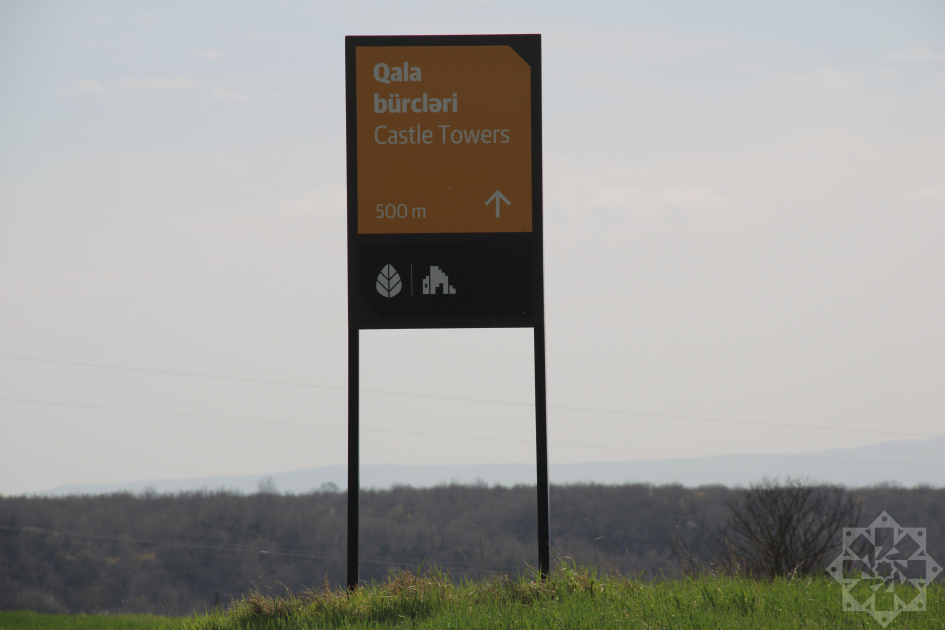
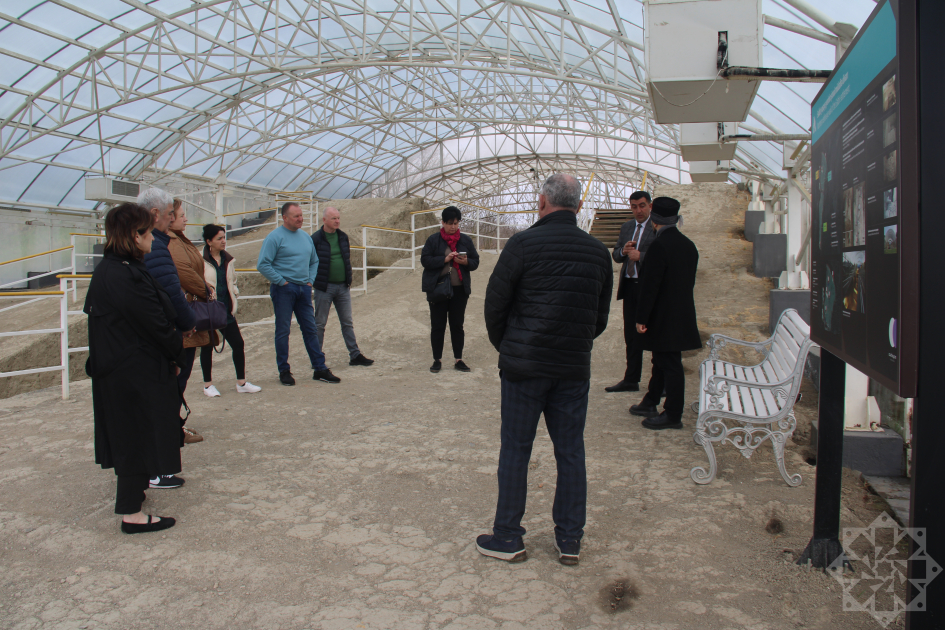
The reserve is well-equipped to accommodate visitors, offering guided tours in Azerbaijani, Russian, and English, along with informational brochures. Interpretive panels and directional signs installed throughout the site help visitors gain a deeper understanding of its historical context.

Other news in this section


