Azerbaijani think tank chief: Urgent need to enhance agile decision-making mechanisms within the sco
Baku, June 7, AZERTAC
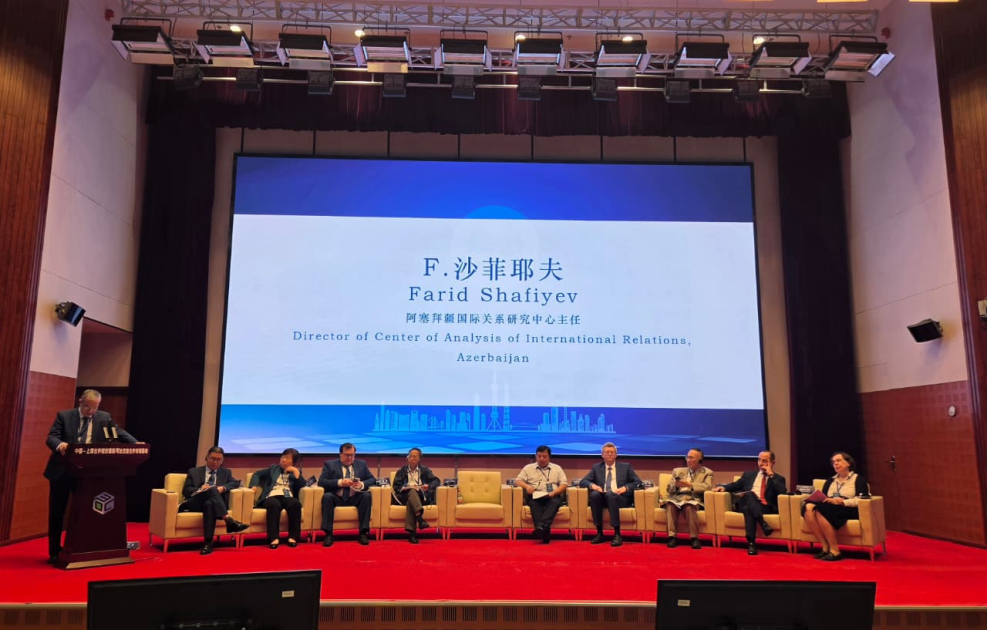
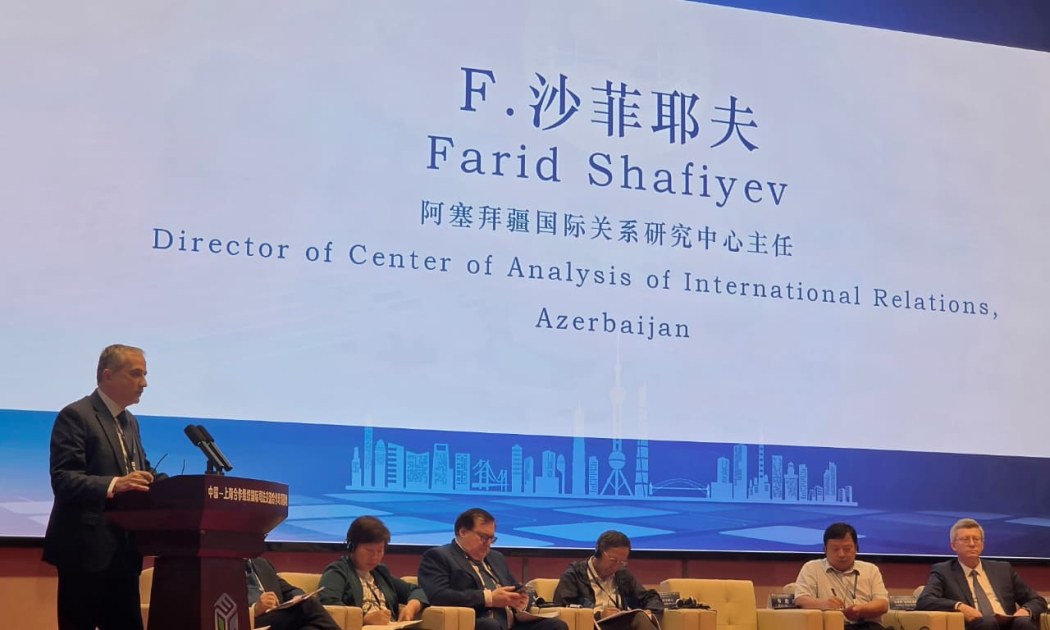
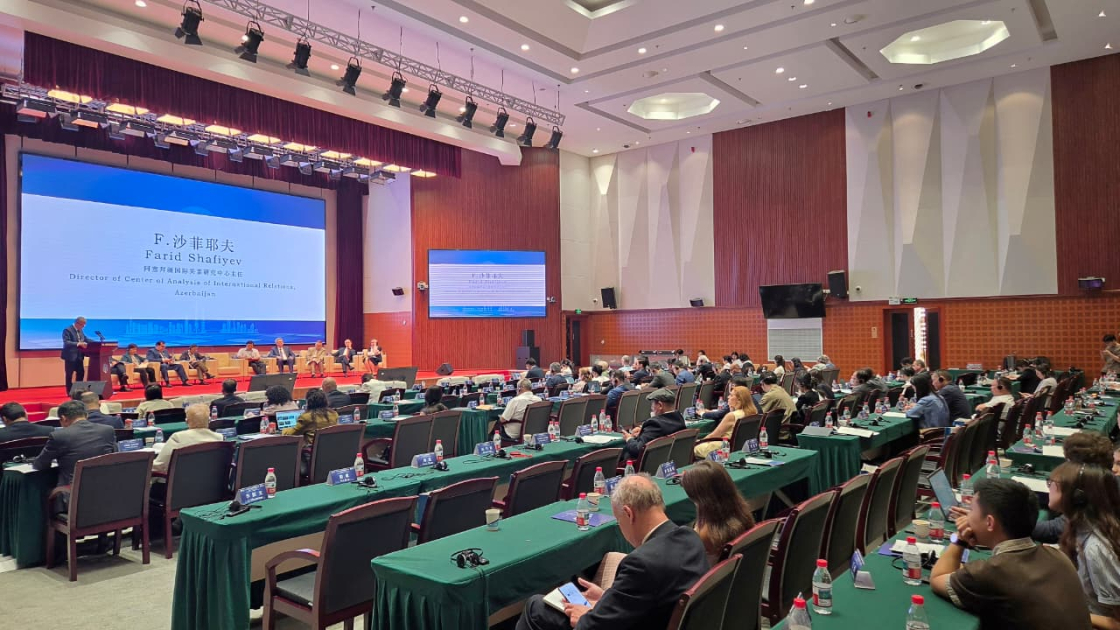
While many experts and politicians frequently discuss a crisis in multilateralism, ongoing global conflicts and wars have made the necessity for diplomacy and multilateral cooperation more urgent than ever, said Farid Shafiyev, Chairman of the Center of Analysis of International Relations (AIR Center), during his plenary session speech on the opening day of the 2026 Shanghai Cooperation Organisation (SCO) Think Tank Forum.
Highlighting the SCO's potential as a coordinated platform designed to address both regional and global challenges, Shafiyev emphasized the pressing need to strengthen multilateral cooperation and streamline agile decision-making processes within the institution. He noted that the expansion of the organization is naturally accompanied by certain institutional challenges, as reaching a consensus becomes increasingly difficult, pointing out that Azerbaijan’s intent to upgrade its institutional status within the organization is currently being blocked by a single member state.
Addressing the challenges of absolute consensus, Shafiyev explained that when an organization expands to include more members, the absolute consensus rule can allow one state to paralyze progress, rendering the entire body sluggish in times of crisis. He emphasized that while the principle of consensus remains fundamentally important because it reflects the equality of all member states, the organization must formulate alternative internal mechanisms so that a single member state cannot indefinitely block initiatives that are overwhelmingly supported by the majority. As the number of organization members grows, differences in national priorities can trigger severe delays in decision-making; therefore, introducing flexible procedures that incentivize compromise, reinforce close consultation, and offer alternative tracks of cooperation among states will help the organization maintain both its operational efficiency and its inclusive character.
Shafiyev also drew attention to the SCO’s structural approach toward the Global South, emphasizing that tailored mechanisms should serve to ensure equal opportunities for developing nations and protect the distinct priorities of regional states. He concluded by underscoring that alignment with the SCO promises significant economic, political, and strategic advantages that perfectly complement Azerbaijan’s balanced and multi-vector foreign policy priorities.
Other news in this section


