New approaches to housing finance and inclusive solutions discussed at WUF13 VIDEO

Baku, May 21, AZERTAC
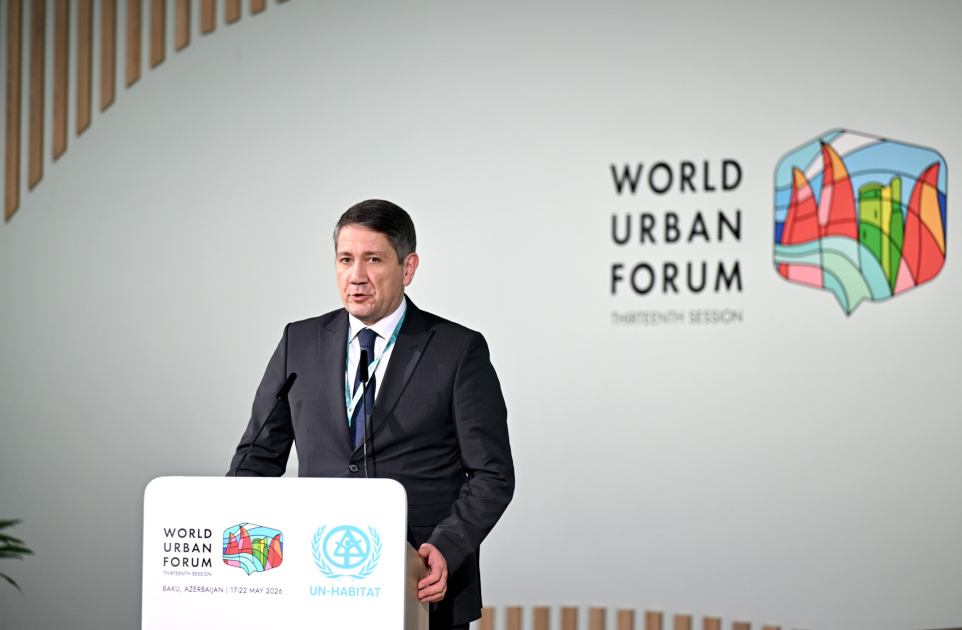
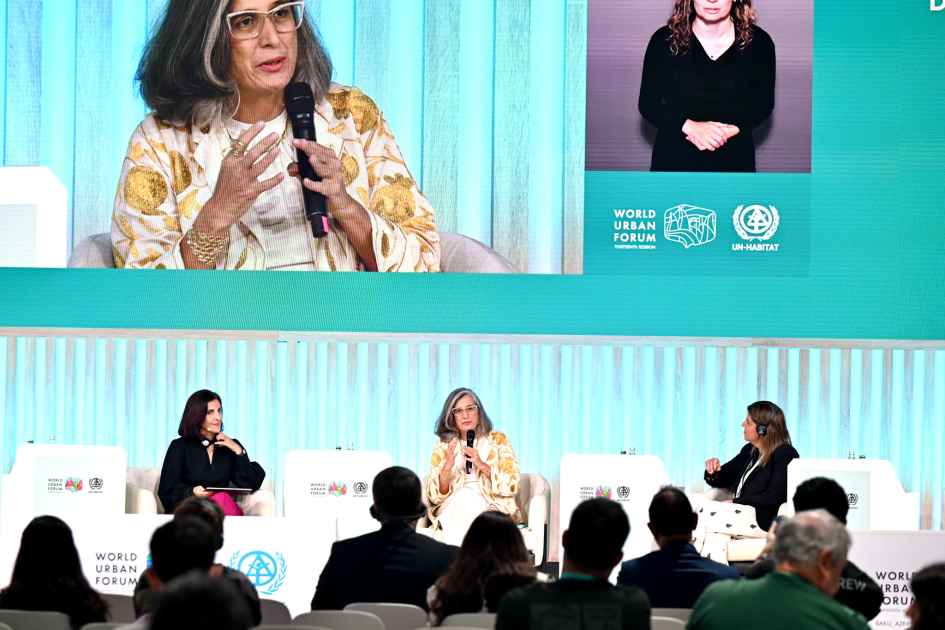
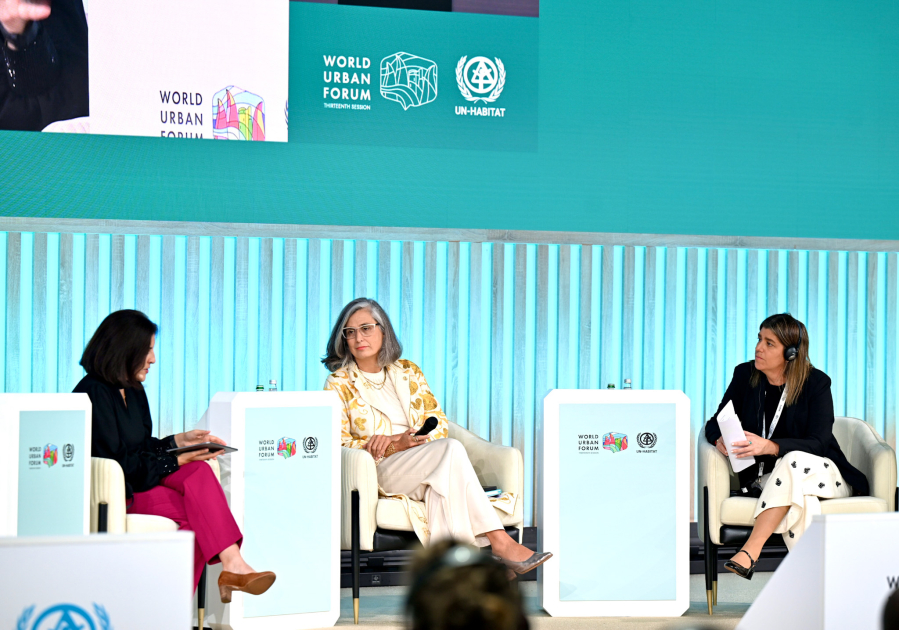
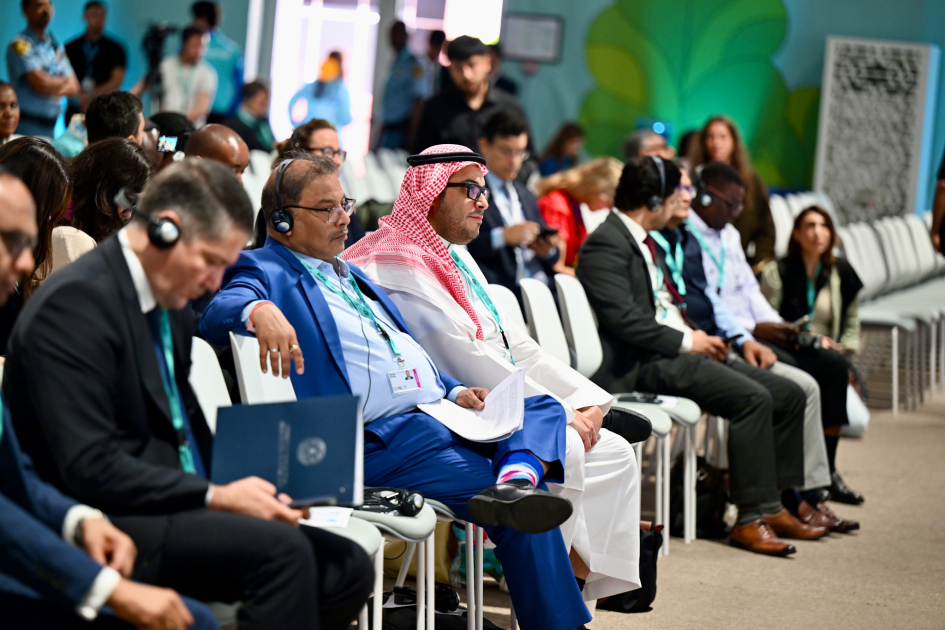
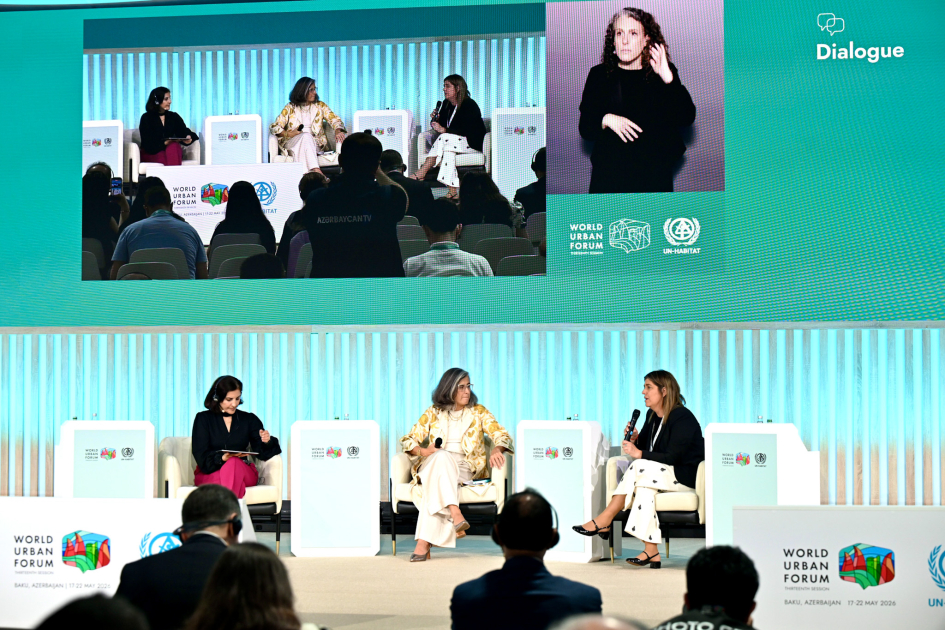
An event titled “New Deal on Housing Finance” was conducted as part of the 13th Session of the World Urban Forum (WUF13) held in Baku.
Anar Karimov, First Deputy Minister of Finance of Azerbaijan, speaking at the opening of the session, stated that housing policy is no longer limited to the areas of construction and social provision alone. He emphasized that this field holds strategic importance for the development of human potential, social stability, and inclusive economic growth. It was noted that the housing finance model formed in Azerbaijan is built on the principle of combining social inclusiveness with financial sustainability and is based on balancing market mechanisms with state support.
During his speech, Karimov also spoke about the reforms implemented in digitalization of housing finance. He highlighted that application, appraisal, and approval processes are now carried out entirely digitally through electronic platforms. Noting that demand for housing exceeds current supply, he said that new digital solutions are being developed to create more transparent and socially oriented distribution mechanisms. He also mentioned the large-scale reconstruction works being carried out in the liberated territories and the phased return of the population to these areas.
In the first part of the session, housing provision was presented as a macroeconomically important sector. Later, representatives of international financial institutions discussed the main challenges facing existing housing finance systems, particularly issues related to accessibility and systemic constraints.
It was highlighted that in low- and middle-income countries, current mechanisms face serious difficulties in expanding access to housing, thus requiring more flexible and innovative approaches.
In the panel discussions, city leaders, representatives of multilateral development banks, and experts considered ways to more effectively align fiscal policy, land management, planning systems, and financial regulations. Issues such as public-private finance mechanisms, land-based financing, guarantee instruments, rental housing funds, and community financing tools were also discussed.
The session concluded with an interactive plenary discussion, during which participants exchanged views on accepting housing finance as one of the main pillars of sustainable development, eliminating existing systemic constraints, and new approaches that can be applied across countries.

Other news in this section


