Children and youth discuss future of cities at WUF13
Baku, May 17, AZERTAC
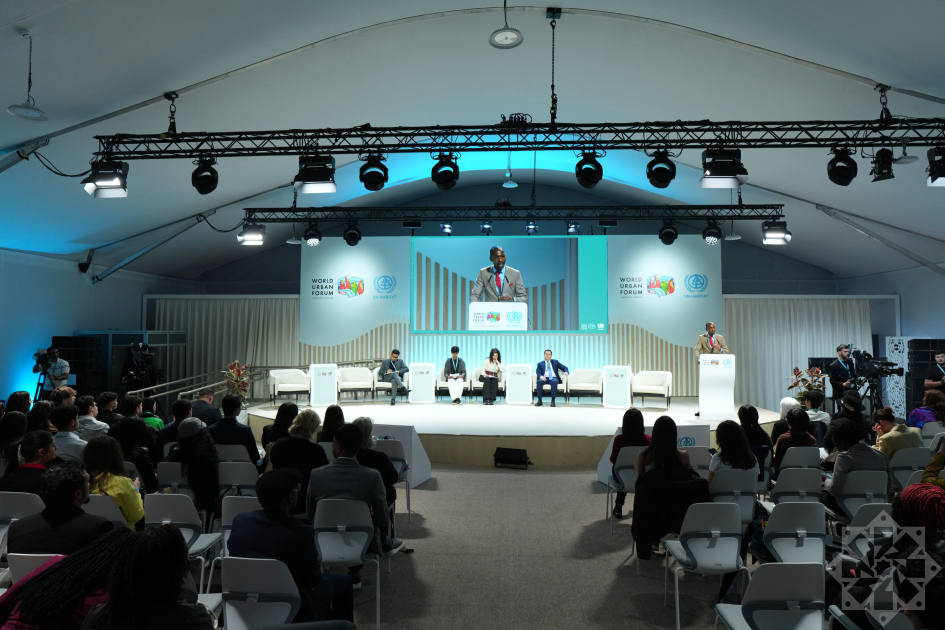
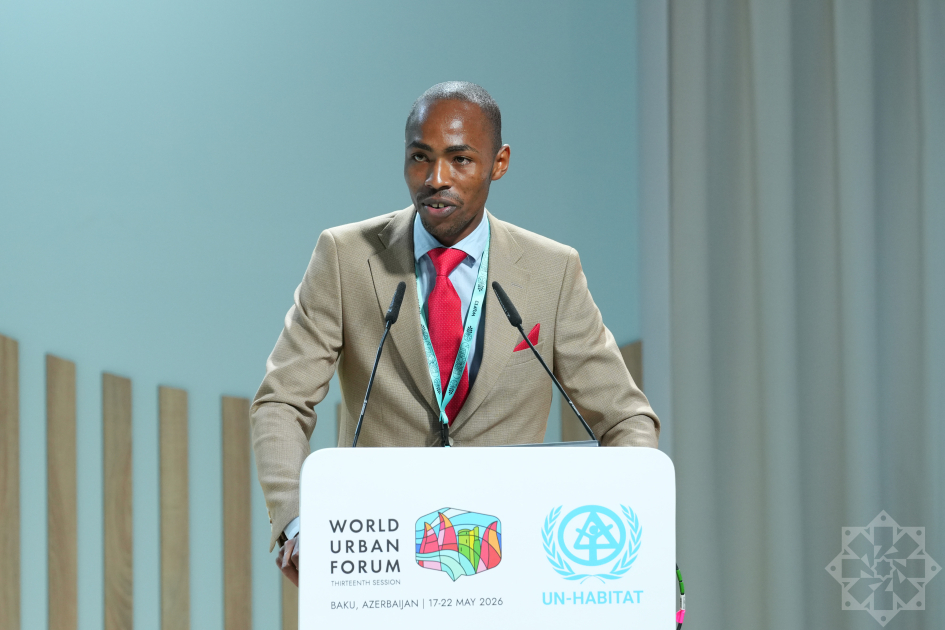
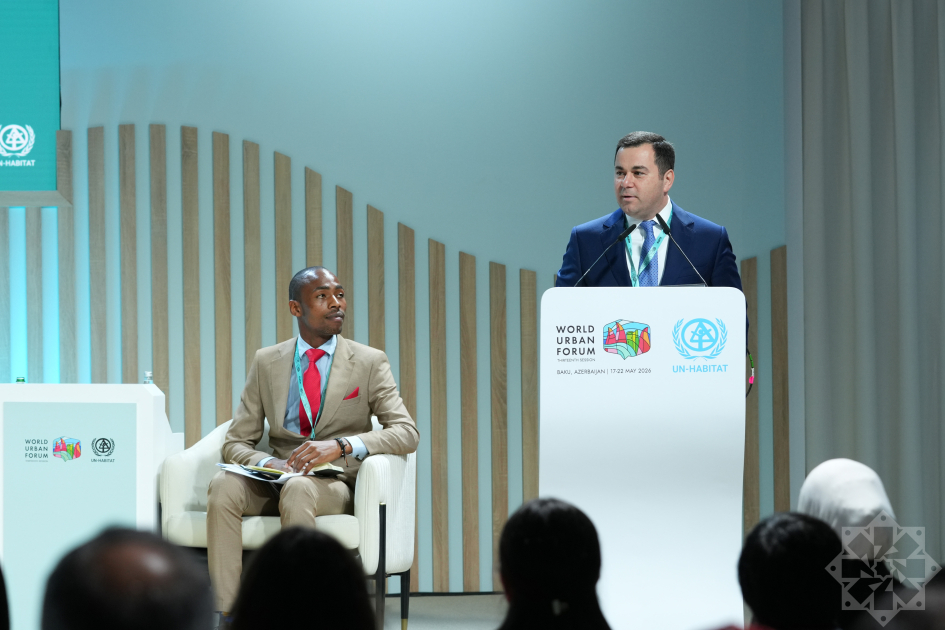
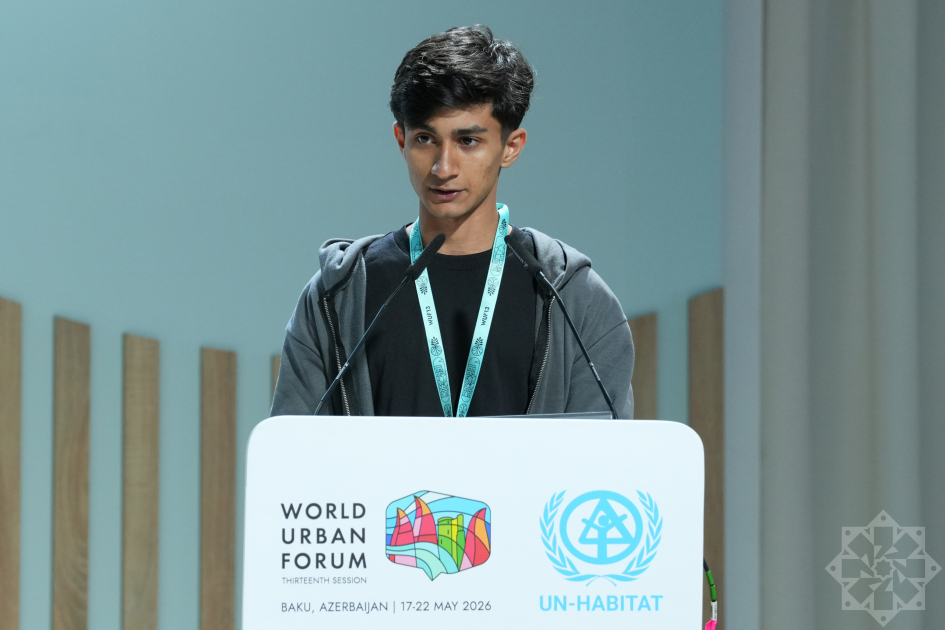
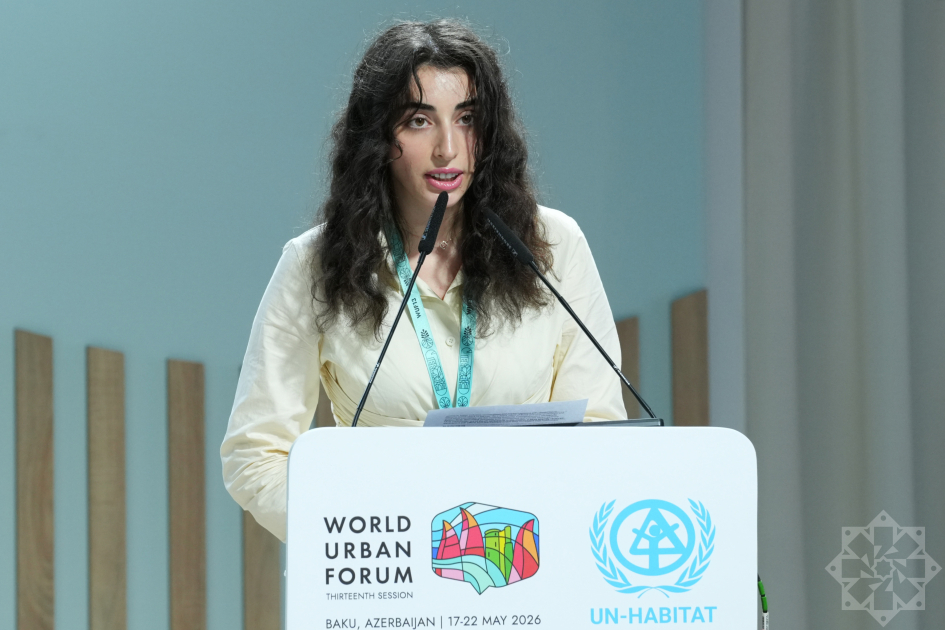
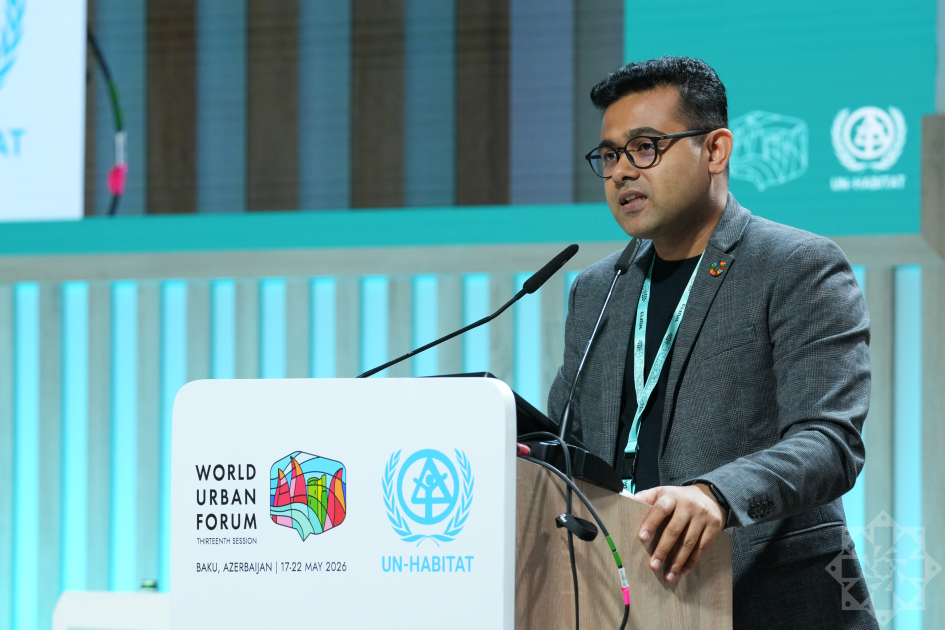
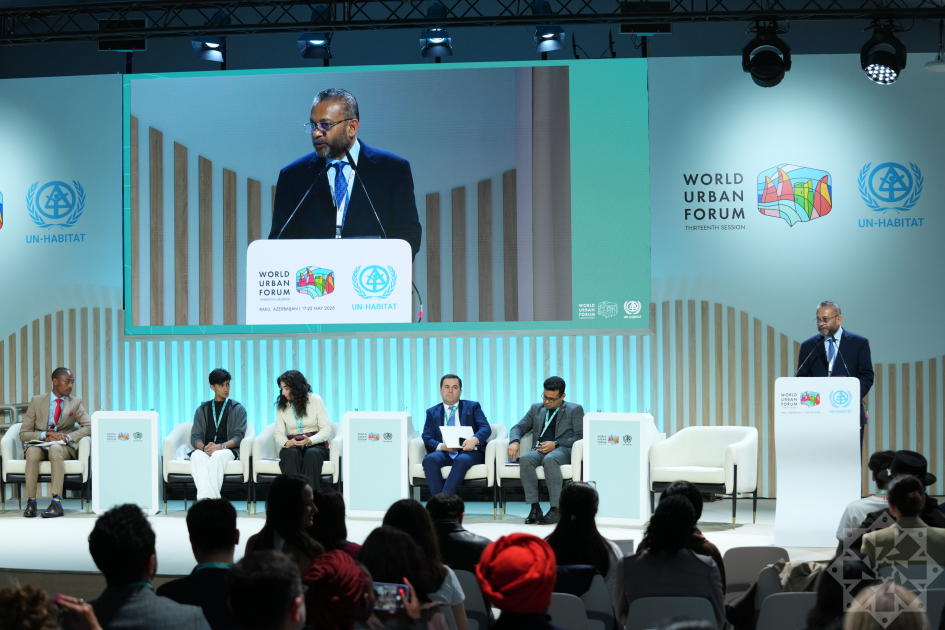
The Children and Youth Assembly was held as part of the 13th Session of the UN World Urban Forum (WUF13).
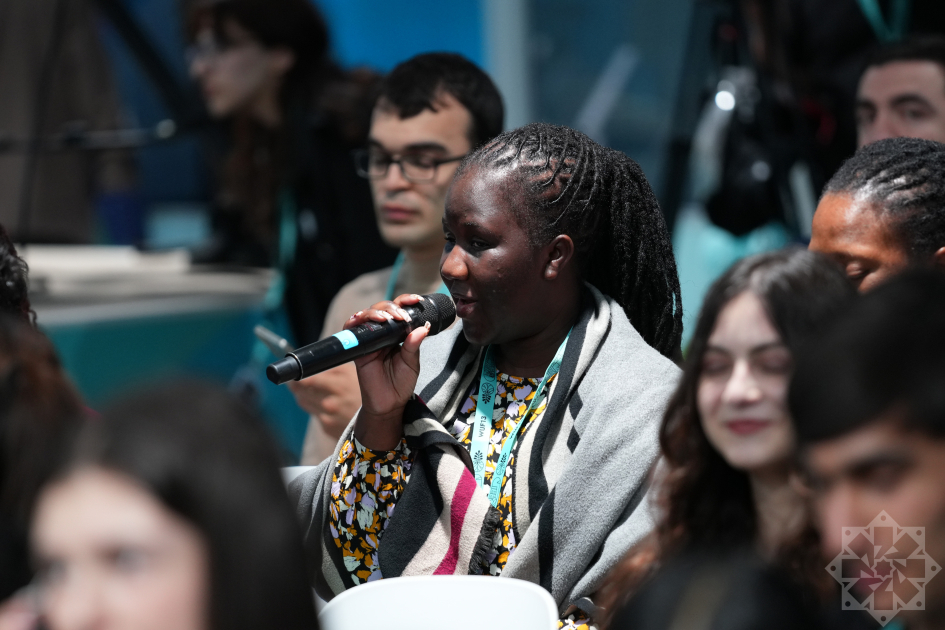
The assembly featured discussions on issues such as increasing the participance of children and youth in the urban planning process, creating a safe and accessible living environment, and co-building the future of cities.
It was mentioned that by 2050, almost 70 per cent of the world’s children and youth will live in urban areas; currently, the majority face the reality of inadequate housing, primarily within informal settlements and overcrowded slums.
These challenges manifest with regional specificity, shaped by distinct political, economic, and environmental factors that exacerbate cycles of poverty and inequality. Addressing these realities requires systemic shifts informed by regionally responsive and locally grounded approaches.
Sustainable urban futures cannot be realized if most residents lack access to the housing and socio-economic opportunities essential for their holistic development.
Access to housing is inextricably linked to the economic capacity of caregivers and youth to sustain their families; therefore, the right to a home must be treated as a launchpad for social security, decent work, and household livelihoods.
The Assembly concluded by emphasizing the need to expand opportunities for children and youth, while enhancing cooperation to create more livable cities.
The WUF13 Children and Youth Assembly is a technical "Solutions Lab” designed to bridge the gap between grassroots youth innovation and global urban policy. By reframing the home as a systemic anchor for health, safety, and economic agency, the Assembly will co-create five Strategic Pathways (negotiated policy commitments) to directly inform the Baku Call to Action, the 2026 Review of SDG 11, and to further guide the next decade of implementing the New Urban Agenda.
Like all WUF13 stakeholder-led sessions, this assembly is developed through a participatory process driven by children, youth, and stakeholders advocating their rights, seeking to ensure representation and diversity.
Other news in this section


