Five killed in Papua explosion linked to suspected World War II bomb
Baku, June 1, AZERTAC
At least five people were killed and five others hospitalized after a suspected World War II-era bomb exploded in Biak Numfor Regency, Papua, on Sunday afternoon, authorities said, according to Jakarta Globe.
The explosion occurred beneath a stilt house near the shoreline on Walter Mongonsidi Street in Biak town, destroying several nearby homes.
As of Sunday evening, emergency responders were focused on evacuating victims, securing the area, and conducting a detailed investigation into the incident. Three people were also reported missing, according to Papua Police spokesperson Chief Commissioner Cahyo Sukarnito.
“The explosion is suspected to have originated from a World War II-era bomb. The investigation is still ongoing,” Cahyo said.
The force of the blast leveled six houses near the site, while authorities continued assessing the full extent of property damage.
To prevent further casualties, police established a security perimeter and restricted public access to the area after discovering another World War II-era mortar bomb nearby that was confirmed to remain active.
Investigators are still working to determine the exact cause of the explosion.
Based on preliminary witness accounts, authorities suspect the blast may have occurred while local residents were attempting to open the explosive device.
“The bomb reportedly exploded because it was intentionally opened to remove the powder inside. When it was being dismantled, it detonated,” a resident told reporters on condition of anonymity.
Police said that the claim remains unverified and is being examined through forensic analysis of the scene and the collection of evidence.
Papua Police urged residents of Biak Numfor to remain calm and refrain from spreading unverified information while search-and-rescue operations and the investigation continue.
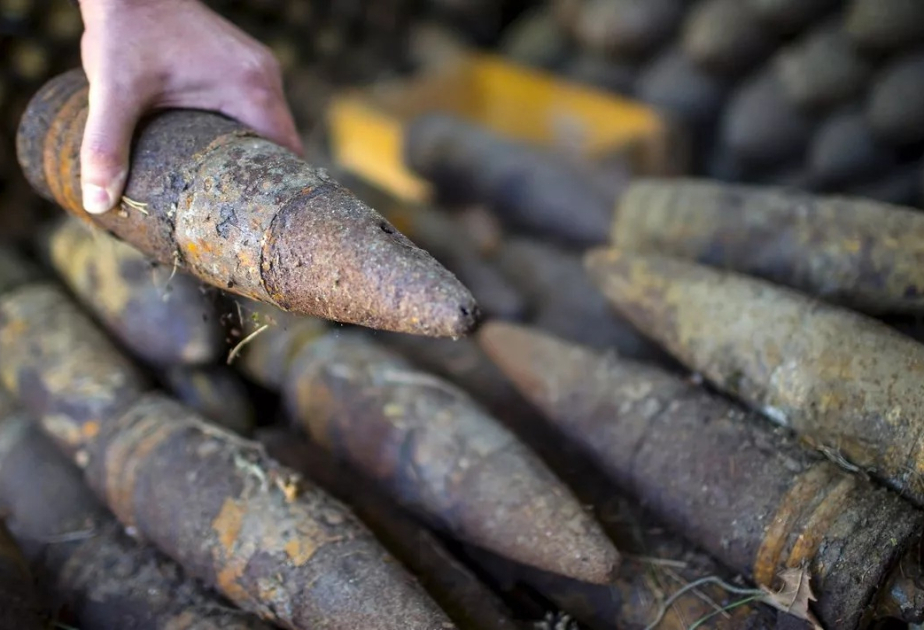
The incident highlights the lingering risks posed by unexploded wartime ordnance in Biak, which was the site of intense fighting during World War II and where remnants of military equipment and munitions are occasionally discovered decades after the conflict ended.
Other news in this section


