Heavy rains wreak havoc in Pakistan; Urban flooding hits many cities
Islamabad, Hilal Ahmad, July 17, AZERTAC
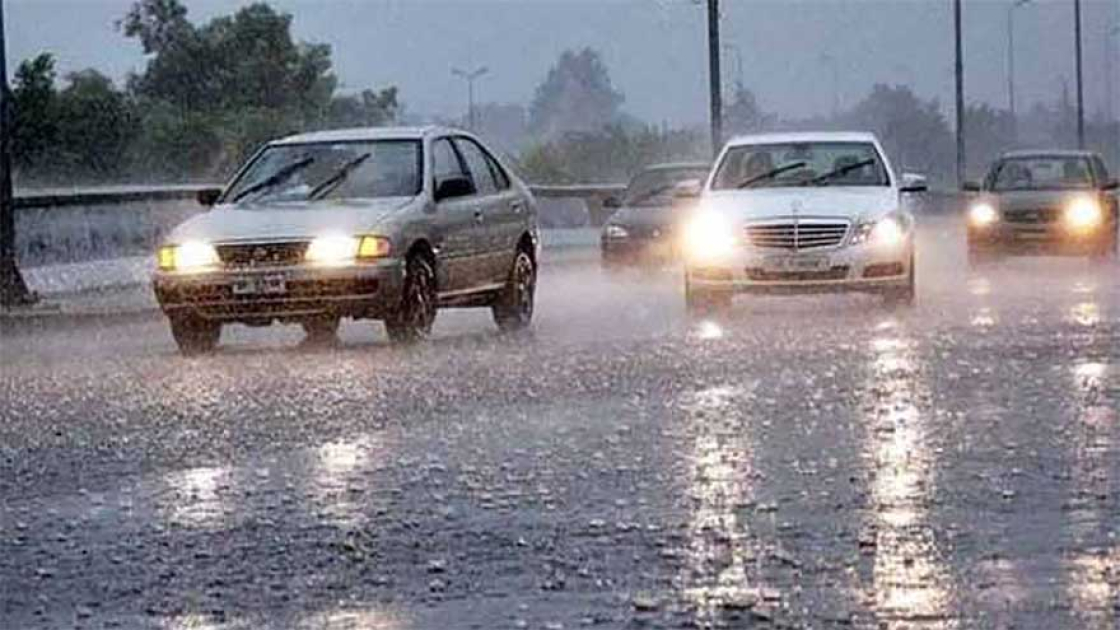
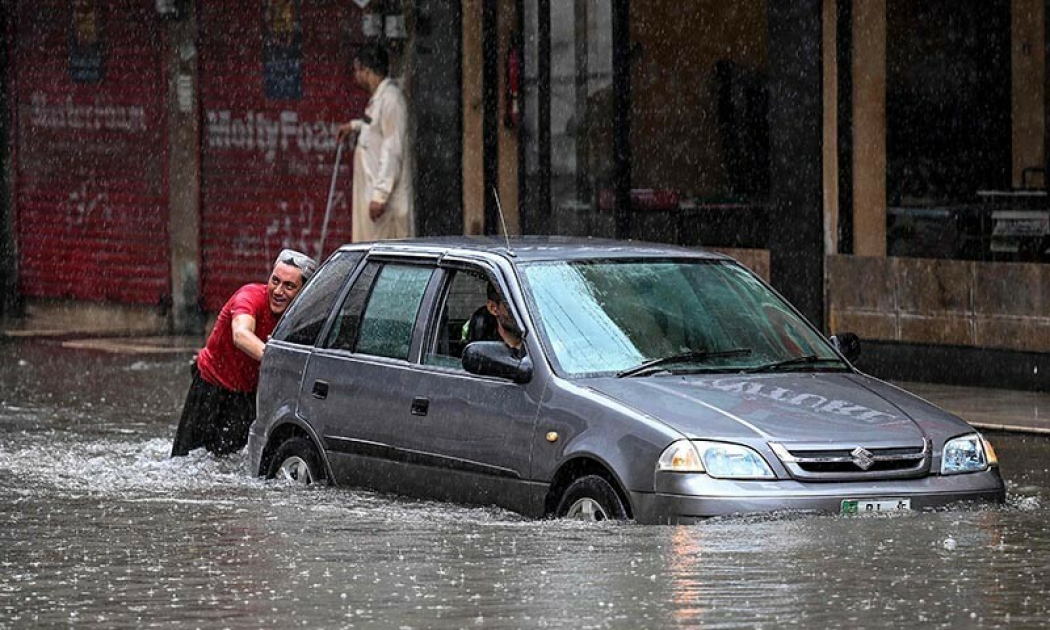
Heavy rains have wreaked havoc across many parts of Pakistan, with reports of casualties and widespread damage. Urban flooding in low-lying areas of numerous cities and towns has left hundreds of people homeless.
The capital Islamabad and its twin city Rawalpindi have experienced continuous heavy downpours over the past two days. According to rescue officials, torrential rains continued on Thursday across various parts of Pakistan, particularly in Punjab. Islamabad and its outskirts received over 230 millimeters of rainfall, flooding rivers and streams in the twin cities. Several areas in Rawalpindi were submerged.
The National Disaster Management Authority (NDMA) has issued flash flood alerts for the provinces of Punjab, Khyber Pakhtunkhwa, and Balochistan due to ongoing heavy rainfall. The torrential downpours have triggered urban flooding in many areas of Islamabad and Rawalpindi.
According to the Provincial Disaster Management Authority (PDMA) Punjab, Chakwal district - located about 100 kilometers from Islamabad - recorded 400 millimeters of rainfall overnight due to a cloudburst, resulting in flash floods across the area. Many neighboring regions have been inundated, and evacuation efforts are underway to rescue those trapped.
At least 28 people have died, and more than 100 others have been injured in rain-related incidents across Punjab over the past two days. The Pakistan Meteorological Department had previously issued a nationwide heavy rainfall warning valid through July 17.
Meanwhile, the Meteorological Department has issued a Significant Flood Warning for the River Jhelum, forecasting an exceptional high flood in upstream areas within the next 24 hours. The Flood Forecasting Division anticipates water flows to surge between 350,000 to 450,000 cusecs, posing severe flooding risks. The alert also warns that the associated canals of the river may reach high flood levels during this period. The warning comes amid changing hydro-meteorological conditions over the upper catchments of the River Jhelum in Kashmir.
Other news in this section


