Shanghai sees massive F1 turnout, boosting city’s pitch as sporting destination
Baku, March 16, AZERTAC
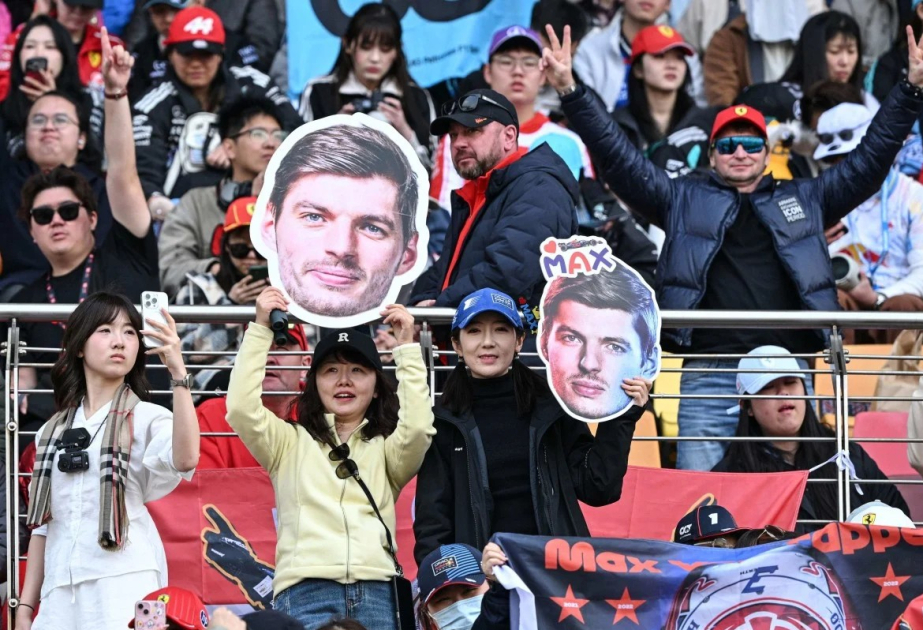
The Formula One (F1) Chinese Grand Prix drew record crowds over the weekend, another indication the wide-ranging efforts from host city Shanghai to raise its profile as a global sports and event destination are paying off, the South China Morning Post reported.
The three-day event, which concluded on Sunday, attracted more than 230,000 cumulative spectators, the highest attendance headcount reported by the Chinese financial centre in nearly two decades.
On the opening day, the number of foreign arrivals through Shanghai’s ports exceeded 27,000, a single-day record, according to a report by Communist Party news organ People’s Daily on Monday.
The race was a high-profile opportunity for the city to continue to promote itself as a premier global destination. Shanghai has rolled out numerous initiatives to attract international visitors and stimulate spending, part of the country’s overall campaign to transform its considerable consumer base into a leading economic growth driver.
Post-race data cited by People’s Daily showed that ticket revenue for this year’s grand prix rose more than 30 per cent year on year, with overseas spectators accounting for about 16 per cent of attendees and visitors from elsewhere in China making up about 64 per cent. Most international visitors came from Japan, South Korea, Singapore, Britain, Germany and France.
Formula One, widely regarded as the world’s foremost championship in motorsport, boasts more than 800 million fans globally and one of the largest annual television audiences for a sporting event.
The championship’s globe-spanning races, particularly popular among younger enthusiasts, drive enormous spikes in consumption for sectors such as hotels, transport and dining, making a slot in the F1 calendar a highly sought prize by local governments looking to stimulate consumer spending.
Hotel bookings within a 15km (nine-mile) radius of the Shanghai International Circuit surged tenfold during the race weekend, according to the People’s Daily report, which cited data from travel platform Ctrip.
Hotel prices across the city were two to three times higher than normal levels, while the average spending per hotel guest increased 216 per cent compared with the three days before the race, the party newspaper said.
To capitalise on the excitement, the Shanghai government also held auxiliary events across the city.
For the first time, a karting experience track was set up at the North Bund waterfront area, while the city’s Huangpu district hosted its first racing festival.
A parallel event venue was also established along the famed Nanjing Road pedestrian shopping street, creating what People’s Daily called a “multidimensional connection” between the waterfront, race circuit and urban spaces.
Designs promoting the grand prix were also displayed across public transport, including buses, metro trains, taxis and sightseeing boats, according to the report.
The Shanghai International Circuit has been the site of the Chinese Grand Prix since 2004. The race was suspended in 2020 amid the Covid-19 pandemic before returning in 2024, and the city’s current contract has been extended through 2030.
The globally popular event has become a symbol of Shanghai’s strategy to boost consumption through sports. Last year’s race generated 2.47 billion yuan (US$358 million) in direct economic impact and 6.91 billion yuan in indirect economic impact, both representing increases of more than 75 per cent year on year, according to official data.
More broadly, Shanghai hosted 182 domestic and international sporting events last year, generating 13.5 billion yuan in direct economic impact and 35.8 billion yuan in overall economic stimulus, according to figures released by the municipal government last month.
Other news in this section


