Australian doctors perform pioneering heart transplants
 Baku, October 28, AZERTAC
Pioneering heart transplant surgery announced Friday in Australia may lead to a new option for patients awaiting transplants by boosting the number of donor hearts available.
Doctors at St. Vincent's Hospital in Sydney said they performed three successful transplants of hearts that had naturally stopped beating in the donor, rather than using the typical method of removing donor hearts from patients who are brain-dead but still have cardiovascular function.
The donor hearts had stopped beating for as long as 20 minutes before surgeons were able to remove them from the patients.
The three surgeries were done in the past few months. All patients are doing well; one of them told reporters she feels like a "different person" who can perform more physical activity than before the surgery.
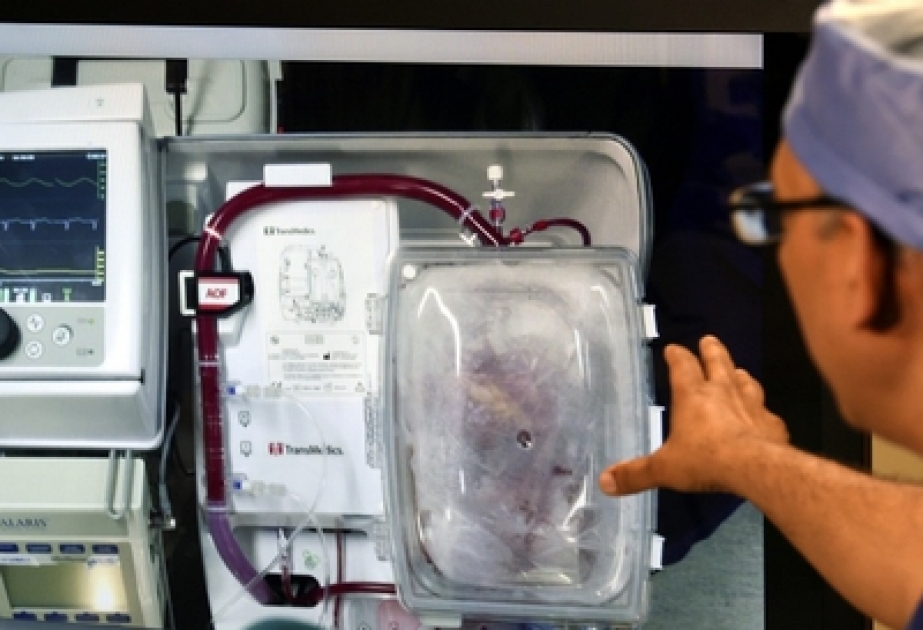
The procedure involves injecting the hearts with a preservation solution developed by the institute and hospital, then placing them in a machine that perfuses them with warm oxygenated blood. The machine keeps the heart replenished with oxygen, nutrients and hormones during transport, according to TransMedics, the maker of the machine.
Typically, donated organs are transported on ice, which carries the risk of damage.
The Victor Chang Cardiac Research Institute in Sydney, which worked with St. Vincent's on the procedure, said it "will result in a major increase in the pool of hearts available for transplantation."
The transplanting of hearts that have naturally stopped beating in donors -- which are called DCD hearts, for "donors after circulatory death" -- is already the subject of research internationally, said Dr. Joseph Woo, a cardiothoracic surgeon at Stanford Health Care and chairman of cardiothoracic surgery at Stanford Medicine in Palo Alto, California.
Stanford researchers have been studying the process in human DCD hearts, and researchers elsewhere are studying it in pigs and other animals, he said.
Transplants involving other DCD organs such as kidneys, livers and lungs are already widely accepted, he said.
Other news in this section


