Lankaran hosts regional meeting focused on agricultural development priorities for 2026–2030
Lankaran, June 16, AZERTAC
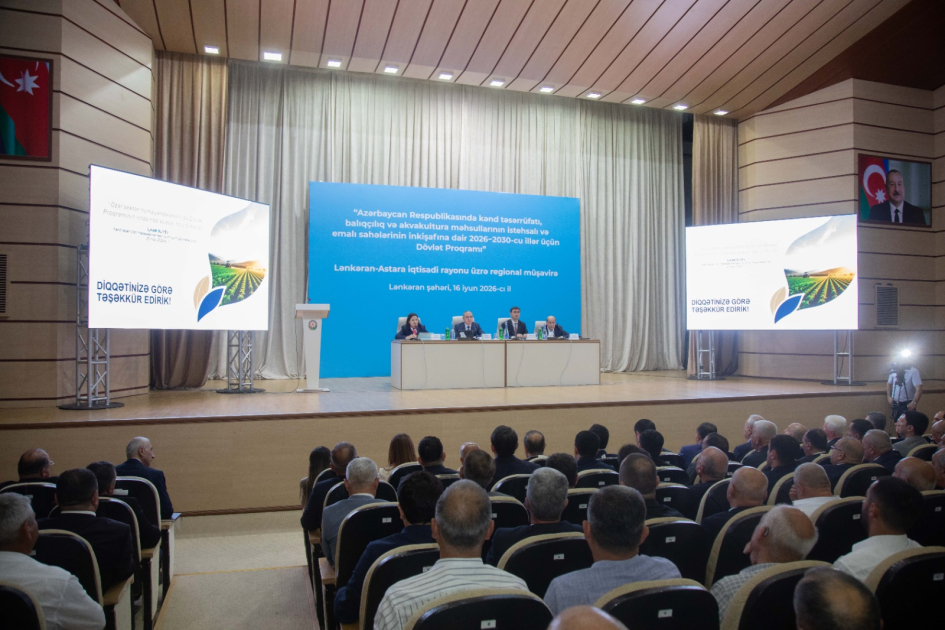
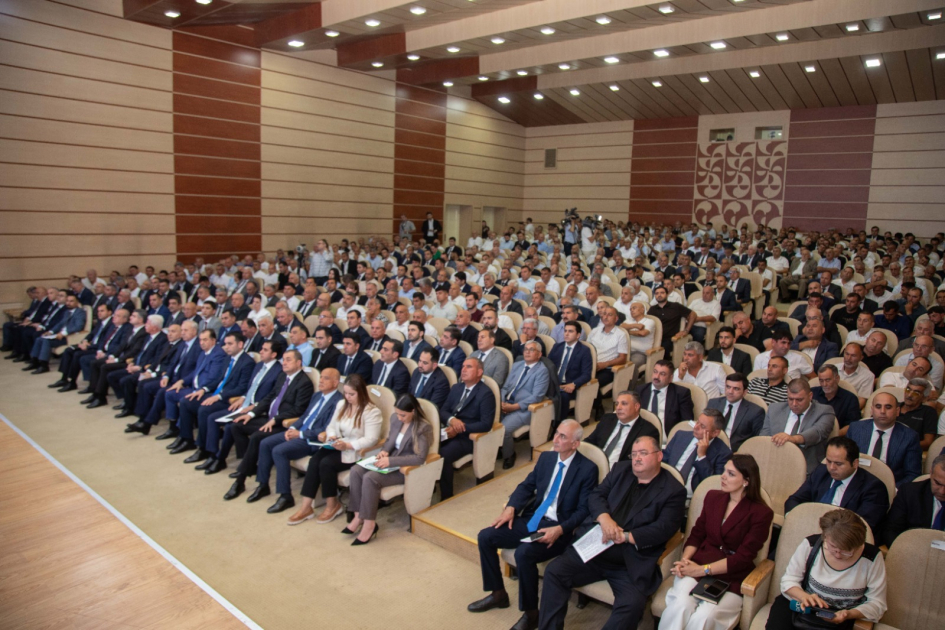
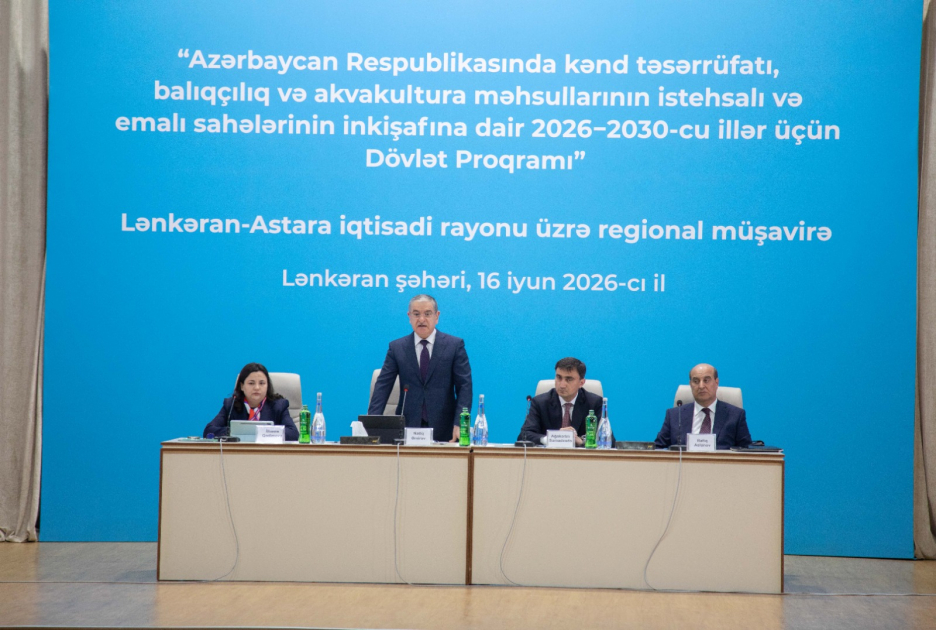
On June 16, a regional meeting was held in the Lankaran-Astara economic region to discuss the “State Program for the Development of Agricultural, Fisheries, and Aquaculture Production and Processing Sectors in the Republic of Azerbaijan for 2026–2030,” approved by the decree of the President of the Republic of Azerbaijan dated May 25, 2026.
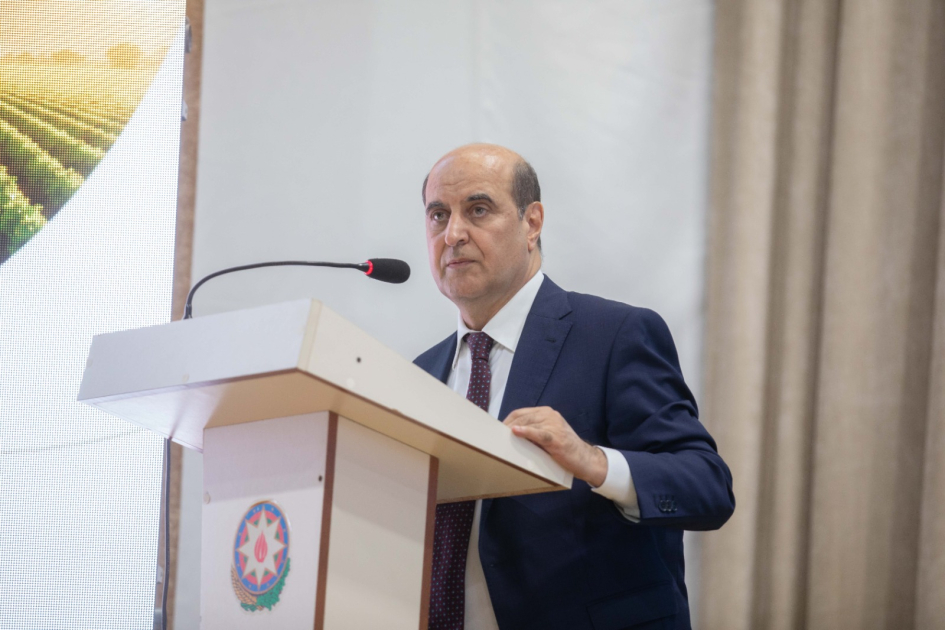
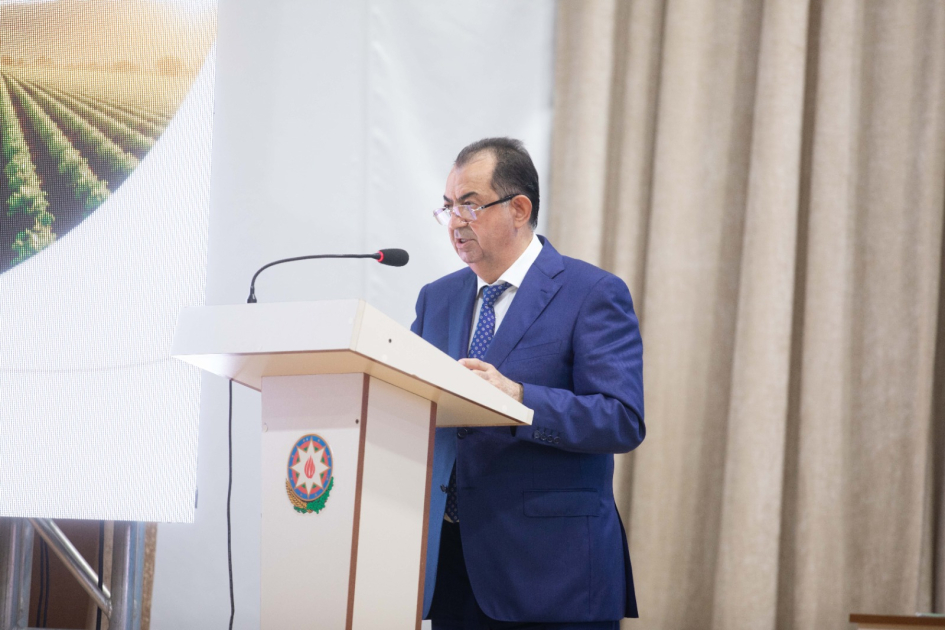
In his address, Natig Amirov, Assistant to the President of the Republic of Azerbaijan and Head of the Department of Economic Policy and Industrial Issues of the Presidential Administration, emphasized that agricultural reforms implemented under the leadership of President Ilham Aliyev have yielded significant progress in recent years. He noted that increased state support, the introduction of modern irrigation systems, the establishment of agro-parks, and improved subsidy mechanisms have contributed to higher production and export potential, as well as increased self-sufficiency, including full self-sufficiency in fruits, vegetables, and eggs. He further stated that the new State Program defines a strategic direction aimed at increasing productivity and strengthening a competitive, export-oriented agricultural sector.
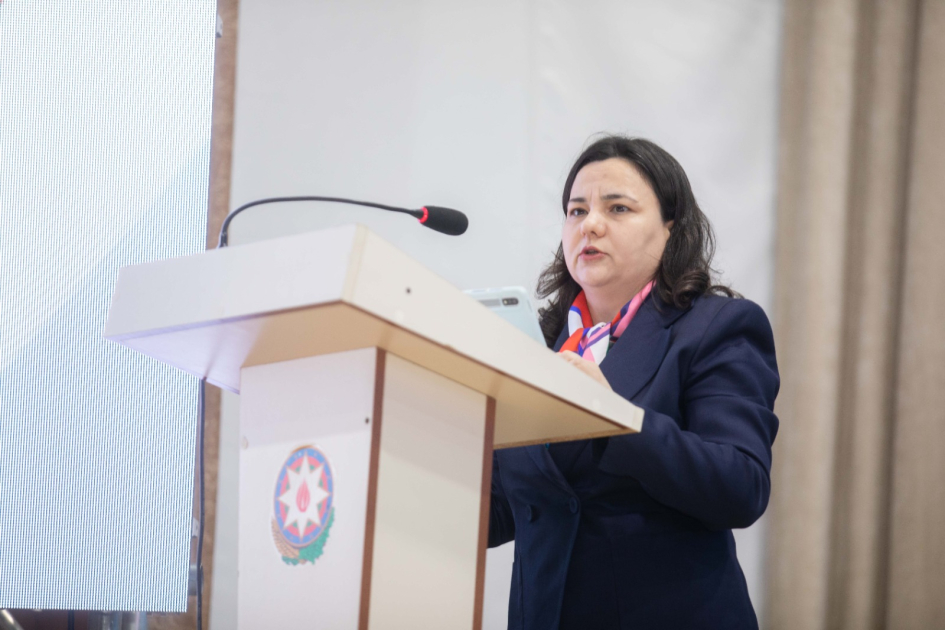
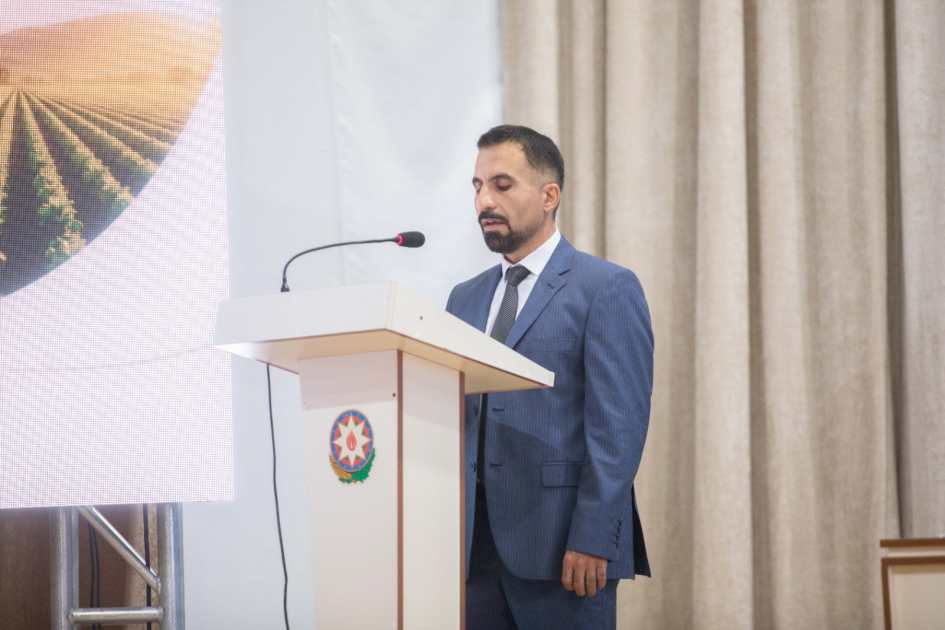
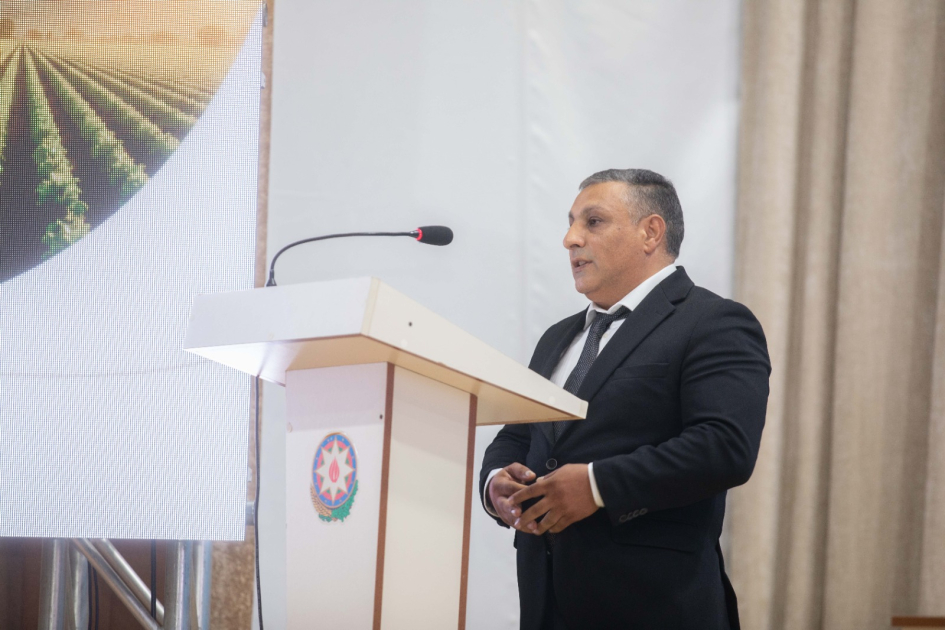
In her remarks, Ilhama Gadimova, Deputy Minister of Agriculture of Azerbaijan, stressed that the State Program will modernize agriculture, strengthen food security, and reduce import dependence. She noted plans to increase wheat yields, upgrade agricultural machinery, expand modern farming technologies, and develop grain storage and cold-chain infrastructure, supported by state subsidies and subsidized loans. She emphasized the importance of these measures for the Lankaran-Astara region, highlighting its strong fruit and citrus potential and the need to expand processing and export capacity.
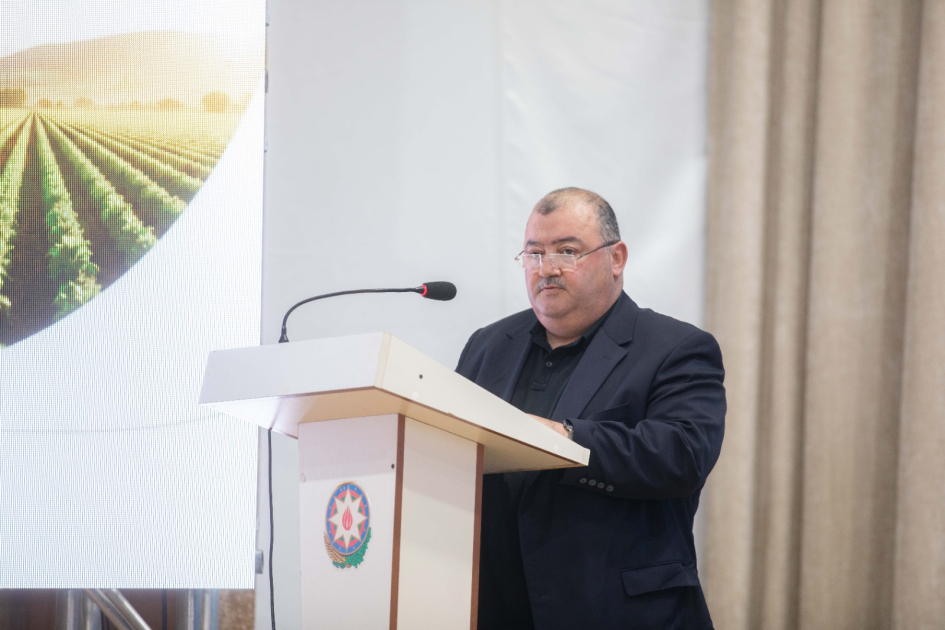
Rafig Aslanov, Head of the State Supervision Service for Water Use and Protection under the State Water Resources Agency of Azerbaijan, said the State Program aims to expand modern irrigation coverage from 130,000 to 300,000 hectares and increase water-use efficiency from 45% to 95%. He noted ongoing water infrastructure projects in the Lankaran-Astara region, including the expansion of the Vilashchay reservoir and construction of new facilities, while 35,700 hectares were irrigated in the region in 2025. He stressed that modern irrigation technologies and improved water management will boost agricultural productivity and reduce water losses.
In his speech, Taleh Garashov, Head of the Lankaran City Executive Authority, emphasized that under President Ilham Aliyev’s leadership, agriculture in Lankaran has entered a new stage of development, particularly in rice, tea, and citrus production. He noted significant growth in production, new processing facilities, expanded plantations, higher exports, and increased agricultural employment. He also proposed measures such as building a new reservoir, land consolidation, promoting cooperatives, improving agricultural insurance, and expanding market access, stressing the importance of cooperation between the state, businesses, and farmers.
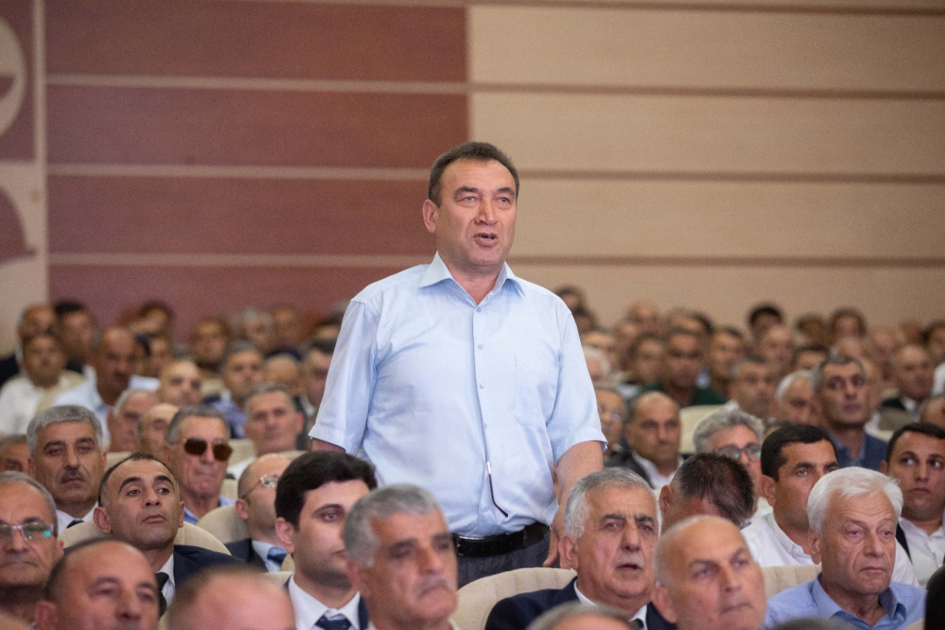
Farmers and entrepreneurs at the meeting shared updates on their activities, achievements, and development plans. They highly appreciated continued state support for agriculture, noting that the new support mechanisms outlined in the State Program will significantly contribute to increasing production, expanding farms, and improving productivity. They also stated their readiness to support the implementation of the State Program’s goals aimed at more efficient use of the region’s agricultural potential.
In conclusion, Natig Amirov said the State Program aims to create a high-productivity, efficient, and value-added agricultural model. He noted that expanding irrigation and developing processing infrastructure require coordinated action between the state and the private sector. He added that the program will support traditional agriculture in Lankaran-Astara while boosting productivity, competitiveness, employment, and efficient use of local potential.
Other news in this section


