WUF13 and Azerbaijan's scientific potential
Baku, May 17, AZERTAC
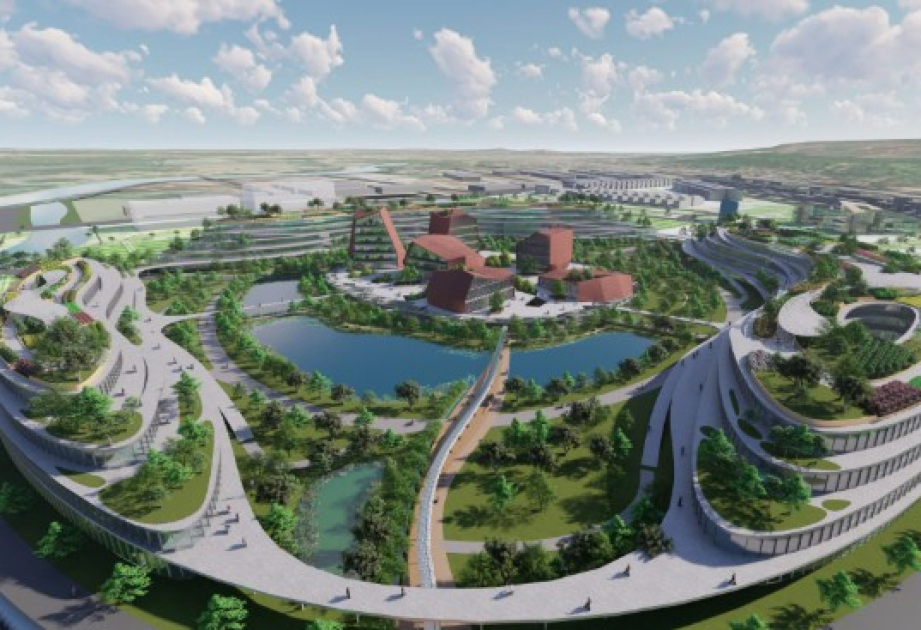
The 13th Session of the World Urban Forum (WUF13) held in Baku is not merely a platform where architectural and infrastructural topics are discussed. WUF13 also shapes an important challenge for our country's science and education ecosystem. In the modern world, building sustainable cities, transitioning to green energy, and implementing smart technologies are measured by human capital development and scientific innovations. From this perspective, the global targets put forward within the framework of WUF13 set new tasks for Azerbaijan’s higher and secondary education institutions.
The digitalization and ecological transformation of cities necessitate innovations in engineering and architectural education.
Modern urbanism and the role of universities
Building sustainable urban governance requires a shift away from training specialists who only know how to design isolated buildings. The modern landscape demands a new generation of professionals capable of managing massive digital databases, configuring artificial intelligence-driven transit systems, and regulating renewable energy grids. In response to these pressing calls, there is a growing momentum toward cross-disciplinary curricula. Leading national institutions—such as the Azerbaijan University of Architecture and Construction, ADA University, Baku Higher Oil School, Baku Engineering University, Azerbaijan Technical University, and Azerbaijan State University of Economics (UNEC)—are prioritizing the alignment of their educational programs with modern global demands. Replacing classical pedagogical methods with advanced urban modeling and enabling students to devise scientific solutions for real-world urban crises during their studies represent the most profound innovative boosts WUF13 injects into Azerbaijani education.
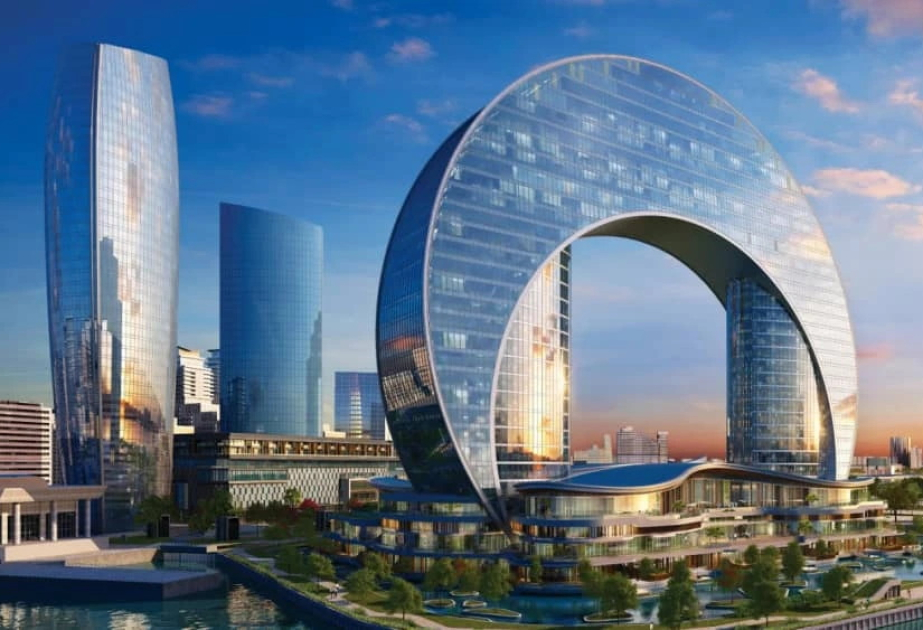
The functional scope of universities has transcended the traditional boundaries of degree-granting institutions. Within contemporary urbanization, "smart city" and green energy concepts hold critical strategic value. Higher education institutions are transforming into live testing grounds by piloting internal waste management protocols and automated digital services directly across their premises. Concurrently, to relieve the urbanization strain on the capital city of Baku, relocating sprawling university campuses away from the city center or establishing standalone, self-sufficient student towns is gaining significant traction. This structural shift directly aids in balancing the broader urban transport grid and social infrastructure.
Scientific reconstruction of the liberated territories
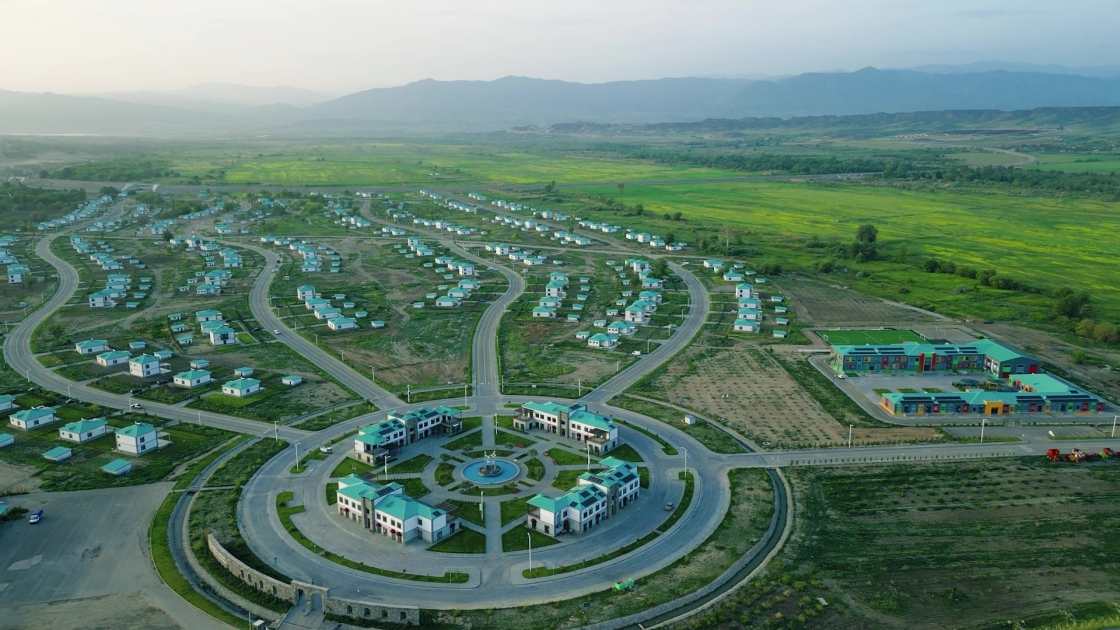
A uniquely compelling blueprint that Azerbaijan offers to the global stage via the WUF13 platform is the comprehensive execution of "smart city" and "smart village" initiatives across the liberated territories of Karabakh and Eastern Zangezur. Built entirely from the ground up, the modern schools and educational hubs in Aghdam, Fuzuli, and Zangilan serve as living laboratories for tomorrow's educational infrastructure, characterized by high energy efficiency, environmental sustainability, and integrated digital classrooms. The active deployment of domestic scientists and young researchers in reconstructing these regions—alongside their empirical analysis of geographical, ecological, and demographic data—demonstrates that local specialists are executing projects at peak global standards. This practical application of scientific research stands out as a premier achievement for Azerbaijani science on the international stage.
Contemporary urban science proves that a city's master plan directly impacts the intellectual development and educational accessibility of the children and youth residing within it. Designing secure pedestrian networks, implementing dedicated cycling lanes, positioning schools within safe walking distances of residential zones, and symmetrically distributing green spaces and scientific-cultural centers accelerate the cultivation of an environmentally conscious and creatively minded generation. By capitalizing effectively on this momentum, the global forum in Baku will leave a lasting institutional legacy on Azerbaijan's educational landscape.
Other news in this section


