Guivami Rahimli: Azerbaijan’s Strategic Energy Hub – A Gateway to Europe’s Future

Guivami Rahimli, bp’s Senior Government Affairs Adviser, has had the honour of welcoming a distinguished roster of guests to the Sangachal Terminal—including presidents, prime ministers, parliamentarians, and other global decision-makers. In his role as one of bp’s key public-facing representatives, he plays a pivotal part in showcasing the company’s strategic operations in Azerbaijan and across the region.
Engaging with international stakeholders and informing them about bp’s role in global energy security is more than a responsibility—it is central to his professional mission. His work continues to underscore Azerbaijan’s position as a vital energy corridor and a trusted partner for Europe’s energy future. AZERTAC publishes his new article on this topic highlighting these perspectives.
In light of the ongoing war between Russia and Ukraine, the European Union’s dependence on Russian gas has acquired a strong political dimension. As a result, EU member states have increasingly advocated for energy security policies that prioritize imports from non-Russian suppliers.
In this context, the Shah Deniz field development in the Caspian Sea has emerged as a fit-for-purpose project for the European Union. Shah Deniz, bp’s biggest discovery since Prudhoe Bay in Alaska, is one of the world’s largest gas-condensate fields. This project is a gateway to the Southern Gas Corridor (SGC) – a chain of pipelines network designed to transport natural gas from the Caspian Sea directly to European markets.
The EU’s support for the SGC is articulated in two key policy documents: the European Energy Security Strategy and the Energy Union Strategy. The latter emphasizes the need to “intensify work on the Southern Gas Corridor… in order to decrease existing dependencies on individual suppliers” – a clear reference to reducing reliance on Russian gas.
In June 2014, then-President of the European Commission Jose Manuel Barroso visited Baku and described Azerbaijan’s hydrocarbon projects as “a strategic energy avenue for the 21st century with truly geostrategic significance.”
During his visit to the Sangachal terminal, Barroso expressed a strong interest in understanding the complexities of oil and gas export systems, particularly the responsibilities of both supplier and transit countries in ensuring uninterrupted delivery to European consumers. President Ilham Aliyev, who personally accompanied the President of the European Commission during his tour of this most sophisticated and strategically important oil and gas facility, used his experience in the oil industry to brief Barroso about scale and nature of activities in the region.
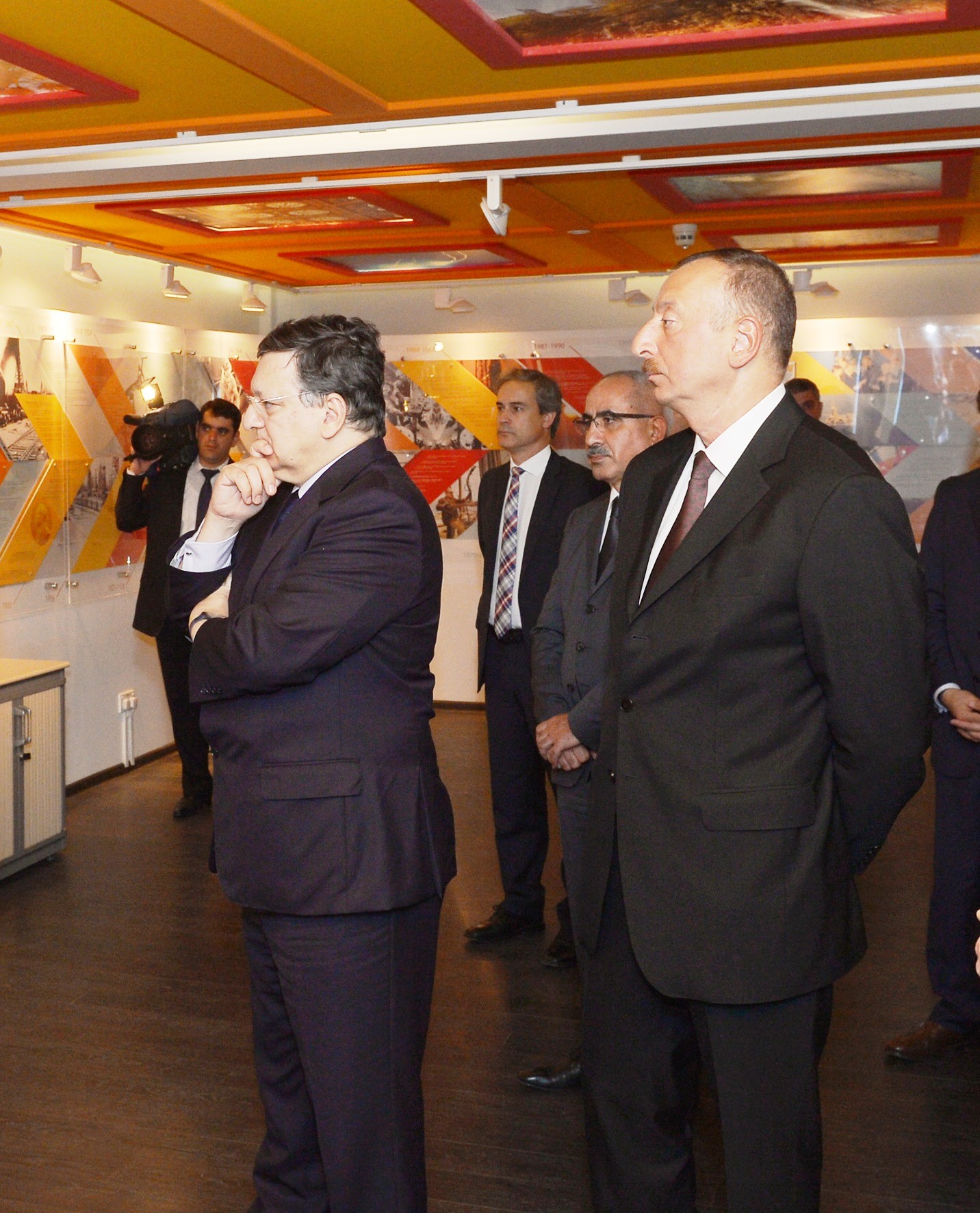
At a joint press conference with President Aliyev, Barroso recalled his previous visit in 2011, during which the Joint Declaration on the Southern Gas Corridor was signed.
“Azerbaijan is a very important partner for the European Union. We have established a reliable strategic partnership in the energy field. Azerbaijan is today one of the EU’s most dependable energy partners, contributing significantly to our mutual economic growth and energy security. I was pleased to discuss the progress of the Southern Gas Corridor, a project both President Aliyev and I have worked hard to advance in recent years,” he said.
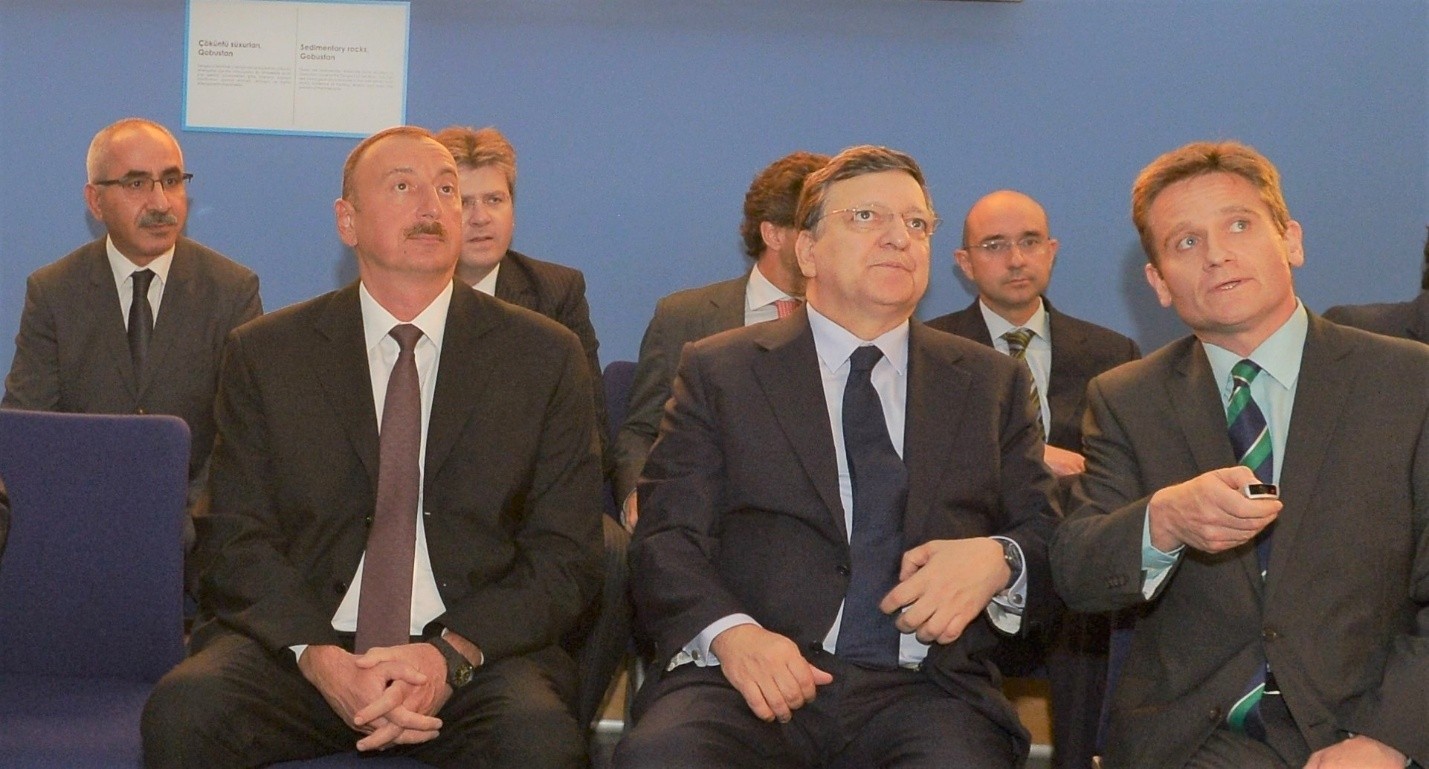
A milestone in the Southern Gas Corridor development was reached on May 29, 2018. After achieving significant commissioning across the whole gas value chain, SGC was officially inaugurated by President Aliyev at the Sangachal Terminal - the starting point of the first pipeline to transport gas from the Caspian region to European markets.
The importance of the SGC continued to grow in EU policy circles. At the Southern Gas Corridor Advisory Council held in Baku in 2019, discussions centered on ambitious plans to double the capacity of SGC and expand its reach to more European countries. Günther Oettinger, then EU Commissioner for Budget and Human Resources (and previously Energy Commissioner), welcomed the signing of the Joint Declaration “as an important step toward further diversification of Europe’s energy sources and routes. The partners should make best use of the new infrastructure and envisage to at least double its capacity as soon as possible.”
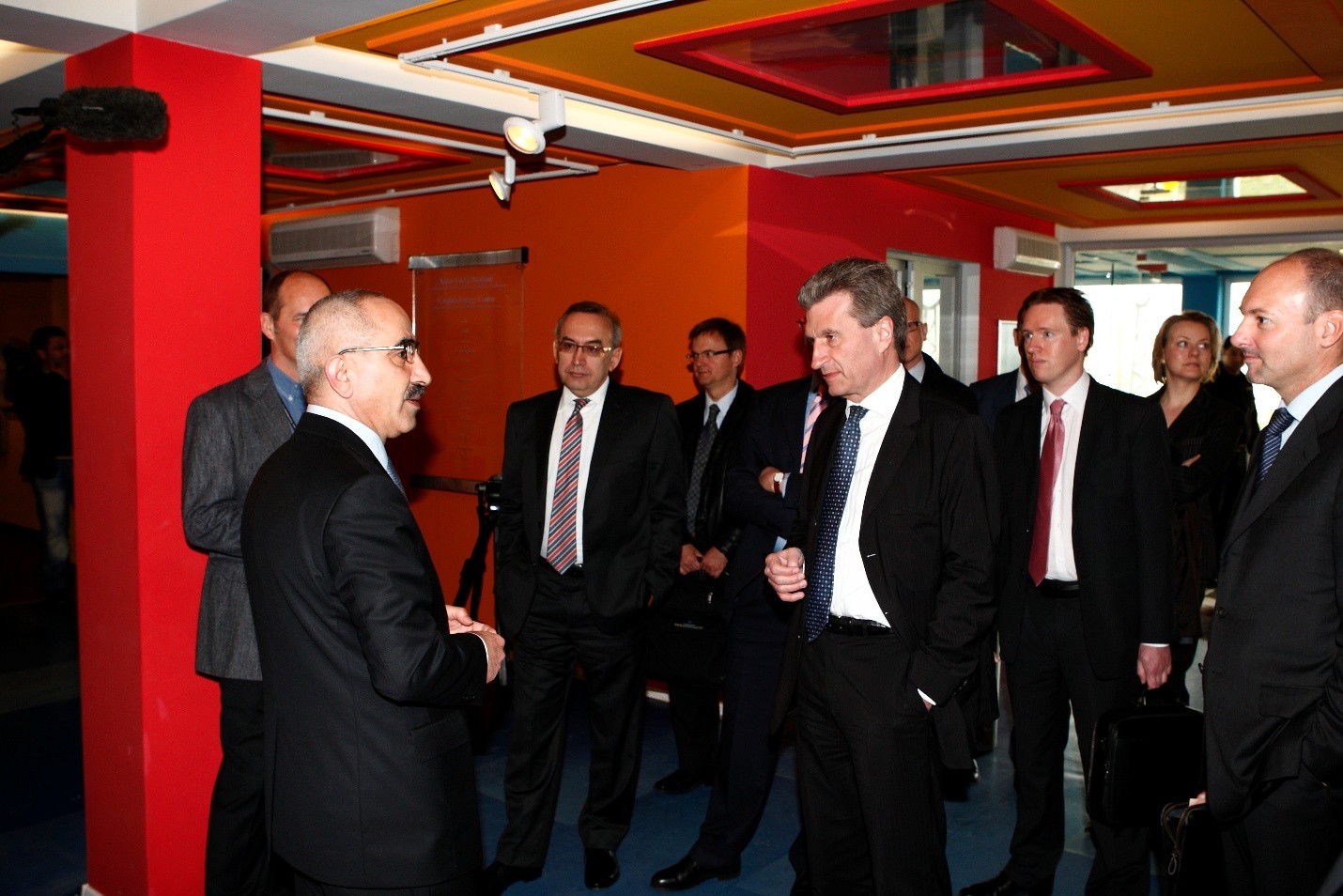
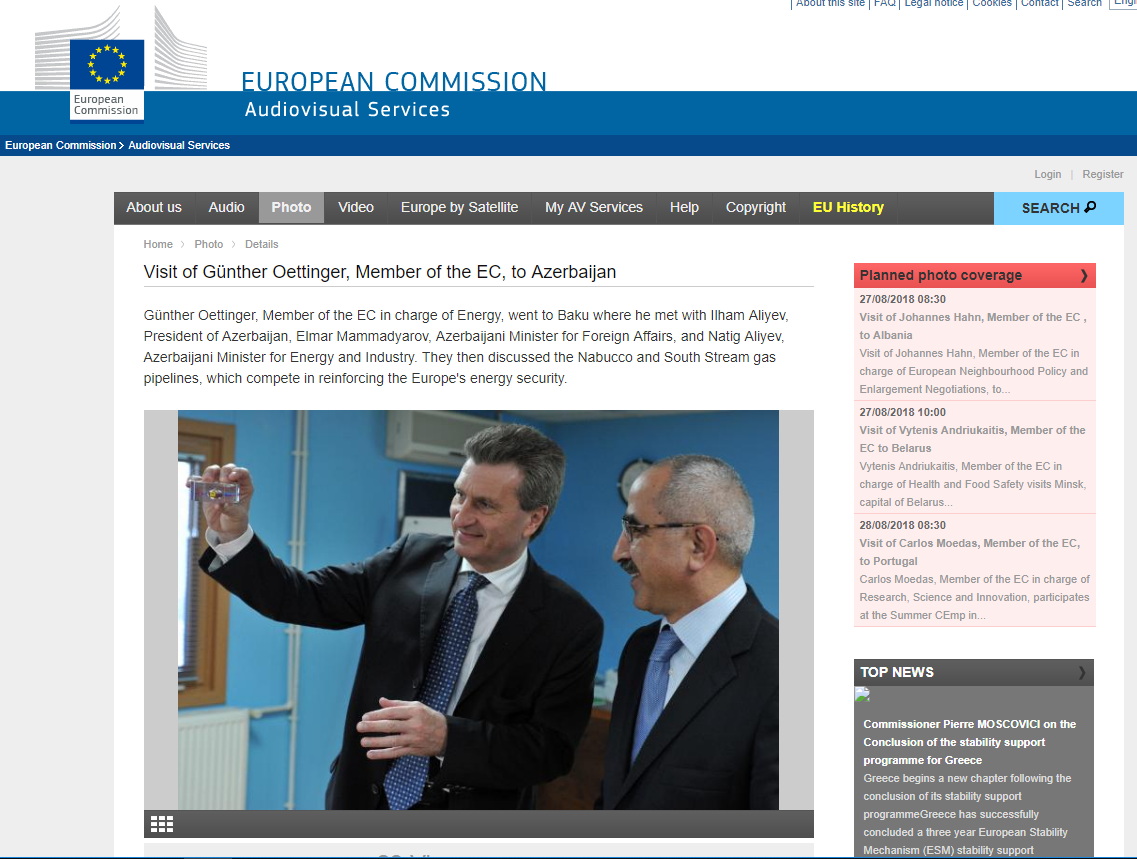
During his first visit to Azerbaijan as EU Energy Commissioner in 2010, Oettinger toured the Sangachal terminal and was impressed by the scale and complexity of operations. The visit offered him a deeper appreciation of the industrial capabilities involved in managing such a critical energy facility.
As global oil demand rebounds, the energy sector is once again attracting significant investment from international oil companies. Recognizing Azerbaijan’s pivotal role in global energy dynamics, OPEC Secretary General Haitham Al Ghais visited Baku in 2023 and met with President Ilham Aliyev. During the meeting, Al Ghais emphasized President Aliyev’s instrumental and constructive contribution to the OPEC+ format since its inception, noting that Azerbaijan’s active engagement has helped maintain stability in the global oil market.
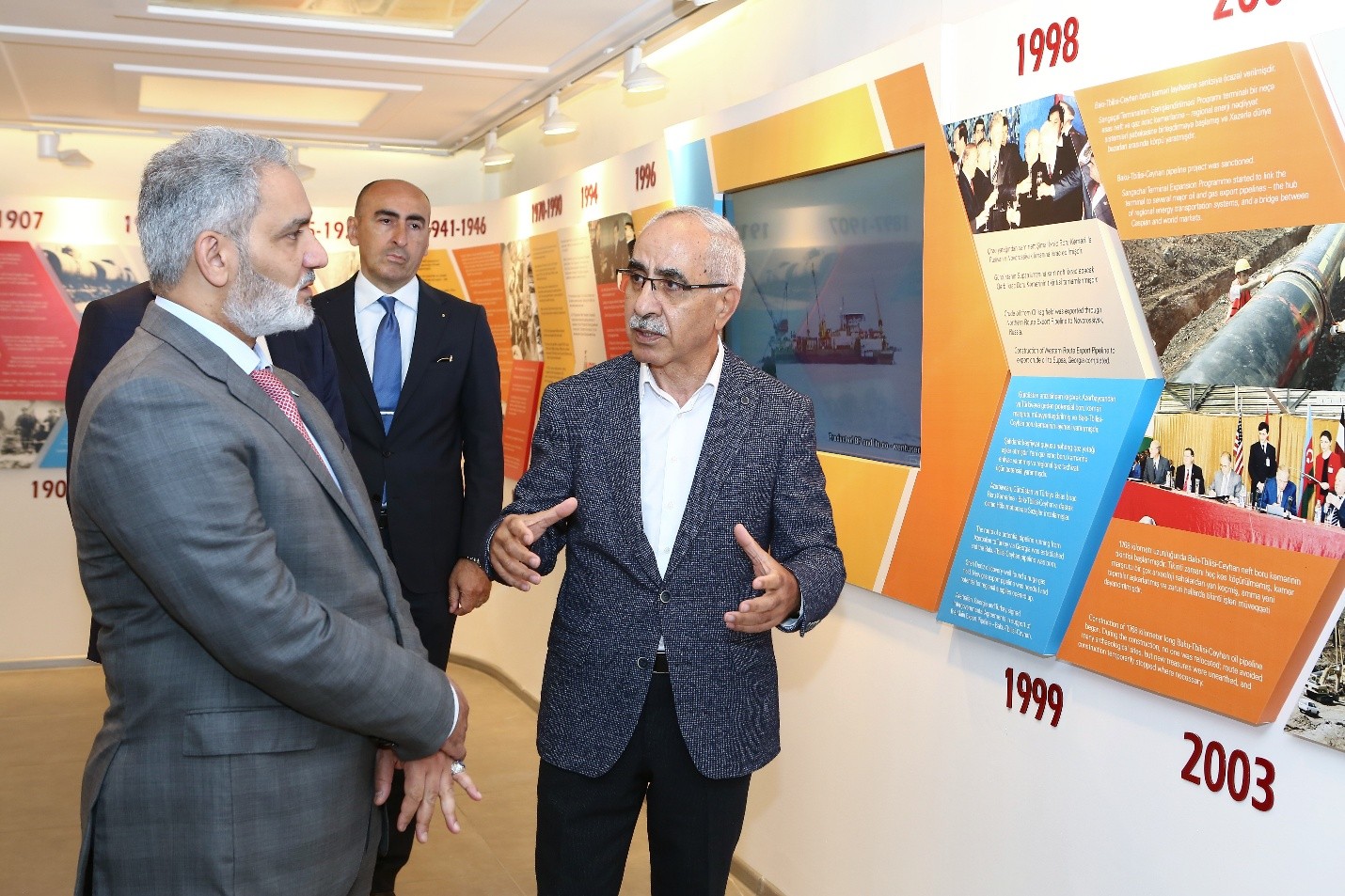
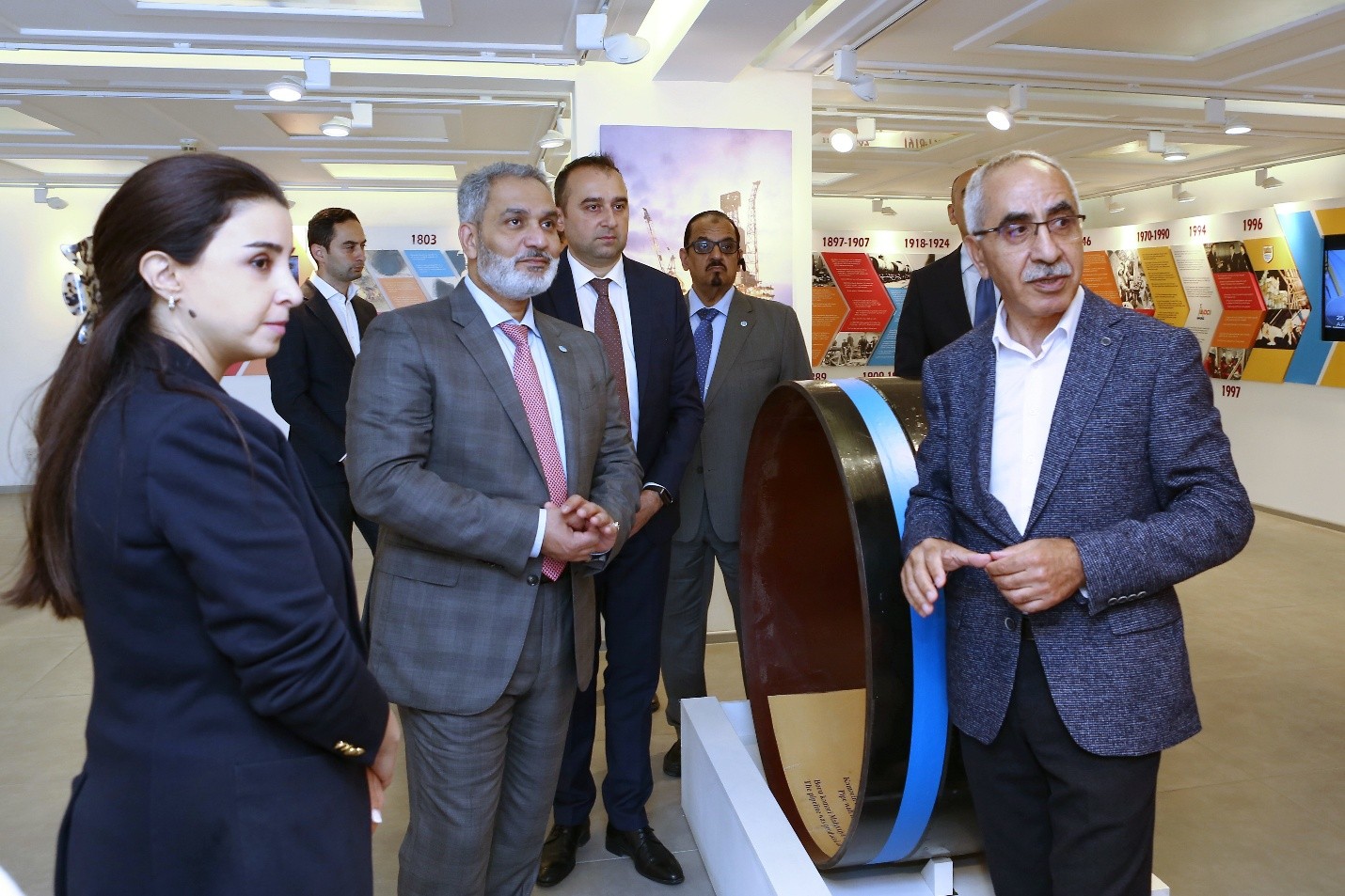
To see the region’s energy infrastructure firsthand, the OPEC Secretary General also visited the Sangachal Terminal. The bus tour to the terminal’s operational site, Shah Deniz area, BTC head pump station, and the control management center, which oversees the integrity and security of the export pipeline network, created a clear picture of bp operations in the region and the critical role Azerbaijan plays in the global energy supply chain.
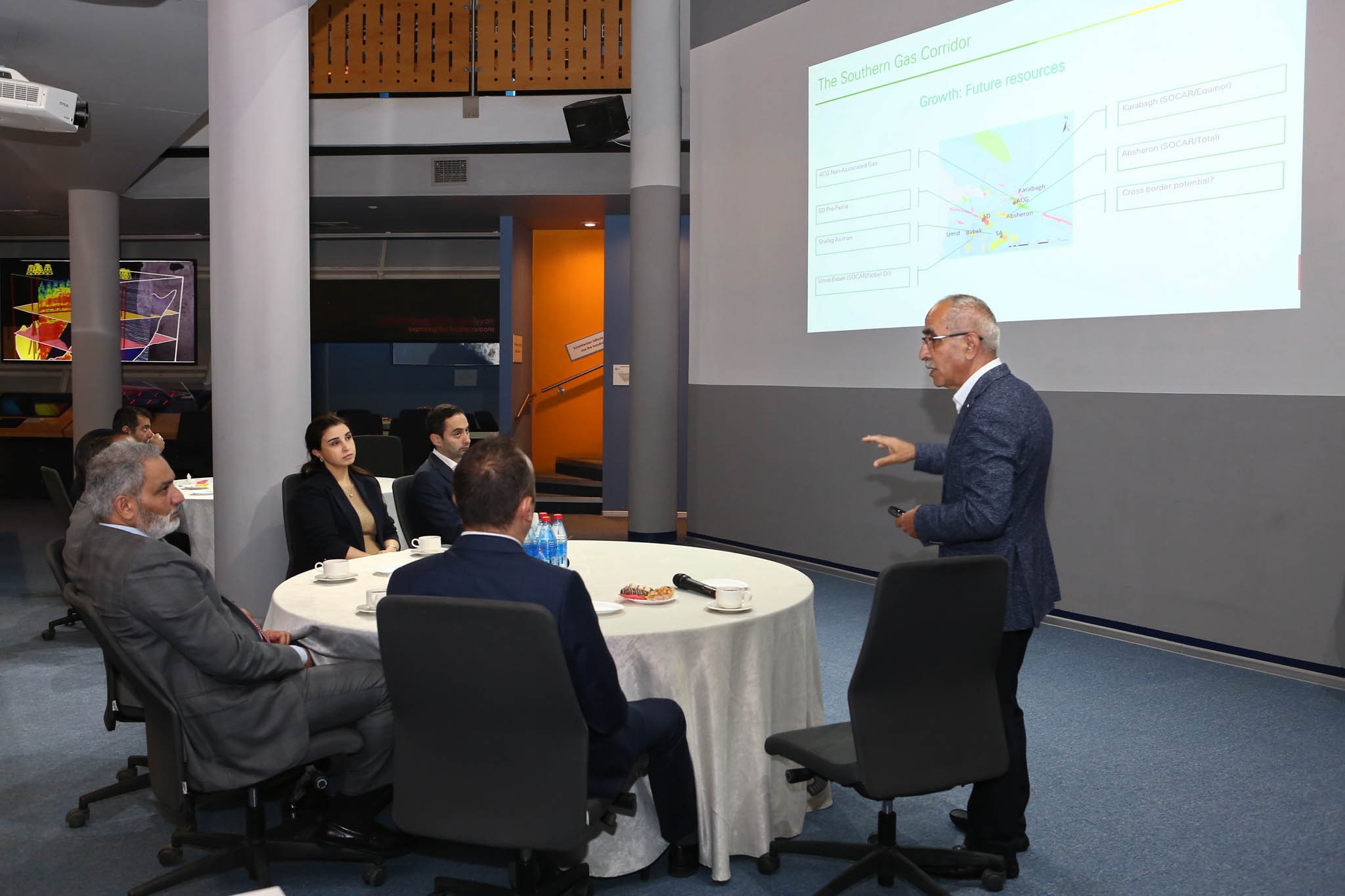
OPEC Secretary General Al Ghais expressed his deep appreciation for the scale, complexity, and efficiency of the terminal, offering highly positive feedback on the operational excellence demonstrated during the tour. Sangachal’s role as a strategic hub for unlocking offshore Caspian reserves and delivering hydrocarbons to global markets was clearly demonstrated.
At the same time, shifting geopolitical dynamics—particularly those stemming from the war in Ukraine—are reshaping energy transport routes. Russia’s new security regulations now require foreign vessels to obtain Federal Security Service (FSB) approval to access Russian ports. Combined with soaring insurance costs for oil shipments via the Black Sea, these developments have disrupted traditional export routes, including the Caspian Pipeline Consortium (CPC) that transports Kazakh oil through Russia to the port of Novorossiysk.
Given that Kazakhstan exports over 80% of its oil through the CPC route—primarily involving major international companies such as Chevron and ExxonMobil—these disruptions have accelerated efforts to diversify export pathways. As a result, Kazakhstan’s national oil company KazMunayGas, along with its international partners, is exploring alternative routes.
One such alternative is the Baku–Tbilisi–Ceyhan (BTC) pipeline, which originates at the Sangachal Terminal and transports crude oil to the Mediterranean, bypassing the complexities of the Caspian Pipeline Consortium (CPC)and the Turkish Straits. This route provides a secure and efficient corridor for Caspian oil to reach Western markets without the geopolitical complications of the CPC.
In this broader context, the Caspian region has become essential to global energy security. The Sangachal Terminal serves as the region’s most critical strategic hub. The Southern Gas Corridor, the largest infrastructure project in bp’s history, and the BTC oil export pipeline play a crucial role in delivering non-Russian, non-Persian Gulf energy to global markets. These pipelines are essential for diversifying European energy sources, reducing dependency on traditional suppliers, and ensuring a stable energy supply in the wider Euro-Asian region.
bp is proud to be part of this landmark partnership, made possible through the close collaboration of governments, regional partners, and international stakeholders. Azerbaijan’s leadership and the country’s energy infrastructure continue to serve as a cornerstone of international energy resilience and diversification.
Other news in this section


