Iran war saddles global companies with $25 billion bill - and counting
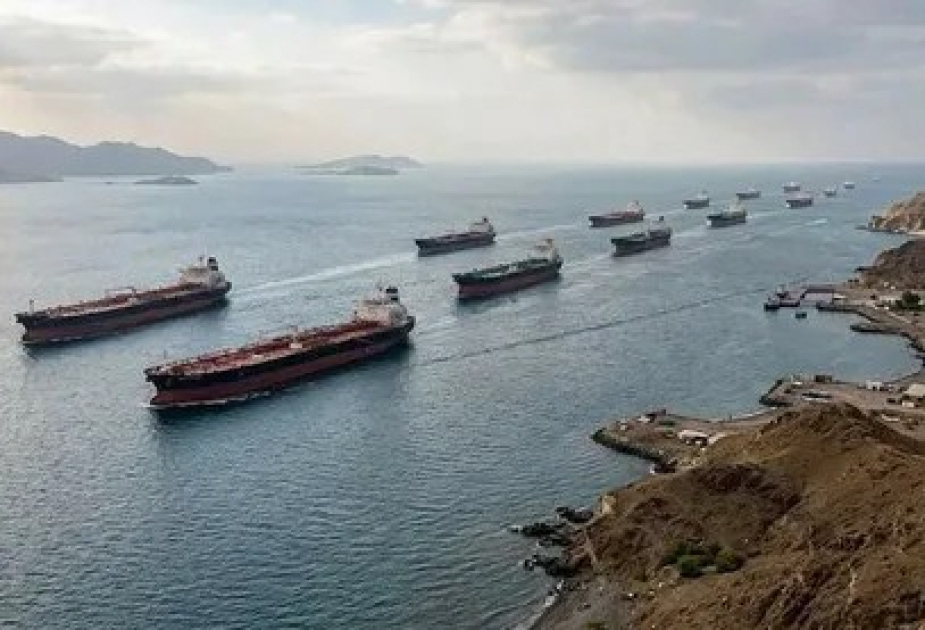
Baku, May 18, AZERTAC
The U.S.-Israeli war with Iran has already cost companies around the world at least $25 billion - and the bill is climbing, according to a Reuters analysis.
A review of corporate statements since the start of the conflict by companies listed in the United States, Europe and Asia offers a sobering look at the fallout. Businesses are grappling with soaring energy prices, fractured supply chains and trade routes severed by Iran's chokehold on the Strait of Hormuz.
At least 279 companies have cited the war as a trigger for defensive actions to blunt the financial hit, including price increases and production cuts, the analysis shows. Others have suspended dividends or buybacks, furloughed staff, added fuel surcharges, or sought emergency government assistance.
The upheaval - the latest in a series of discombobulating global events for business following the COVID-19 pandemic and Russia’s invasion of Ukraine - is tempering expectations for the rest of the year with little sense that an agreement to end the conflict is forthcoming.
"This level of industry decline is similar to what we have observed during the global financial crisis and even higher than during other recessionary periods," Whirlpool CEO Marc Bitzer told analysts after it slashed its full-year forecast in half and suspended its dividend.
As growth slows, pricing power will weaken and fixed costs will become harder to absorb, analysts say, threatening profit margins in the second quarter and beyond. Sustained price hikes are likely to fuel inflation, hurting already-fragile consumer confidence.
"Consumers are holding back on replacing products and rather repairing them," Bitzer said.
Rising costs for many supplıes
The appliance maker is not alone. Companies including Procter & Gamble, Malaysian condom maker Karex and Toyota have warned of the mounting toll as the conflict enters its third month.
Iran's blockade of the Strait of Hormuz - the world's most critical energy chokepoint - has pushed oil prices above $100 a barrel, more than 50% higher than before the war.
The closure has driven up shipping costs, squeezed supplies of raw materials and cut off trade routes vital to the flow of goods. Supplies of fertilisers, helium, aluminium, polyethylene and other key inputs have been hit.
One-fifth of companies in the review - which make everything from cosmetics to tyres and detergent, to cruise operators and airlines - have flagged a financial hit due to the war.
A majority were based in the UK and Europe, where energy costs were already elevated, while almost a third were from Asia, reflecting those regions' deep reliance on Middle Eastern oil and fuel products.
Almost same as tariffs hit
To put the tally into context, hundreds of companies by October last year had flagged more than $35 billion in costs from U.S. President Donald Trump’s 2025 tariffs.
Airlines account for the biggest share of quantified war-related costs, representing nearly $15 billion, with jet fuel prices having nearly doubled. As the bottleneck drags on, more companies from other industries are sounding the alarm. Japan's Toyota warned of a $4.3 billion hit while P&G estimated a $1 billion post-tax profit blow.
Other news in this section


