Home, Sweet Home exhibition opens in Modern Art Museum
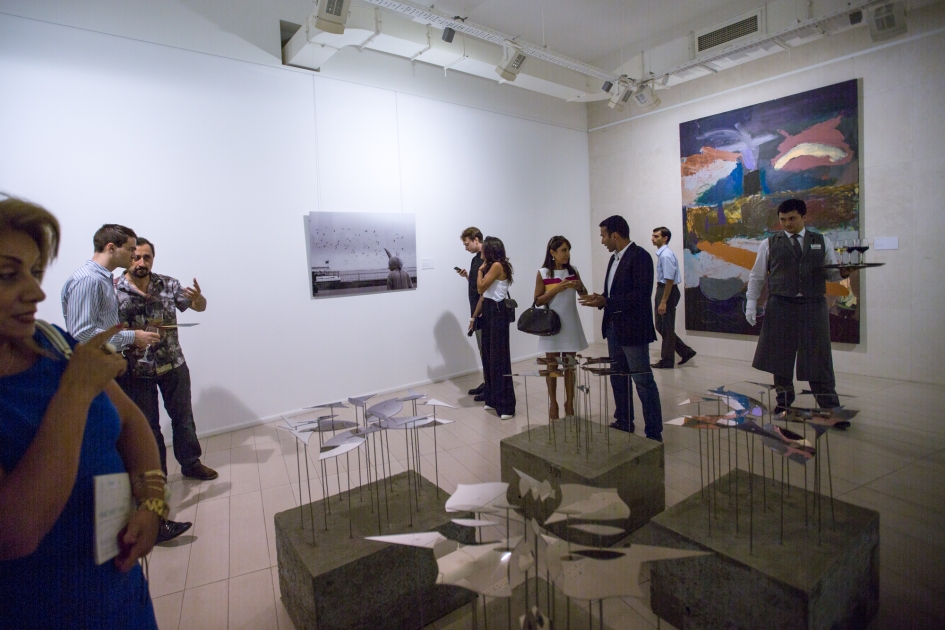
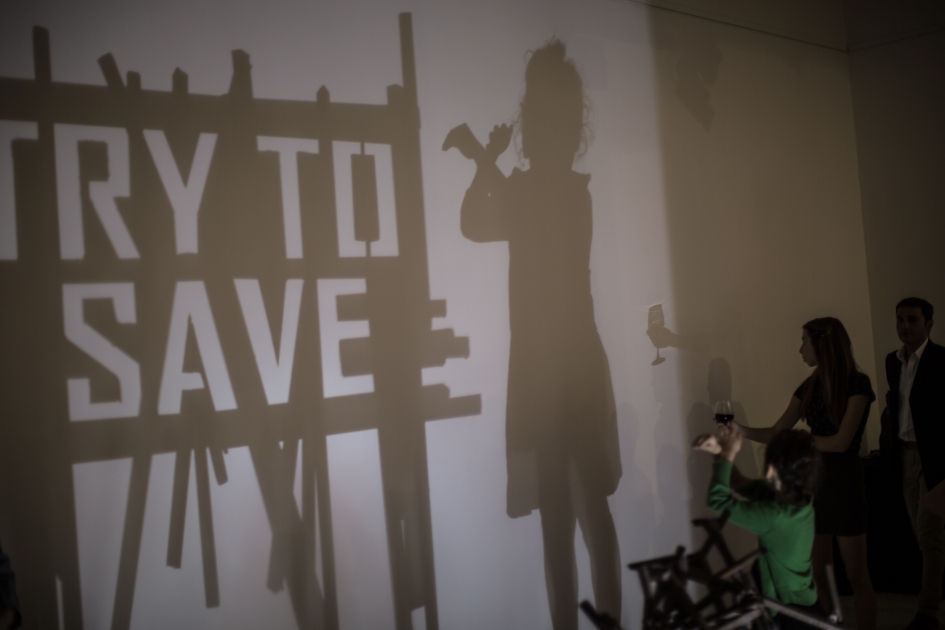
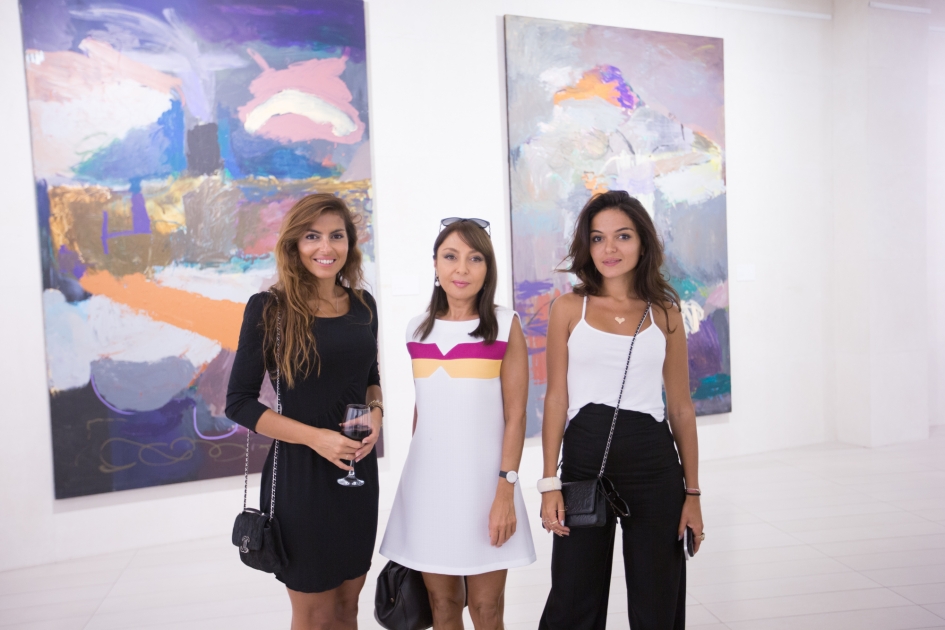
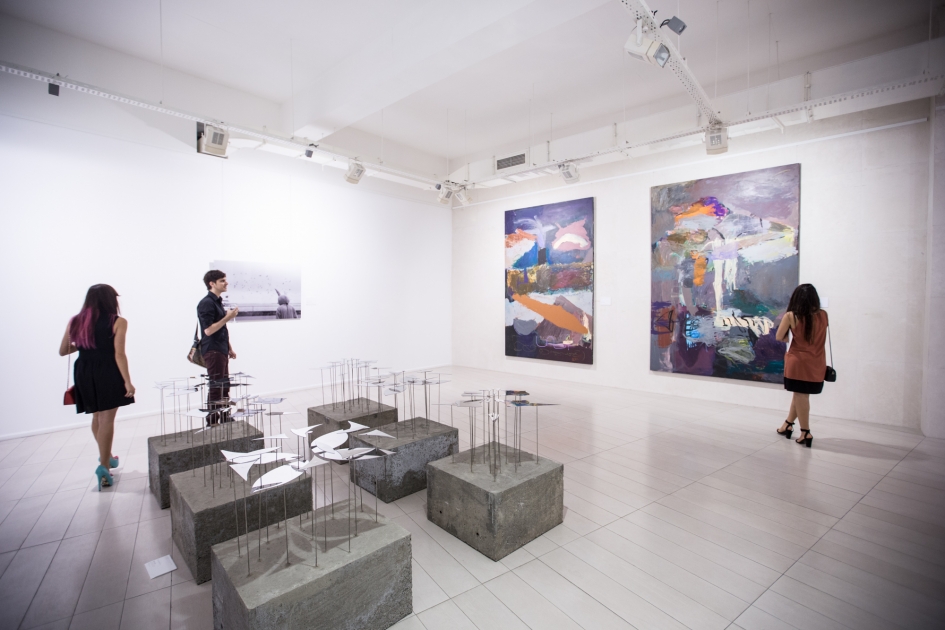
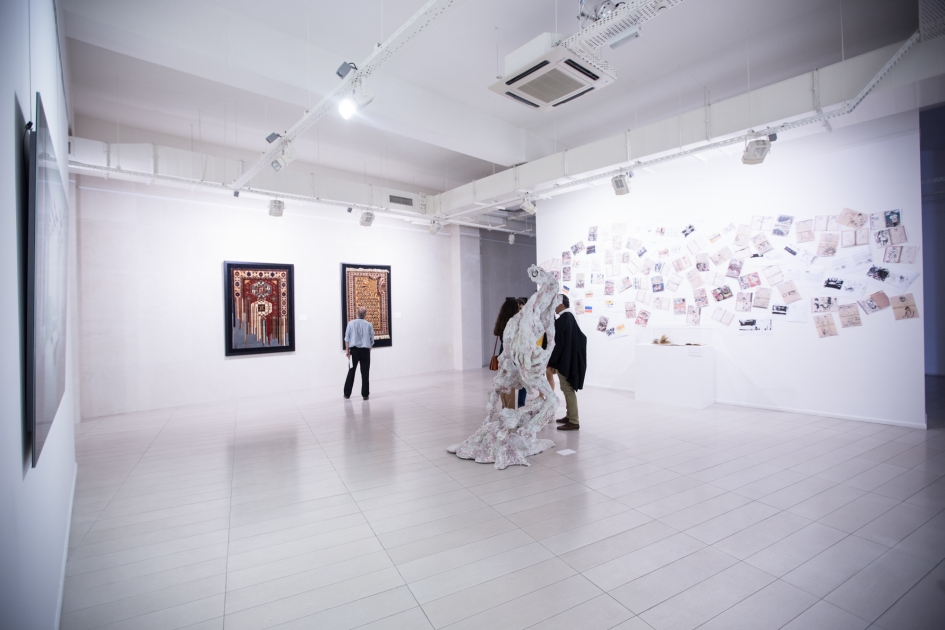
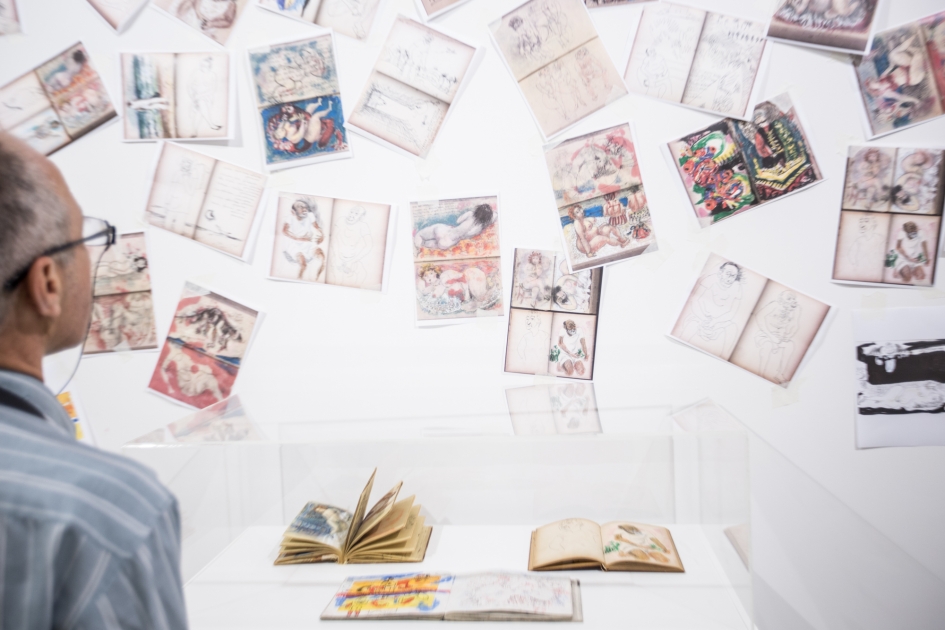
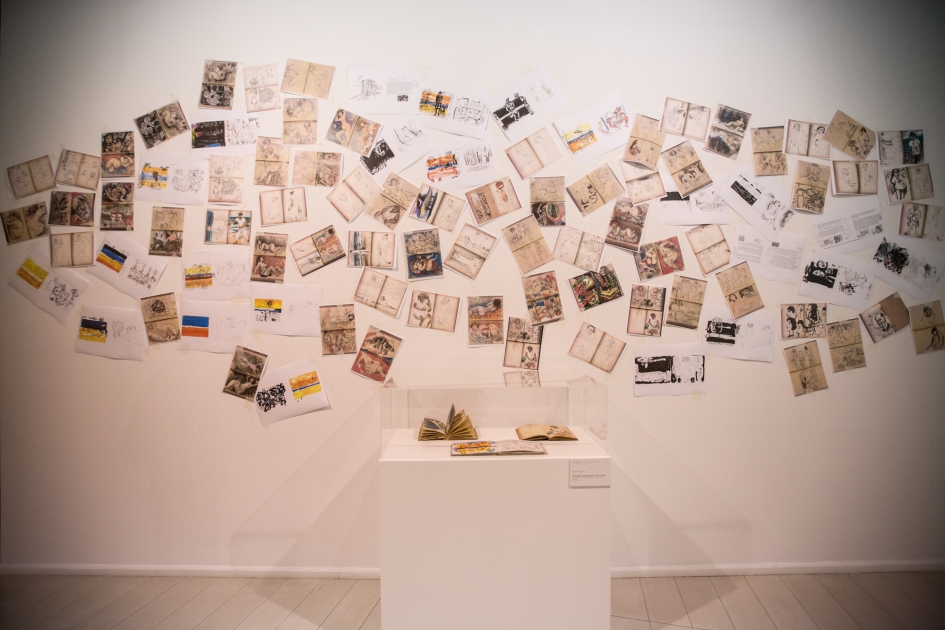
Baku, September 19 (AZERTAC). The Home Sweet Home exhibition co-organized by the Heydar Aliyev Foundation and YARAT! modern art space at the Modern Art Museum.
Head of YARAT! Aida Mahmudova gave a background of the exhibition. She said that this exhibition prepared by the Heydar Aliyev Foundation and YARAT! was presented for the first time in spring this year in Paris at the Azerbaijan Cultural Center. Home, Sweet Home exhibition showcased samples of modern Azerbaijani art.
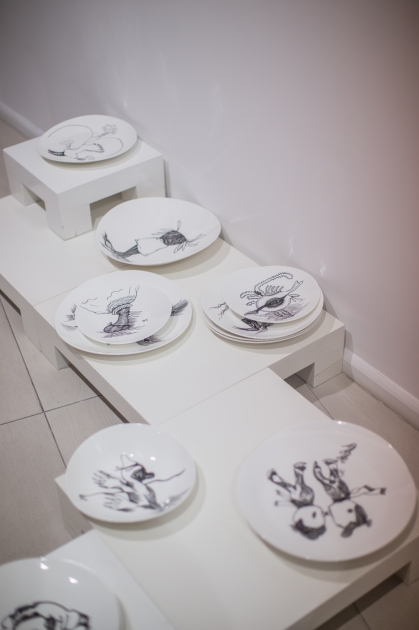
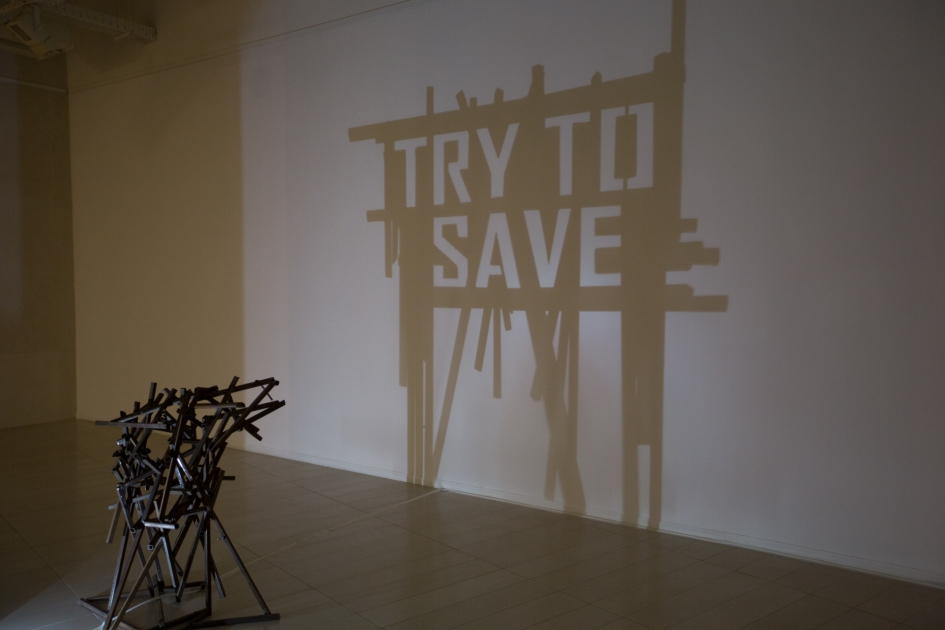
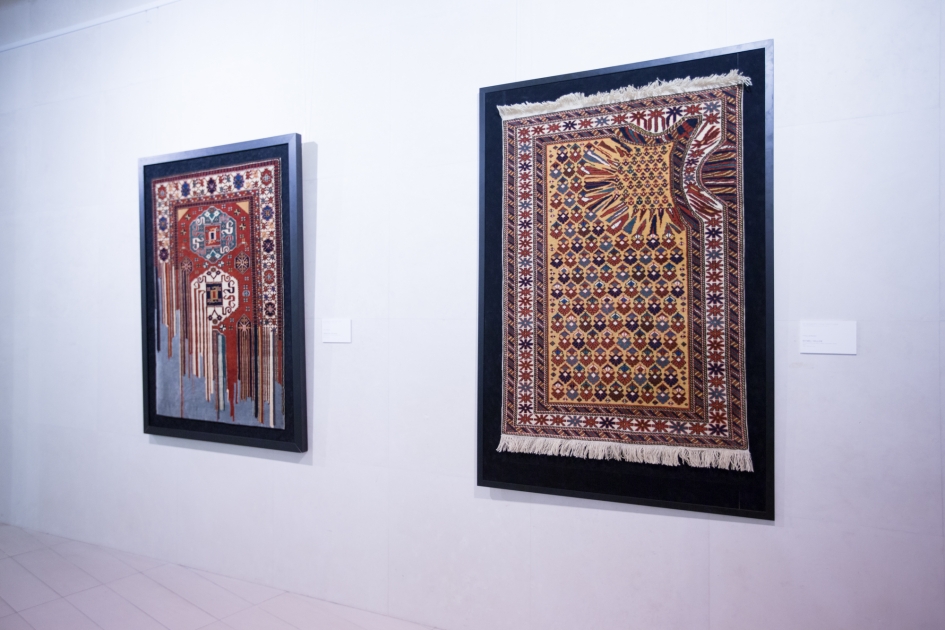
"Home, sweet home" exhibition captures painting, photography, installations, ceramics and sculpture, in brief, all stuff that somehow is related to "home" issues. All 15 authors of the artworks, everyone, of course, in his/her specific style, ponder on "heart and home" topic striving to depict a fundamentally new image-somewhat backed by a pleasant conventionalism nostalgy. They strongly focused on the world of household effects- simple and regular stuff, actual or just memorable and imaginary appliances.
The exhibition represents the art pieces by 14 artists: Faig Ahmad, Faig Akbarov, Tahmin Ali, Chingiz Babayev, Rashad Babayev, Rasim Babayev, Ali Hasanov, Ramal Kazimov, Aida Mahmudova, Fakhriya Mammadova, Farid Rasulov, Fidan Seyidova, Sanan Alasgarov, Rashad Alakbarov.
The home could be defined as a "safety island" you can take refuge in while escaping from hardship generated by the big and non-amicable world. It is precisely here we derive strength for work and prolific creation, it is here we return being ready to drop or just with the purpose of sharing our joy and accomplishments. The home demonstrates resemblance to the micro-Universe full of stuff, i.e. planets, and each planet is sparing with our memory of the miseries we went through as well as joyful moments.
… Every inch of home space is familiar and denoted with unprecedented feelings. Emotional background of the home definitely determines and influence over our capacity to transmit good and harmony to other people, we ourselves and future of the generations-to-come are strongly dependent on the background of emotions. Just upon becoming adults we are able to realize that our childhood's endowment still exerts influence, how unbelievably sometimes the house of our youth echoes in our adulthood. Importance of such awareness remains constant yet numerous social determinants are affected for last decades.
Female images are integral part of "home" images. As family institution is strongly protected in the Caucasus, a housewife image used to be a personification of splendid stability and order rather than female self-renunciation. However, rapidly changing world leaves no space for predominance of previously universally accepted gender stereotypes both in family and social relations.
What conclusions might such ardent desire of getting rid of regular gender roles generate? Might it shake the basic pillars of the household or such a mode just represents recently emerged phase of evolutional development of the society?
Material world is not exclusion; it was also subject to changes. Inherited household utensils and appliances, previously facilitating intergenerational continuity from time immemorial, start to lose their ground. A "grandpa's armchair" or a "granny's antique set" tend to yield to the times and to the permanent rush for trendy stuff. A sentimental and naively-romantic style gradually passes into history coupled with old-fashioned furniture, while a functional and ergonomic design is getting the upper hand. We are still wonder if the "home" will finally lose its integral warmth or all this is just an offset we pay for comfort and convenience?
The exhibition will run until October 10.
Other news in this section


