Baku Climate Action Week day two highlights new directions and partnership opportunities for climate action
Baku, September 8, AZERTAC
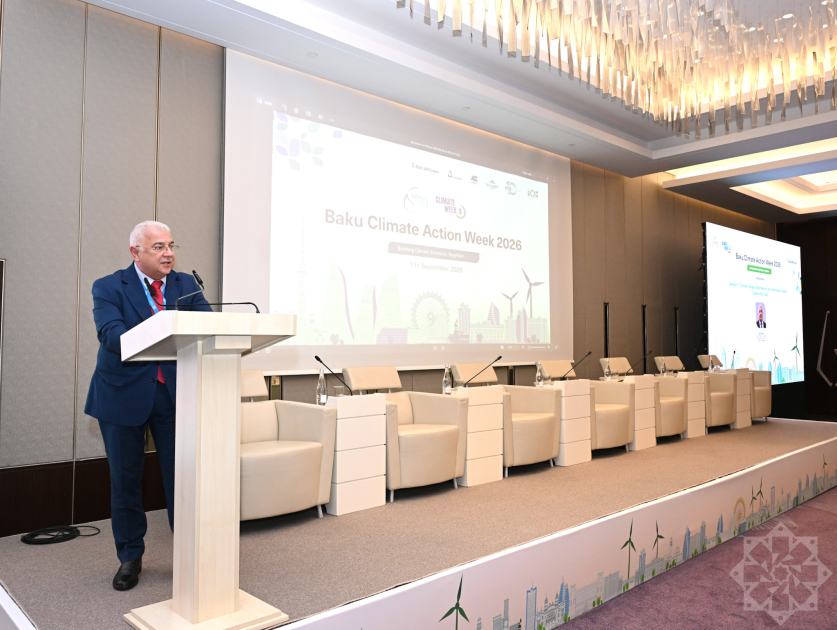
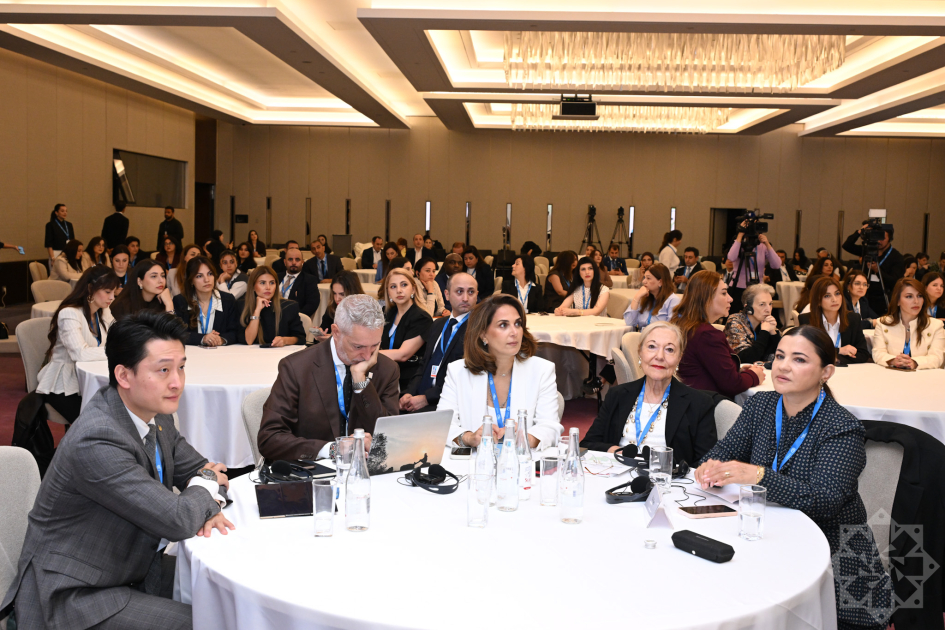
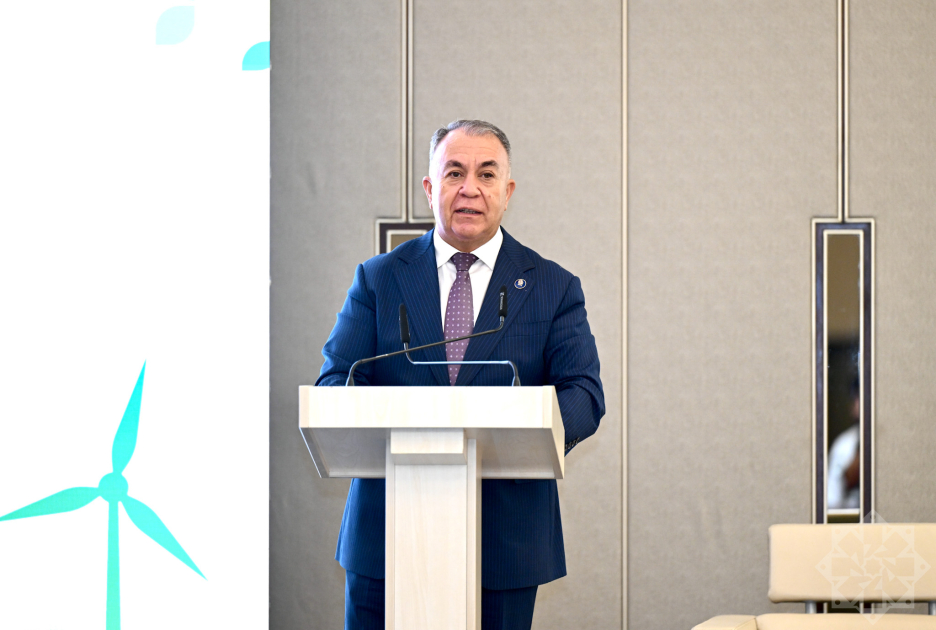
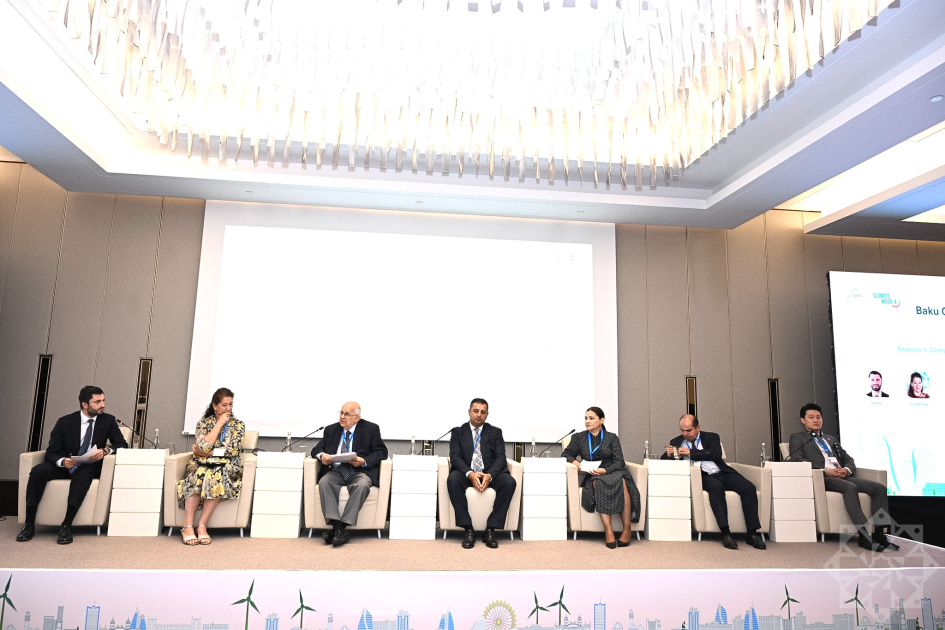
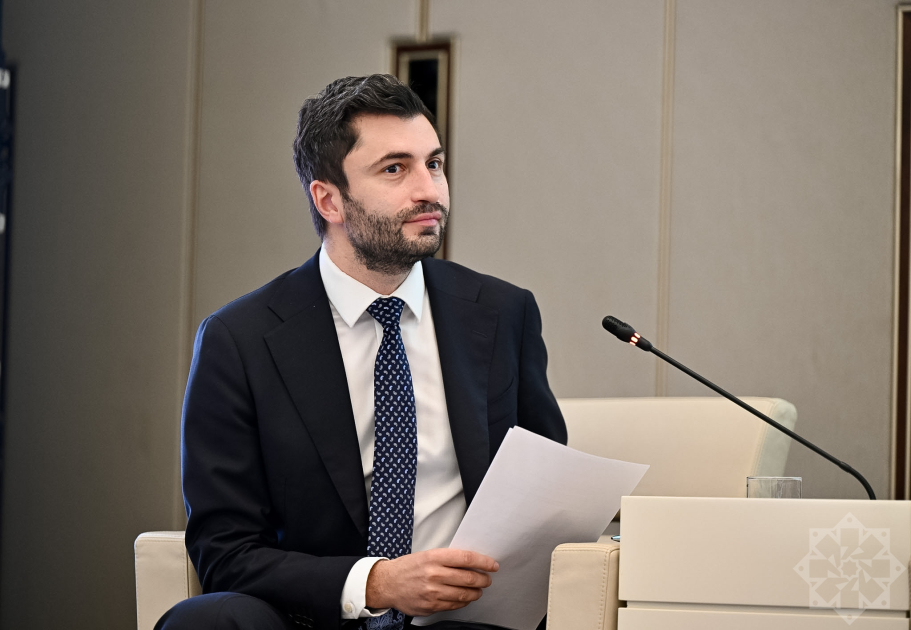
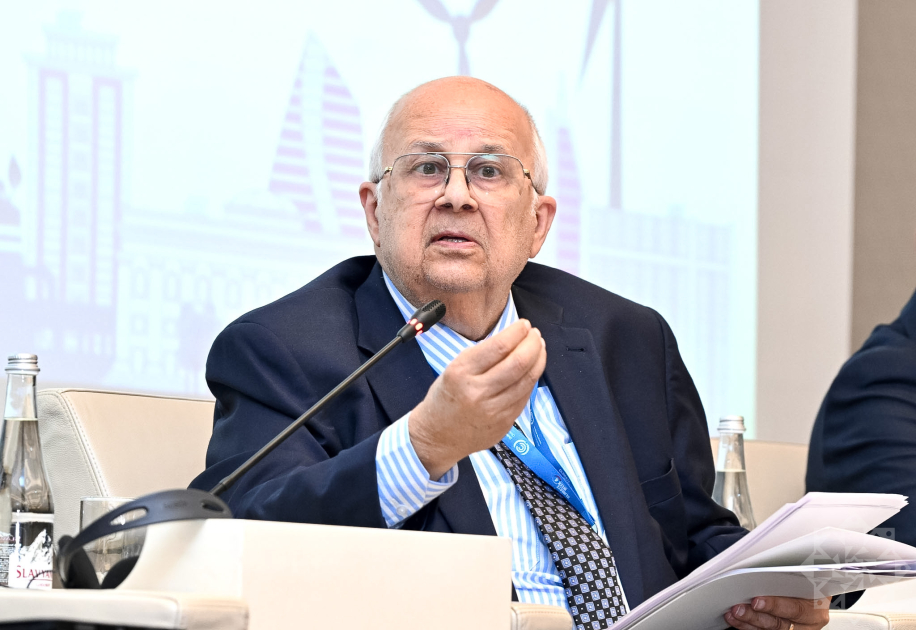
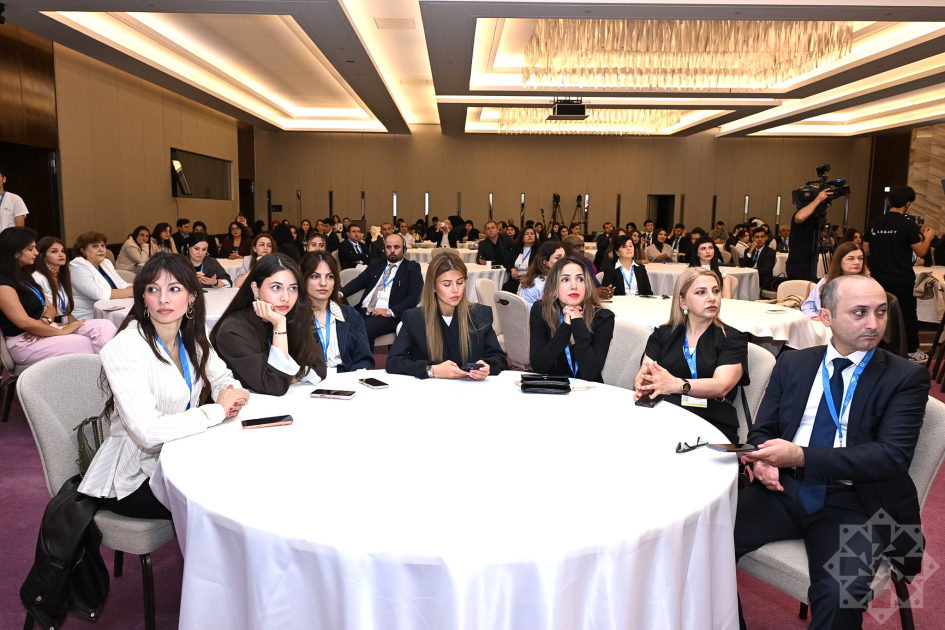
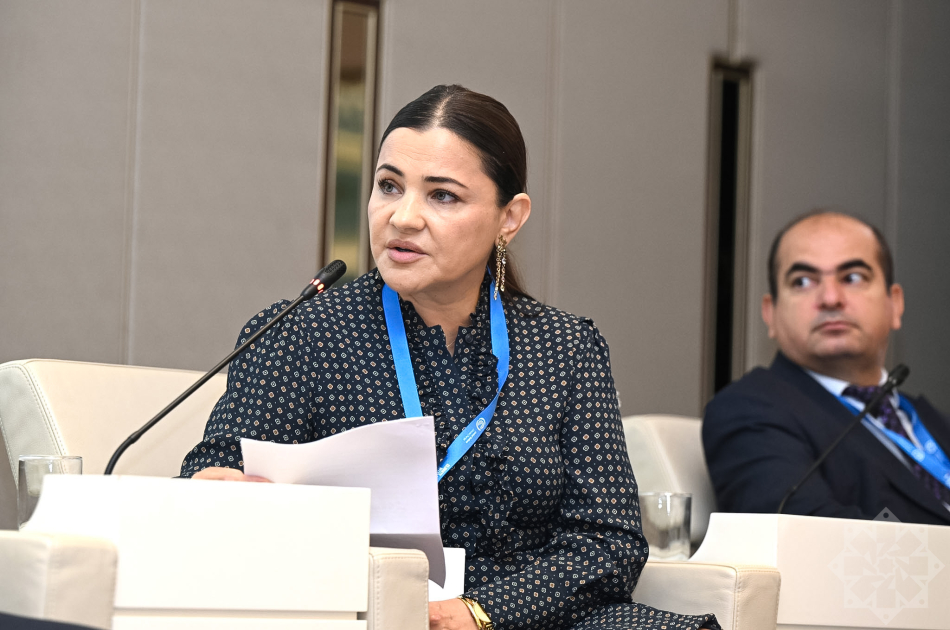
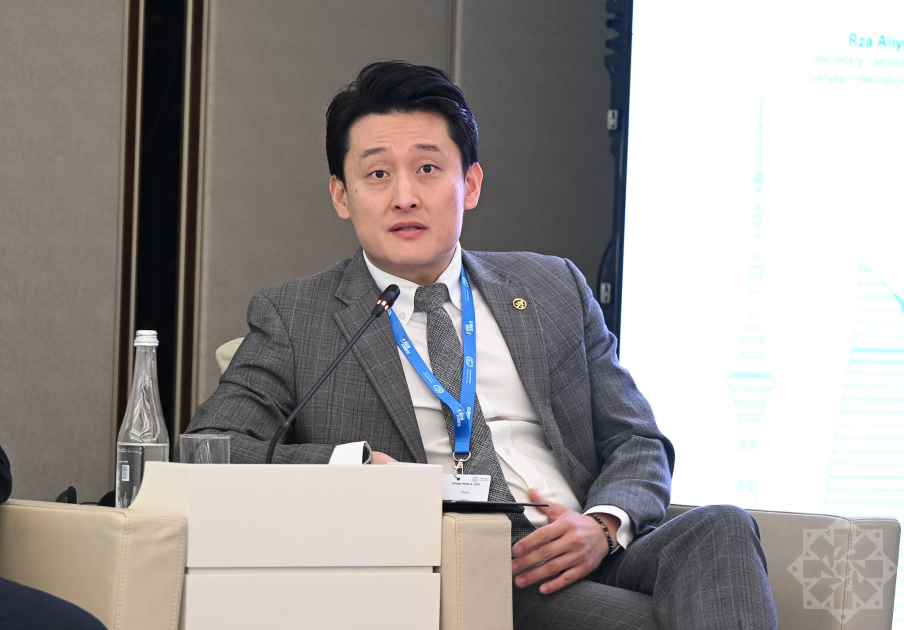
The second day of Baku Climate Action Week brought together a broad range of stakeholders to explore ways of accelerating climate action across sectors and transforming climate commitments into tangible results. Government representatives, international organizations, financial institutions, the private sector representatives, experts, academia and the young exchanged views on innovative responses to climate challenges, emerging investment opportunities and new formats for cooperation.
The future of the Caspian Sea and the impact of climate change on its ecosystems, coastal areas and communities were among the key topics of the day. A session with the participation of Deputy Minister of Ecology and Natural Resources Rauf Hajiyev, Chairman of the Committee on Natural Resources, Energy and Ecology of Milli Majlis Sadig Gurbanov, Member of the Grand National Assembly of Türkiye and Chairman of its Environment Committee Mehmet Galip Ensarioğlu, Director of the United Nations Office for Project Services (UNOPS) Simonetta Siligato, and other experts examined the potential implications of changing water levels in the Caspian Sea on ecosystems, coastal communities, cities, infrastructure, transport and economic activity. The discussion highlighted the need to bring scientific evidence more closely into public policy and investment decision-making, align national and local responses with regional approaches, and strengthen the exchange of data and expertise, as well as regional cooperation among the Caspian littoral states to ensure an effective response to these impacts.
Strengthening the capacity to anticipate and respond to climate-related risks was another important theme, with particular attention given to the potential of next-generation early warning systems. A session bringing together Deputy Minister of Ecology and Natural Resources Umayra Tagiyeva, Chairwoman of the Committee on Family, Women and Children’s Affairs of Milli Majlis Hijran Huseynova, Deputy Minister of Agriculture Ilhama Gadirova, Chairman of the Board of ANAMA Vugar Suleymanov, First Deputy Chairman of the Azerbaijan State Water Resources Agency Khayyam Mammadov, and Director of the Turkish State Meteorological Service Volkan Mutlu Coşkun explored the opportunities and potential challenges associated with integrating artificial intelligence into early warning mechanisms for a range of hazards. Participants highlighted the importance of data accessibility and quality, cybersecurity, the reliability of AI-enabled technologies under evolving climate conditions, and the need to strengthen the technical capacities of developing countries. The discussion also underscored the potential of emerging technologies to enhance climate risk forecasting and support more informed and timely decision-making.
The transition towards more climate-resilient agriculture was another key topic of the day’s discussions, with innovation and collaboration at its core. The session held with the participation of Minister of Agriculture Majnun Mammadov highlighted the growing role of artificial intelligence and data-driven solutions in supporting farmers and strengthening their capacity to adapt to changing climate conditions. Azerbaijan’s AI-based Farmer Scoring System, developed with the support of the Food and Agriculture Organization of the United Nations (FAO), was presented as one example of how technology can support more informed and effective approaches to agricultural resilience.
Digital transformation is increasingly shaping the way climate action and green development are pursued. This was reflected in a session that brought together Deputy Minister of Digital Development and Transport Rashad Hasanov, Climate Change High-Level Champion for COP29 and BCAW Project Lead Nigar Arpadarai, Chairman of the Board of the Innovation and Digital Development Agency Farid Osmanov, Founder and CEO of the World Climate Foundation Jens Nielsen, alongside representatives of the private sector and technology companies. The speakers examined the potential of digital infrastructure to strengthen climate resilience, enhance energy efficiency and support the transition towards more sustainable development models.
Another session focused on strengthening the role of cities in the global climate agenda and identifying practical steps in this direction. Following the 13th session of the World Urban Forum (WUF13) in Baku, the discussion emphasized how the Forum’s outcomes could be transformed into concrete priorities and commitments ahead of COP31, while also addressing the next steps for advancing the “Baku Call to Action”. Chairman of the State Committee on Urban Planning and Architecture and National Coordinator for WUF13 Anar Guliyev, Co-Chair of the Nizami Ganjavi International Center Ismail Serageldin, and representatives of the European Bank for Reconstruction and Development and other international institutions shared perspectives on strengthening urban climate resilience, developing sustainable infrastructure, expanding access to climate finance and advancing data-driven urban planning.
The youth also played an active role in shaping the day’s agenda, with two roundtables. The discussions addressed the transition from climate commitments to concrete action, the role of youth on the road to COP31, and the opportunities presented by artificial intelligence for developing climate solutions. The exchanges underscored the importance of engaging young people not only as participants, but as active partners in developing new ideas, innovative approaches and practical climate initiatives.
The breadth of the climate action agenda was further reflected in the programme’s focus on the creative fields. During the roundtable and fashion show held as part of the “Sustainable Fashion” event, participants emphasized the importance of transitioning towards responsible production and consumption models in the fashion sector. The event also highlighted that climate action extends beyond key areas such as energy, agriculture and infrastructure to include creativity, design and consumer culture, underscoring the importance of promoting sustainable approaches across these fields.
Overall, the second day of Baku Climate Action Week once again demonstrated the growing scope of the climate action agenda, supported by cross-sectoral cooperation, technological innovation and practical implementation mechanisms. The programme further highlighted Azerbaijan’s active engagement on the road to COP31, with the country continuing to bring partners together, foster international dialogue and advance shared climate priorities.
Other news in this section


