Azerbaijan - Turkey: Commitment To “One Nation, Two States” Doctrine




Baku, June 27, AZERTAC
Azerbaijan and Turkey maintain a special relationship defined by a long history of events and cultural and ethnic connections. Azerbaijanis and Turks belong to the same Turkic identity and share a common ancestor - the Seljuk Empire made up of Oghuz Turks, which represents the foundation to the present-day Turkey and Azerbaijan. Both nations are geographically close, and Azerbaijan is the only Turkic state sharing a small border with Turkey through Azerbaijan’s Nakhchivan region. All this has contributed to the build-up of special ties between modern-day Turkey and Azerbaijan.
In order to better understand the relations between the two countries, one should look into the history of the Ottoman Empire during World War I, when the army and the economy were already badly strained and the empire was in full decline. In the early years of war, the Battle of Gallipoli marks an important yet difficult Ottoman victory in spite of these hardships. The Battle of Gallipoli (Çanakkale) was an attempt by Allied Powers to take control over the sea route from Europe to Russia during World War I. The campaign began with a naval attack by British and French ships on the Dardanelles Straits in February 1915 and continued with a major land invasion of the Gallipoli Peninsula on 25 April, involving British and French troops, with divisions of the Australian and New Zealand Army Corps. The capture of the straits would have allowed the Allies to link up with the Russians in the Black Sea, where they could work together to knock Turkey out of the war. However over nine months, soldiers of the Ottoman Empire fought bravely to defend their homeland from multinational invasion. Ottoman soldiers led by Mustafa Kemal Ataturk were prepared to fight to their death for what they saw as a holy cause - protection of their homeland. There were huge losses from both sides. The Ottoman army fought relentlessly, however the victory was achieved and Azerbaijanis who joined the battle in the Caucasus campaign also fought the Allied Powers in Gallipoli battle. Around 4,000 Azerbaijanis lost their lives fighting shoulder to shoulder with Ottoman Turks against foreign invasion. It was an incredible act of brotherhood between Turks and Azerbaijanis in defending Turkey from the invading forces.
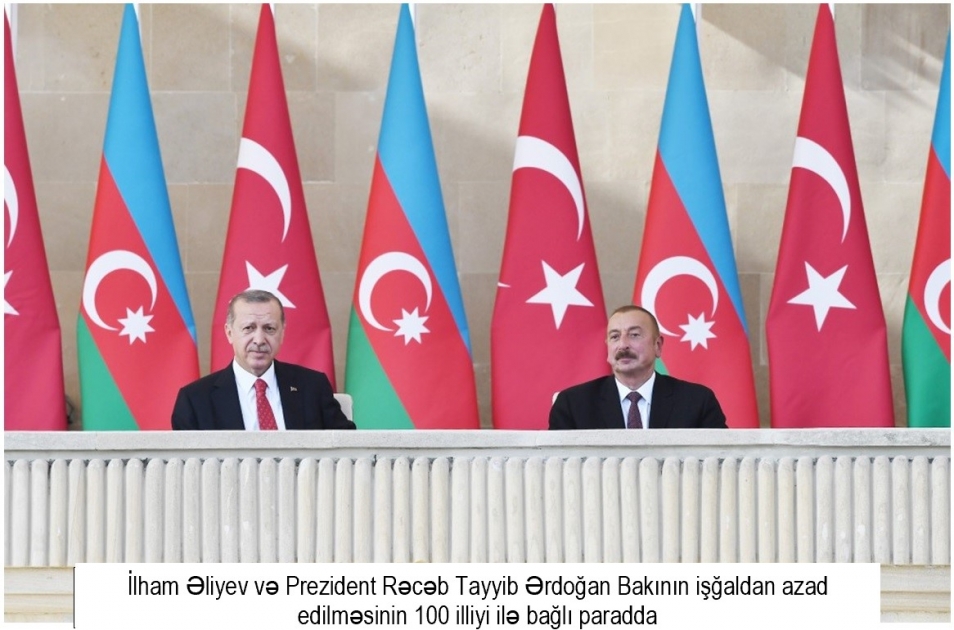
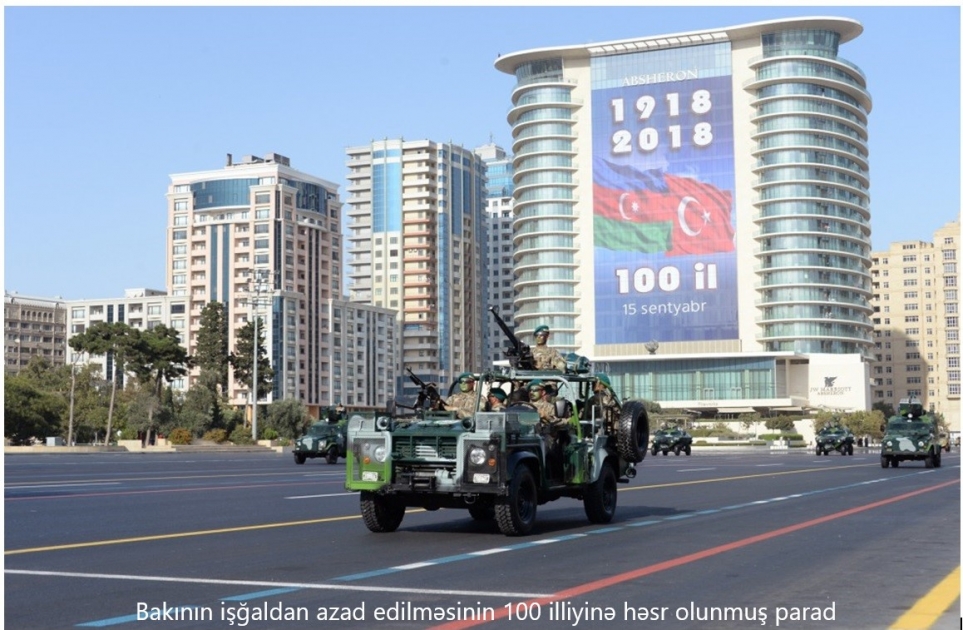
Another great example of this special relationship is related to the years of the national independence movement in Azerbaijan in 1918. The situation here was unfolding at a frenetic pace as power in Baku was seized by joint forces of Bolsheviks and the Armenian Revolutionary Federation - the Dashnaks. A major turning point of this movement was what is now known as the March Days, during which more than 12,000 Azerbaijanis were massacred by Armenian Dashnak and Bolshevik troops in Baku between 30 March and 3 April 1918. Later, in April 1918, the Baku Council of People’s Commissars was established, declaring itself an integral part of Soviet Russia. The founding fathers of the Azerbaijan Democratic Republic who led the national independence movement declared independence in Tiflis on 28 May 1918. When the ADR government moved from Tiflis to Ganja in mid-June 1918, its main aim was to liberate Baku from the occupation. As the young republic did not yet have a regular army, Azerbaijan sought help from the Ottoman Empire. On 4 June 1918, Azerbaijan and the Ottoman Empire signed a treaty of friendship and cooperation in Batum, and Clause 4 of that treaty held that the Ottoman Empire would provide military assistance to Azerbaijan to maintain peace and security in the country. The Treaty of Batum became the first agreement concluded between the Azerbaijani Democratic Republic and a foreign state. Under this treaty, the Turkish task force under the command of Nuri Pasha entered the city in the early hours of 14 September, starting the “The Battle of Baku”, which ended with a victory the following day. The new Islamic Army of the Caucasus consisted of Ottoman soldiers, Azerbaijani forces and volunteers from Dagestan. As a result, the Azerbaijan Democratic Republic moved its capital to Baku.
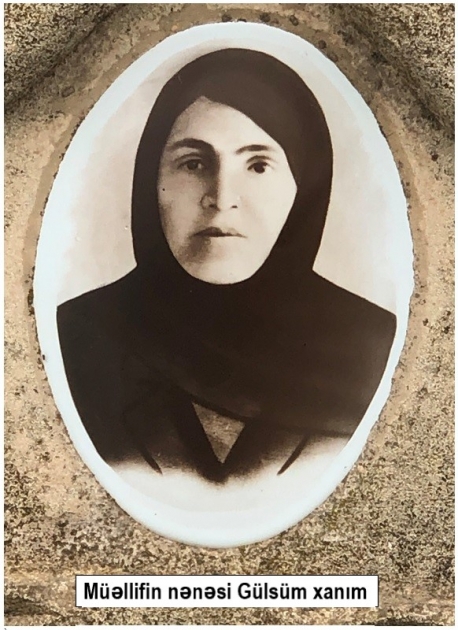
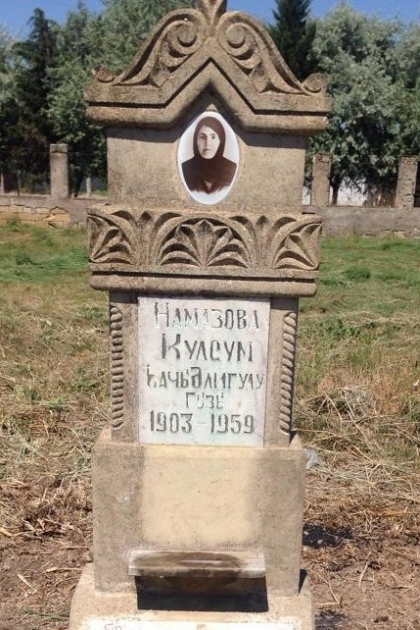
The Dashnak military forces, after failing to accomplish their ambitious plans to establish Greater Armenia on Ottoman territories during World War I (1914 - 1918), withdrew to the South Caucasus and launched massacres in provinces of Azerbaijan, including Erivan. Early in 1918, the Dashnaks carried out ethnic cleansing of Azerbaijanis in Erivan where my grandmother’s family experienced a great tragedy. Her father, my great grandfather, akhund Haji Aligulu, a respected community leader and scholar, was helping people to escape the Armenian massacre by escorting them out of the city. As he was doing that, he was shot in the back at the Araz river crossing. My grandmother’s elder brother, a student of a progressive Russian-Muslim school of those times, was another family victim, while my grandmother herself made a narrow escape. Stories and memories of my great grandparents and their family are still being passed down within the family, as we make sure that this legacy lives on. In 1918-1920, more than 132,000 Azerbaijanis were killed in Erivan province, a historically native province to Azerbaijan. Those who managed to survive took refuge in Iran, Turkey and other provinces of Azerbaijan.
Armenian troops continued attacking the local population not only in the provinces of the Azerbaijan Democratic Republic but also in Southern Azerbaijan throughout 1918. Urmia, Khoy, Tabriz, Selmas,and other provinces in Southern Azerbaijan bear witness to terrible crimes committed by Armenian military forces, and these are documented in a library of books. On those tragic days, the Ottoman government extended its helping hand by sending a substantial number of troops to rescue thousands of innocent people.
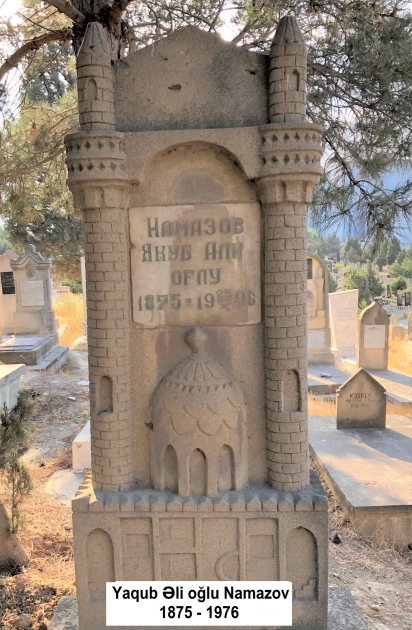
Local armed detachments who were familiar with the area joined the Ottoman’s rescue army, one of whom was my grandfather’s cousin Yagub Ali oglu Namazov, also known as Yagub aga. He led an armed group in Erivan’s neighborhood Ulukhanli and the Ottoman commander appointed him as a yuzbashi (captain) of the Ottoman task force. Together with this armed group, the Ottoman army held rescue operations in Erivan province and in Southern Azerbaijan. Our family still keeps the memory of Yagub aga’s story when the Dashnaks entered Khoy in March 1918, slaughtering local residents. The people of Khoy, inspired by the advancing Ottoman troops, joined forces to make Armenians retreat.
This relationship also continued during the Bolshevik occupation of Baku in April 1920, when the Azerbaijan Soviet Republic was established and was closely allied to Turkey until its full absorption into the USSR by the end of 1922. This relationship created favorable conditions for supporting Mustafa Kemal Ataturk’s national liberation movement. Many Azerbaijani intellectuals who had been active in the reformist movement in Azerbaijan moved to Turkey to help with the foundation of the new Turkish republic. Material aid was very crucial for shaping up the modern Republic of Turkey and was facilitated by a railway link between Erzurum in Turkey and Baku in Soviet Azerbaijan.
After the collapse of the USSR in 1991 followed by the dissolution of the Warsaw Pact, Turkey emerged as a regional superpower and a bridge between newly-independent states and the Western world. Turkey has been a valuable partner and provided strong leadership, engaging in creative diplomacy in the region as a key member of NATO. Turkey’s increasing influence in the international arena made the country a trustworthy and powerful actor in this region. For the newly emerging independent nations, Turkey has been considered a model country with a democratic identity and a free-market economy. This role was encouraged by Western allies with the expectation that Turkey’s influence would limit the role of Russia and Iran in this region.
Turkey was also the first country to recognize Azerbaijan’s independence in 1991. In the early days of Azerbaijan’s independence, Turkey always made sure to allocate offices for the diplomats of the young Republic of Azerbaijan. Turkish and Azerbaijani Diaspora organizations work very well together to lobby their interests in Western countries. Turkey’s relations with Azerbaijan also play an important role in the geopolitics of the Caucasus region, shaping up relations with other regional countries, especially the neighboring Armenia which has occupied the Karabakh region of Azerbaijan. In 2008, Turkey, as part of its efforts to join the EU, began softening its stance on the Armenian issue and seemed to be inclined towards lifting the trade embargo against Armenia under pressure from the EU and USA. Under this global political influence, on 10 October 2009, Turkey and Armenia signed the so called “Zurich Protocols” to establish diplomatic relations and re-open their border. But Turkey’s willingness to open the Armenian-Turkish border and restore trade with Armenia prior the liberation of occupied Azerbaijani territories was seen as an act of treachery in Baku. Obviously, Ankara kept notifying Baku of its intentions but fell short of consulting with its influential counterparts on bringing Azerbaijan on board in addressing the issues of its occupied territories.
Repercussions from this political move by Turkey affected the relationship with Azerbaijan, which explicitly expressed its disappointment. President Ilham Aliyev refrained from visiting critical international and bilateral gatherings in Turkey and canceled a scheduled trip to a high-profile Istanbul summit of the Alliance of Civilizations in April 2009. Turkish efforts to secure his attendance of this event failed, as did phone calls from Secretary of State Hillary Clinton, promising a meeting with President Obama at the Istanbul summit.
As President Aliyev stayed home, Turkish leader Erdogan was faced with a difficult task of saving the relations with Azerbaijan. And he took a step back on the agenda of creating bonds with Armenia. Opening the border with Armenia could have caused a strong domestic outcry and become the last straw for Baku. Turkish society was also attentive to these shifts, while Turkish media and key opposition parties started castigating the government for selling out Azerbaijan and the built-up brotherhood, describing the new political stance as one undermining the “one nation - two states” doctrine. Consequently, Erdogan made it clear that Armenian concessions on Karabakh remained a prerequisite for the signing and ratification of any Turkish-Armenian agreements.
Attempts to soften Turkey’s stance on the Armenian issue under Western pressure didn’t meet Azerbaijan’s interests at all. Government officials in Baku stated that Azerbaijan had also faced tremendous pressure on issues related to the interests of Turkey, but the leadership in Azerbaijan did not succumb and jeopardize the relations with Turkey. When President Heydar Aliyev called for the main pipeline to export Azerbaijani oil to world markets to run to the Turkish port of Ceyhan, many shareholders in the AIOC consortium were against it, offering other international sales options such as a northern route via Russia and a western route via Georgia by pipeline and rail, or even a southern route for crude oil swaps with Iran by vessel. I have personally witnessed the developments related to the selection of the Main Export Pipeline and remember the AIOC’s first president Terry Adams saying very diplomatically: “It may go through Russia, it may go to the Supsa terminal or it may go to Ceyhan.”
President Heydar Aliyev was clearly unhappy with the disputes amongst AIOC shareholders regarding the route of the pipeline. There was a tight 54-month deadline to deliver first oil into the Main Export Pipeline and it was delayed because of this disputes. The Baku-Tbilisi-Ceyhan route was the only option Heydar Aliyev insisted upon.
In one of his speeches, Heydar Aliyev underlined that "… there were people who were against the contract we signed and the Baku-Tbilisi-Ceyhan transportation route. … They put up obstacles for Azerbaijan. After all, the oil belongs to us and it is first of all our right to determine the export route for the oil. We were put under a great deal of pressure... We overcame all this and signed the contract… They were against the construction of Baku-Tbilisi-Ceyhan… But we used our determination and went our own way."
The close cooperation in the field of energy and transportation turned Azerbaijan into Turkey’s most important partner in the region. A new railway linking Baku with Kars in Turkey and further with the Balkans is yet another important regional project providing the shortest route between China and Europe. The BTC oil and SCP gas pipelines, the Shah Deniz 2 mega project within the Southern Gas Corridor play a fundamental role in this cooperation.
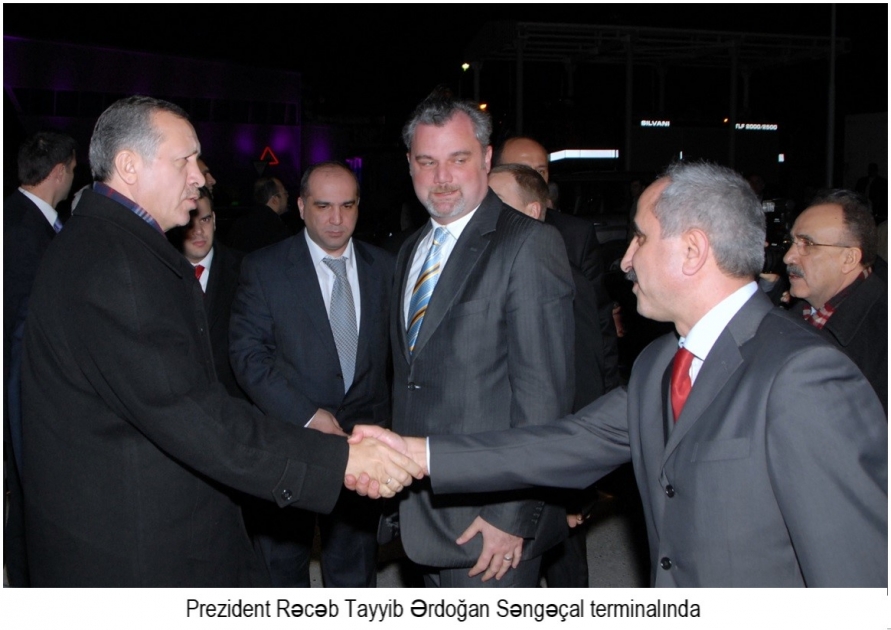
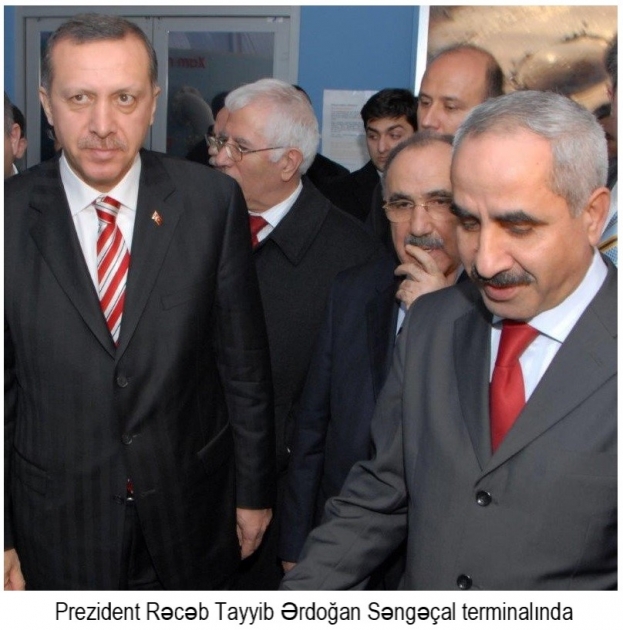
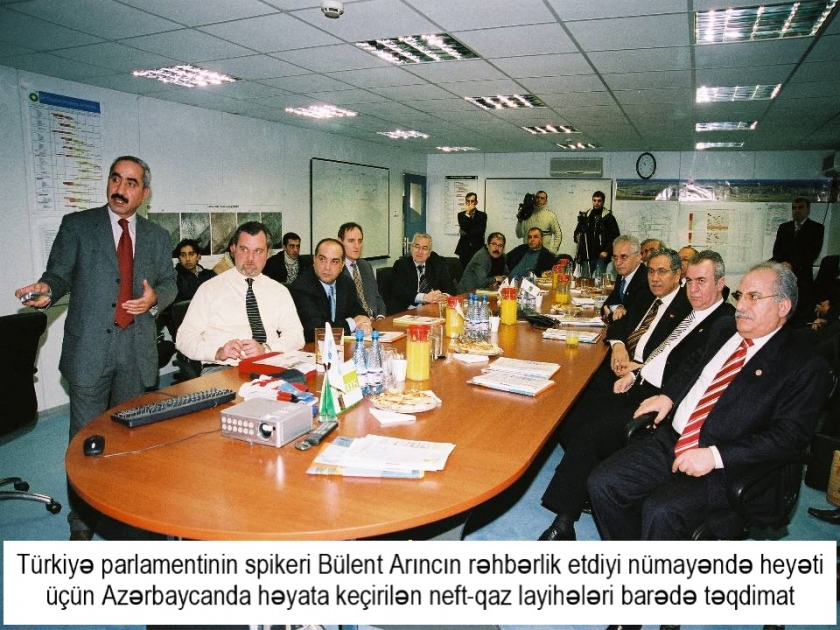
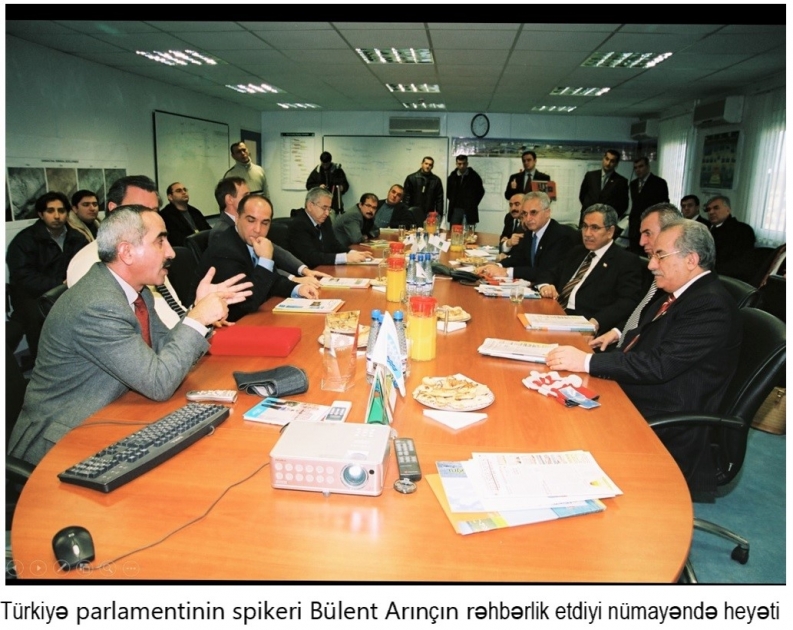
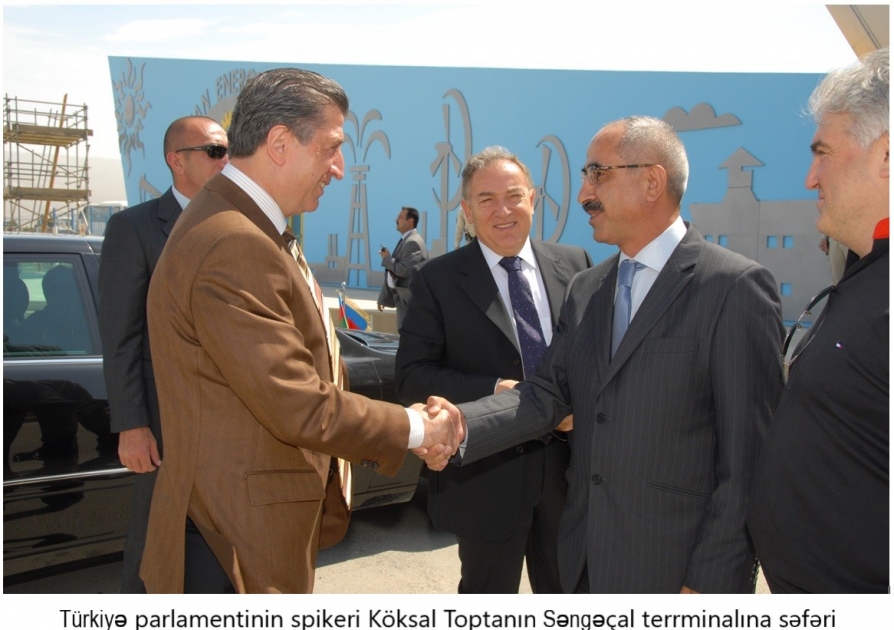
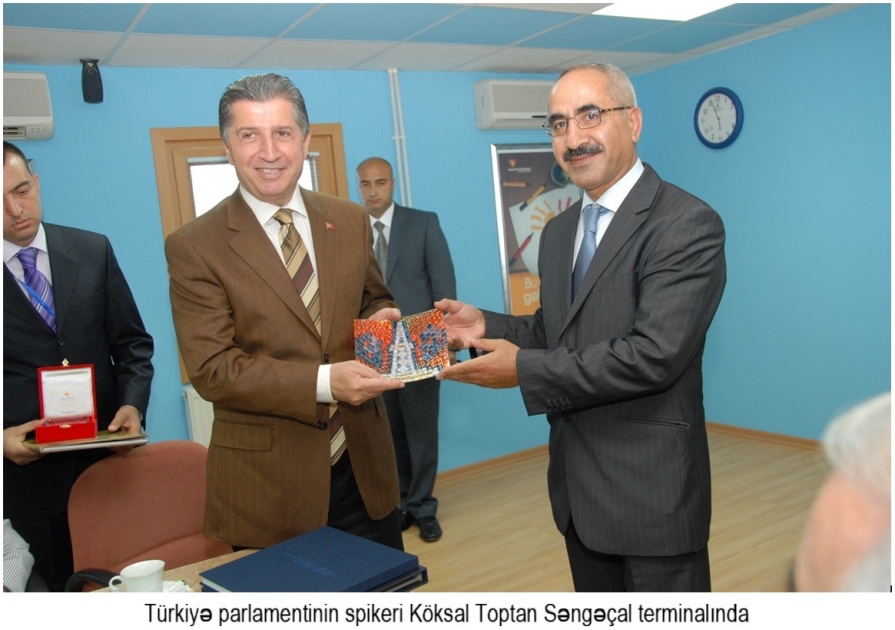
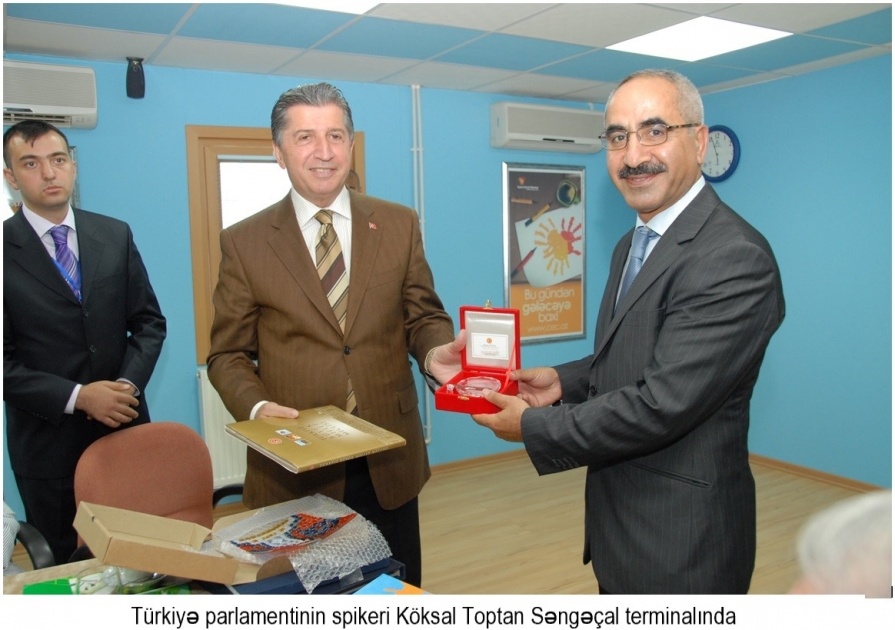
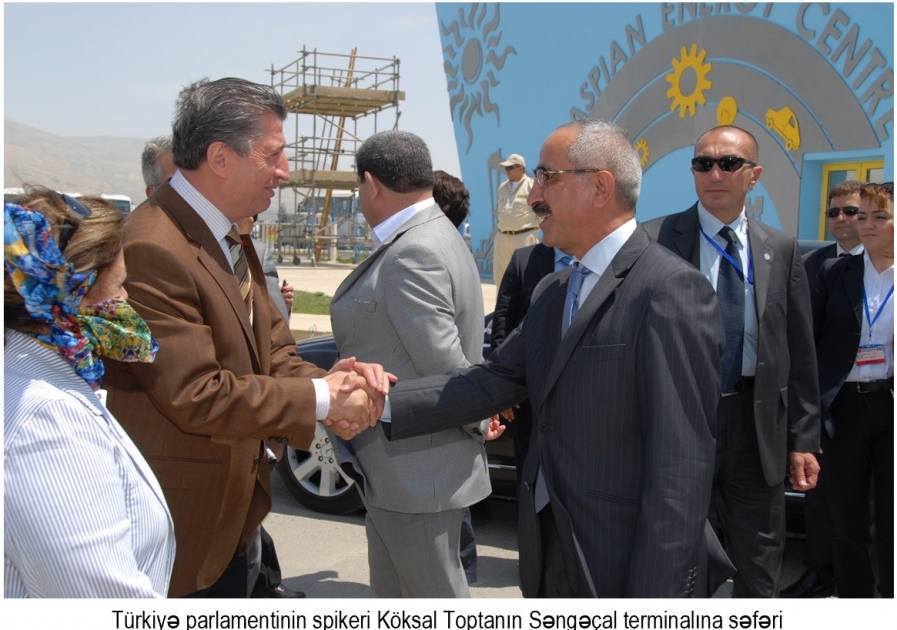
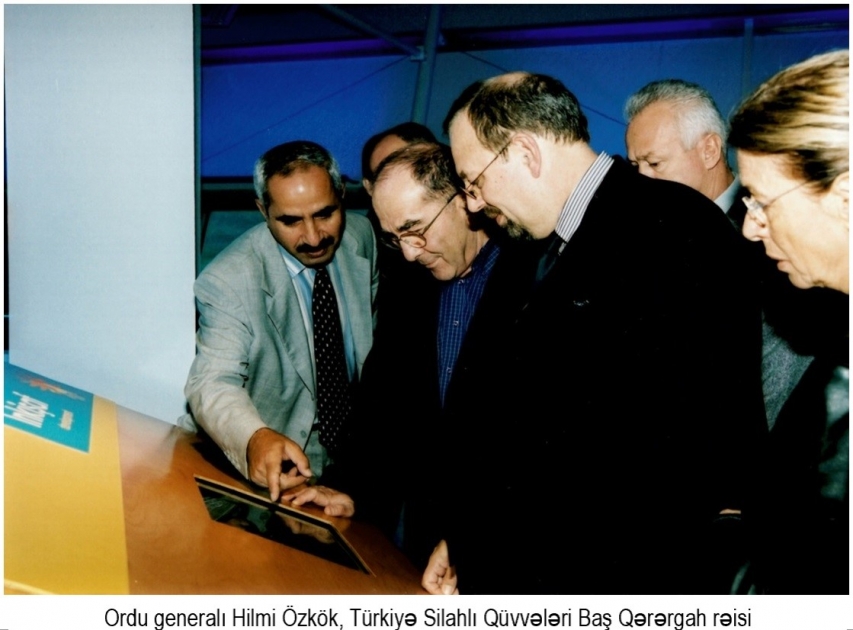
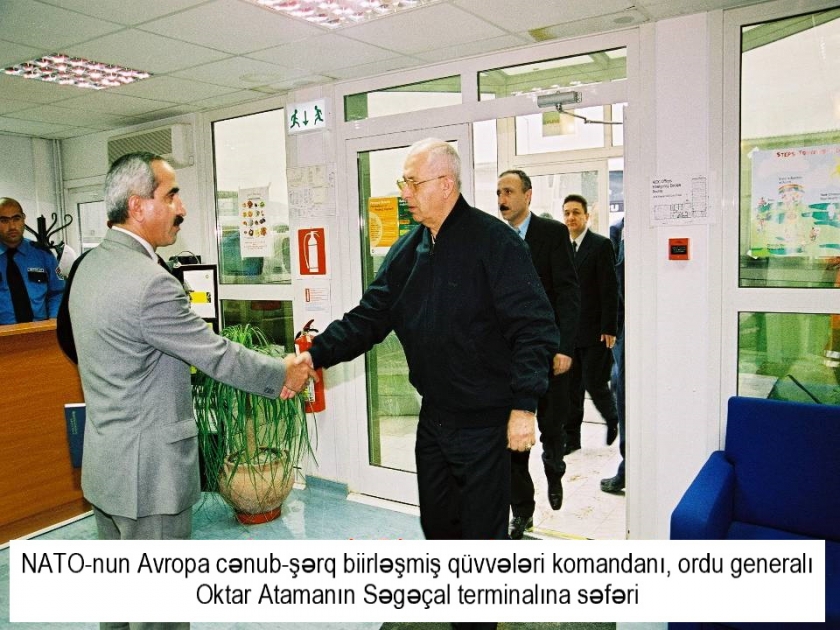
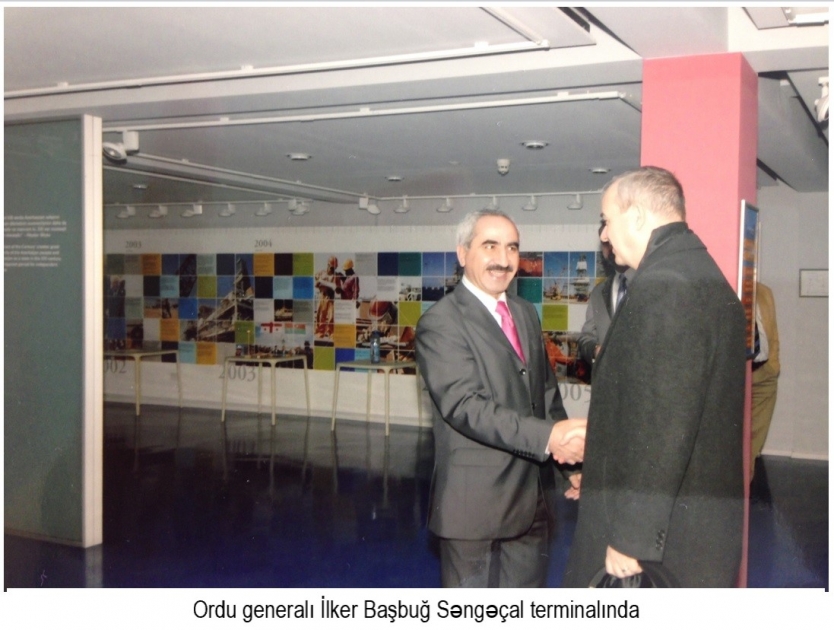
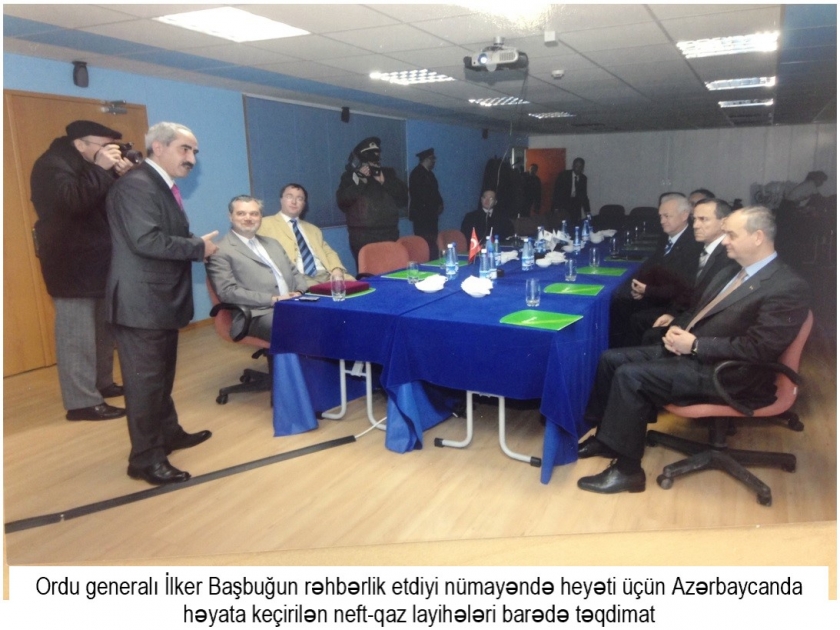
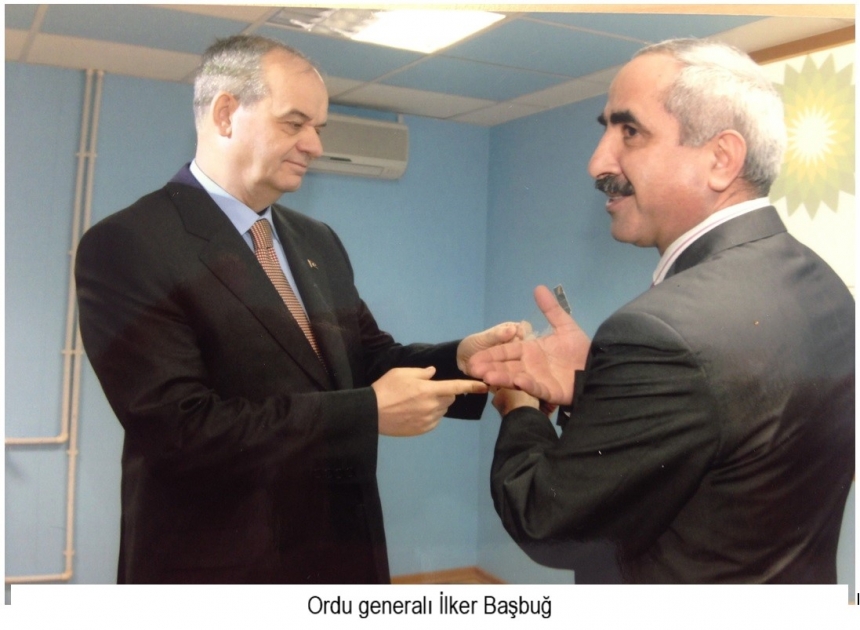
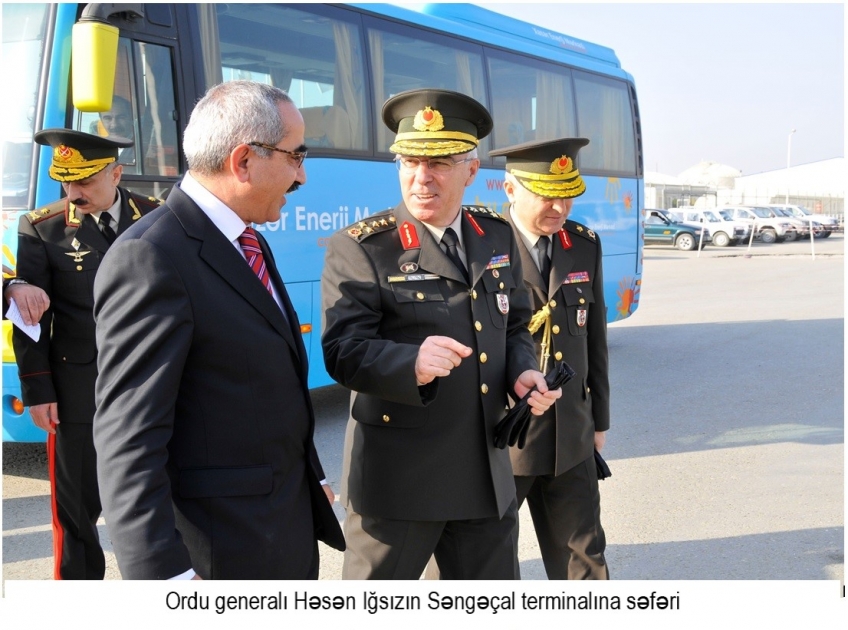
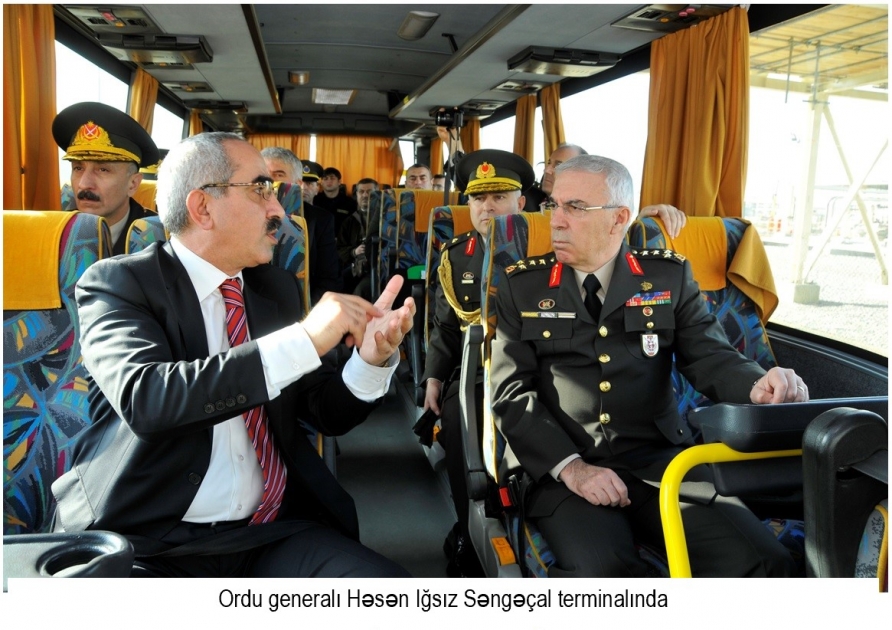
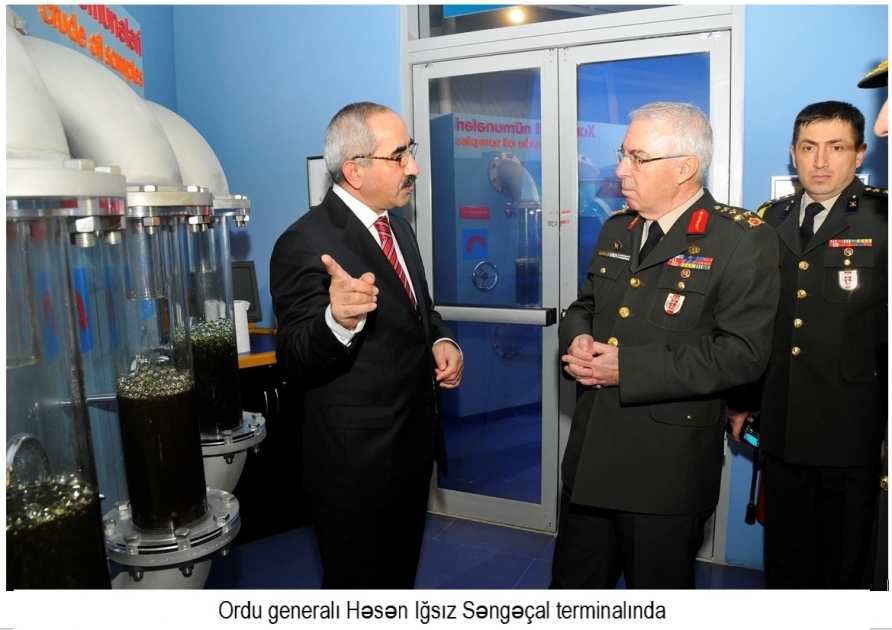
I have personally witnessed the great achievements of this strategic partnership with Turkey and the creation of this brotherhood. It has been my pleasure to host a number of high-level Turkish delegations at the largest BP-operated oil and gas terminal in the world - Sangachal not far from Baku. It was a great honour to meet President Erdogan, Speakers of the Turkish parliament Bülent Arinc and Köksal Toptan, quite a few government ministers and many other notable figures, briefing them about oil and gas developments in Azerbaijan. As someone hailing from a family of those who joined rescue operations of the Ottoman army in Erivan, it has been a special privilege to meet military commanders of Turkish army. For me as a war veteran of the Karabakh conflict, the Army Generals I met are particularly honored individuals. During the centuries-old history of Turkey, many things have changed, but what remains unchanged is the professionalism displayed by the Turkish military. They continue being great warriors defending their national security. Turkish Army Generals Hilmi Özkök, Ilker Basbug, Hasan Iğsız, NATO Commander of the Joint Southeast Command Oktar Ataman who I have hosted at the Sangachal terminal assured me that Turkey’s military forces remain in the best shape, and as a key member of NATO forces prioritize the protection of pipelines that deliver hydrocarbons from Azerbaijan to the EU and support the energy security in Europe. Turkish military closely cooperate on defense and security matters with the Azerbaijani army, assisting it with obtaining NATO standards. The strategic cooperation between Azerbaijan and Turkey provides economic benefits and stability to all countries not only in the South Caucasus but also in Europe.
Guivami RAHIMLI,
PhD, Professor at Baku State University
Senior Government Affairs Advisor, BP Azerbaijan
Other news in this section


