The Azerbaijan State News Agency

Karabakh attire – A valuable heritage embodying the identity and aesthetic worldview of our people - INTERVIEW
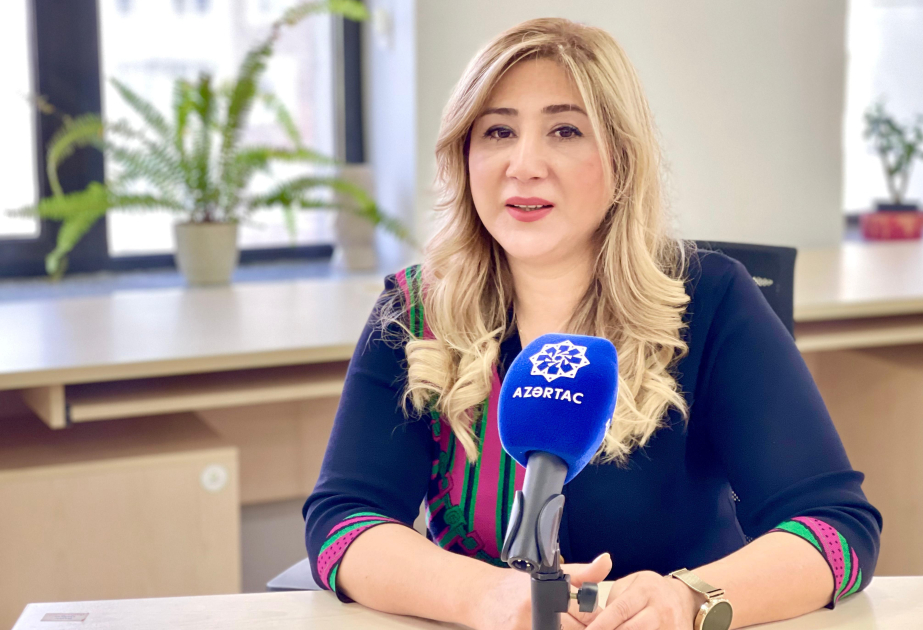
Karabakh attire – A valuable heritage embodying the identity and aesthetic worldview of our people - INTERVIEW

Baku, February 11, Fidan Alizade, AZERTAC

Azerbaijani national attire is one of the key elements representing the country’s rich cultural heritage, refined taste, and historical traditions. The national costumes unique to each region not only attract attention with their aesthetic beauty but also reflect the way of life, social status, and ethnographic characteristics of the people. Throughout history, Azerbaijani national attire has evolved under the influence of different eras while preserving its uniqueness. Today, preserving and passing down these garments to future generations remains one of the most important cultural missions. This was highlighted in an interview with AZERTAC by Ilhama Gasabova, a leading researcher at the Institute of Folklore of the National Academy of Sciences of Azerbaijan, PhD in Philology, and Associate Professor.

Discussing the main characteristics of Karabakh’s national attire, Gasabova noted that clothing developed over different historical periods and was influenced by lifestyle, economic activities, natural and geographical conditions, and the aesthetic preferences of the people. Notably, clothing not only met daily needs but also indicated social status, marital status, and even age group. For example, young girls preferred bright and attractive colors, while older women chose darker shades. Decorative elements played a special role in Karabakh clothing. Elegant embroidery, as well as chepkens (embroidered women’s garments with long, slit sleeves) adorned with gold and silver coins, were key distinguishing features.

- Ms. Ilhama, what were the differences between men’s and women’s clothing in Karabakh?

- Women's clothing in Karabakh was divided into two main categories: undergarments and outerwear. Undergarments included items such as shirts, pantaloons, and jyutbalag (wide trousers). These were comfortable and loose-fitting to allow freedom of movement. Outerwear was mostly made from expensive fabrics like satin, tirma (a fine wool or silk fabric woven by hand), and zarhara (brocade), often adorned with patterns and embroidery.

- Ms. Ilhama, what were the differences between men’s and women’s clothing in Karabakh?

- Women's clothing in Karabakh was divided into two main categories: undergarments and outerwear. Undergarments included items such as shirts, pantaloons, and jyutbalag (wide trousers). These were comfortable and loose-fitting to allow freedom of movement. Outerwear was mostly made from expensive fabrics like satin, tirma (a fine wool or silk fabric woven by hand), and zarhara (brocade), often adorned with patterns and embroidery.

Men’s clothing, on the other hand, was more structured and formal. Men wore shirts, jubba (robes), chokha (a traditional upper garment with a high collar and elbow-length sleeves worn by some Caucasian peoples), and caftans. Men's attire was designed to be both practical and suitable for the social and military requirements of the time. The chokha was one of the most significant elements of men’s clothing, with several variations such as the standard chokha and the nine-gore chokha. Among headwear, the most common types were chalma, dolbend (a turban-like headpiece resembling a tulip), berk, and kulakh (both variations of traditional papakhas).

- You mentioned the colors and ornaments in Karabakh’s national clothing...

- In Karabakh clothing, color held special significance. Red, green, and blue were mainly worn by young brides and girls, while older individuals preferred blue, dark brown, purple, and black garments. Popular ornaments in the Karabakh region included the moon and sun, star, buta (paisley), bud, and agramant patterns. Since the 17th century, chepkens adorned with coins have been an essential part of women’s attire, further embellished with beads and tassels.

- What fabrics and materials were used in national costumes?

- The highest quality fabrics were used in Karabakh clothing. Women’s garments were often made from luxurious materials like satin, brocade, and kanaus. However, for everyday wear, white fabrics dyed in different colors with mitkal (a type of calico), cotton, and satin were commonly used. Men’s clothing primarily featured wool and velvet, which provided insulation against both cold and heat, making them suitable for Karabakh’s climate.

Karabakh clothing was categorized into two main types: everyday wear and festive attire. Everyday clothing was simple, comfortable, and practical, made mainly from cotton and wool without or with minimal decorative elements. Festive and wedding outfits, on the other hand, were more opulent, embroidered with gold, and crafted from satin, velvet, and brocade. The bride’s attire was particularly lavish and meticulously crafted with jeweler-like precision.

- Special attention must have been paid to accessories in these outfits?

- Accessories held a special place in Karabakh clothing. Women’s headpieces included taj (crown), tesek (skullcap), chutgu (bonnet), aragchin (another type of skullcap), dinge (a kokoshnik-style headdress), rubend (veil), charshab (chador), duvag (bridal veil), and kelaghayi (silk scarf). Particularly fashionable were aragchins decorated with coins.

For men, headwear was a symbol of honor, and losing or selling one’s hat was considered disgraceful. Women wore delicate necklaces, earrings, and gold belts. Gold and silver decorative elements were an integral part of the attire of wealthy women.

- What steps are being taken to preserve and pass on our national clothing to future generations?

- Significant efforts are being made today to preserve and pass down Karabakh’s national clothing. The National History Museum of Azerbaijan houses rare examples of garments, including outfits belonging to Khurshidbanu Natavan. Additionally, the revival of Karabakh clothing in theater and cinema, as well as its display in folk dances and national events, contributes to its preservation.

Karabakh’s attire is not only a cultural artifact but also a valuable heritage that embodies the identity and aesthetic worldview of our people. It is our duty to preserve this legacy and pass it on to future generations.

Share news on social media

Follow us on social network

Regional trade links discussed at 51st Annual Meetings of IsDB Group

Azerbaijan, South Korea hold political consultations

China’s FM Wang Yi urges concrete implementation of Iran-US memorandum

Tropical Storm Arthur has formed as the first named storm of the Atlantic hurricane season

7th World Forum on Intercultural Dialogue presented at UNESCO

Participants of Coordination Headquarters meeting view intensive horticulture farms in Khojaly district

Norway's crown princess undergoes successful lung transplant, palace says

OIC Assistant Secretary-General: 16th Islamic Summit in Azerbaijan will serve as a landmark event

Participants of Coordination Headquarters meeting inspect intensive fruit orchards in Khojaly district

Top stories update

New rules for biotech crops clear final hurdle in European Parliament

Azerbaijan, Cambodia explore enhancing cooperation

Azerbaijan, UNESCO General Conference explore cooperation

Azerbaijan Railways, Asian Infrastructure Investment Bank expand cooperation in logistics

Participants of Coordination Headquarters meeting visit “Goch Et” Livestock Complex in Khojaly

Infrastructure created for sericulture development inspected in Dashbulag village of Khojaly

US congressman briefed on Azerbaijan-Armenia normalization process

Azerbaijan, U.S. explore enhancing parliamentary ties

Deputy Minister: Azerbaijan has provided development support to 51 OIC countries

Azerbaijan, OPEC Fund for International Development explore new areas of economic partnership

Mikayil Jabbarov: Islamic Development Bank has made significant contributions to Azerbaijan’s economic development

Azerbaijan joins Formula 1-supported STEM Racing Programme for first time

Ljubljana hosts screening of documentary about Azerbaijani hero Mehdi Huseynzade

Participants of Coordination Headquarters meeting inspect ongoing work at “Demirli” Ore Processing Complex

Azerbaijan’s Culture Minister Adil Kerimli meets with Chairman of UNESCO Executive Board

Azerbaijan, Korea review new cooperation opportunities

Delegation of U.S. Congress visits Alley of Martyrs

Azerbaijan, OIC aim to enhance joint efforts in fighting disinformation

From Haitham bin Tariq Al Said, Sultan of Oman

Kazakh tourism representatives brief azerbaijani partners on Shymkent’s Tourism Potential

OIC Commission Executive Director: Azerbaijan has become an international hub for global events

® Azercell supports RobotChallenge Azerbaijan 2026

Azerbaijan’s Economy Minister: More than 80 percent of Azerbaijan’s strategic mineral reserves are concentrated in the liberated territories

Azerbaijan and Guinea explore trade and investment cooperation

Thailand strengthens response to risk of prolonged El Nino

Participants of Coordination Headquarters meeting view Aghdara Master Plan

Moldova to join two international maritime conventions

First cargo flight arrives from Dubai in Almaty

Azerbaijan, UNESCO explore cultural cooperation

EU supports ebola response with €493 million in vaccines, treatment and health aid

Azerbaijan and Tajikistan explore prospects for economic cooperation

Another meeting of Coordination Headquarters held in Aghdara

Visitors to Japan fall 3.6 pct in May

Pope welcomes Iran-USA agreement

16 tonnes of counterfeit national team kits seized in Spain, worth seven million euros

Azerbaijan to compete in Olympic Hopes Boxing tournament in Sarajevo

Bulgaria ranks third in EU for bathing water quality in 2025

Azerbaijan, UNESCO discuss partnership priorities in Paris

Deputy PM Poulev briefs J. P. Morgan representatives on Bulgaria's investment reform agenda

45 more families relocated to Shukurbeyli village receive house keys

Coordination Headquarters members begin visit to Aghdara and Khojaly districts

ITFC CEO: We are witnessing the development of Islamic Finance in Azerbaijan

Agreements worth $295 million signed between the Islamic Corporation for the Development of the Private Sector and Azerbaijan

TURKPA Secretary General meets Türkiye’s Vice President

Record-equalling Messi hat-trick inspires Argentina to winning start

Azerbaijan's green energy and investment potential presented at Tashkent Forum

Haaland brace guides Norway to victory over Iraq

Mbappe's historic brace powers France to victory over Senegal

Uzbek president pledges continued reforms, tax-free zone at Tashkent forum

Azerbaijan, Chad explore current state of economic relations

Earthquake jolts Caspian Sea

Researchers in Australia develop digital tool to spot cancer immunotherapy side effect

Contracts worth $4.7 billion to be signed at Islamic Development Bank Group’s 51st Annual Meetings

UAE redefines global fight against desertification, drought

Top stories update

Azerbaijani Para athlete secures silver at Tunis 2026 Grand Prix

Global fish production hits new high, but climate threats loom

Kyrgyzstan expands sowing areas

Azerbaijan’s Prime Minister visits Center of Islamic Civilization in Tashkent

The dance of the honeybee may ınform future swarm robotics design

Azerbaijani CEC delegation joins international event in Georgia

Japan enacts tighter drone rules, expanding no-fly zones

June 17 marks World Day to Combat Desertification and Drought

Azerbaijan relocates 45 more families to Shukurbayli village in Jabrayil district

UN urges adherence to mine ban treaty

President Emomali Rahmon signs the Law of the Republic of Tajikistan “On Amnesty”

President Ilham Aliyev received Member of the U.S. House of Representatives VIDEO

China to host 2026 World AI Conference in Shanghai in July

M6.7 earthquake shakes part of Indonesia, killing at least 1, causing damage and injuries

Azerbaijan`s PM presented with special edition of Bright Uzbekistan magazine

Azeri Light sells for $82

Baku plays host to 8th Sustainable Development Goals Dialogue

Azerbaijan, Algeria eye economic cooperation opportunities

Yalchin Rafiyev: Holding an event dedicated to the decline in Caspian Sea water level in Bonn is highly significant

Top stories update

Shalala Kamilova: Expanding women's participation in strategically significant economic sectors is becoming increasingly important

Meerim Usubalieva: Kyrgyz logistics companies actively utilizing the Middle corridor

Moscow hosts presentation of Azerbaijan’s “Yelani” kelaghayi brand

Zhanna Aidarova: Future of the Middle Corridor lies in cooperation between Kazakhstan and Azerbaijan

Azerbaijan`s youth policy in spotlight of World Youth Development Forum

Azerbaijani Army servicemen participate in "Caucasus Eagle 2026" exercise

Britain's Prince George to go to prestigious Eton College

Prefect of Dicastery for Interreligious Dialogue of Holy See visits House of Tolerance

Devlet Bahçeli: TURKPA plays significant role in promoting cooperation among the fraternal Turkic States

Azerbaijan, Uzbekistan sign documents with participation of both countries’ PMs

Appeal hearing on complaints of Armenian citizens continues

Shakhlo Abidjanova: Middle Corridor has become a key route for international logistics

Conference of Directors of European National Libraries wraps up its annual meeting

Sabina Tanriverdiyeva: Women's leadership in logistics contributes to regional cooperation

Azerbaijani judokas win three medals at tournament in Russia