BCAW 2026 focuses on cross-border renewable energy certificates for regional connectivity







Baku, September 7, AZERTAC
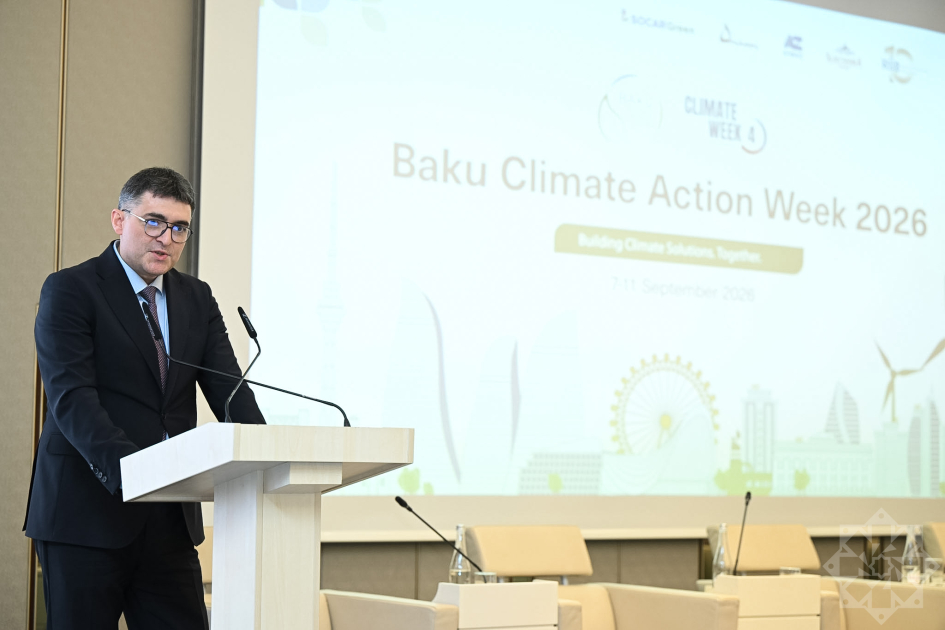
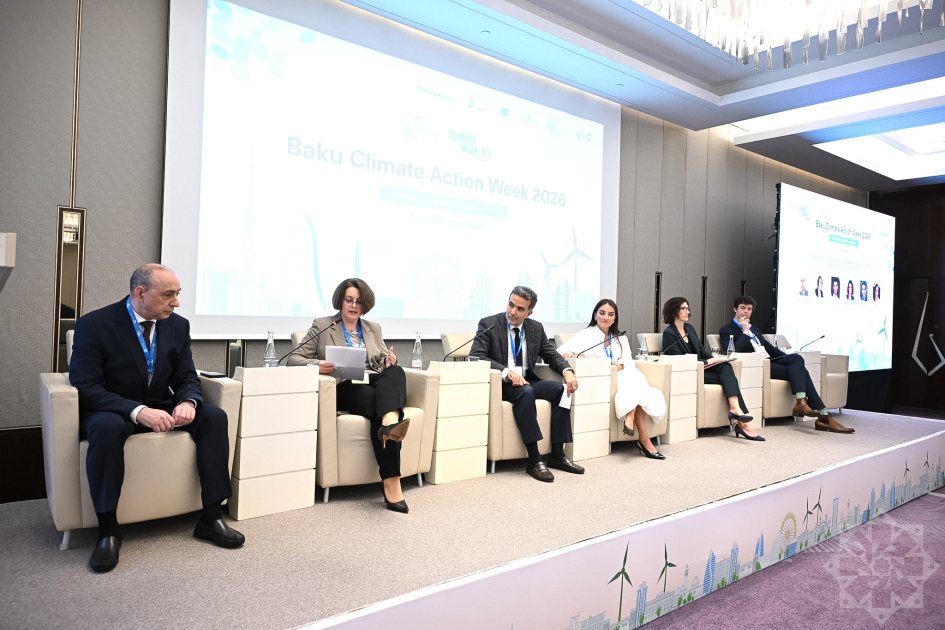
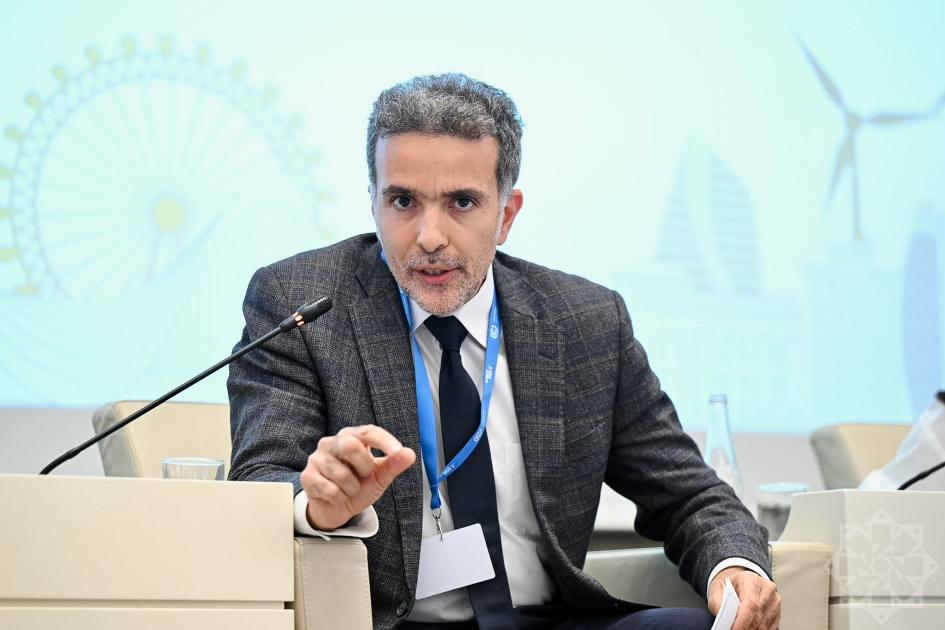
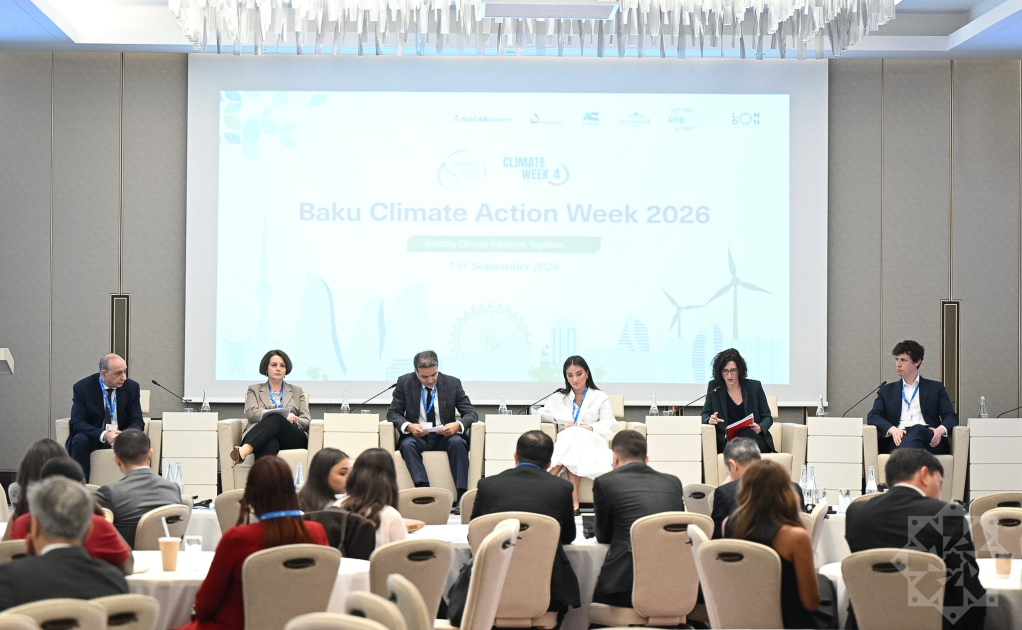
The Baku Climate Action Week 2026 (BCAW 2026) featured the fifth panel session titled “Cross-border Renewable Energy Certificates (RECs) for Regional Connectivity”.
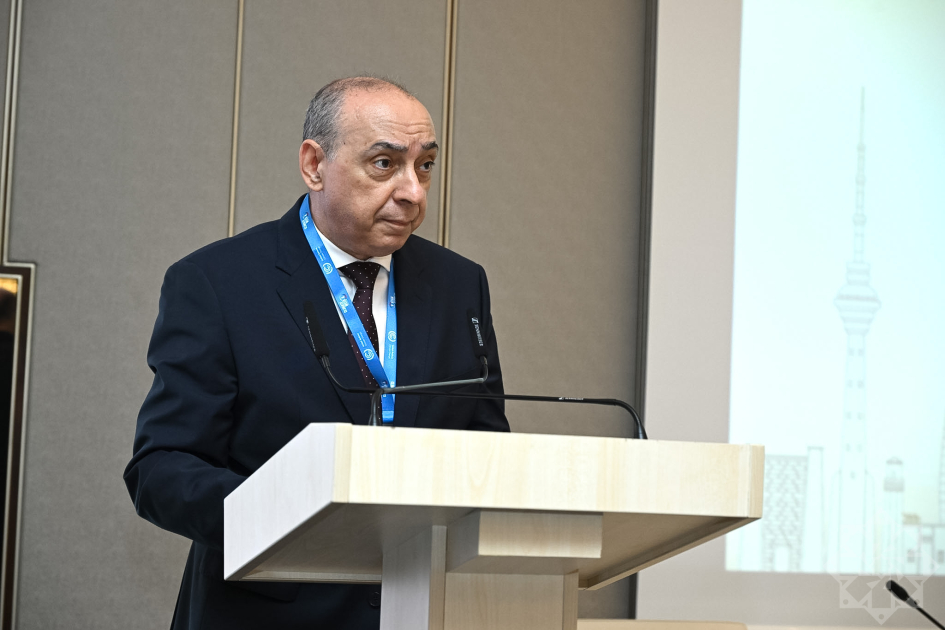
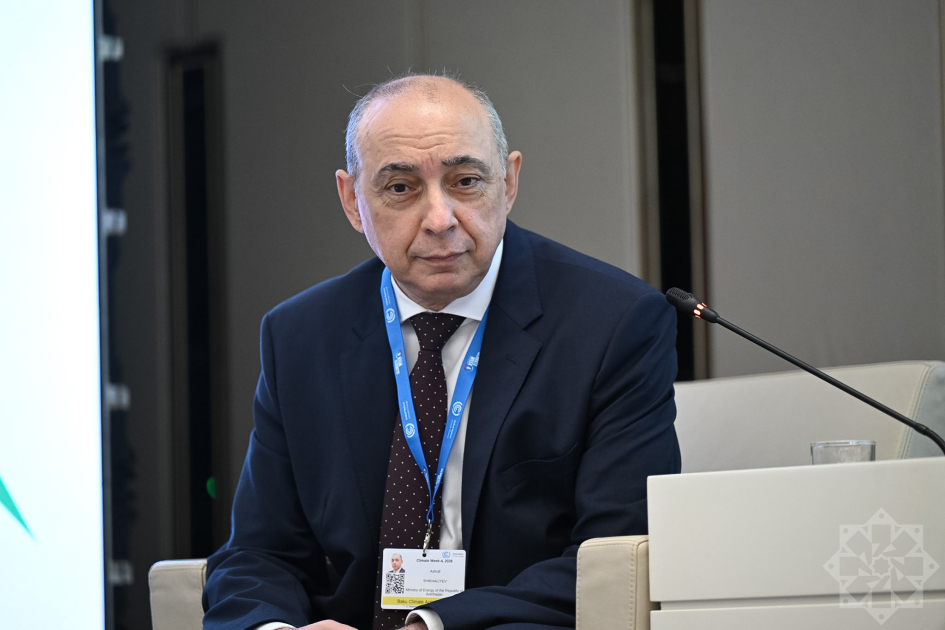
Moderated by Ashraf Shikhaliyev, Head of International Cooperation Department of Azerbaijan’s Ministry of Energy, the session provided a platform for policymakers, international organizations, development finance institutions, and market experts to examine how Renewable Energy Certificates and Guarantees of Origin can enable trusted, transparent, and interoperable trade in renewable electricity across the South Caucasus, the Black Sea region, and Central Asia.
The discussion addressed certification and tracking requirements for the region’s green energy corridors, the interoperability and mutual recognition of certification schemes between the EU Guarantees of Origin system and regional and voluntary REC markets, as well as the institutional, regulatory, and digital prerequisites for credible national and regional issuing and registry frameworks.
Keynote speakers included Orkhan Zeynalov, Azerbaijani Deputy Minister of Energy; Rana Humbatova, Deputy Director of the Azerbaijan Renewable Energy Agency; Claire Marion Nicolas, Senior Energy Economist in ESMAP (Energy Sector Management Assistance Program) of the World Bank; Sebastian Salter, Director of the Action Agenda Engagement at the Department of Climate Change, Energy, the Environment and Water (DCCEEW) of the Australian Government; Javahir Jafarli, Manager for Climate Change and Sustainability at the Deloitte & Touche LLAC; Shihab Elborai Partner at the PricewaterhouseCoopers (PwC).
The discussion revolved around building trust and transparency in cross-border renewable electricity trade through RECs and Guarantees of Origin (GOs); interoperability and mutual recognition between EU GO systems and regional REC schemes; certification and tracking requirements for regional green energy corridors; Establishing credible national issuing bodies and interoperable registry systems; as well as regulatory and policy harmonization to enable cross-border REC trading; mobilizing investment and creating market demand through renewable energy certification mechanisms.
Other news in this section


